Kombucha is a sweetened tea beverage fermented by a mixed culture of acetic acid bacteria, yeast, and lactic acid bacteria. Rich in complex sweet and sour notes with a natural fizz, and paired with the distinct flavours of various teas, it promises a delightful sensory experience across aroma, taste, and mouthfeel.
Over the next two months, Foodthink will publish a new instalment of The Alchemy of Food every week, sharing methods for preparing fermented foods such as cheese and pickled chillies. Stay tuned.
1 What is kombucha?
Kombucha is a fermented tea drink made from tea, sugar, water, and a microbial culture. Its flavour and effervescence are often likened to sparkling juice. The fermentation process is driven by a SCOBY (symbiotic culture of bacteria and yeast). This symbiotic colony of bacteria and yeast is also known as the “tea mother” (or simply “the mother”).
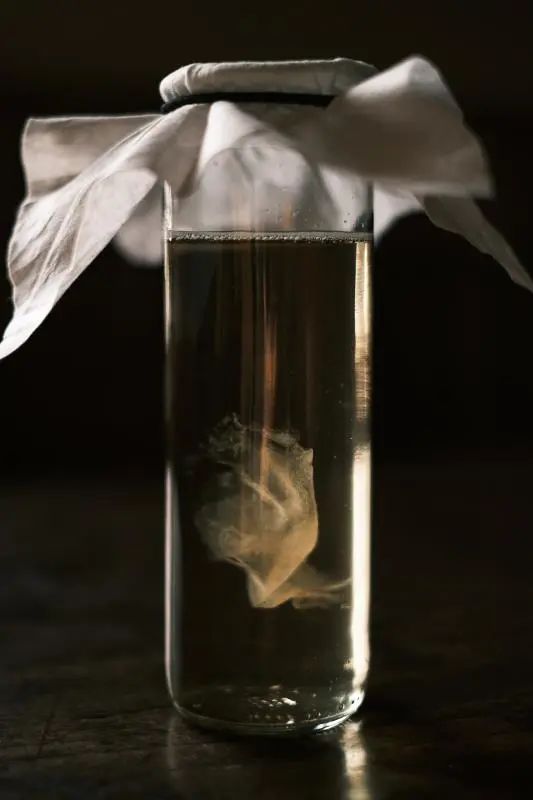
发酵中的康普茶及康普茶成分示意图。图源:快乐Lab
发酵中的康普茶及康普茶成分示意图。图源:kombu
2 How does kombucha fermentation work?
The kombucha “mother” (SCOBY) is a symbiotic microbial community comprising acetic acid bacteria, yeast, lactic acid bacteria, and others. The yeast breaks down sucrose into glucose and fructose, subsequently yielding carbon dioxide and ethanol. Following this, the acetic acid bacteria begin to multiply, converting glucose into gluconic acid and metabolising ethanol into acetic acid. They also synthesise cellulose, which ultimately forms a gelatinous film that floats on the surface of the fermenting liquid.
Schematic illustration of the kombucha mother culture (red tea fungus) under an electron microscope. Image source: *Scientific Analysis of Red Tea Fungus*Acetic acid, in turn, stimulates the yeast to produce further ethanol. Lactic acid bacteria thrive on the yeast’s metabolic by-products, multiplying to produce lactic acid. The various organic acids generated during fermentation create a low pH environment. Together with the tannins from the tea, these acids work to inhibit the intrusion and growth of pathogenic microorganisms.
3 What is that film on top of kombucha?
A mature batch of kombucha develops an elastic film on its surface, commonly referred to as a pellicle. It is composed primarily of cellulose metabolised by acetic acid bacteria.
Many people assume this film is the SCOBY itself, but this is a slight misconception. In reality, it is the microbial colony adhering to the pellicle that plays the pivotal role during fermentation. Of course, you can use a pellicle from another brewer as a starter culture, provided you ensure the microbes remain viable.
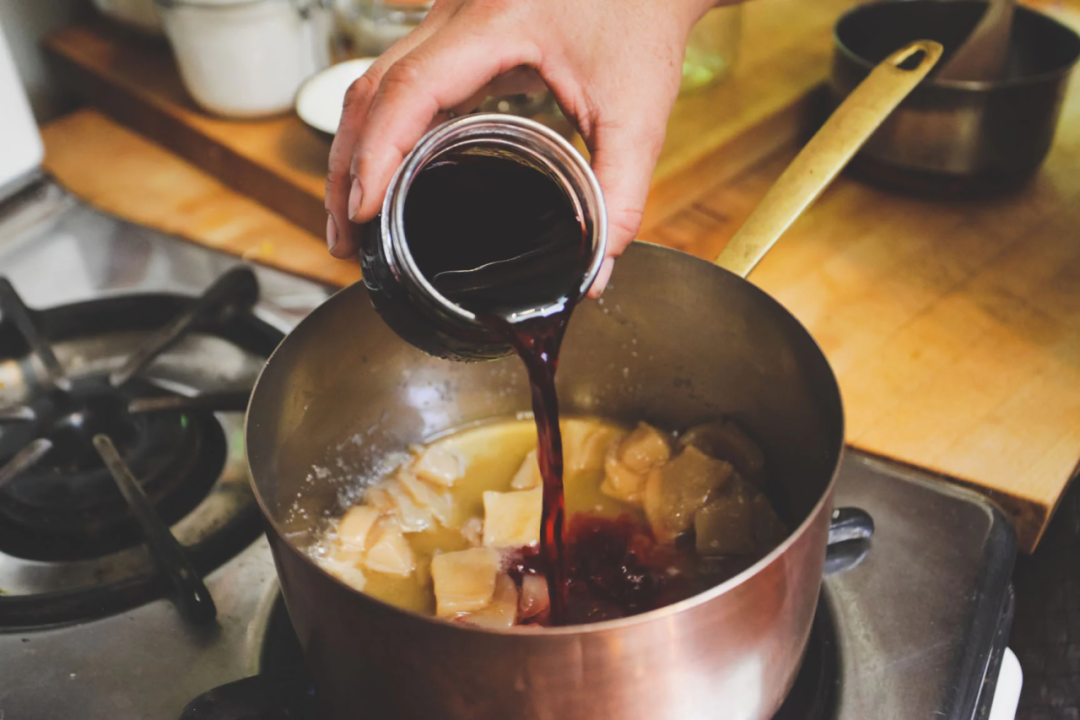
The pellicle shares its main composition with nata de coco. In the Philippines, thick pellicles are cultivated in coconut water or sweetened pineapple juice, then cooked into a chewy confection known as nata.
Cut the pellicle into chunks, combine with sugar and fruit juice, and simmer until it has fully absorbed the liquid. Transfer to the oven, and a delicious batch of nata is ready to serve! Image source: Web
4 Is kombucha a sugar-free drink? What chemical components does it contain?
The sugars in kombucha are metabolised by yeast, acetic acid bacteria and lactic acid bacteria into acids. If you ferment it until all the sugar has been consumed, the result will taste much like vinegar. Most people prefer kombucha to retain a touch of sweetness, so a small amount is typically left in the brew.
Alongside sucrose, kombucha also contains caffeine, which comes primarily from the brewed tea leaves themselves. In 1995, kombucha enthusiast Lu Sen analysed the drink’s chemical composition and found that caffeine levels remain stable throughout fermentation. The actual amount varies depending on the type and quantity of tea used, as well as the steeping time. Like most fermented foods, kombucha contains trace amounts of alcohol, but this is almost always under 0.5% ABV, meaning it is legally classified as a non-alcoholic beverage.
5 Where can I buy a SCOBY?
You can buy one online, swap cultures with fellow home brewers, or grow your own from live-culture kombucha purchased from the shops.
You can also visit tomorrow’s “Fermented Life Festival” market at Lecheng Centre in Shuangjing, Beijing, to sample kombucha and take home a fresh culture!
6 What type of tea is best for making kombucha?
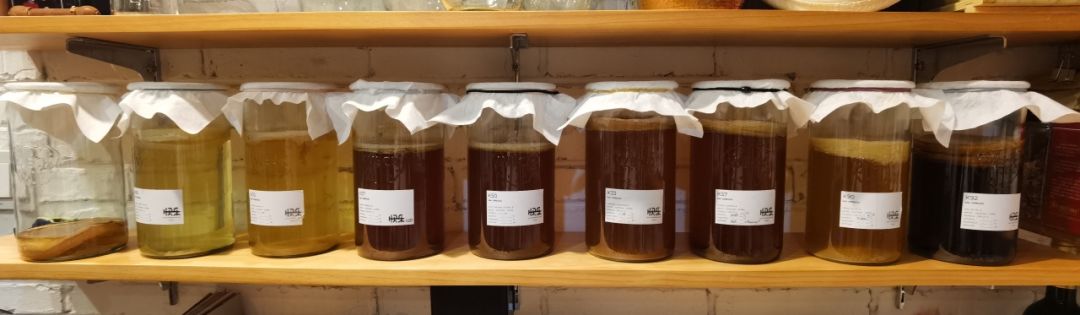
You can use black tea, green tea, white tea, oolong, dark tea, or any other variety, but avoid two types: teas that aren’t clean (those stored improperly, with pesticide residue, or grown in contaminated soil); and strongly flavoured or heavily scented teas like Earl Grey, as the essential oils added to them may inhibit fermentation. You can use either tea bags or loose-leaf tea, and brew it stronger or weaker to suit your preference.
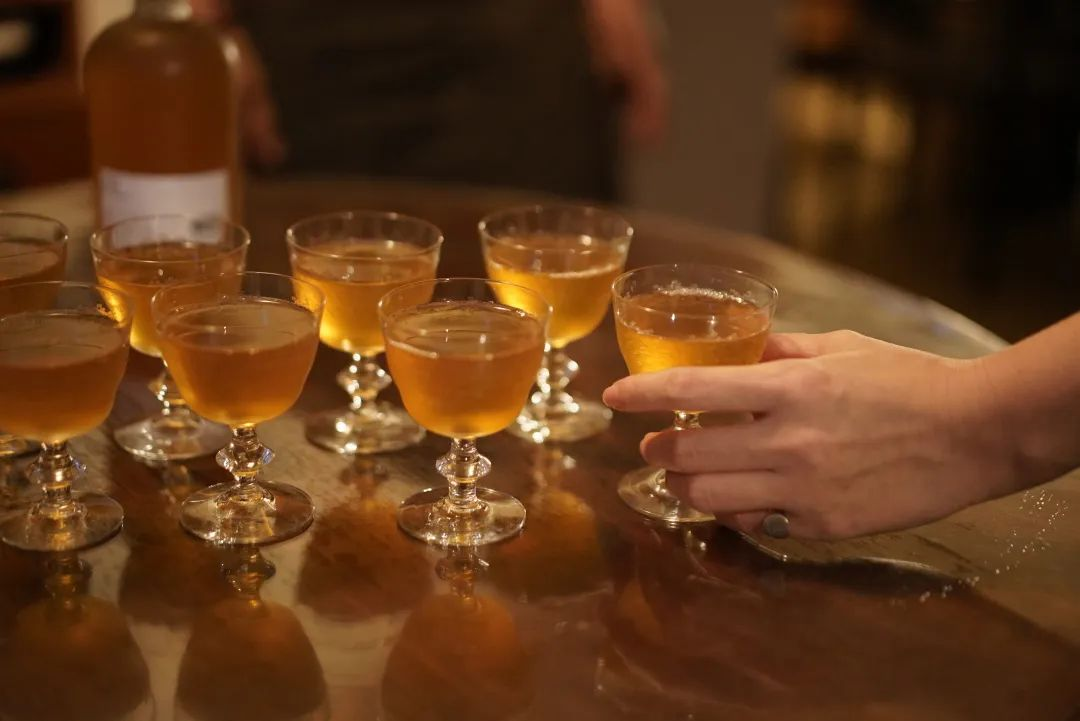
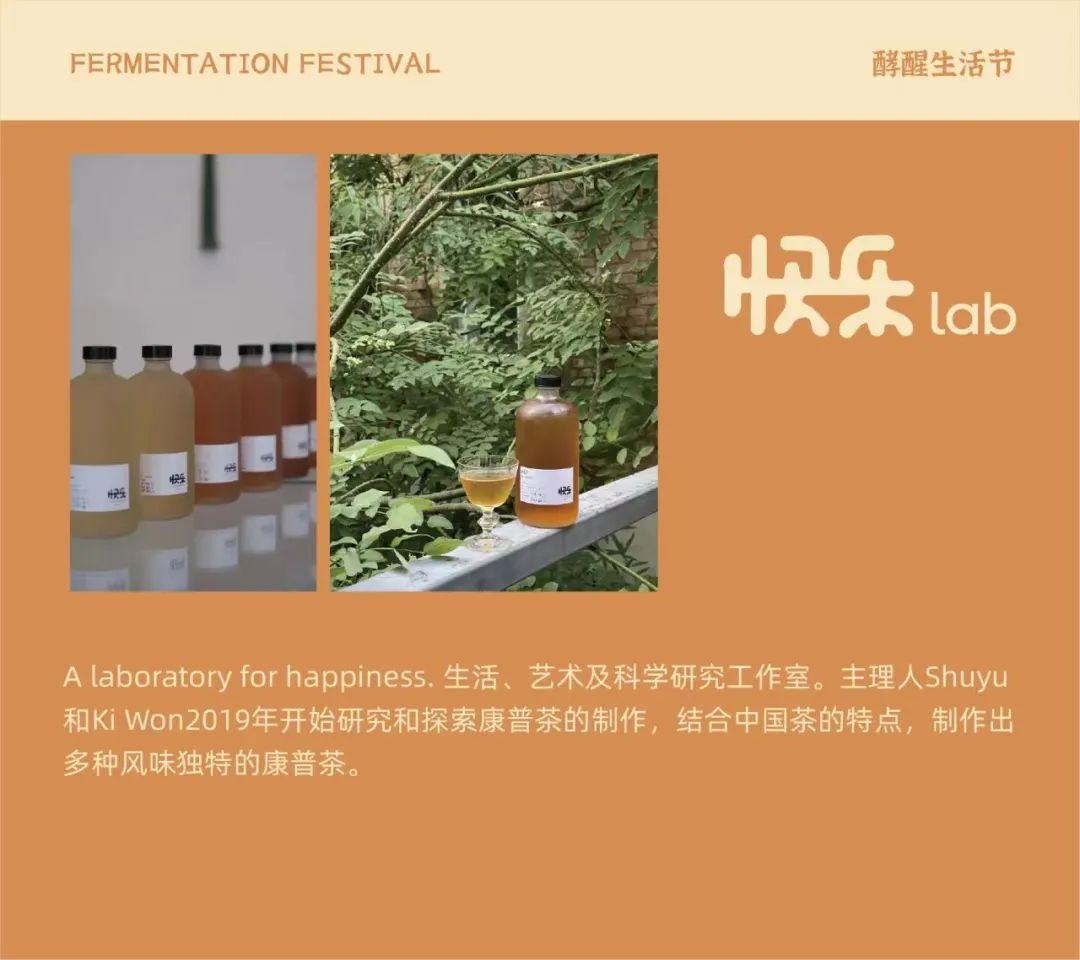
Kombucha made with various teas by Happy Lab, dedicated to kombucha fermentation. Image credit: Happy Lab
7 Does the tea-to-sugar-to-water ratio have to be exactly 1:10:130?
Beginners are best advised to start with this ratio. That said, the amount of sweetener can be adjusted to personal taste; I never measure the sugar, relying entirely on my palate.
8 Why must a wide-mouth glass jar be used for fermenting kombucha?
The fermentation process produces acids, and prolonged contact can corrode metal or stainless steel containers. Kombucha undergoes aerobic fermentation, which takes place at the surface exposed to air. It’s best to use a large container and avoid filling it to the top, so there is more surface area for the fermentation to work. Aside from wide-mouth glass jars, lead-free ceramic crocks are also suitable.
9 Can sweeteners such as honey or fruit juice be used instead of cane sugar?
Some people report excellent results when using honey, agave syrup, maple syrup, barley malt, fruit juice and other sweeteners. However, for others, their SCOBY shrivels and dies as a result. Similarly, some claim they barely use any tea at all, relying solely on herbal infusions or fruit juices for flavouring, yet still achieve a wonderful brew. I encourage you to experiment with different sweeteners and flavourings, running a few test batches to ensure your SCOBY continues to thrive.
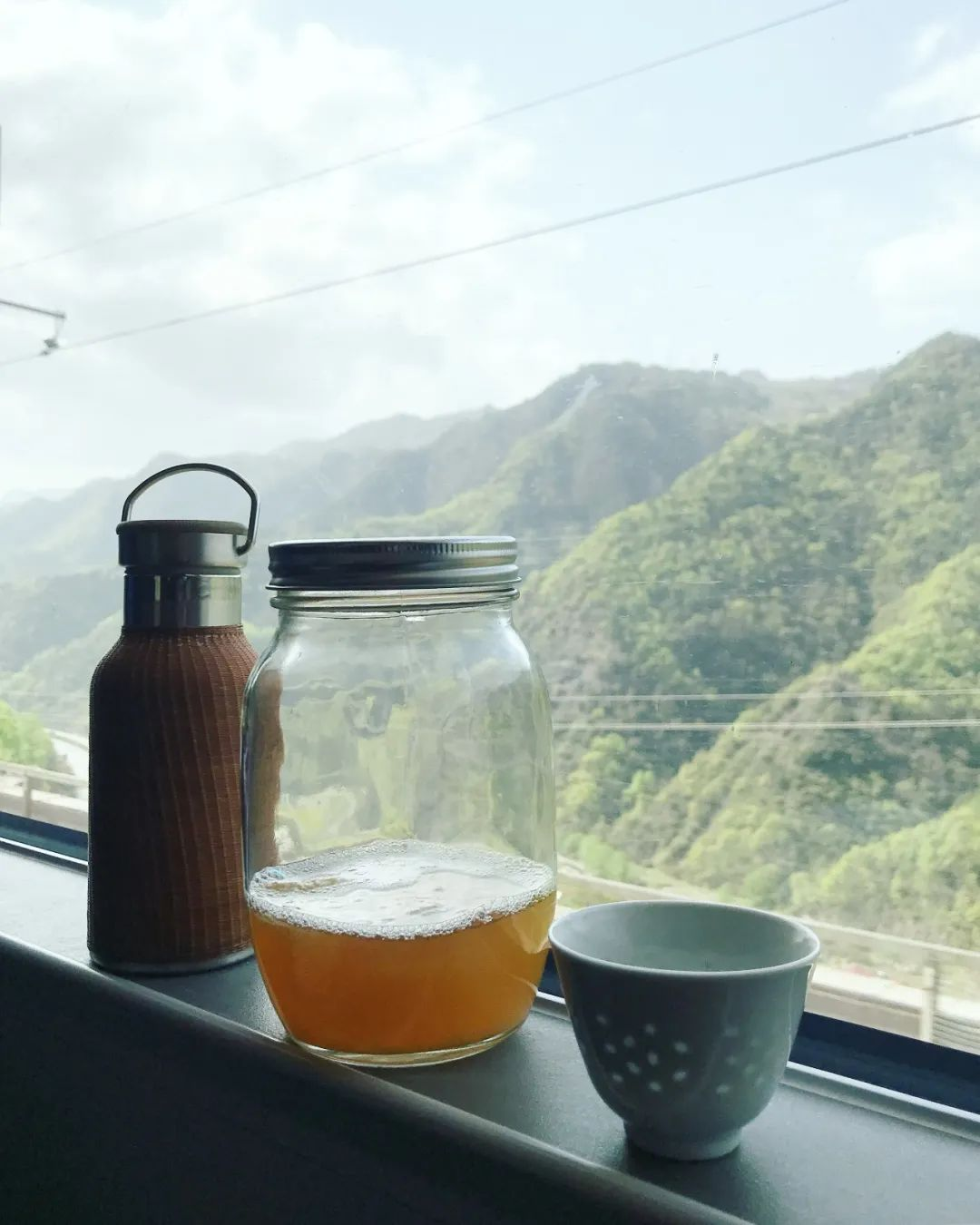
Taking homemade kombucha on a long journey adds a distinctive charm. Photo: Xiaoshu
10 How long does kombucha usually take to ferment?
A warm environment between 21–30°C is ideal for kombucha fermentation. The duration will depend on the temperature and your preferred level of acidity. In warmer weather, I usually let it ferment for 10 days. Taste it every few days to judge whether to let it continue fermenting and developing acidity. In colder climates, say around 16°C, it will require a much longer fermentation time. During winter, I sometimes leave the kombucha to ferment for several months until it reaches the acidity I’m after.
11 Do containers for making kombucha need to be sanitised in advance? If so, what method do you recommend?
When making kombucha for the first time, the containers should be sanitised. You can rinse them with boiling water or use a no-rinse sanitiser like STAR SAN. That said, because kombucha is brewed in a living, microbe-rich environment, don’t expect any sanitisation to be “absolute”. Nor does kombucha brewing require “absolute” sterilisation; the acidic liquid itself possesses natural antimicrobial properties that will suppress unwanted microbes.
12 If the kombucha is slow to ferment, what could be the issue?
It could be that your starter has gone off, or perhaps the liquid was too hot and killed the introduced culture. Alternatively, the spot where you’re keeping it might be too cold; try moving it to a warmer location. Chlorinated water can also inhibit fermentation.
13 How do I prevent mould from growing on my kombucha? How can I tell if there’s unwanted contamination?
When making kombucha for the first time, always remember to use matured kombucha starter liquid to acidify the brew. A ratio of roughly 5–10% of the sweet tea volume works well. This helps maintain a favourable environment for the desired microbial community and prevents mould from forming on the surface. Also, make sure to cover the vessel with a lightweight, finely woven cloth. This keeps flies and mould spores out while still allowing the brew to breathe.
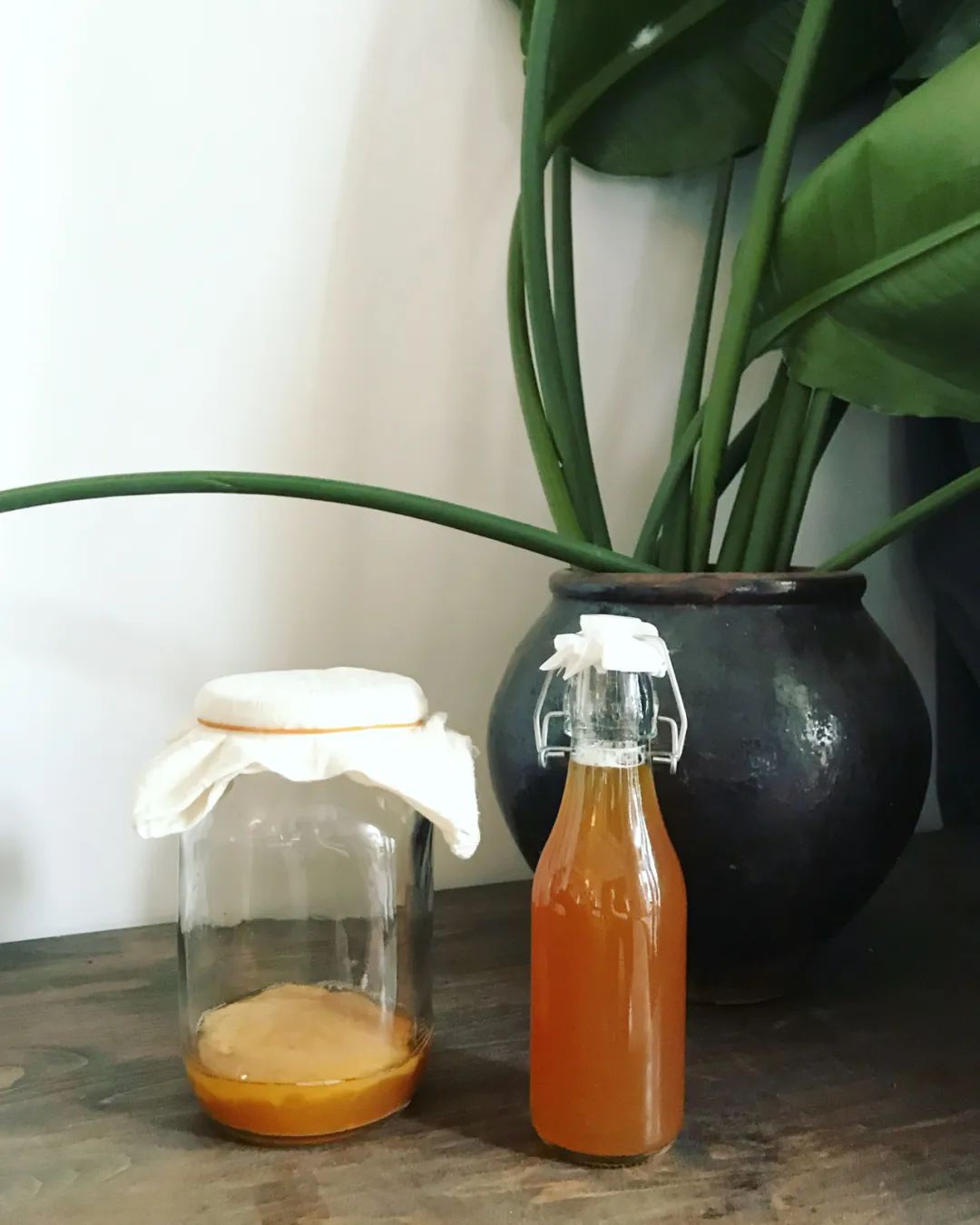
Kombucha fermentation jar covered with gauze.To tell whether unwanted microbes are spoiling the flavour or posing a health risk, rely on these two checks: ① Smell it – look out for any unpleasant odours. ② Inspect the film – check for abnormalities such as wrinkling, discolouration, or a fuzzy texture.
If you see any mould or contaminating microbes in the jar, discard the batch straight away and start over. This is crucial, as certain Aspergillus moulds can produce water-soluble toxins.
14 Is it normal to see brown, stringy matter in kombucha?
Brown, stringy matter is sometimes just a yeast cluster, which may have trapped some tea sediment. It could also be a new film in the early stages of formation. If it has settled at the bottom of the vessel, it is likely a mixture of spent yeast and bacteria.
15 What is secondary fermentation? How can I get more fizz in my kombucha?
Once your kombucha has reached your preferred level of acidity, you have a few options. The simplest route is to drink it as is, then bottle and chill the rest. If you want to develop the flavour further, you can add fruit juice, vegetable juice, sweet herbal tea, or broth, and move on to a second fermentation.
Secondary fermentation can be done aerobically in an open, wide-mouthed vessel, just like the first stage, or you can choose a sealed or airtight container. In an open vessel, the sweetened kombucha might develop a new film on the surface, with acetobacteria taking over the process. In a sealed container, however, it will generate more alcohol and lactic acid.
Transfer the liquid into narrow-neck bottles for secondary fermentation, and the SCOBY can be used to start a second batch of kombucha. Photo: Xiao ShuEven if you do not plan to add other ingredients during the second fermentation, you can still carbonate the kombucha in the bottle. While the kombucha still retains a hint of sweetness, pour it into an airtight bottle and store it in the fridge. This allows it to continue fermenting for a few days, producing carbonation. However, remember to vent the bottle periodically to release pressure, taking care to avoid the risk of over-carbonation.
16 What to do if the kombucha is too sour?
This indicates you have fermented it for too long; try shortening the fermentation period next time. That said, overly sour kombucha can be used as a vinegar substitute. You can also dilute it with a little water or sparkling water, or sweeten it to taste with honey or another sweetener.
17 How long can finished kombucha be stored?
Theoretically, it can be stored indefinitely. To preserve the flavour and maintain the activity of the cultures, homemade kombucha generally needs to be refrigerated.
If stored where it is exposed to oxygen, acetic acid bacteria will continue to work, gradually making the drink more sour. If kept sealed at room temperature with excess residual sugar, the yeast will keep fermenting and produce alcohol. With their metabolic activity slowed, the cultures can often remain viable in the kombucha for several months. For this reason, refrigeration in an airtight container is still recommended.
18 Does kombucha need to be kept away from light during brewing and storage?
It does not need to be kept in complete darkness, but direct sunlight should be avoided as much as possible.
19 What is the difference between commercially produced kombucha and homemade kombucha?
To understand the difference, think of it like the distinction between shop-bought and homemade kimchi: just because it is homemade does not automatically make it tastier, and commercial kimchi is not always just vinegar with additives.
Commercial kombucha also falls into several categories: kombucha-flavoured beverages (formulated drinks that have not undergone natural fermentation), kombucha (which involves partial natural fermentation before being pasteurised or sterilised prior to sale), and a variety of other commercial kombucha products. By comparison, brewing your own offers far more room for creativity and fine-tuning the flavour profile.
20 Are there any food safety risks to brewing kombucha at home?
Mycologist David Stamets published an article in 1995 titled *My Adventures with This Blob*. He argued that brewing kombucha in an unsterilised environment is akin to playing Russian roulette. Although I have great respect for Stamets’s work in mycology, I do not believe that making kombucha at home is either haphazard or dangerous.
To insist that kombucha is only safe when brewed by technical experts is to disregard the homes and villages that have nurtured fermenting cultures for generations, succumbing instead to a blind reverence for professional expertise. It is essential to understand what conditions foster a favourable environment. Armed with basic knowledge and mindful awareness, you can approach fermentation without fear.
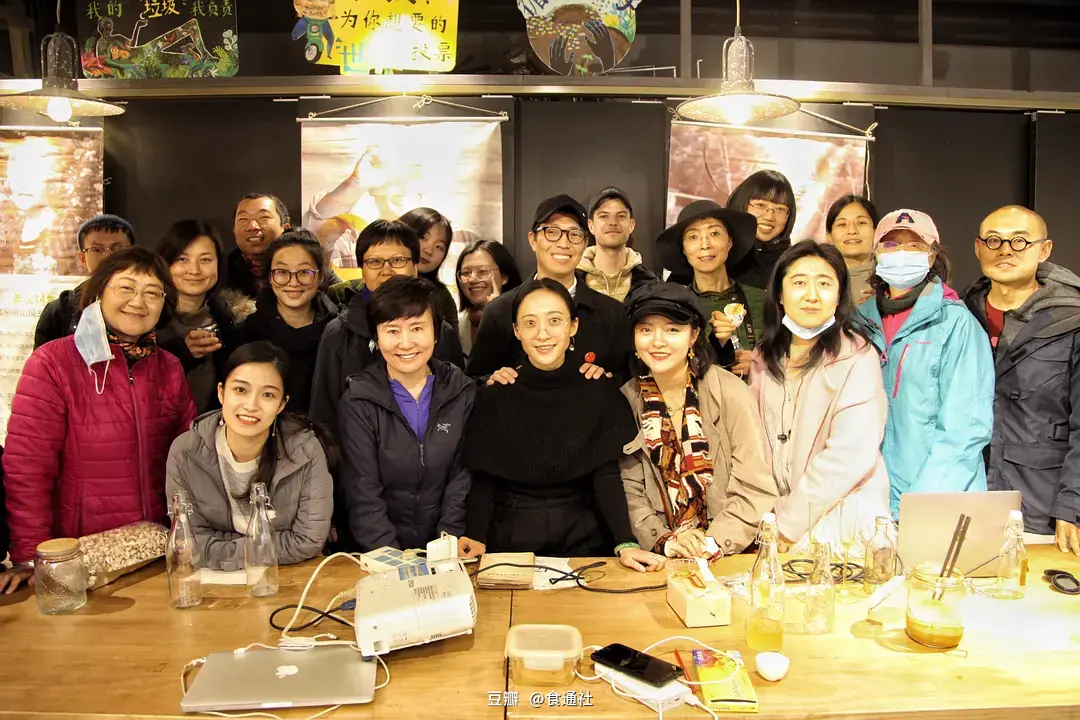
In March 2021, Foodthink invited Shu Yu and Kiwon from Happy Lab to share their explorations into kombucha fermentation. Image source: FoodthinkWhat are you waiting for? Dive into kombucha brewing and treat your friends to a delicious sparkling drink! Image source: Happy Lab
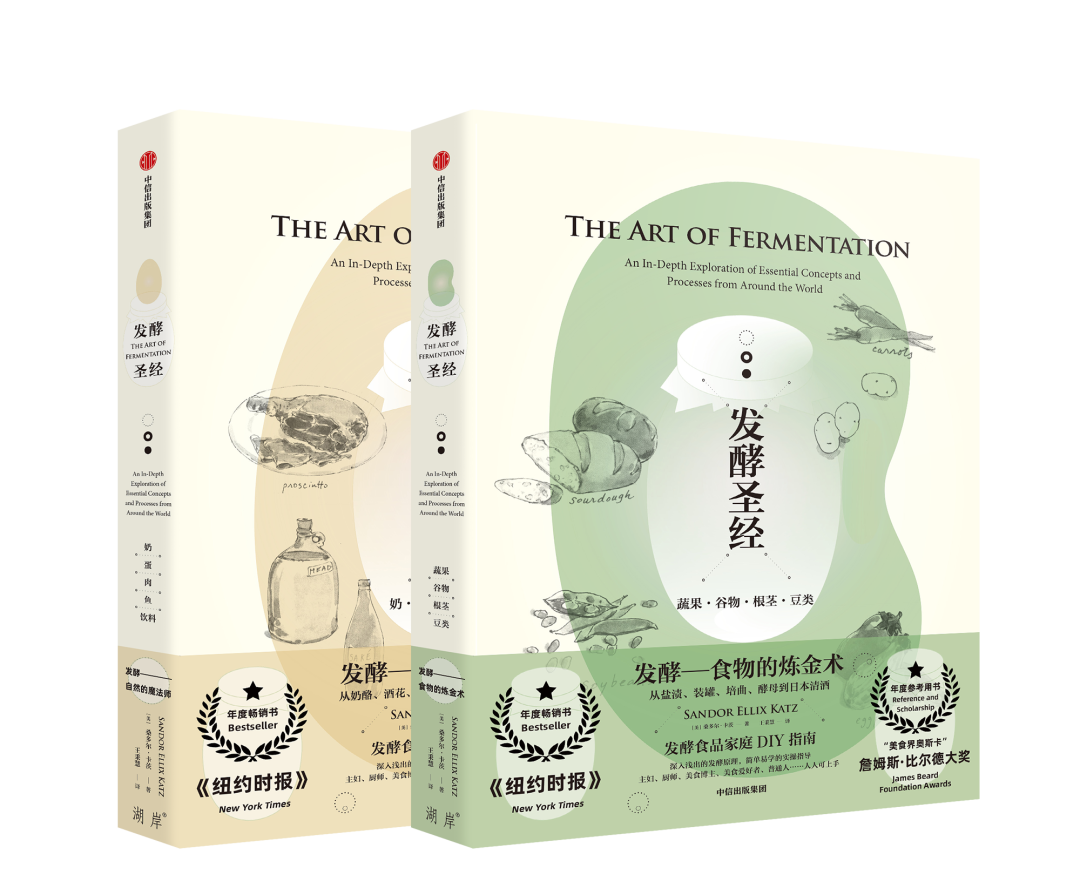
*The Fermentation Bible* Author: Sandor Katz (USA) Produced by: Lake Shore Culture Publisher: CITIC Press Group Translator: Wang Binghui Publication Date: 20 April 2020
22 October
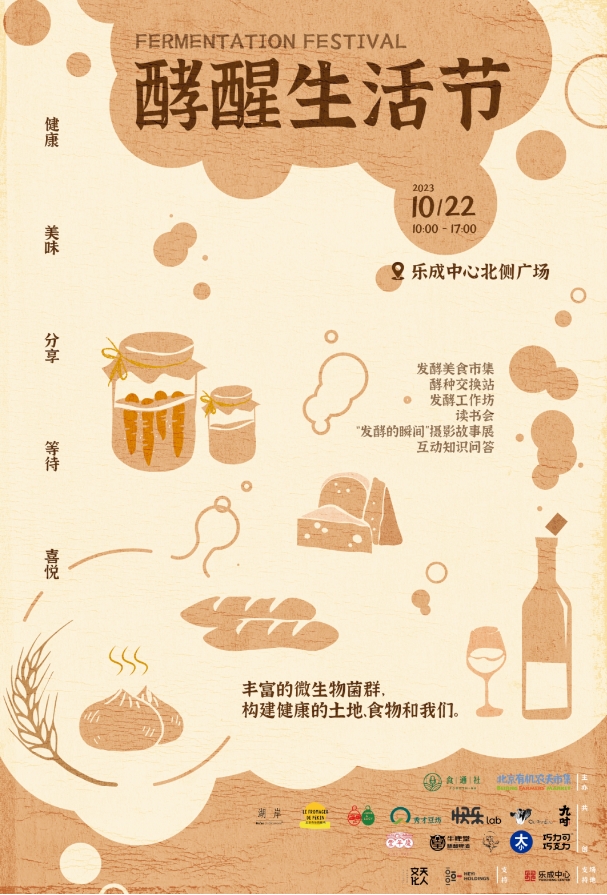
Visit the ‘Fermentation Awakening Festival’ market at Lecheng Centre in Shuangjing, Beijing
and taste Happy Lab’s kombucha!
About the ‘Fermentation Awakening Festival’Civilisations from mountainous regions, plains, and coastlines have independently turned to fermentation as a means of preserving food and enhancing diets. Fermented foods bring people closer together, allowing us to reclaim our right to individual and locally made foods in an era dominated by monotonous industrial produce and ready meals.
On 22 October, the ‘Fermentation Awakening Festival’, co-hosted by Foodthink and the Beijing Organic Farmers’ Market, will officially kick off! In addition to the fermentation market on the 22nd, a series of exciting events will run until the end of December: Foodthink will release a new episode of *The Alchemy of Food* weekly, featuring illustrated tutorials on how to make ten types of fermented foods, including kombucha, cheese, and fermented chillies. In November, we will also partner with Lake Shore Culture to host a reading group for *The Fermentation Bible*, inviting fermentation enthusiasts from around the world to read along with us and share in the joy of fermentation.
Over the next two months, co-creators of the ‘Fermentation Awakening Festival’ will also host a variety of fermentation-themed events at their restaurants, cafés, bookshops, and more, exploring the magic of fermentation together. For more details, please keep an eye on Foodthink’s upcoming event listings. This autumn and winter, let’s awaken your lifestyle through fermentation!
Fermentation Awakening Festival
– Hosts –
Foodthink Beijing Organic Farmers’ Market
– Co-creators –
Lake Shore Culture Bule Cheese Yi Jian Bakery Xiucai Tofu House