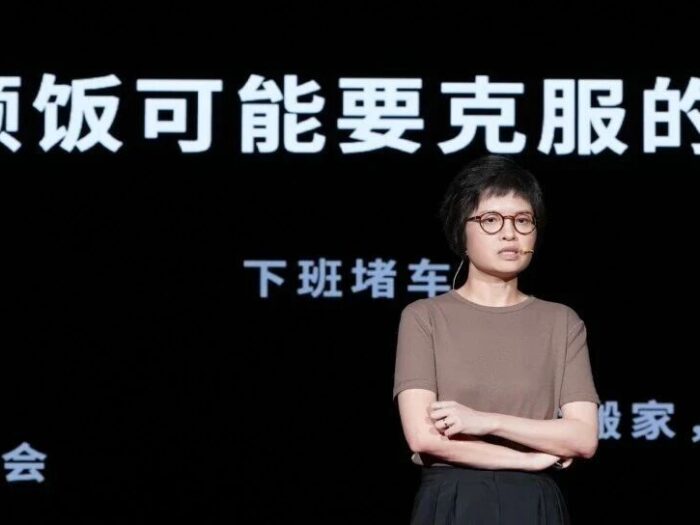
Food writer Chen Yuhui recounts in her Yixi talk how overtime and takeaway have gradually pushed cooking out of life — from having no salt to cook with during lockdown to a reader dismissed for cooking — asking how much of the connection between people and food remains.

Refrigeration, grading and branding freed “freshness” from season and distance, shifting bargaining power from butchers and smallholders to processors and supermarkets. The local-food movement has tried to reverse course, yet remains constrained by scale and cost.
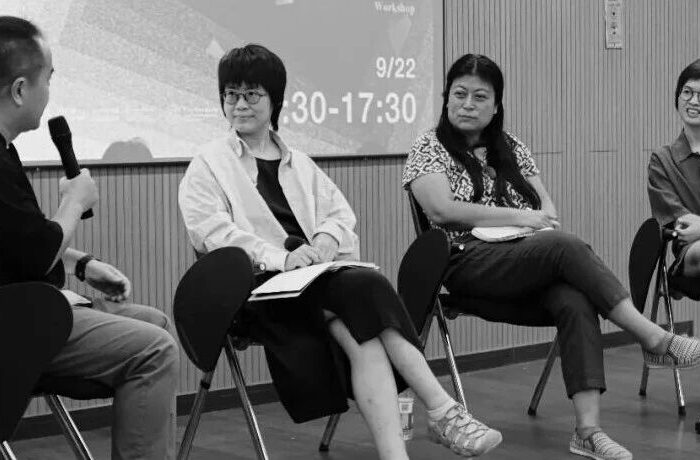
25 key points from a dialogue at Ningbo University’s Editorial Consciousness Workshop between Foodthink’s Chang Tianle, food writer Chen Yuhui and Associate Professor Hu Fang (China Academy of Art): menu design, recipe writing, food and agriculture media’s public role, and long-form writing’s value in the AI era.
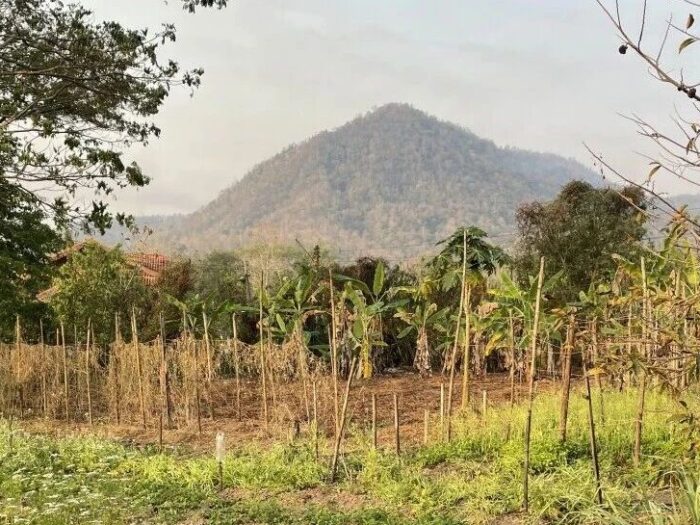
Starting from a small cooperative of ten farming households, Mae Tha village in Chiang Mai rebuilt organic cultivation and direct sales to consumers. Matthana, daughter of the late leader Poh Phat, and returning young people are carrying this autonomy forward as a shared family and village endeavour.
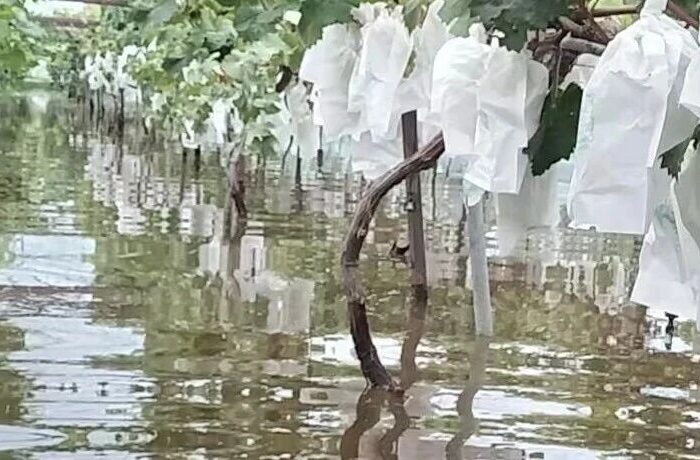
Beijing Organic Farmers’ Market ecological smallholders have this year been struck one after another by hail, torrential rain and heat, losing blueberries, tomatoes, grapes, garlic and ginger to widespread or total crop failure; past a threshold, pesticide-free growers are pushed towards polytunnels, plastic mulch film and chemical control.
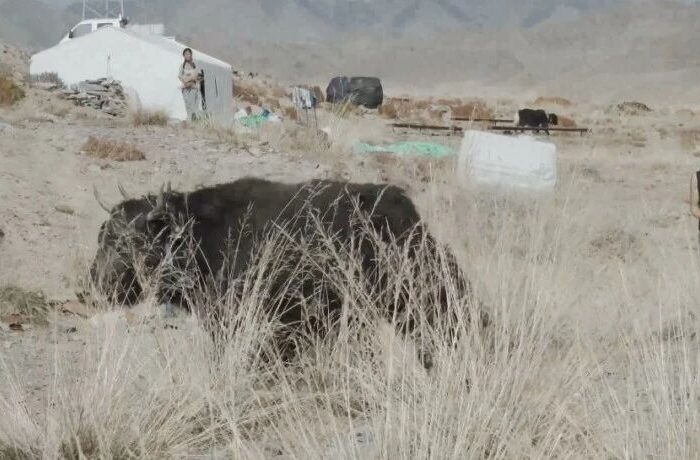
After the Chengdu screening of Whose Table, Whose Pasture on 4 October, Wu Xiaohong and Gadu Drolma joined the audience in a discussion on how imported frozen meat is hitting pastoral areas, from fattening and breed improvement to consumers’ unease about what to put on the table.
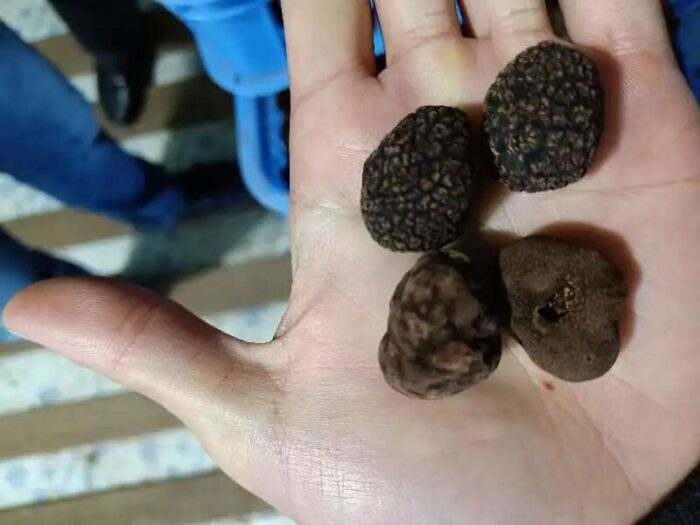
Yunnan villagers once roasted truffles in charcoal alongside potatoes. A Chinese Academy of Sciences mycologist and a young Yi returnee from Chuxiong point out: Chinese truffles are no less flavourful – but predatory harvesting has slashed yields in some producing areas by nearly 90% compared to twenty years ago.
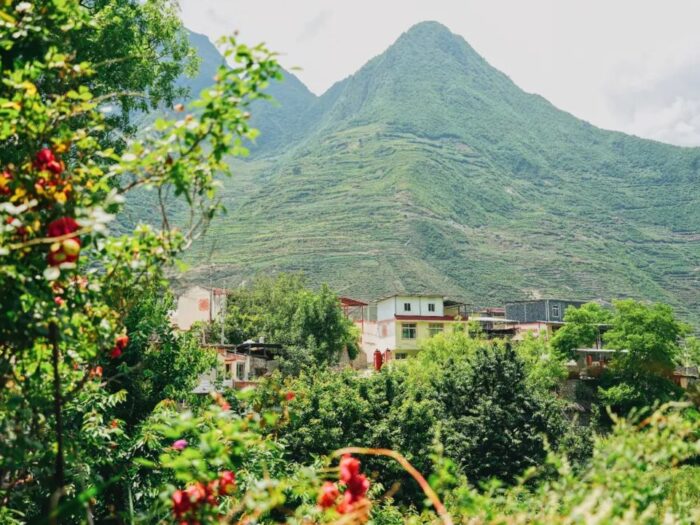
In Koushan Village, Wenchuan – a Qiang settlement rebuilt on its original site after the earthquake – fruit farmer Adong bags, sorts and livestreams on steep slopes at 1,500 metres, sending sweet cherries and plums box by box to strangers on the other side of the screen.
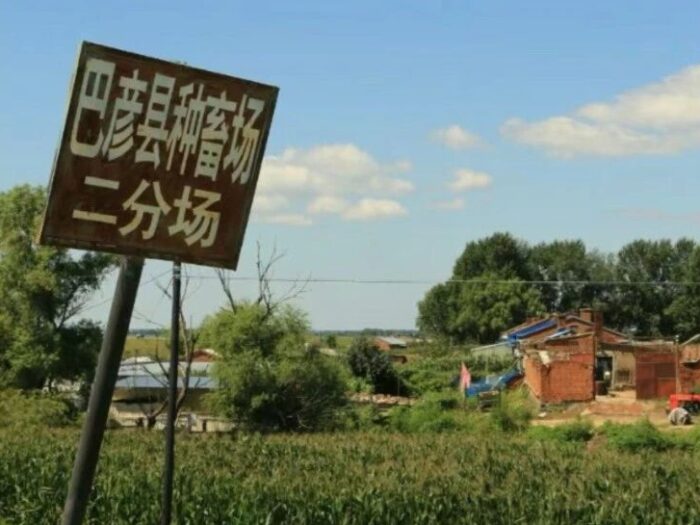
A young Zhenhua Village native, back in Bayan County to plan a wedding, finds over seventy households reduced to fourteen, only two relatives’ homes left for a roof, and Great-Uncle talking of spending his old age in town once he cannot carry the firewood.
At Gudao Xifeng Manor in Haidian, Beijing, Brother Daotian — not formally trained — sustains a business on pesticide-free ecological farming and over a hundred mu of sublet plots, while more than half of shared garden projects nationwide remain deeply in the red.