
In 1922, eight tourists died from Clostridium botulinum in duck pâté at Loch Maree, Scotland, and panic spread. Microbiology and market forces converged: corporate advertising, hygiene certification and the Pure Food and Drug Act combined to push home fermentation, step by step, out of the kitchen.
Mother wept before the sauerkraut crock in the abandoned courtyard of the family home in Heilongjiang. Back in Beijing, this generation dug out Fermented Food and pickled their first-ever crock of sauerkraut.
Drying sweet potato starch, steaming rice cakes, brewing red yeast rice wine, preparing winter bamboo shoots — Songyang’s New Year’s Eve dinner takes all winter, on Braid Granny at the market, nearly thirty years of Sister Zhuhua’s cakes, forest ranger Xu Yeyin’s wine vats, and the Grandpa Li couple.
A bottle of twenty-year-old mother brine brought from Changsha, a handful of sourdough starter passed down through several generations by a friend — in my kitchen in Berlin, these microbes reconnect me with home, friends and the four seasons.
Guizhou sour broth, Shanxi Naotou breakfast soup, Kunming eggplant za, Wuyuan Qigao (Wuyuan steamed rice cake)… Fermentation most vividly reveals a region’s local flavour and customs. This holiday, follow diners’ hometown memories and seek out the tangy aroma in jars and crocks across the country.
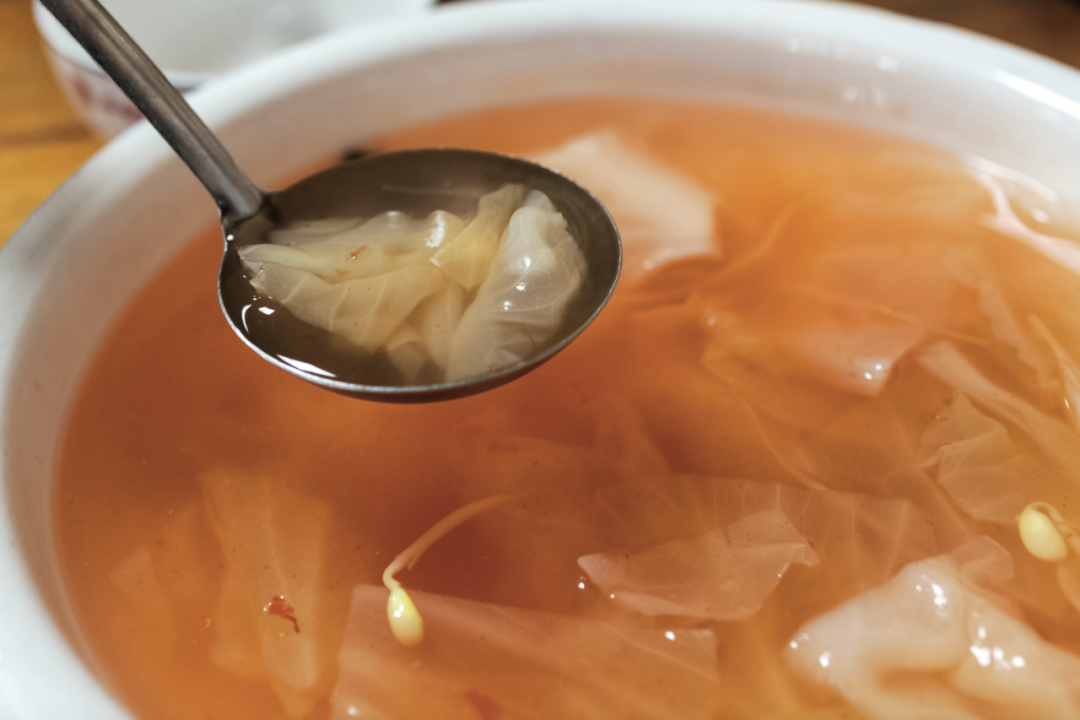
In the salt-scarce, damp highlands, the Miao ancestors who migrated south to Yunnan-Guizhou replaced salt with fermented sourness. From rice-water white sour soup to tomato-and-chilli red sour soup, it has seeped into daily meals and festival rituals across all Guizhou’s peoples.
Zhang Kai of Fenye Brewing and Xu Xin of Mars Elephant Lab use a single grain to bridge brewing and baking—from spent-grain biscuits to an Earth Day beer brewed from leftover bread from ten Beijing bakeries—reflecting the practical challenges of the local grain supply chain.
In Texas, a home kitchen can legally sell homemade baked goods after completing a $15 online hygiene course. Zhang Yiqing began there, aiming to build organic food exchanges among neighbours and asking what kind of food law leaves room for small producers.
Since 2018, Inner Mongolia has pushed its “Dairy Revitalisation” policy, yet small dairy-food producers in Senggendalai Town are trapped: standardised upgrades cost hundreds of thousands of yuan, far beyond herders’ per capita annual income of just over 20,000, while natural fermentation’s traditional flavours fade in mechanised mass production.
Sun Shan runs an ecological farm and fermentation kitchen in Ottawa. Eight years of daily vegetable-growing and sauerkraut-making embody Sandor Katz’s vision in The Art of Fermentation: fermentation is not just food preservation, but a way to rebuild connections with microorganisms, the land and the community.


