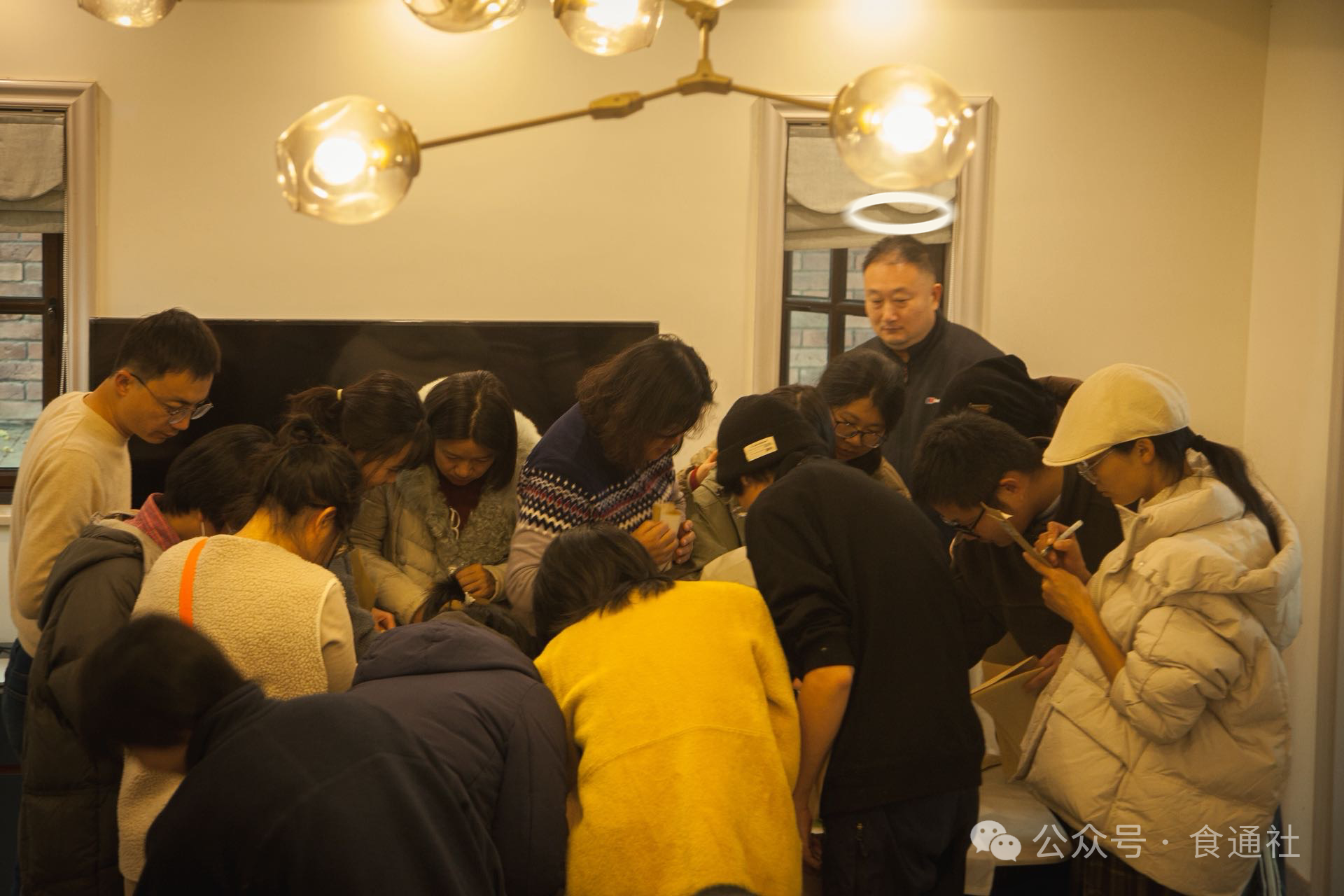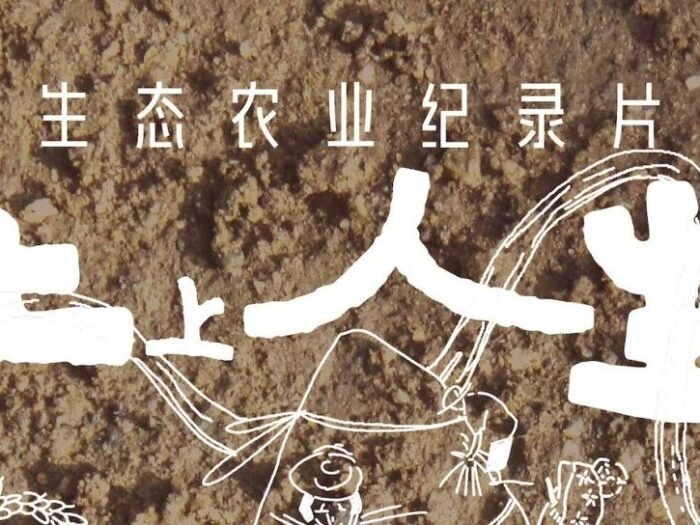
Three young directors with a China–France perspective plunge into rural China, following in six episodes Mum Hu, Chen Xi, Fanli, Dahai and other ecological farmers who left old lives to re-root in the land. The Life on the Land team meets audiences after two Beijing screenings, 12–13 September.
Author of The Vanishing Bees, Professor Lü Chensheng of Southwest University, begins with Colony Collapse Disorder at a Foodthink talk, discussing the ecological and health risks of pesticides entering the food chain from seeds, and seed companies’ influence on agricultural policy. 31 May afternoon, Beijing + online.
Guanqi of the Farmer Seed Network died unexpectedly on a work trip in Qinghai. Foodthink’s friends set down who he was: the group’s “study representative”, a craft beer lover, an unsung hero of seed conservation — and the friend who made sure no one was ever alone.
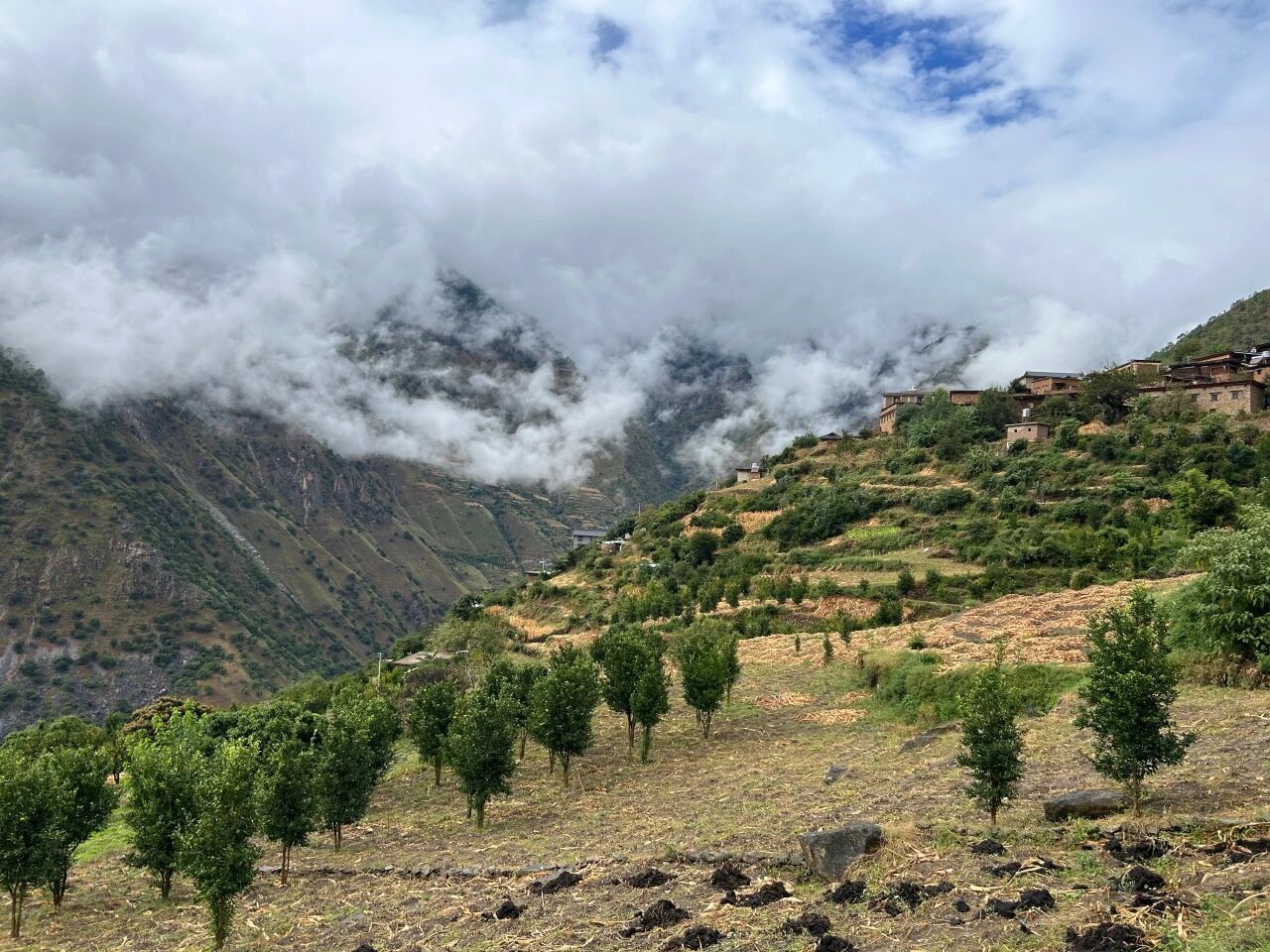
The women who stayed behind in Youmi Village, a Mosuo settlement in Lijiang, are using Sickle-grain rice, an old upland rice variety from the Jino, to grow rice again on hillside slopes growing ever drier—and to keep alive the cultural memory behind rice farming.
In far-flung Beijing, Uncle Li bought two bunches of winter-keeping leeks at the open-air market twenty-odd years ago. Selecting the best, crossing varieties, treasuring storm survivors—he saves seed; the white stems stretch and thicken. Buyers agree: no one round here growing leeks comes close to old Li.
From Qiandongnan to Baoding, from Thailand to the Philippines, seed-saving farmers and seed workers guard old varieties amid the standardised expansion of hybrid seed, questioning who has the right to decide what we grow and what we eat.
Foodthink and Beiye Books’ online book-club on Vanishing Foods: from the Ark of Taste, with 6,592 endangered varieties, and Norway’s Doomsday Vault, to Wangjingzhuang, Shexian, Hebei farmer Liu Yurong letting a Little White common bean idle for eight or nine years take root again in the Taihang Mountains.
Home Action director Hu Xiaoping on how Sichuan’s project villages have responded to extreme heat — from recovering heirloom varieties to cutting growing costs — and how climate change forces them to rethink what agriculture means for their lives.
Aged 61, Sun Wenxiang carries fertiliser, weeds and raises pigs in Qilong Village, Hongya County. He has preserved more than 12 heritage rice seed varieties yet receives no policy subsidies, and whether his daughter will take over remains uncertain.
After the 2019 Rice Tariffication Law abolished import quotas, the paddy procurement price fell from 20 pesos to 14 pesos while middlemen sat back and profited; smallholders in Mindanao are now reclaiming autonomy over production through participatory plant breeding.