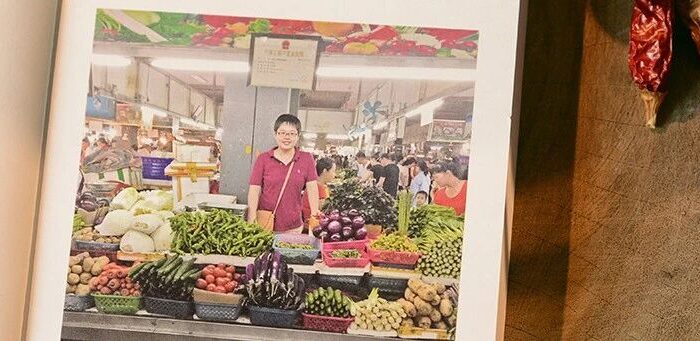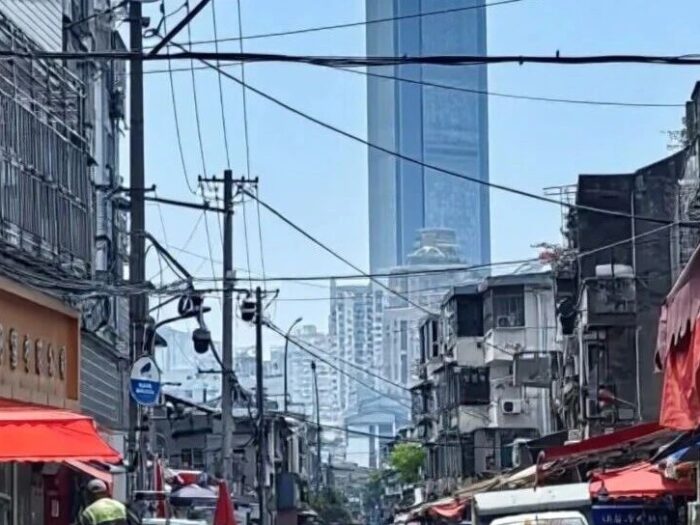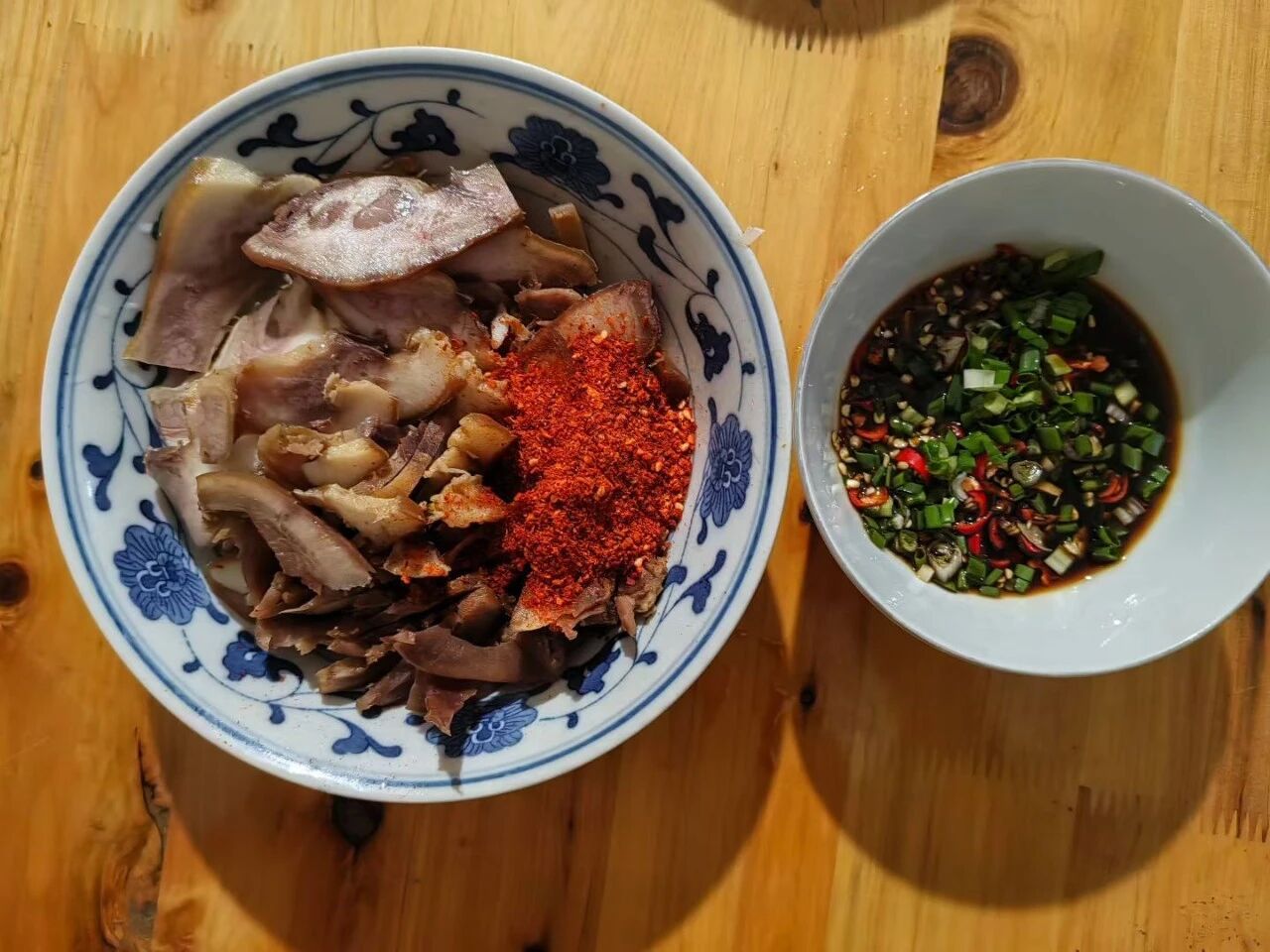
Two hours at Shahe Fair in Changping, a bag of Pinggu peaches in hand: Zhong Shuru notes young people’s thrill of “once you step in, you can never leave”. In her Market Research Group, browsing markets is shifting from novelty check-ins to reading food and the city.
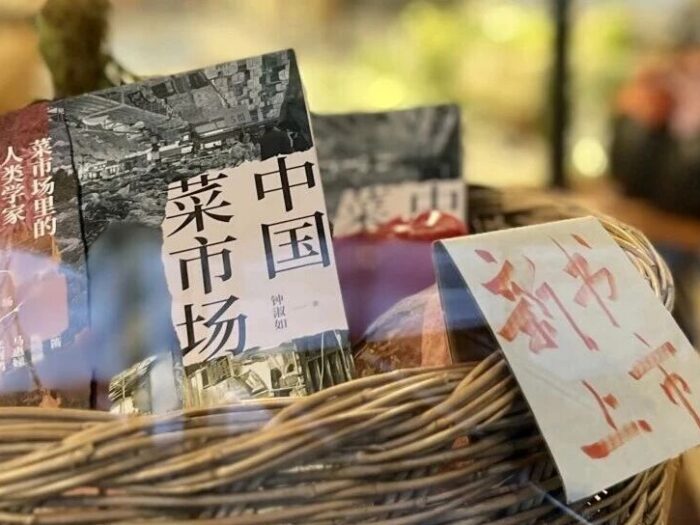
Zhong Shuru, author of China’s Wet Markets, brings her new book to Beijing, Saturday (22 August): a morning browse of the Organic Farmers’ Market, then an evening talk on wet market resilience and future at Jiantou Bookstore. Ten years, 200+ wet markets of fieldwork. Online or in person.
After Shu’er’s autism diagnosis at five, her mother turns market trips into the routine by which this girl of narrow interests maintains social functioning and prevents regression. From dreading stray dogs to watching fish shaved thin at the stall, she grows up amid ten years of market clamour.
Anthropologist Zhong Shuru once took on the role of a “fishmonger” at Hainan’s Yefeng Market, spending fourteen months of fieldwork amid the stink of fish and sweat. Excerpted from the prologue to Chinese Wet Markets, this article records her first encounters embedding herself in stallholders’ daily lives.
From the decline of Huanglong Wholesale Market to holding her ground at Shuangjingtou Wet Market, fifty-year-old Xu Yunyan supports her family through a ginseng and antler dried goods shop. Refusing e-commerce and livestreaming, she relies on word of mouth and serves only retirees.
In recent years, Foodthink has tracked e-commerce platforms’ impact on food and labour: “ghost-kitchen delivery” made by platform subsidies, order pickers at 30,000 steps for 3 fen, Guangzhou wet markets squeezed by fresh-food e-commerce, 100 million daily orders in layers of plastic, and worldwide practices exploring another possibility.
On a xu day in Lihu Yao Ethnic Township, I bought hemp seeds, sour meat and stuffed tofu with the White Pants Yao, then watched pao sha winding and golden silk silkworms spinning at the wall-less Ecomuseum — one market linking farming, weaving and the whole valley’s daily life.
In 1995, my nan set up this sold-by-weight condiment stall at Yijing Market in Wuzhou. Since mum took over, she remembers each regular’s usual soy-sauce brand — and from dawn opening to late-night spice repacking, one busy stretch lasts twelve hours.
The year grandmother opened the shop, customers still brought empty drink bottles to fill with loose soy sauce; now mother hands regulars their usual brand from memory, while the daughter far off in Wuxi returns each Chinese New Year for a few days as the stall’s “second-in-command”.
This Chinese New Year, villagers in Wutong Village, Weiyuan, carried bamboo baskets to market before dawn, steamed rice over a wood-fired stove, and spent five hours on a dish of native crucian carp, pinching pea shoots for shao bai and meatball soup. Twenty rural days: humble ingredients, labour-intensive cooking.