Next to the Viral Street, a “Slow” Business Holds Its Ground in a Wenzhou Wet Market

Amid the relentless pace of change in our times, wet markets have, for various reasons, found themselves in difficulty. Some cannot escape the inevitable fate of closure, while others have been preserved for the convenience they bring to neighbourhoods. Wenzhou’s Shuangjingtou Wet Market is one of the latter. In a commercial landscape reshaped by e-commerce, fresh-food supermarkets and other emerging retail formats, one cannot help but wonder: will those who still trade in wet markets embrace e-commerce, or will they remain anchored in that small, familiar world the market provides?
The Largest Dried Goods Shop in the Wet Market
In the early 1980s, a market run by roving street vendors arose spontaneously in Shuangjingtou New Village and its surrounding neighbourhoods, eventually evolving into a roadside wet market. Running east to west, the road is a narrow lane, 450 metres long and 6–8 metres wide. On an ordinary day, two pedestrians and an electric moped can barely squeeze past each other side by side; on public holidays, when the lane is crammed with street vendors, only a single person can pass through.
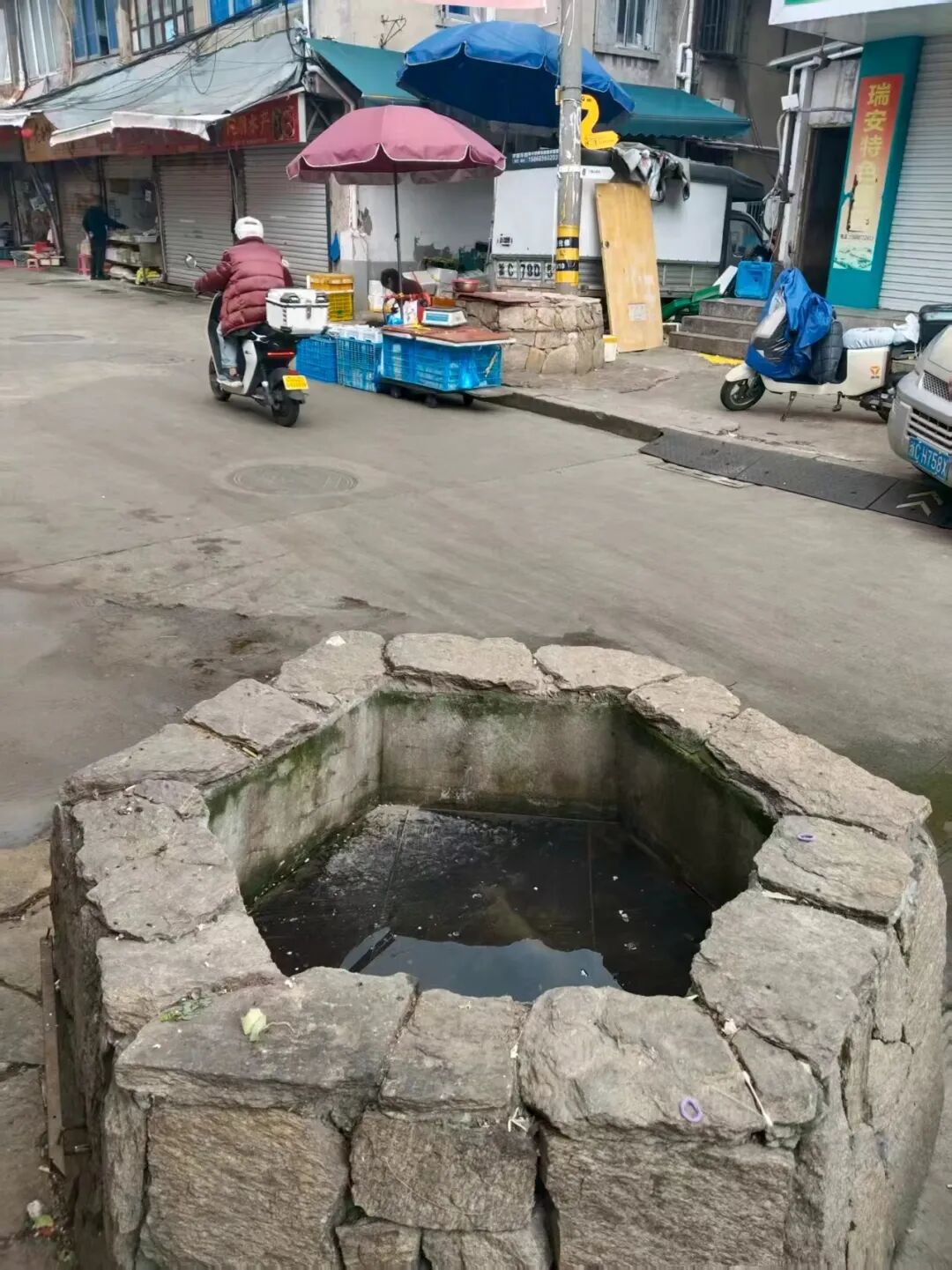
◉ Shuangjingtou Wet Market takes its name from two wells. In keeping with this origin, the renovated Shuangjing Fang adopted the English name “well well”. Photo: Foodthink
Owing to the proliferation of roving vendors, the dilapidation of the fixed stalls, and the narrowness of the passageways, the district government planned to demolish and relocate this open-air wet market in both 2017 and 2021. At the time, some shop owners, unable to withstand the lobbying pressure from the commerce bureau and the sub-district office, moved to Puxieshi Agricultural Market.
Puxieshi Agricultural Market is an indoor wet market, separated from Shuangjingtou Wet Market by no more than a single road. The cheapest annual rent for a single stall there is just a few thousand yuan. By comparison, annual stall rents at Shuangjingtou Wet Market generally range from 100,000 to 200,000 yuan, placing them on the higher end for Wenzhou’s urban area (Lucheng District).
Although the rent is far lower than at Shuangjingtou Wet Market, prices there can sometimes be even higher. “Nowadays there are hardly any customers over there, so the stall owners charge more. The pricier things get, the less they sell. If your cost price is 5 yuan and half the goods are lost to spoilage, the effective cost per sellable unit becomes 10 yuan. So you might end up buying something that is neither fresh nor cheap,” said Xu Yunyan, who sells dried seafood at Shuangjingtou Wet Market.
Most roving vendors and shop owners who wanted to stay behind relied on “street wisdom”: they worked out the patterns of the urban management officers’ random inspections and waged “guerrilla warfare”, retreating at once whenever the officers appeared.
Fortunately, when the sub-district office carried out a public opinion survey, the majority of residents opposed demolishing the wet market. The full-demolition plan for Shuangjingtou Wet Market was consequently abandoned in 2022 and replaced with upgrades to the environment and business formats alone, allowing the market’s traditional trade to carry on.
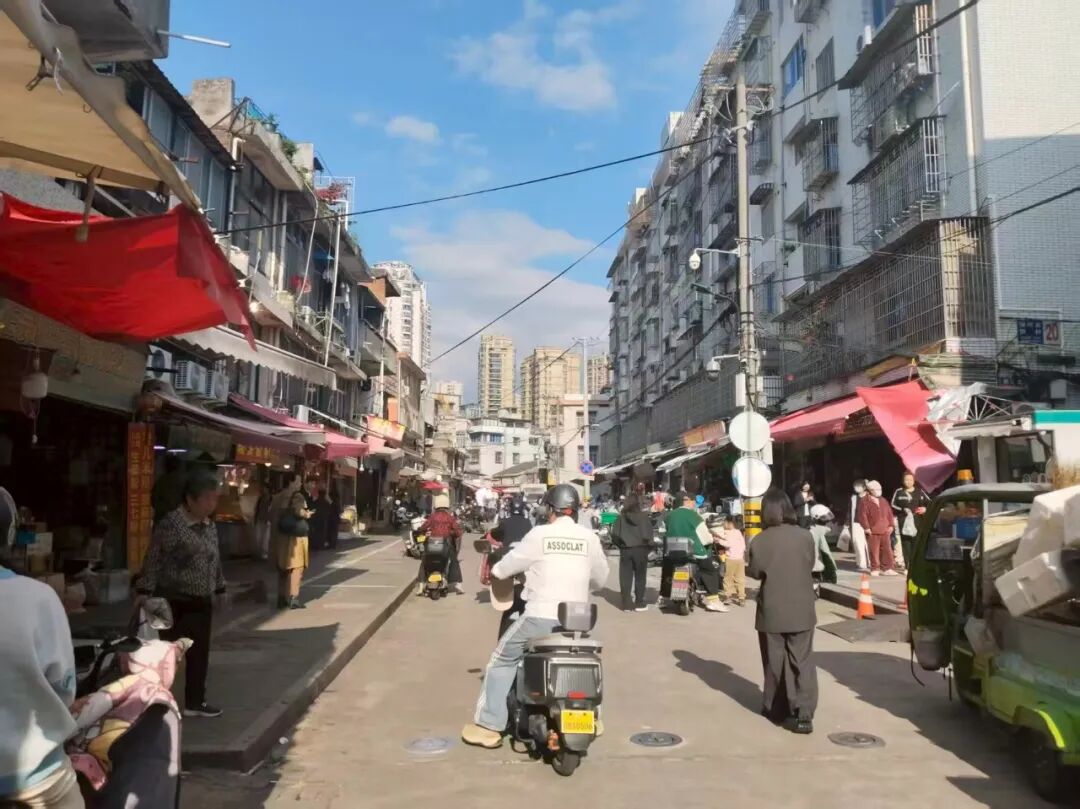
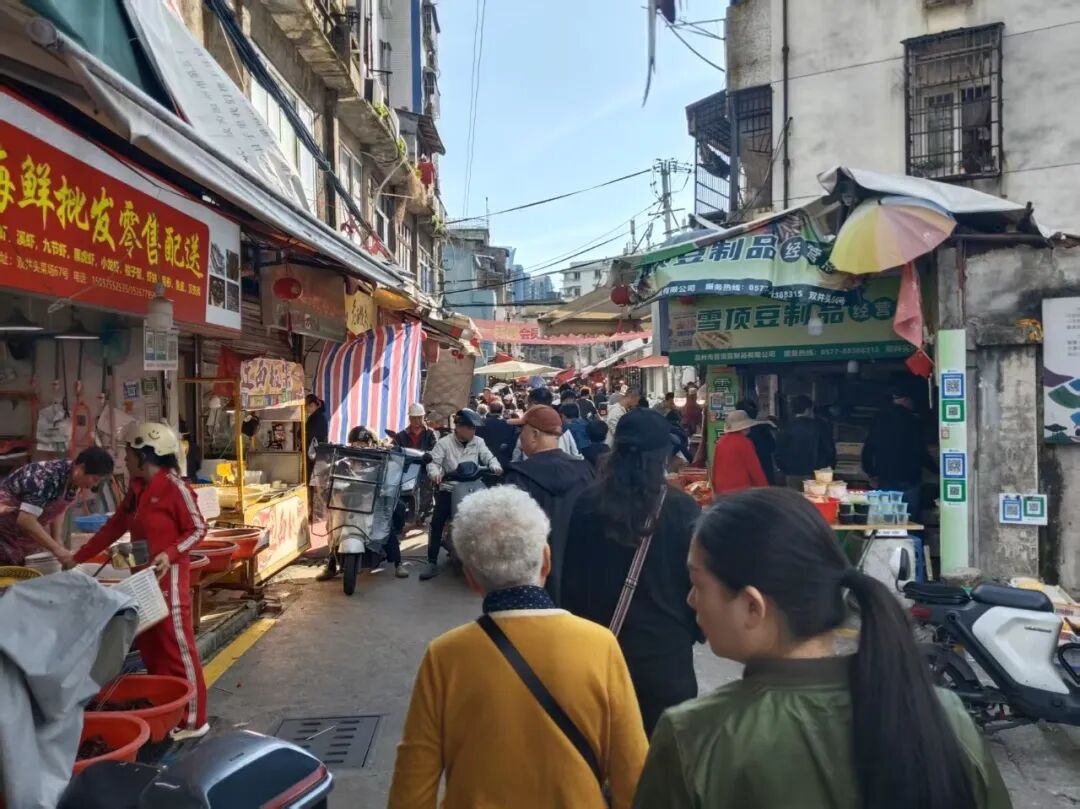
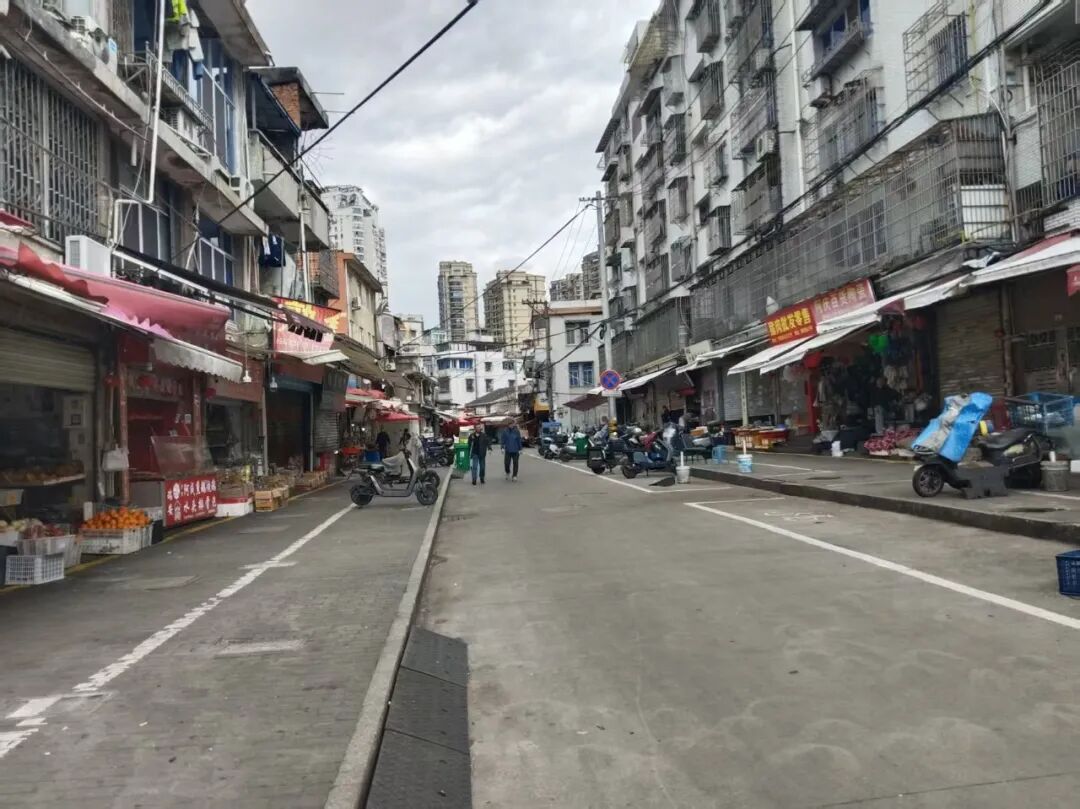
◉ These three photographs were taken during the busy and the relatively quiet periods at Shuangjingtou Wet Market. Photo: Foodthink
Today, Shuangjing Fang, spanning 50,000 square metres, has become a new must-visit landmark for cultural tourism in Wenzhou’s Lucheng District. Numerous restaurants, cafés and a small comedy theatre have opened there, and top stand-up comedians such as He Guangzhi have performed on its stage multiple times. Shuangjingtou Wet Market, meanwhile, forms part of the Shuangjing Fang street-culture district.
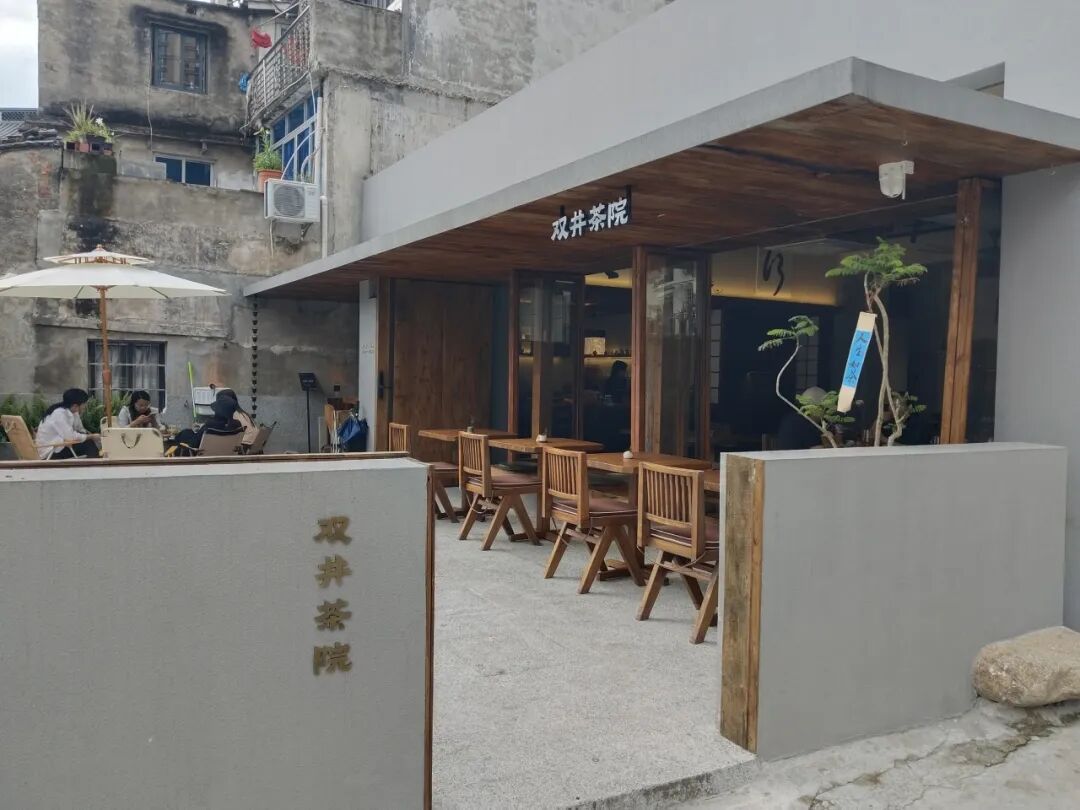
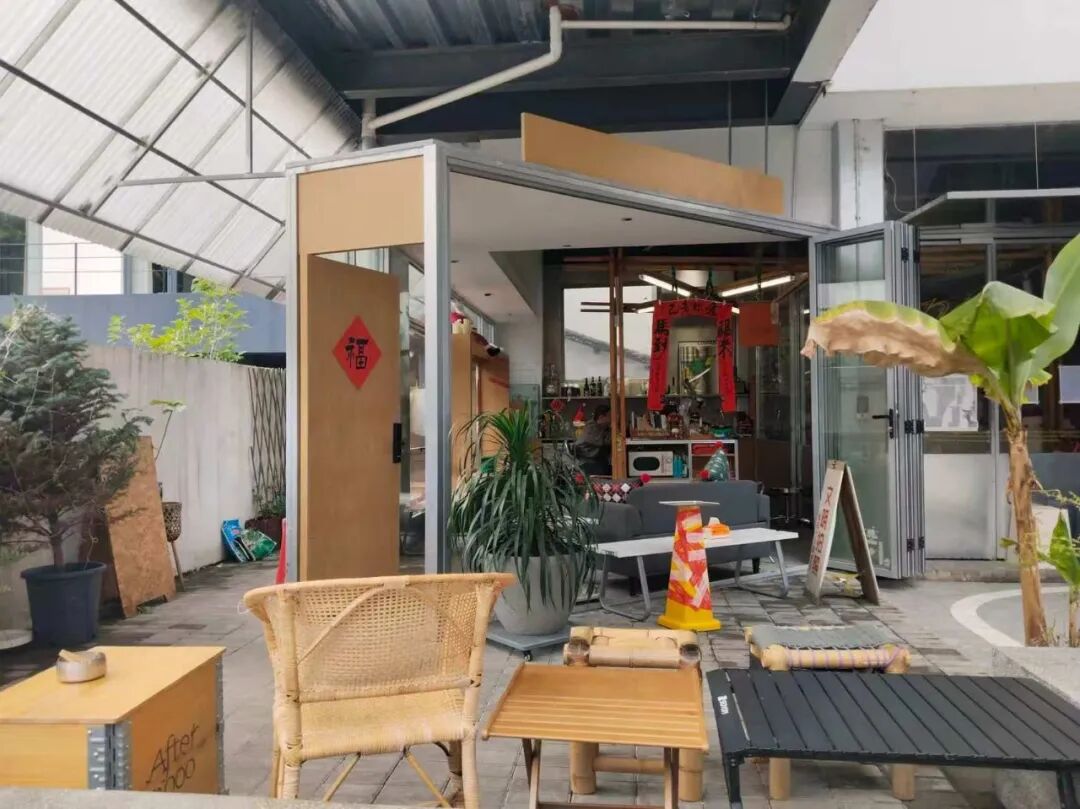
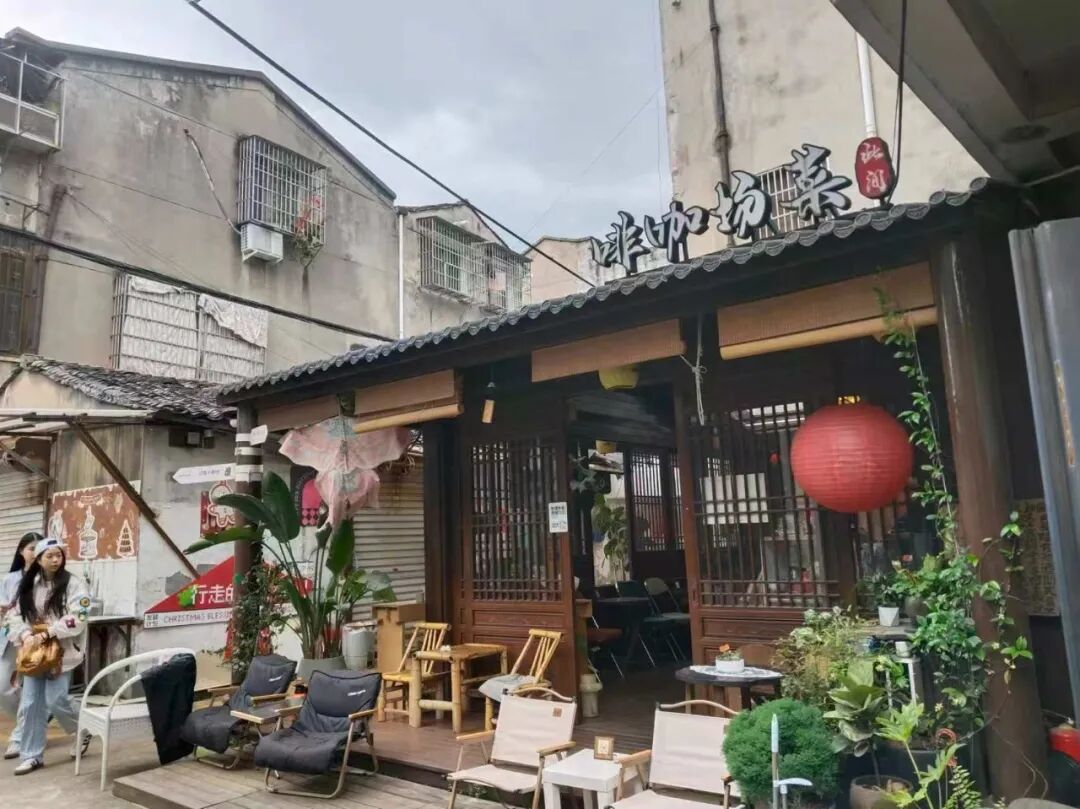
◉ The new business formats introduced after the renovation. Photo: Foodthink
But the two have not merged; there seems to be an invisible wall between them. Occasionally, on public holidays, a small wave of young, stylish visitors browsing Shuangjing Fang will stumble, by pure chance, into the bustling everyday street life of Shuangjingtou Wet Market.
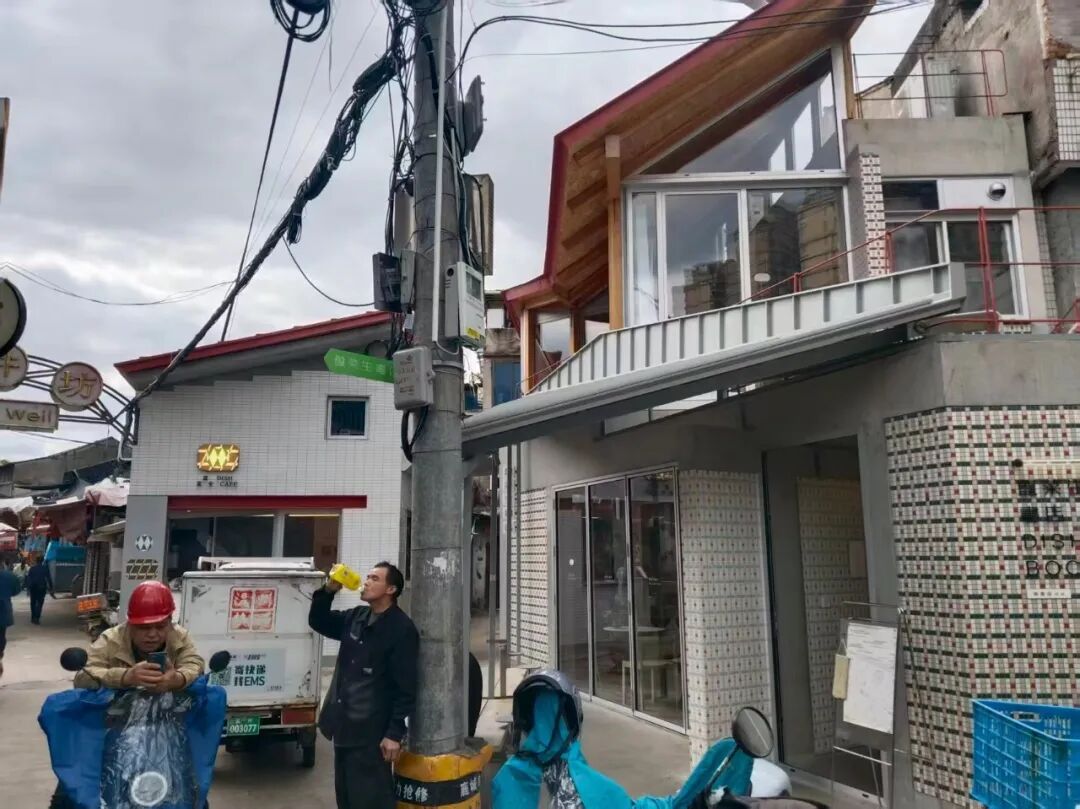
◉ The neighbourhood is essentially bisected by the viral Pan Caisheng Bookstore: on one side, the smoky, bustling warmth of everyday life at the wet market; on the other, trendy new ventures such as cafés and stand-up comedy shows that draw in younger crowds. The two sides rarely interact. Photo: Foodthink
“Shuangjing Fang has done nothing to drive traffic our way, and it has had almost no impact on our business,” said Yunyan. Right next to one of Wenzhou’s most popular photo spots, Xu Yunyan, holding her ground at Shuangjingtou Wet Market, still runs a traditional kind of trade.

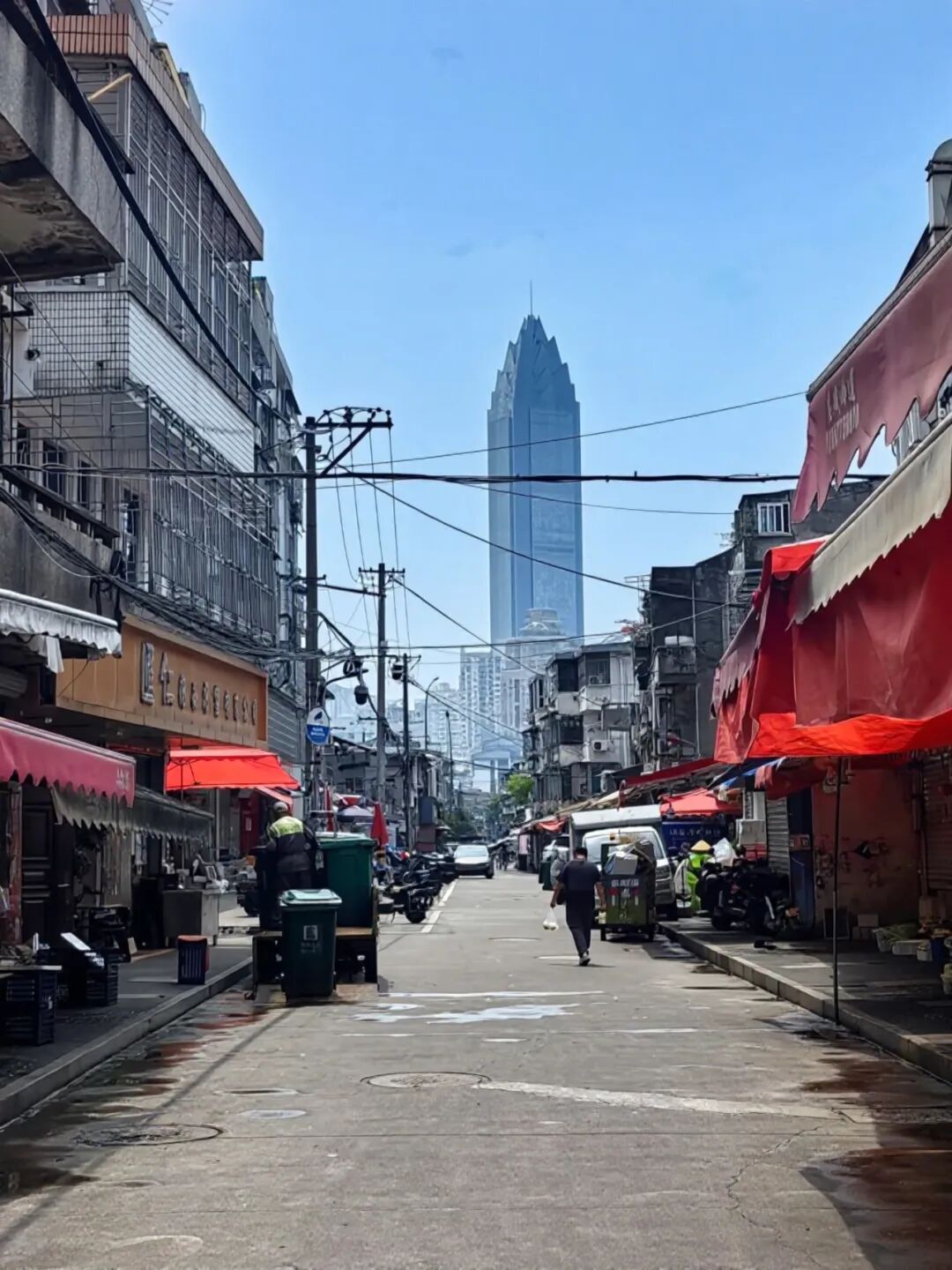
◉ Shuangjingtou Wet Market.
The Business Wisdom of the Wet Market
The shop jointly run by Yunyan and her husband Li Jian—the “Shuangjingtou Li Jian Ginseng and Antler Dried Goods Shop”—is the largest dried goods outlet in this wet market. At fifty, Yunyan is the backbone of the business, warm and outgoing by nature, quick on her feet.
Before the craze for fiery, bold flavours swept the nation, Wenzhou people preferred the fresh and the salty, and the briny sweetness of seafood suited their palates perfectly. Living by the sea, Wenzhou folk cannot live without pickled seafood snacks such as baidasheng and mud snails, any more than they can do without grander dishes like scallion-oil large yellow croaker and wine-braised mud crab.
All of these can be found in Yunyan’s shop. Among its wide range of affordable dried seafood, many items are priced no higher than 35 yuan a jin: dried salted shark, dried harpadon, baidingkou, dried small silver fish, dried clam meat, Dongtou laver, wakame, and more.
She sources most of her stock from Wenzhou’s own Dongmen Seafood and Dried Goods Wholesale Market. Buying from Dongmen costs only a few mao to one yuan more than the original manufacturers, so the margin is negligible. There is no need to deal with out-of-town producers herself, saving both time and trouble.
But when it comes to stock selection, Yunyan has her own knack. Cautious by nature, she will not follow the herd and buy in bulk when trendy dried goods such as Yunnan morels are in vogue, avoiding the losses that wild price swings can bring. Morels, which six or seven years ago peaked at over a thousand yuan a jin for the so-called Yunnan premium grade (the largest size), have since fallen to three or four hundred a jin.
“When I first started selling them, the media hyped them up, saying they could greatly boost the immune system. But then more and more people took up cultivation, and prices gradually came down. The actual demand for viral dried goods is not that big. People buy just a tiny amount for the novelty or as a gift. It is not like dried shrimp flakes, which people want to eat every day. Those everyday dried goods ingredients are the ones that actually sell in volume.”
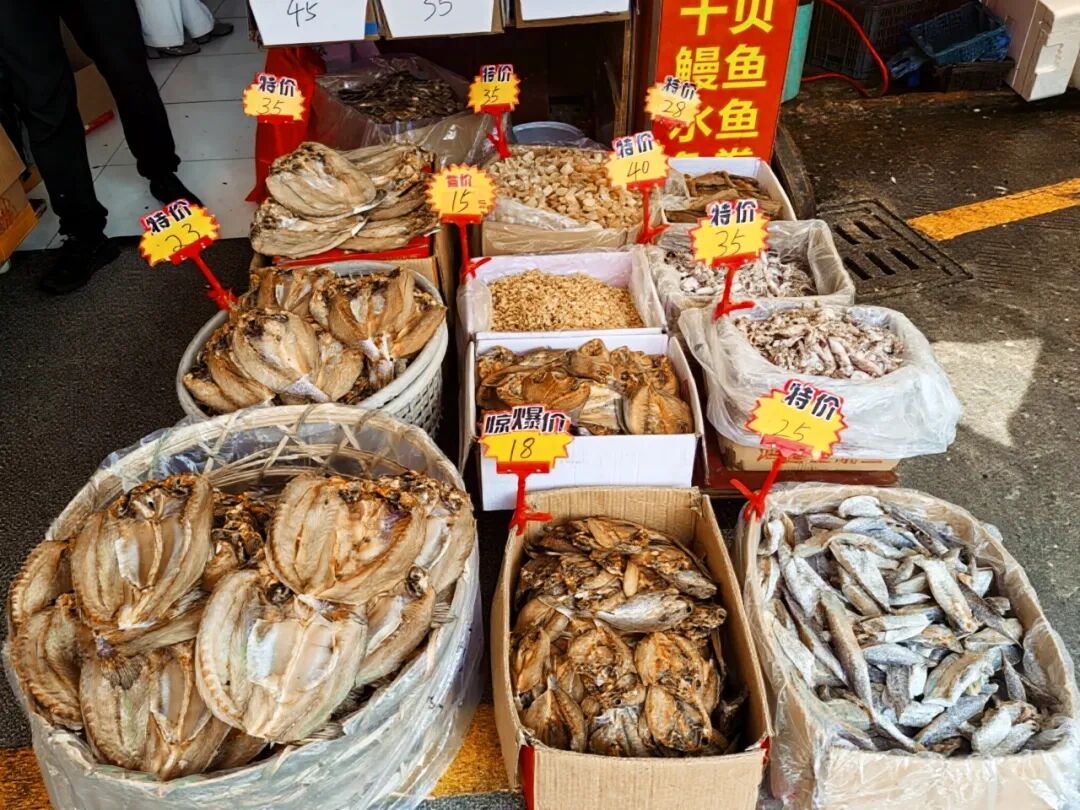
Dried seafood is a fast-moving product. During the annual fishing moratorium from May to August, dried salted fish, dried shrimp flakes, dried squid, dried baby squid, and cuttlefish are the best sellers. Once the moratorium lifts, from October through to the Spring Festival, dried salted eel comes into season. The cheapest semi-dried eel goes for just over 30 yuan a jin, while the best fully dried eel can fetch 80 yuan a jin at peak. But nowadays dried salted eel can no longer command such high prices—it rarely exceeds 60 yuan a jin. Loyal customers who love it will spend over a thousand yuan in one go to stock up enough for the whole year.
On top of that, the shop’s best sellers include Wenzhou specialities such as duck tongues, dried cuttlefish, dried shrimp, and Tengqiao smoked chicken. It stocks a year-round supply of traditional tonic herbs—American ginseng, Korean red ginseng, notoginseng, gastrodia, astragalus, and goji berries—as well as everyday soup ingredients like white sugar, brown sugar, rock sugar, mung beans, red beans, Job’s tears, red dates, purple southern jujubes for simmering soups, and golden-thread candied dates. At the higher end are fish maw, sea cucumber, and cordyceps.
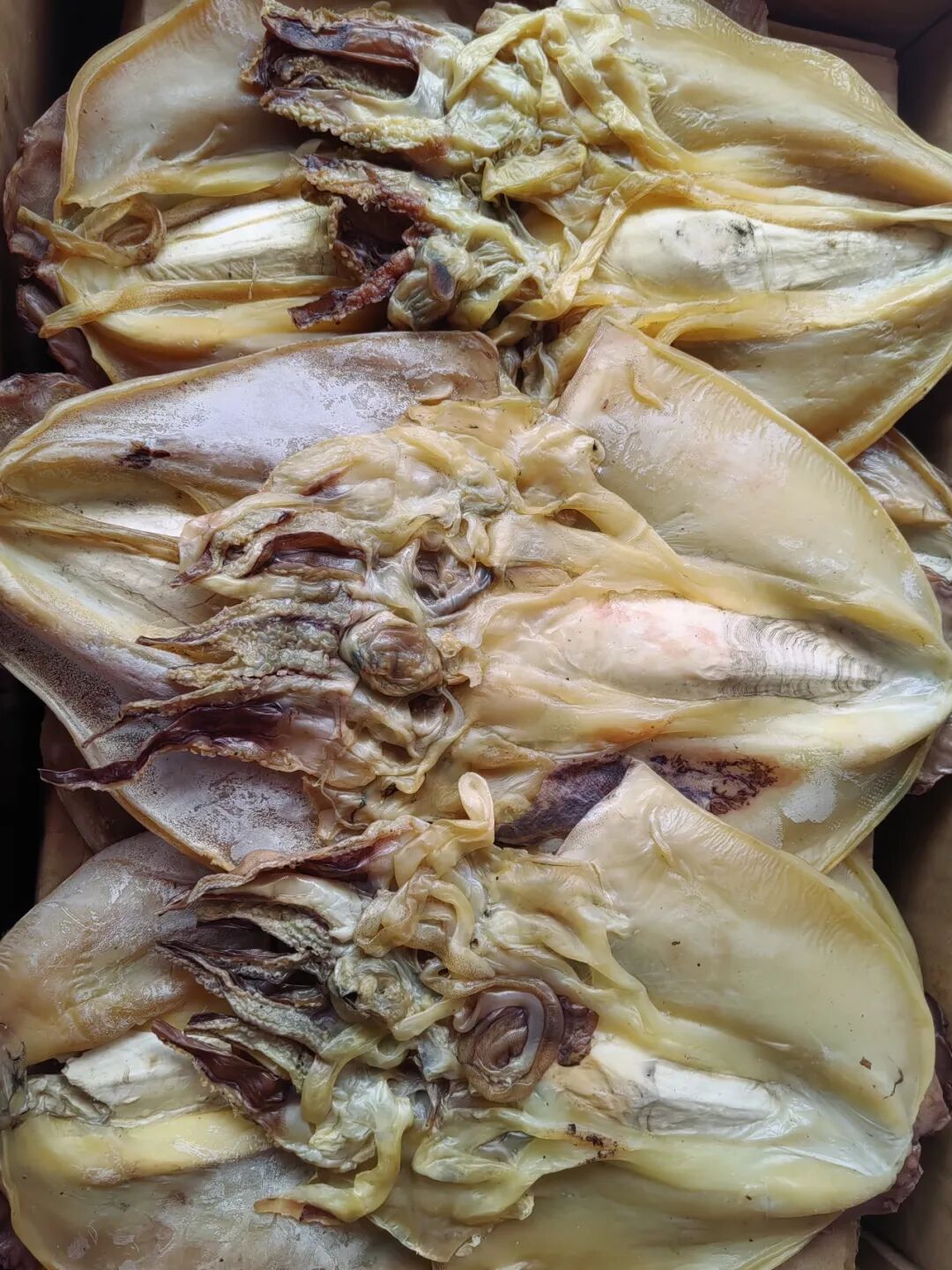
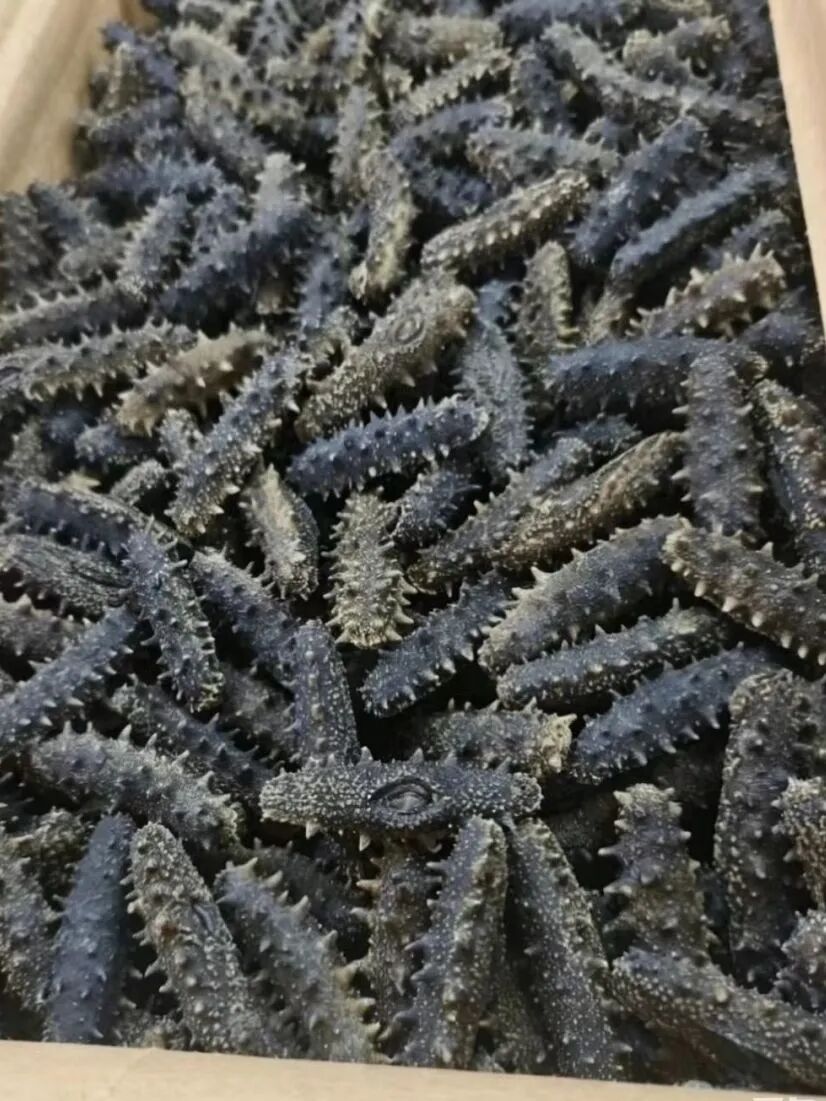
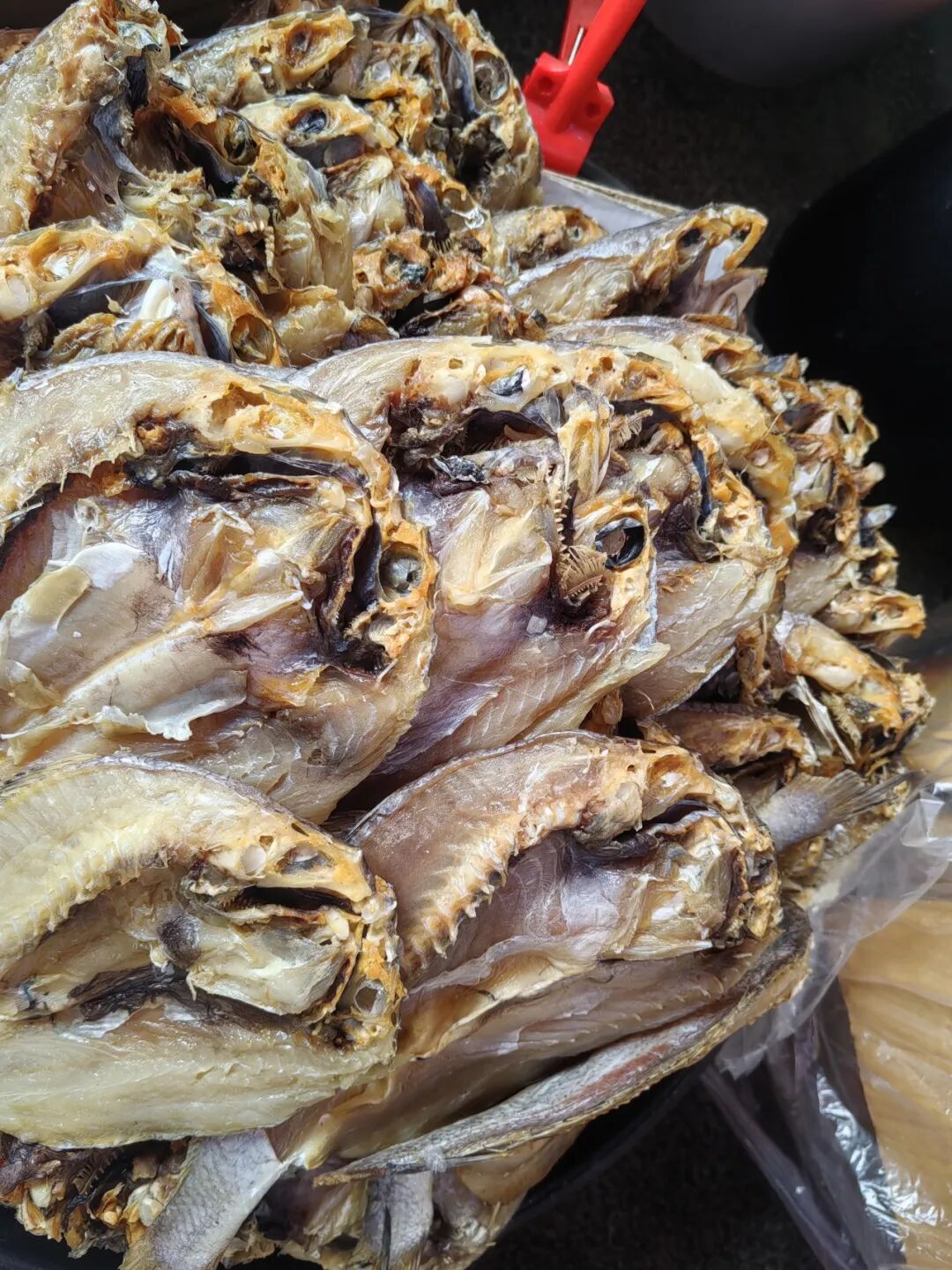
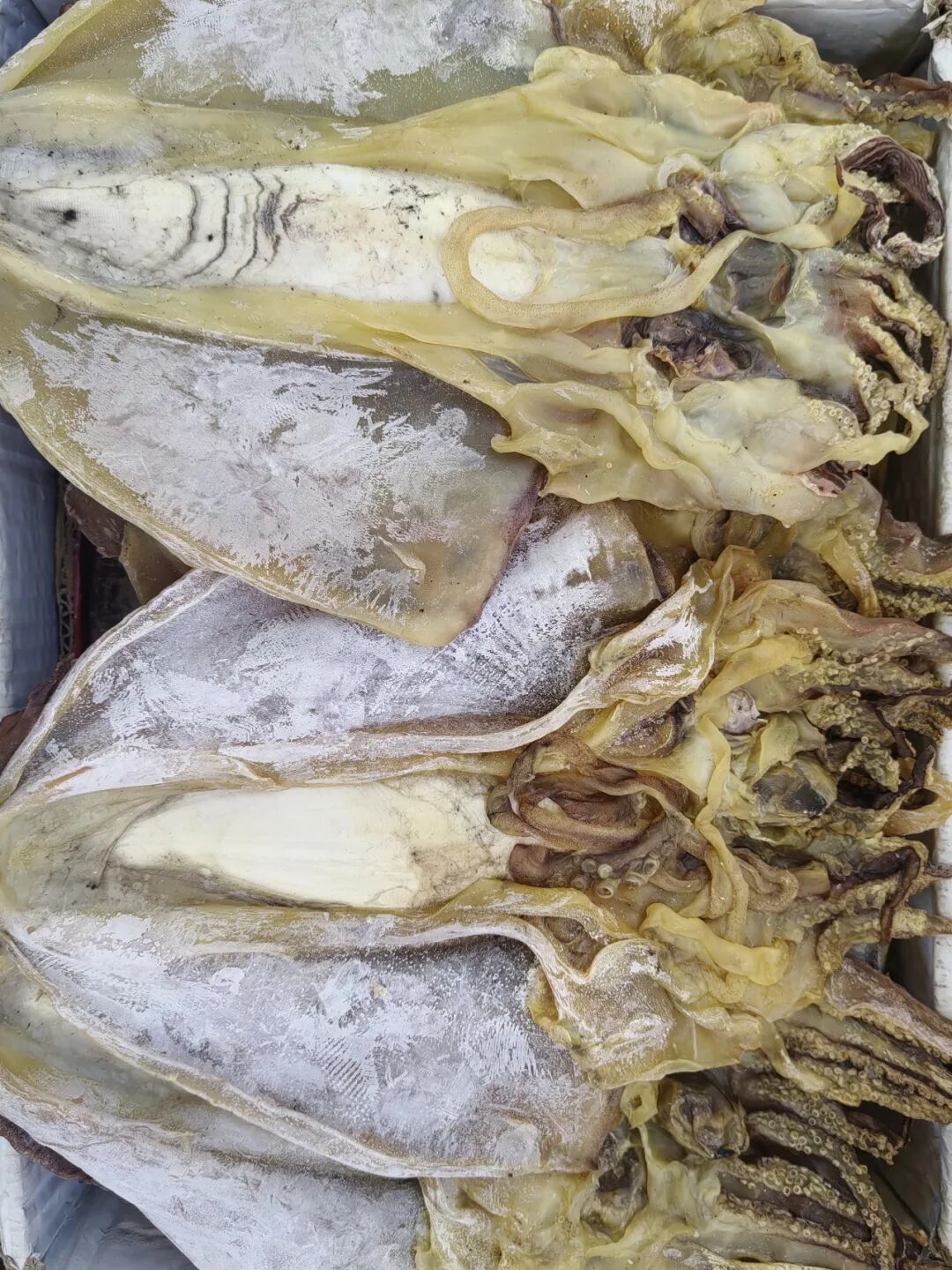
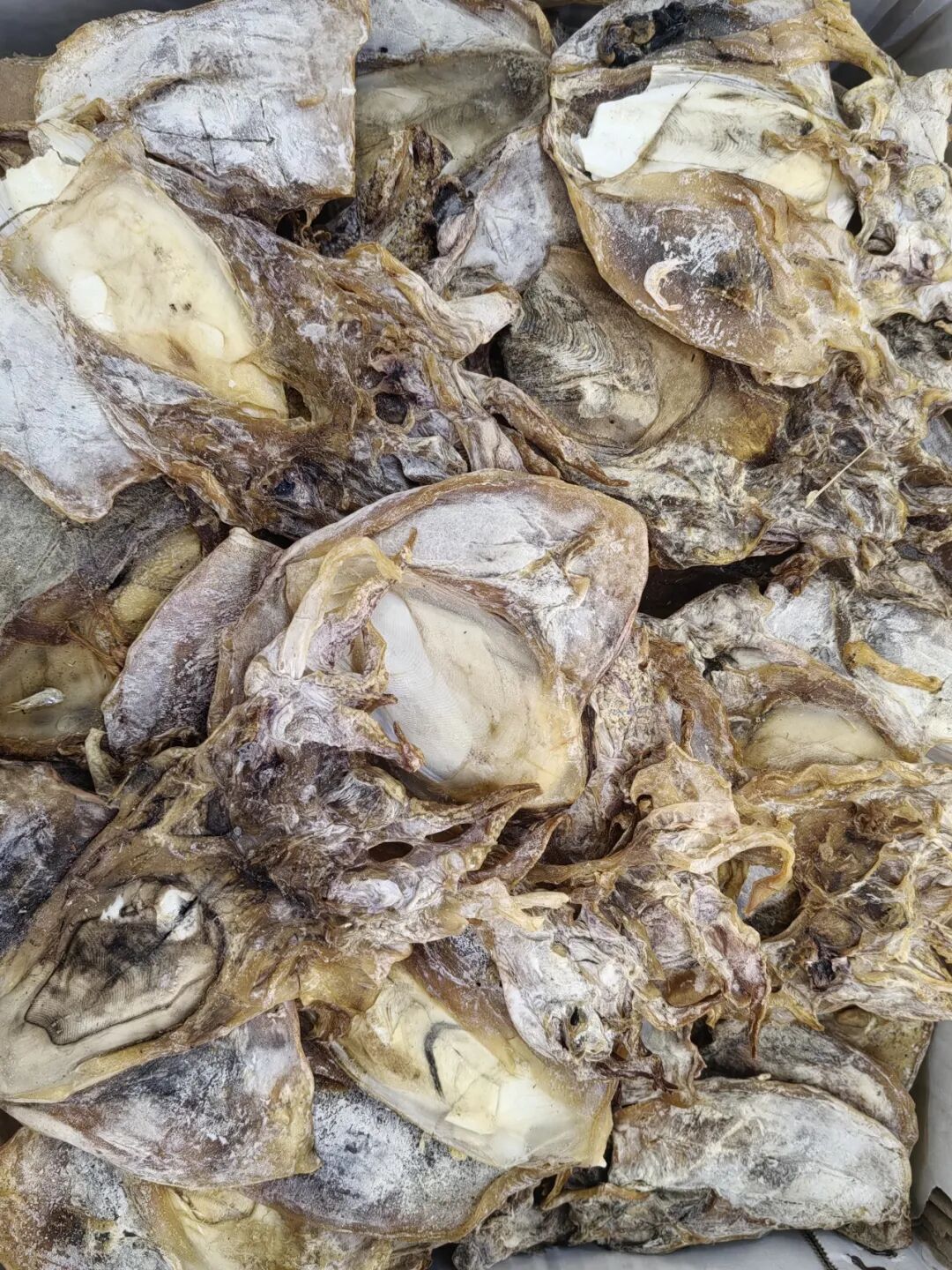
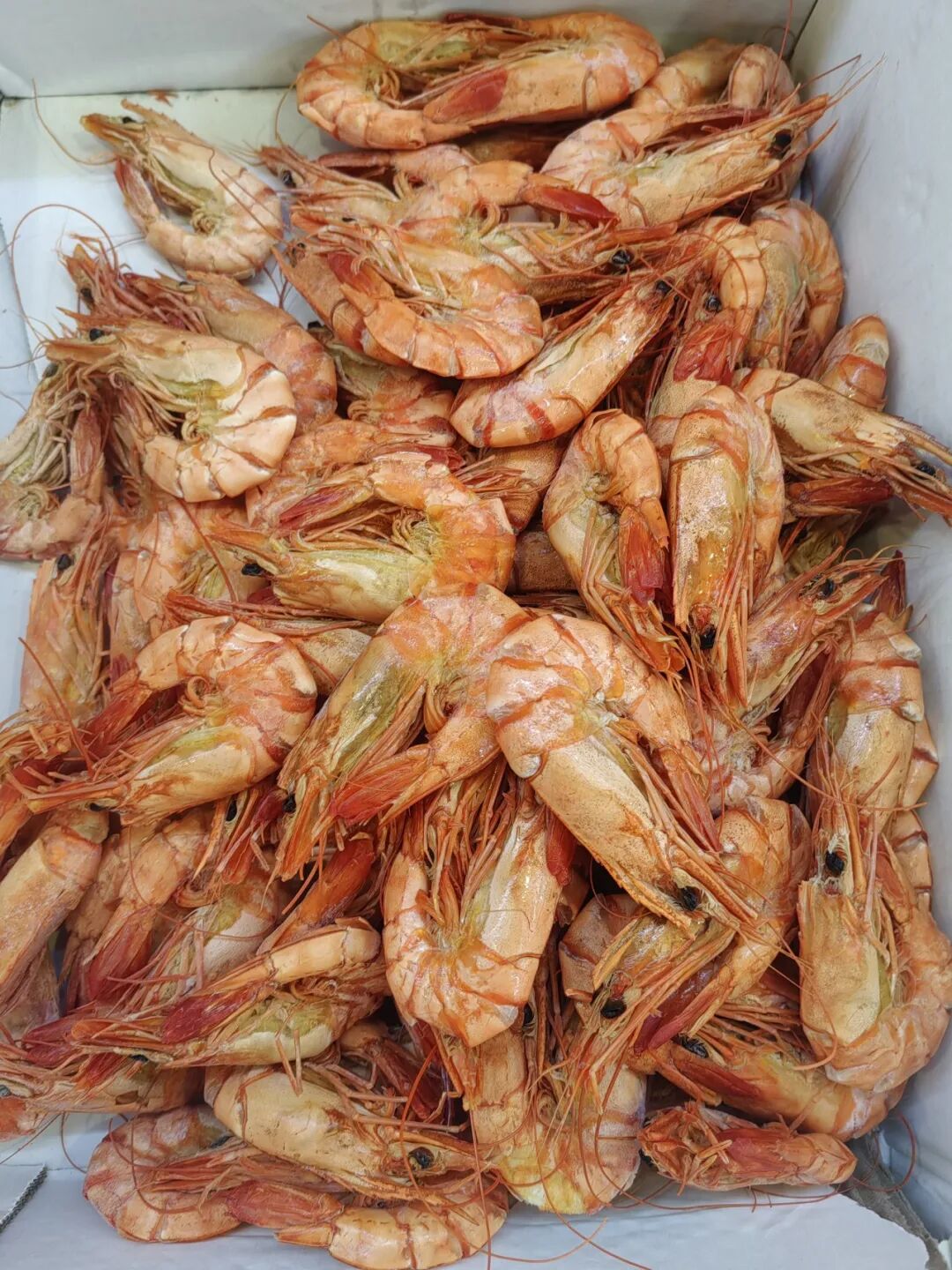
◉A selection of goods in the dried goods shop.
Dried goods of every description fill nearly all the shop’s space, leaving only a narrow, elongated passageway for people to get through—barely wide enough for a single person to squeeze past.
Retreat to the Wet Market
Always ready with a welcoming smile, Yunyan has a rich work history—she has held jobs and tried her hand at all kinds of businesses.
She is from Yongjia, Wenzhou. In 2000, she graduated from the medical assistant programme at Wenzhou Municipal Health Cadres School, earning a secondary vocational school qualification. After graduation, she worked as a contract worker at a township health centre, and in 2001 she married her husband, a Wenzhou native. With no formal establishment post, the 800-yuan monthly salary was nowhere near enough to sustain a household. Drawing on her professional training, Yunyan tried opening a pharmacy selling traditional Chinese medicinal tonics.
From the 1990s onwards, many people from Yongjia left the mountains to seek opportunities elsewhere and set up businesses. Yunyan’s family followed her elder brother and sister to the outskirts of Jiangsu and Shanghai, where they opened clothing supermarkets. Once they moved away, their eldest son was left behind in Wenzhou, entrusted to Yunyan’s parents-in-law to look after.
After five years in the clothing trade, when their son reached primary-school age, Yunyan and her husband agreed that the education available in the outskirts of Jiangsu was no match for that in Wenzhou city centre. So that their son could receive a better schooling, they wound up their out-of-town business and returned to Wenzhou.
Back home, the couple set up a stall at the Huanglong Wholesale Market in Lucheng, Wenzhou, dealing in daily sundries—they sold cosmetics, jewellery, slippers, umbrellas, and all manner of small goods. That trade lasted ten years. During those years running a wholesale stall, Yunyan gave birth to their second son.
This small-commodities wholesale market, built in the 1990s through 120 million yuan in private fundraising, began a gradual decline from 2010 onwards. By around 2016, the rise of e-commerce had dealt a crushing blow to brick-and-mortar shops. Yunyan’s small-commodities stall was caught in the wake, and business steadily slid downhill.
Then the Huanglong Small-Commodities Wholesale Market was slated for redevelopment and demolition. By 2019, the landmark that had been woven into the memories of Wenzhou residents for twenty-six years had vanished, and Yunyan and her husband withdrew from the market.
Yunyan spent a year “playing” at home, mulling over what kind of business she could take on to put food on the table. By then, many trades were already feeling the impact of e-commerce platforms such as Taobao. She reasoned that the wet market might be the one business least exposed. “As long as people are alive, they have to eat and buy groceries—if even the wet market goes under, we truly have nowhere left to turn for a living.”
For most of 2020, Yunyan spent her time “casually browsing” her way through the wet markets across Wenzhou city centre, sizing them up. In the end, she chose to set up shop at Shuangjingtou Wet Market, where prices sat in the mid-range. Starting with tonics, she has been in the trade ever since—today, tonics and dried goods each account for half the shop’s stock.
“Doing business at a wet market is hard-earned money, and all the expenses for a family of four depend on this one shop,” said Yunyan.
During the three years of the pandemic, the dried goods shop actually thrived—easily one of the busiest stalls in the market. Worried about cross-infection, customers were reluctant to go out frequently and would buy large quantities in a single trip. Compared to fresh seafood, which keeps for only a short time, dried goods have a much longer shelf life.
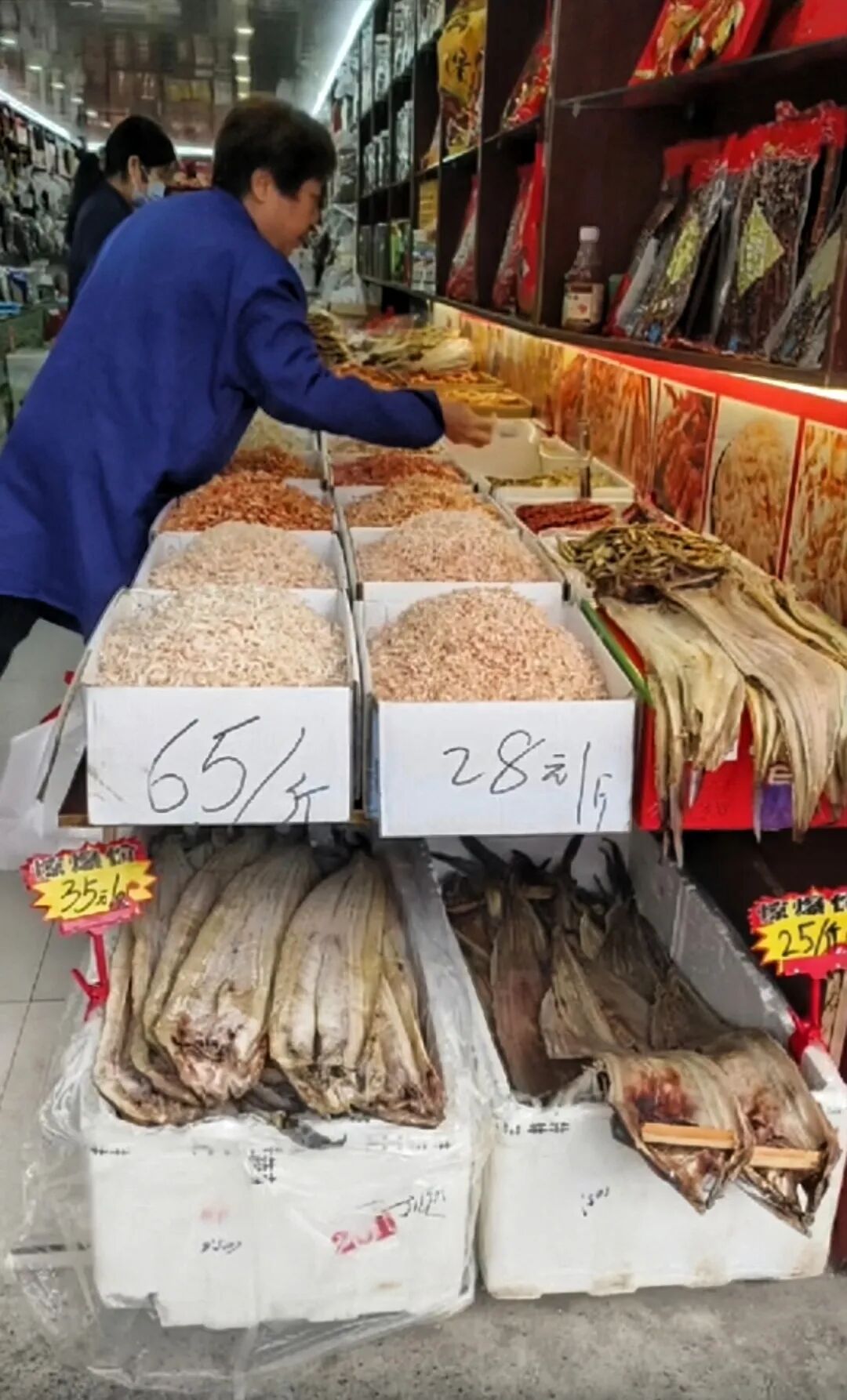
◉ Customers browse and select their own dried ingredients at the dried goods shop.
Business Is Made by Standing Firm
After seven years of hard graft, Li Jian and Xu Yunyan have found their feet at Shuangjingtou Wet Market.
There is an old saying in Wenzhou: “Business Is Made by Standing Firm.” Li Jian and one hired helper start work at five o’clock every morning, sorting the stock stored in the cold storage and chest freezers and setting it out at the front of the shop.
A number of elderly regulars—grandpas and grandmas in their sixties and seventies—make a habit of catching the early market, often arriving in the shop before six.
Every day by midday, trade along the entire open-air wet market slows, and in front of every stall there is not a customer in sight. In summer especially, under the glaring white sun, after getting up before dawn and working for six hours, the stallholders grow weary and take a breather. At the dried goods shop, Yunyan and her husband, together with the hired helper, take turns resting for an hour each. Footfall picks up again around three in the afternoon, and the shop stays open until eight in the evening when they finally close up.
The dried goods shop draws most of its custom from individual walk-in customers at the wet market, with only a small portion coming from corporate clients—private-business owners who typically buy dried goods as festive employee perks or as gifts for their own clients. Since the majority of customers are regulars and every item carries a clear price tag, when the three of them are so busy their feet barely touch the ground, the old hands simply help themselves. “The customers pick what they want, bag it up, and hand it to us. We punch the price into the calculator, and they scan the QR code to pay.”
The month around the Spring Festival is the best trading period of the year. Average daily turnover is three times that of a normal month, accounting for nearly a third of the year’s total revenue. During the New Year, the shop’s narrow passageway is packed with customers; Li Jian stands at the entrance the whole time, hawking goods through a loudspeaker while Yunyan coordinates behind the scenes. At the peak of the rush, Yunyan calls in her own parents to help and temporarily hires seven or eight extra hands. The working day runs longer than usual: even after closing at eight in the evening, they are still busy packing orders. Take dried salted eel, for example—during the New Year period they sell an average of three crates a day, each crate weighing roughly fifty to sixty jin.
On the first day of the Lunar New Year, some dried seafood stalls shut up shop, but Yunyan’s family does not. Many customers, eager to visit relatives and friends on the first or second day of the New Year, need to pick up gifts and come to the dried goods shop to choose something. Some, whose home fridges are already full, even leave purchases in the shop’s care for safekeeping.
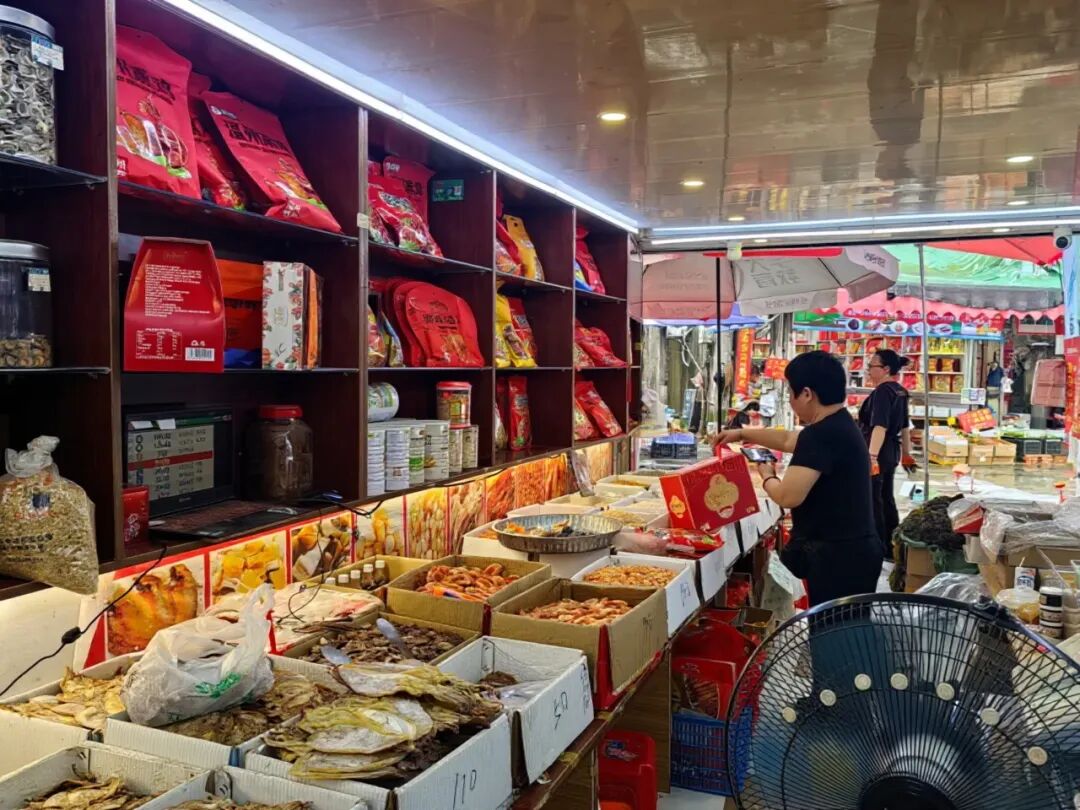
◉ Shop owner Yunyan photographs a gift box packaging sample for a customer.
Refusing E-Commerce
Although the e-commerce boom had once forced the couple to wind up their small-commodities shop, Li Jian’s ginseng and antler dried goods shop has not moved with the times—no online store, no livestreaming, and no presence on delivery platforms such as Meituan or Taobao Flash Purchase.
“Our shop sells at retail based on wholesale prices—we’re cheaper even than the online retailers. I did look into setting up an online store, but joining an e-commerce platform comes with fees, and we have no rent to worry about. We make only a few yuan per jin, and e-commerce commissions take far more than that. Before we even opened, Meituan and Taobao sent ground promotion reps around to persuade us to sign up, with a third-party operations company running the store for us—but they required upfront fees and took hefty commissions. Once those fees and commissions are paid, there is basically no profit left.”
The dried goods shop builds its customer base mainly through word of mouth—Yunyan firmly believes that good wine needs no bush. Friends who once lived in Wenzhou but since moved away still crave the flavour of her dried goods; they add her on WeChat and order regularly. When Wenzhou people travel elsewhere to visit relatives and friends, their loved ones, once they have tasted Wenzhou specialities—duck tongues in particular—naturally become Yunyan’s customers too.
She is an old-fashioned sort who rarely orders takeout. At midday she walks to the wet market herself to buy groceries and has the helper cook lunch. She has not downloaded Dingdong Maicai or Meituan Maicai. When customers message her on WeChat to order goods and then need to call a delivery runner, she finds herself at a loss, because the shop’s address has no precise GPS pin.
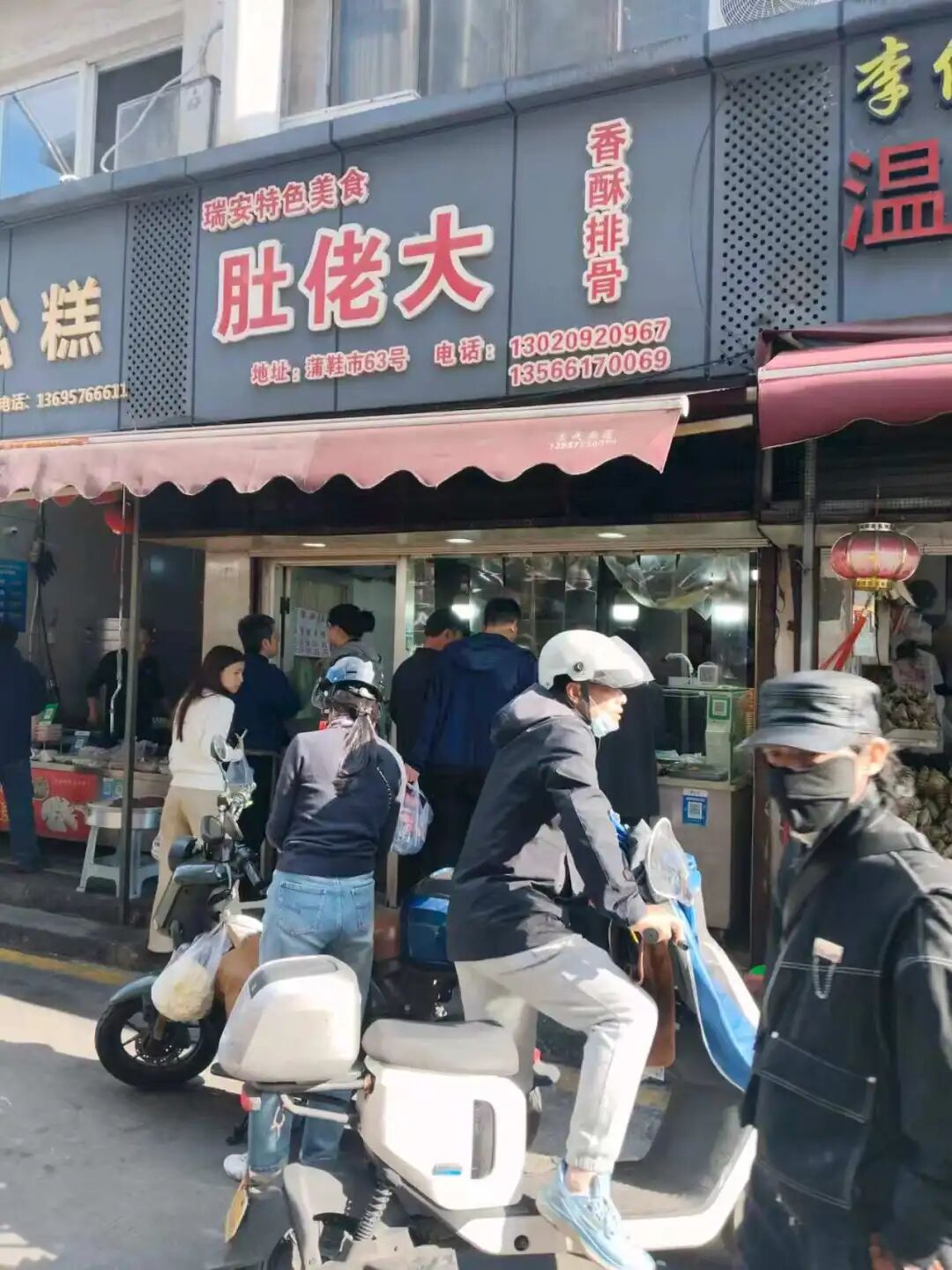
◉ Some of the most popular food stalls in the wet market are thronged with customers—every batch sells out the instant it comes off the stove, leaving no room for online trade. Image: Foodthink
At Shuangjingtou Wet Market, apart from one tiny mung bean cake stall whose shopkeeper does livestream shopping, none of the other traders stream at all. Yunyan feels that just keeping this shop going is exhausting enough—she truly has no energy for livestreaming. “I’m so busy I don’t even have time to reply to WeChat messages.”
Fortunately, Yunyan’s customer base also skews older. The dried goods shop’s main clientele are retirees, who have far greater purchasing power than younger buyers. “Young people come in and buy dried shrimp skins ten yuan at a time—if it tips the scale by even one yuan, they won’t have it. They only pick up enough for a few meals. But elderly customers who find it difficult to get around buy dried shrimp skins by the half jin or the full jin to stock up conveniently. Weigh out two jin for them, and they won’t bat an eye.”
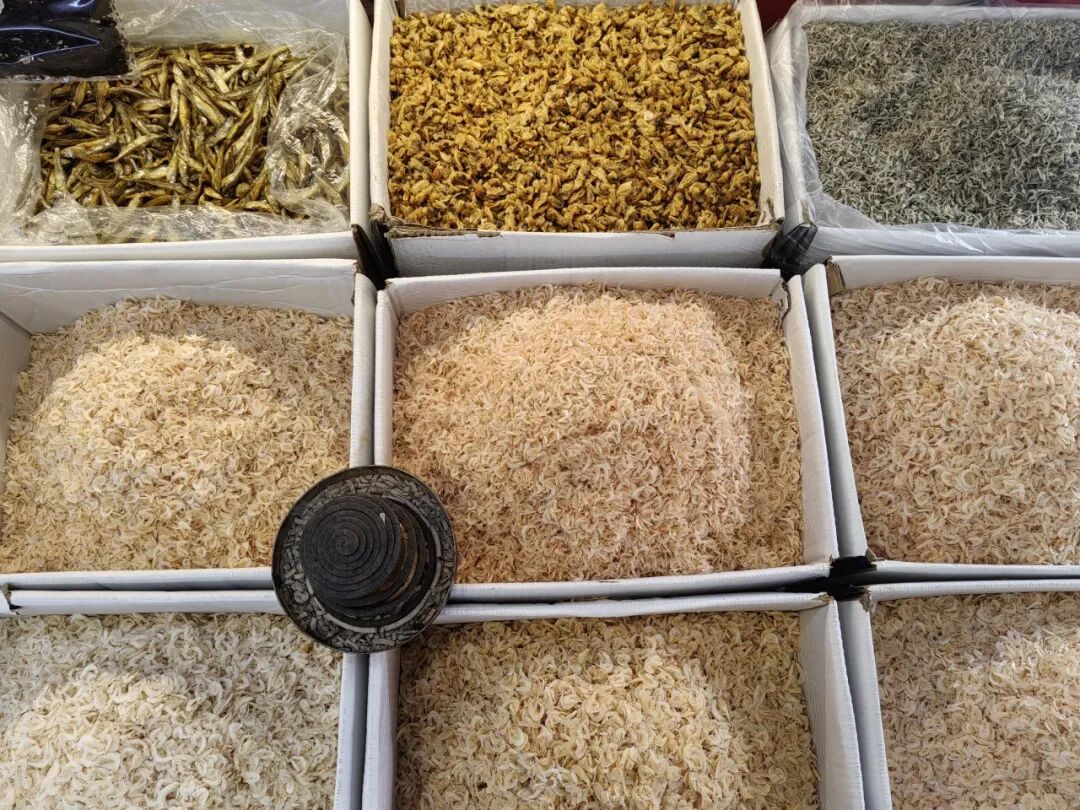
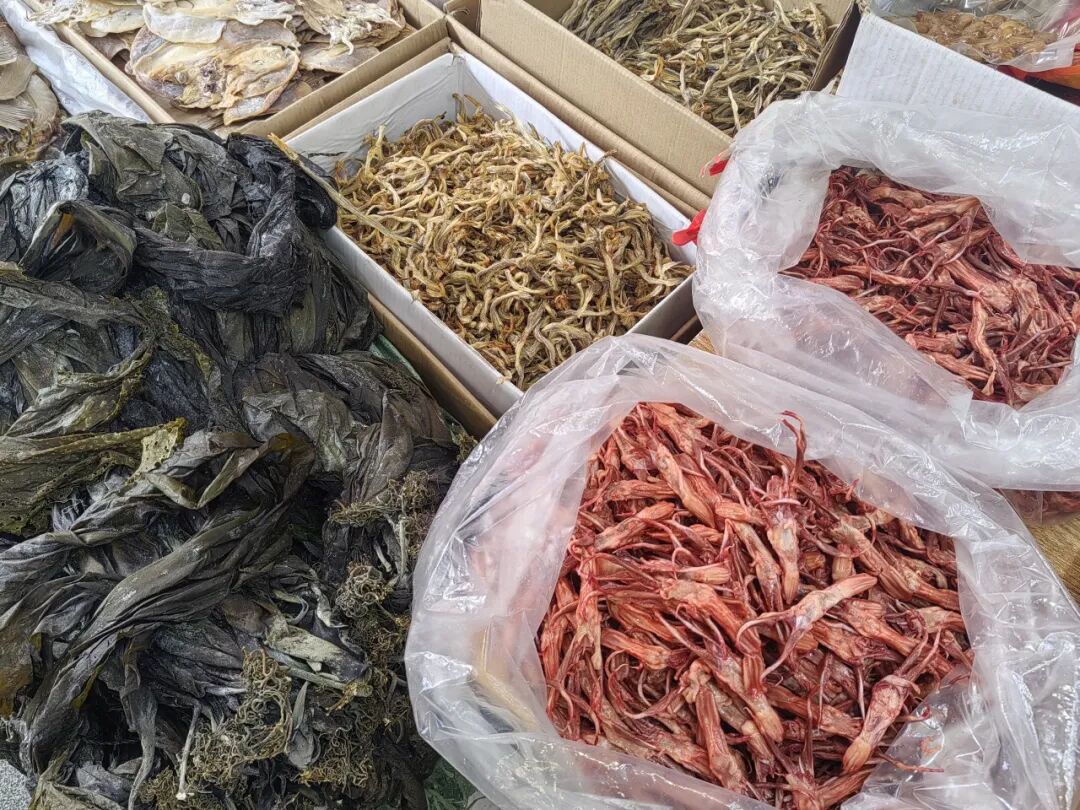
◉ An assortment of dried goods.
A Family That Stays at the Wet Market
Although Yunyan’s work is exhausting, she always tries to carve out a few days during public holidays and the summer and winter school breaks to take her younger son out. On her Moments feed, apart from posting work updates, the bulk of her content documents her two boys growing up—she affectionately calls them “the Eldest Master” and “the Young Master”.
Because the dried goods shop is open almost every day of the year, whenever something comes up that calls for an early close or a trip out, Yunyan and her husband have to take turns watching the shop. So even when they do take their sons out, it is rare for the whole family to go together.
In 2025, the elder son graduated from university and came home. With a degree in Electronic Information Engineering, he installed an anti-runoff gizmo for the shop. ‘The original installation cost over 2,000 yuan; now you can get one done for just over 1,000. Everyone else has to call in an installer. My elder son knows how to do it himself, which saves us the tradesman’s fee.’ Mentioning the installation, a spark of pride flickers into Yunyan’s eyes. She breaks into a beaming smile, dimples deepening.
The younger son, now in Year 4 at primary school, could truly be said to have grown up in the wet market. It was here that he saw the first snowfall of his life—little snow pellets pattering down onto the tip of his nose, tickling a little, and he could not resist trying to catch them. On New Year’s Eve, his parents took him to set off firecrackers in the small lanes near the shop, and he was not the slightest bit afraid. By nature he is a mischievous, restless child; right up until Year 1, he would frequently dash off without a word to his parents to play with other children from neighbouring stalls in the market.
Thanks to his endless mischief, Yunyan has had more than her share of complaints from teachers. Now the younger son leads a life much like that of a child from an ordinary dual-income household—staying at an after-school care centre until eight or nine on weekdays before heading home, and taking academic tutoring classes at the weekend. But unlike dual-income parents, Yunyan and her husband have to take turns accompanying him out for badminton or basketball to stay fit.
For their two sons’ futures, Yunyan now has different plans in mind. The elder son has strong academic results and is currently applying for civil service and public sector positions.
‘I had originally hoped the younger one would do well academically too, so he would not have to earn a hard living. But I have come to terms with it—if his studies are not up to scratch, I will have him take over the business eventually. We have been in trade for decades; we have a steady customer base, resources, and connections.’
But Yunyan harbours one private wish: ‘This shop is mainly retail. I hope the younger son will go into wholesale. Before, when I did wholesale at the Huanglong Small Commodities Market, it felt easier than running a shop at the wet market. Retail is such a lot of small, fiddly work.’
– This is the 835th original article by Foodthink –
Foodthink
Author:
Hongshulian
Full-time shopping and cooking, part-time writing. Loves wandering wet markets—there is little gloom, anxiety, or depression that a good browse around the market cannot sort out.
Unless otherwise noted, all images in this article are provided by the author.
Editor: Xiaodan
Layout: Xiaoshu
– New Book Recommendations & Event Previews –


Scan the code to tip—support original food wisdom
▼

▼
Click the image to read related articles

▼
Click a keyword to browse more article collections
Seeds | Agronomy | Policy | Fermentation | Nutrition | Fruit | Fisheries | Events | Jobs | Food Delivery | Wet Markets | Livestock Farming | Food Talk | Talks | Reading Groups | Harvest Festivals | Smallholder Stories | Climate Change | Rural Development | Cooperative Economy | Urban Farmers | Food Safety | Digital Technology | Biodiversity | Pandemic and Food | False Solutions | Agroecology Internship Programme
Beijing | Hebei | Shanghai | Guangdong | Guangxi | Henan | Sichuan | Jiangxi | Xinjiang | Shaanxi | Hong Kong | Chongqing | Zhejiang | Jiangsu | Guizhou | Taiwan | Inner Mongolia | Philippines | Canada | Russia | Mexico | Italy | United States | United Kingdom | Germany | Netherlands | Thailand | Sweden | Japan