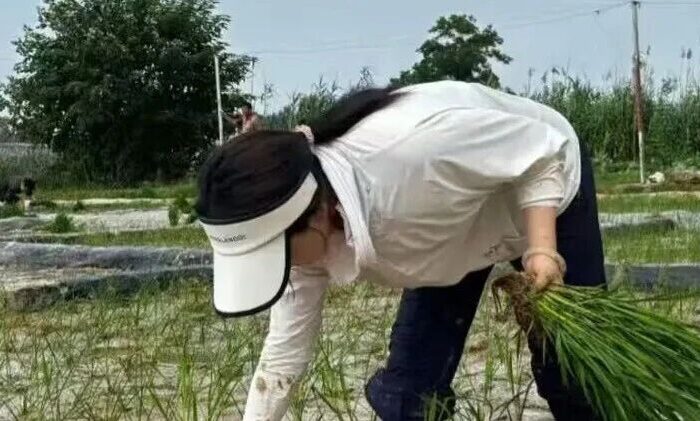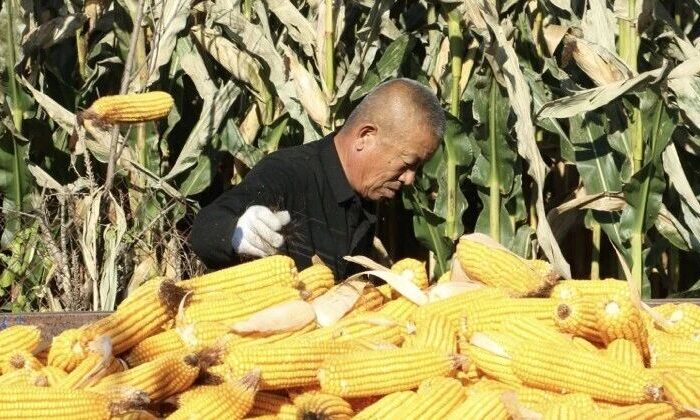
Two Heilongjiang natives in Beijing head home for the National Day holiday – browsing morning markets, husking corn, pickling cabbage. Northeasterners’ days follow autumn grain and green beans. From whole-village dou bao to young people clearing snow and driving ride-hailing apps, wintering indoors is becoming another stretch of odd jobs.
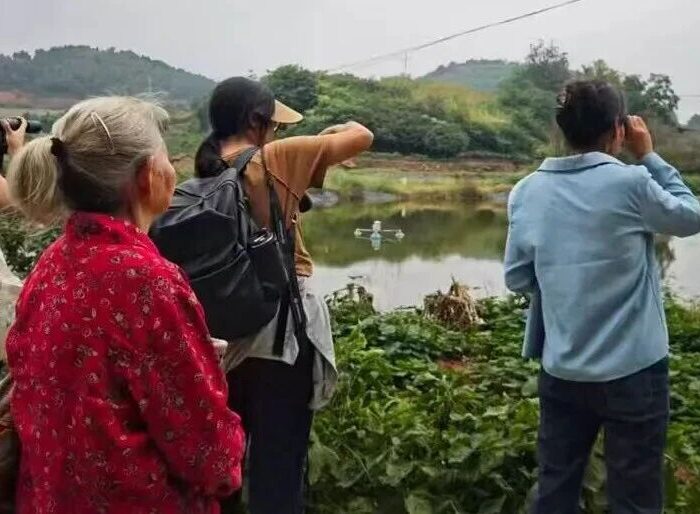
In Jianyang, Sichuan, farmers pick up binoculars and finally see the egrets and kingfishers pecking grain in their fields daily. Pesticides climb the food chain to the birds in the sky; tomato netting tangles and kills collared scops owls; the “cleaner” the farmland, the less room for other life.
Two order pickers at Freshippo and Xiaoxiang say that under the pressure of algorithms, injuries must be borne alone; the contract casts both sides into a “pure business cooperation relationship”, denying any employment relationship — yet between dashes, colleagues still willingly lend a hand.
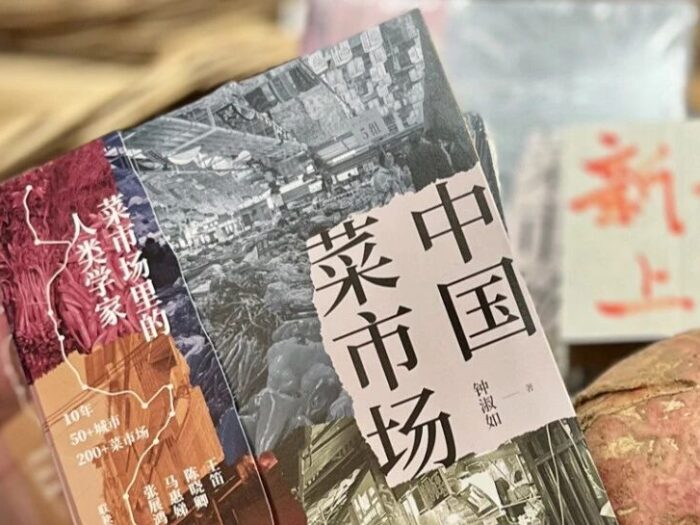
Zhong Shuru distilled a decade of visiting over 200 Chinese wet markets into her new book, Chinese Wet Markets. She and freelance writer qiran discuss ‘star wet markets’ that attract attention but not necessarily profit, cooking labour outsourced to food delivery, and what counts as “eating well properly”.
Xiaoxiong, Master of Agronomy at Huazhong Agricultural University, measures greenhouse gases in paddy fields and records data under a streetlamp after dark. Her short videos show more people the everyday research life and real employment realities of agronomy students.
Labour hours follow projected turnover, skills follow course checkboxes, one person must do 1.1 to 1.2 people’s work – in former Shift Manager Jiang Ke’s store, when the system’s roster falls out of step, managers can only carve out unpaid time from their own duties to fill the gap.
Jiang Ke, a Shift Manager for seven months, says fryers are held at a constant 160°C, lettuce arrives as vacuum-cut strips, and there is not a single knife in the kitchen—yet every order must reach the customer within 90 seconds.
Smallholder farmers account for roughly 97% of agricultural production entities: one field officer often has to cover 40,000–50,000 mu and tens of thousands of households, making household-by-household loss assessment virtually impossible. “Wrong or missed claims” follow, while climate change steadily pushes up payout pressure on policy-based agricultural insurance.
Piling over ninety tonnes of organic fertiliser, racing the farming season through storms, begging villagers to drive a water truck — China Agricultural University Associate Professor Li Yangyang and second-year master’s student Xianzi at the Quzhou Science and Technology Backyard show agriculture goes far beyond planting. Jobs are another picture.
One yak calf, one payout; after the downpour, some are compensated while others harvest nothing—97% smallholders mean claims rely only on “village-level sampling”. Whether agricultural insurance can shield against extreme weather is the puzzle Yi Fujin of Zhejiang University has long studied.