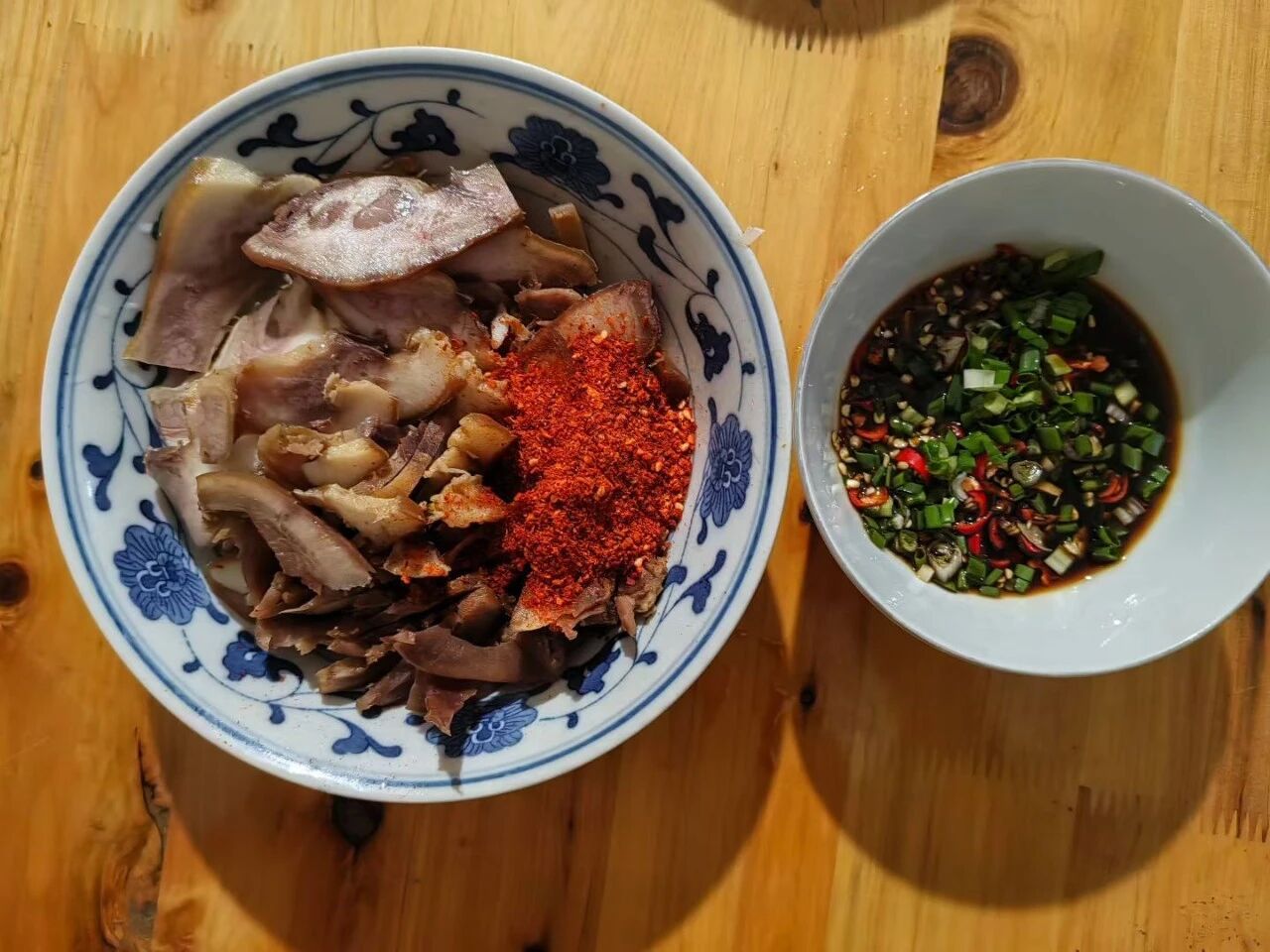
This Chinese New Year, villagers in Wutong Village, Weiyuan, carried bamboo baskets to market before dawn, steamed rice over a wood-fired stove, and spent five hours on a dish of native crucian carp, pinching pea shoots for shao bai and meatball soup. Twenty rural days: humble ingredients, labour-intensive cooking.

Fishermen in Satun and Trang provinces treat the mangroves as a “larder”, running their own restaurant, processing seafood and offering eco-tourism – turning the community marine-management rights they fought for into a livelihood that feeds their families.
After storms razed homes, national parks barred fishers from rebuilding elsewhere; dredging killed seagrass beds, starving scores of Dugongs; carbon sink projects eye the mangroves. Fishers in Trang and Satun use bamboo to reclaim land, run Crab banks, co-manage with government – defending their own sea, bit by bit.
The Satun Province fishers’ association began by driving out illegal trawlers and eradicated local overfishing within a decade; yet the 2025 Fisheries Act amendment, approved by Parliament, will allow fine-mesh nets for night fishing, putting thirty years of community conservation to a new test.
Fifty years ago, half of every million wild salmon swimming toward the Atlantic completed their return migration; now only 30,000 do, while some 400 million are penned in Norwegian fish pens. The journey from gravel riverbed to deep sea and back upstream is nearing its end.
Fish cages shattered, mud crabs all escaped with the seawater, orchards and sugarcane groves blown flat. Farmers in Hailing Island, Taishan and elsewhere, barely ten-odd days from the Mid-Autumn harvest, were ruined overnight. The salinisation left by seawater inundation is even harder to repair in the short term.
Blackchin tilapia entered Thai waterways via CP Foods’ experimental fish farm in 2010, spreading to 19 provinces over more than a decade. 1,400 fishers have formally filed a lawsuit demanding the responsible party be identified and 2.486 billion baht in compensation.
Twenty-four years after its ban, “lean-meat powder” is still detectable in pork, and residues of hormones such as trenbolone and metandienone are almost absent from food safety spot-check lists—behind athletes’ positive doping tests lie hidden risks of everyday hormone ingestion for ordinary people.
The “cabbage-priced” fish, once ¥0.1 a jin, was knocked nearly to extinction by the qiaogu method. Ningde now farms 96% of China’s large yellow croaker, where farmers take four years to raise a single “semi-wild” croaker.