

A small strip of clay by the courtyard wall of our Hangzhou studio: after seven batches of hot compost made from saved kitchen scraps and coffee grounds, the ground, hard as rammed earth, has loosened into black soil that opens with a single spade.
Food waste in supply chains or households and its ecological and environmental impacts.
A small strip of clay by the courtyard wall of our Hangzhou studio: after seven batches of hot compost made from saved kitchen scraps and coffee grounds, the ground, hard as rammed earth, has loosened into black soil that opens with a single spade.

The International Panel of Experts on Sustainable Food Systems (IPES-Food) finds that the global food system swallows at least 15% of the world’s fossil fuels and 40% of its petrochemicals—yet the industry’s clean alternatives fall far short of their claims.

Zhang Kai of Fenye Brewing and Xu Xin of Mars Elephant Lab use a single grain to bridge brewing and baking—from spent-grain biscuits to an Earth Day beer brewed from leftover bread from ten Beijing bakeries—reflecting the practical challenges of the local grain supply chain.

In a Jing’an District McDonald’s, part-time pay is 19 yuan an hour — just two yuan more after 1,000 hours. Five stations, each worker locked to their post; rainy-day delivery surges send riders and staff unraveling together. The assembly line cuts apart workers’ shared lives.

Work vibe so heavy you can’t stomach a takeaway box; sweet soup 3–5 yuan dearer than dine-in; a rider’s hand slashed in the snow. Dozens of readers wrote down specific moments of pushing back against takeaway – from ready meals to plastic packaging, all pointing to a proper meal.

Foodthink Founding Editor Chang Tianle and Sijia, host of 100 Ways of Living, chat about ecological agriculture, supporting local farmers, and how office workers can still cook proper meals without ordering a takeaway.

A shop manager demoted by a single system message; shop assistants grinding non-stop under the commands of 70-odd tasks and 30-odd cameras. Bianlifeng, which handed all decision-making to algorithms, has shrunk from nearly 3,000 stores to just over 1,000.
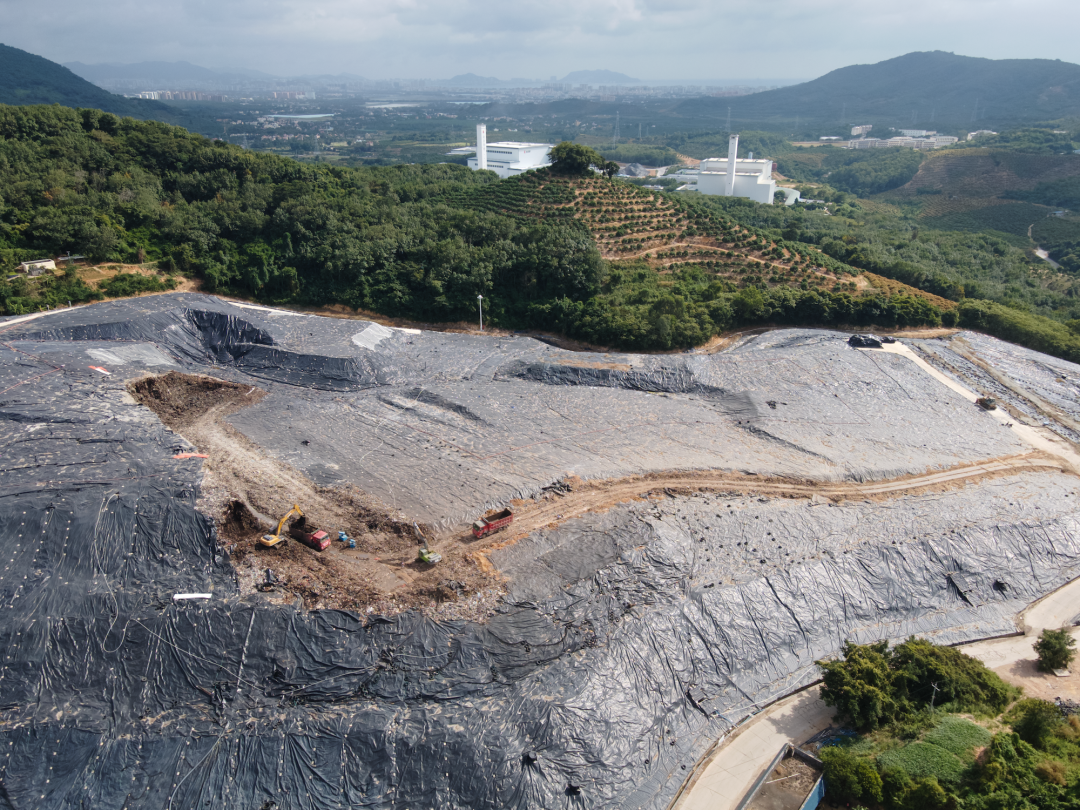
Environmental advocates Li Jiacheng and Mao Da, drawing on the book Where Does the Garbage Go?, point out that Japan’s incineration-dominated system is not the best model: in at least 10 Chinese provinces and regions, incineration capacity has already exceeded waste collection volume.