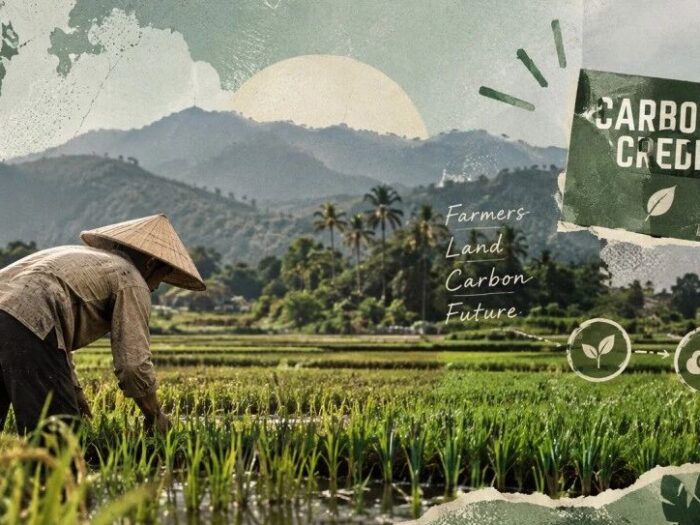
GRAIN’s report tracks the carbon credit projects Bayer, Cargill and other agrichemical companies are pushing on Asia’s farmland: farmers locked into decades-long contracts dictating their practices, getting just about 10% of the revenue, and bundled into buying seeds and pesticides.
Experiments by Harvard professor Chensheng Lu, beekeeper Kenneth Walhol and entomological toxicologist Richard Callahan confirmed that low doses of neonicotinoid insecticides enter soil, water and the food chain through seed coating, causing entire bee colonies to vanish and ultimately reaching human dinner tables.
After storms razed homes, national parks barred fishers from rebuilding elsewhere; dredging killed seagrass beds, starving scores of Dugongs; carbon sink projects eye the mangroves. Fishers in Trang and Satun use bamboo to reclaim land, run Crab banks, co-manage with government – defending their own sea, bit by bit.
Ÿnsect, the European insect-protein unicorn that raised USD 625 million, has been wound up by a French court. A UK Government-commissioned life cycle assessment also shows insect meal’s carbon emissions far exceed soybean meal’s — the capital narrative of “eating bugs equals eco-friendliness” is being punctured by full-chain data.
Fifty years ago, half of every million wild salmon swimming toward the Atlantic completed their return migration; now only 30,000 do, while some 400 million are penned in Norwegian fish pens. The journey from gravel riverbed to deep sea and back upstream is nearing its end.
The International Panel of Experts on Sustainable Food Systems (IPES-Food) finds that the global food system swallows at least 15% of the world’s fossil fuels and 40% of its petrochemicals—yet the industry’s clean alternatives fall far short of their claims.
Videos of Zhejiang and Shanghai incineration plants “competing for waste” across provinces and municipalities went viral. But waste management advocates point out that overcapacity is the reality – legally mandated dioxin data, tested only once a year, is far from “real-time monitoring”.
Following the viral “not enough waste to burn” video, calls to “throw more waste, forget sorting” emerged. Mao Da of the zero waste public welfare organisation and Sun Jinghua of Friends of Nature point out that excess incineration capacity exposes the lack of upstream reduction and sorting.
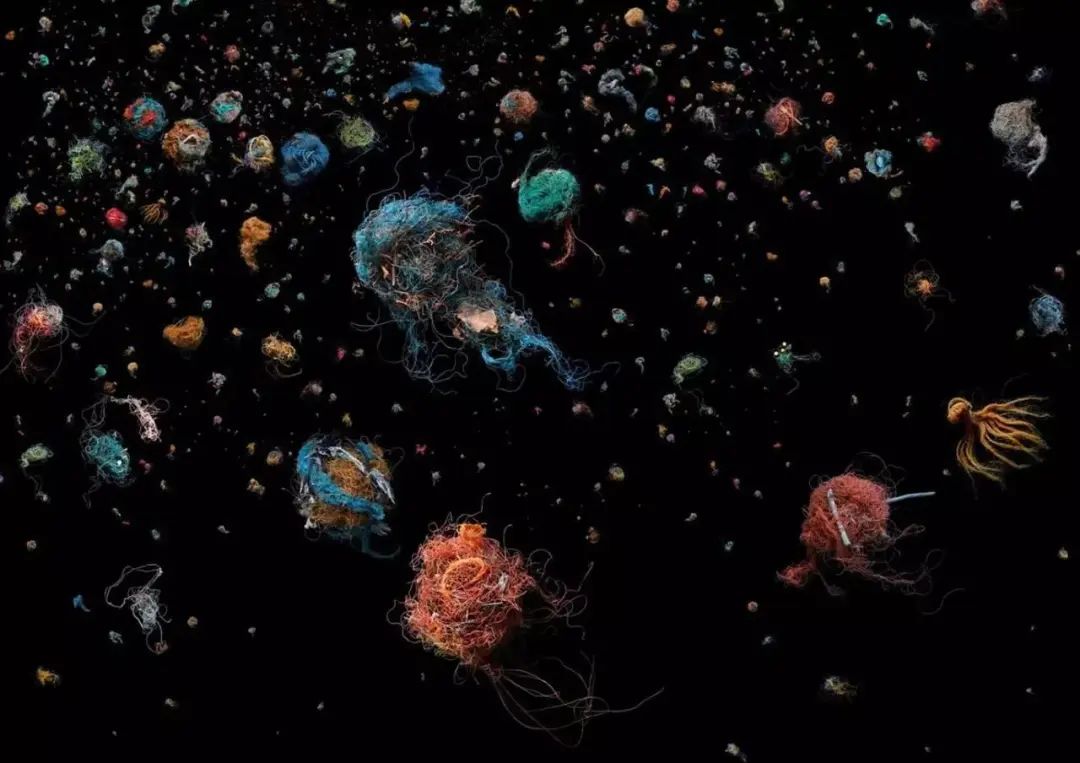
The proliferation of plastic is a byproduct of the petrochemical industry seeking outlets for post-war capacity, not a carefully considered decision. In Plastic: A Toxic Love Story, Susan Freinkel argues that the problem lies not with the material, but with the relationship between people and plastic.
Microplastics, plasticisers and Bisphenol A lurk in shower curtains, takeaway containers, cling film and laundry capsules. While total avoidance is impossible, reading resin identification codes and cutting back on single-use packaging can keep everyday exposure within a lower-risk range.