At Gudao Xifeng Manor in Haidian, Beijing, Brother Daotian — not formally trained — has kept a business afloat through pesticide-free ecological farming and over a hundred mu of sublet vegetable plots, while more than half of shared garden projects nationwide remain mired in losses.
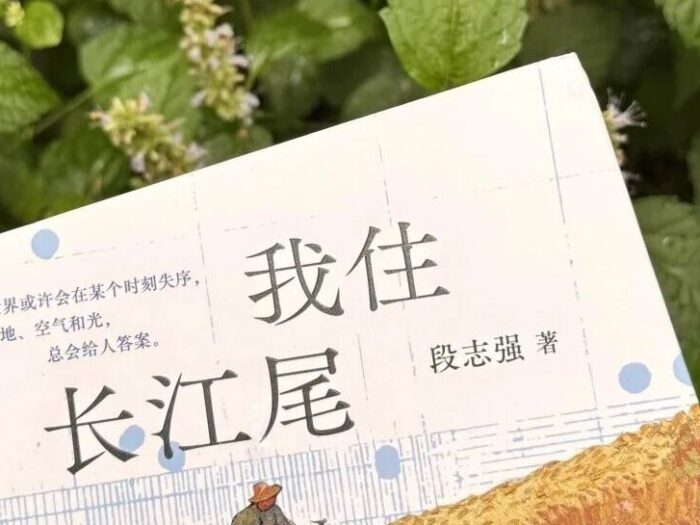
Historian Duan Zhiqiang of Fudan named four plots on Chongming Island “the Mainland”, “the Subcontinent”, “the New World”, “the Offshore Island”, poring over farm books, working out composting and melon-growing. Fellow city grower Wang Youzao recognised Su Shi and Lu You in soil and old texts — and himself.
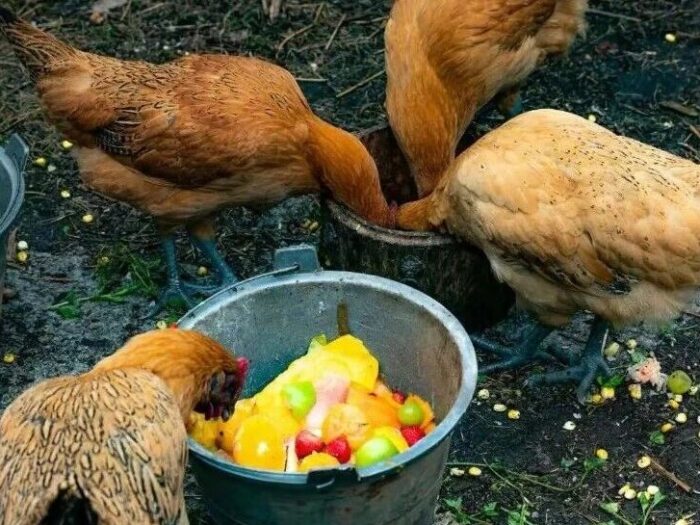
Jin Lipeng, lecturer at the School of Experimental Art, Chongqing’s Sichuan Fine Arts Institute, led students on Huxi Campus in raising chickens and composting through Permaculture. After summer construction workers stole 10 chickens and 2 geese, the school decided to no longer permit poultry on campus, ending its year-and-a-half-old Happy Chickens Raising Cooperative.
Half-buried in frozen ground, plastic twine waits for spring; clear one layer of IV tubes and fragments and another surfaces, mixed with the soil, to be picked out one by one between fingertip and thumb. Harder to bear than farming is this land’s plastic that cannot be cleared.
A small strip of clay by the courtyard wall of our Hangzhou studio: after seven batches of hot compost made from saved kitchen scraps and coffee grounds, the ground, hard as rammed earth, has loosened into black soil that opens with a single spade.
A former agriculture reporter covered feed market prices and live hog shipments for two and a half years – yet stories mostly came from listed companies’ earnings, and food was always just figures. Renting a plot, chasing abscessed pork: neither closed the gap between commercial framing and the field.
Nichole, 55, spent a decade turning her Texas yards into a jungle of food and herbs without chemical fertilisers or pesticides. She and Yunnanese Zhang Yiqing — a cross-generational pair — bonded over refusing the American suburban lawn before Nichole moved to rural Pennsylvania to practise permaculture on larger land.
Fermentation is migrating from home kitchens to factory production lines; millennia-old techniques are on the brink of disappearing. Sandor Katz, author of The Art of Fermentation, advocates bringing fermentation back to homes and communities, rebuilding local food economies and communities. Foodthink hosts four Shared Reading discussions in November.
From 1949, the Soviet government distributed 600-square-metre suburban plots to workers’ families: potatoes, vegetables and jam from the plot sustained them through long winters — and defined the summer of an entire generation.