The film traces imported frozen beef and mutton from Xining markets driving down herders’ cattle and sheep purchase prices and livelihoods around Qinghai Lake. Post-screening, scholars discuss who bears the cost in the global meat supply chain and whether ordinary consumers can influence the other end of production.
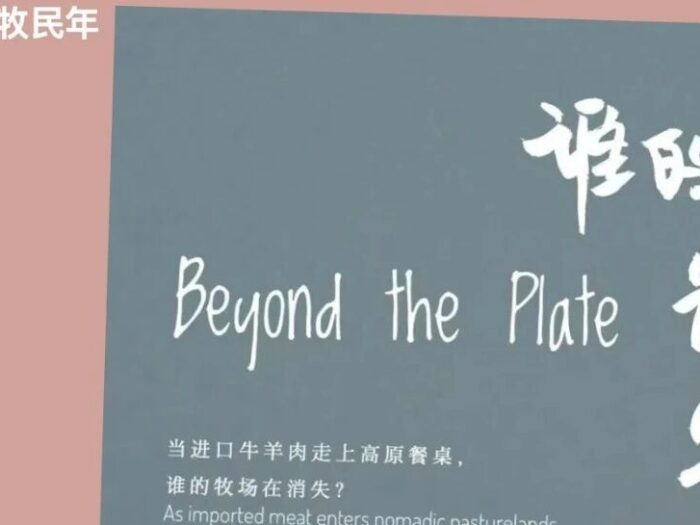
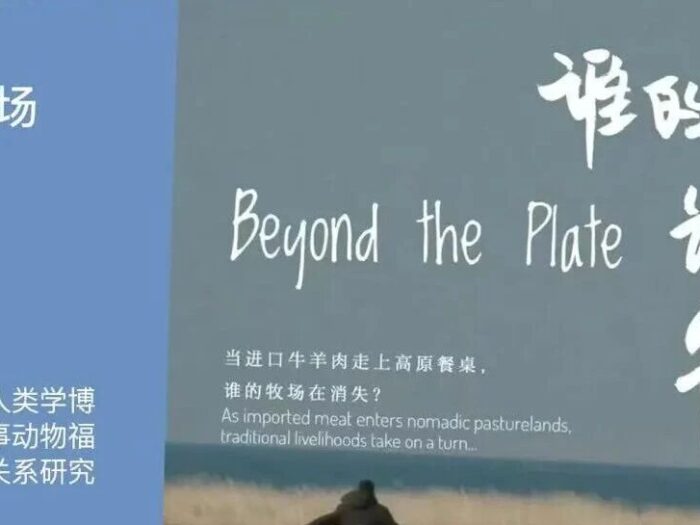
The documentary Whose Table, Whose Pasture follows the trail from Xining’s frozen-food wholesale market to Qinghai Lake’s pastoral areas, documenting how imported frozen meat has sent procurement prices plummeting, leaving herders struggling to repay loans. Three screenings this weekend in Chengdu and Ningbo, with post-screening discussions with scholars.
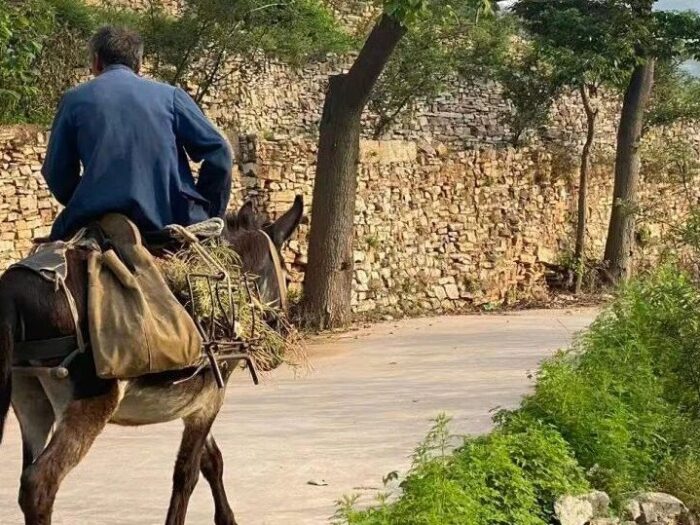
Through Foodthink’s internship programme, a young person came from Shanghai to Wang Jinzhuang, She County, Hebei — spending a month in a Taihang Mountains stone village, from coarse-grain meals to the seed bank, touching the daily rhythms and human warmth of an ancient dryland terraced village.
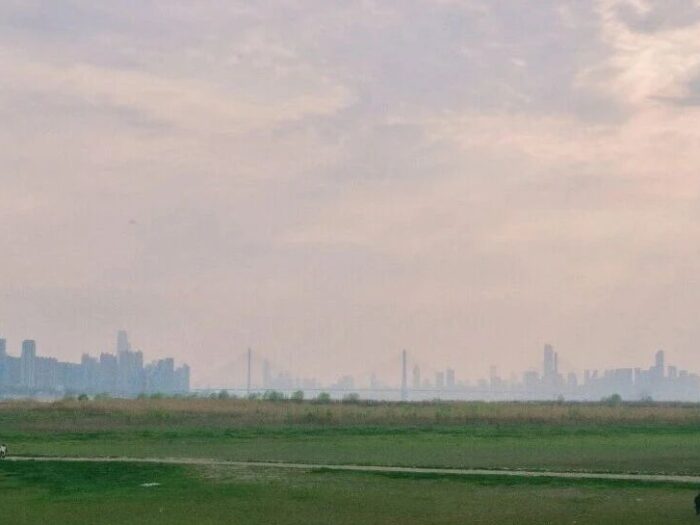
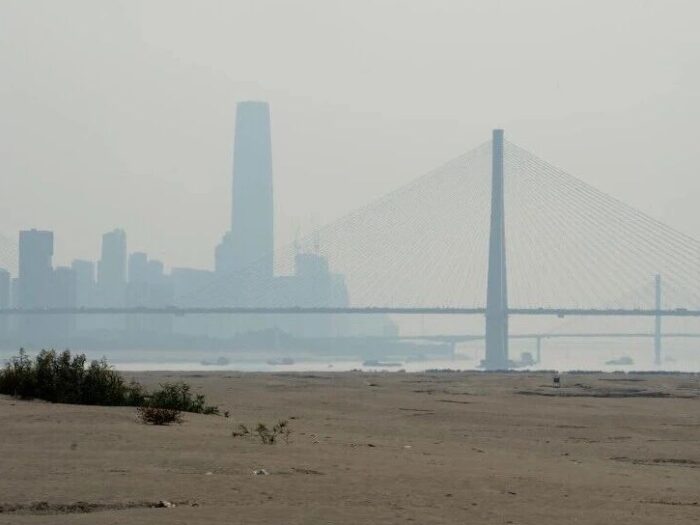
Tianxingzhou’s old melon farmers moved to Lüdao Residential Community in 2002 for flood discharge. Now those resettlement flats face demolition again for the Yangchun Lake Business District plan; ferry suspended, black storks have quintupled, and the old community held by shared labour and food exchanges is being scattered.
Early-spring cold, April hail, and May downpours keep disrupting the melon season, while flood-diversion-area status and unresolved land-use plans weigh on sales. Tianxingzhou’s few remaining growers still scooter across the river like migratory birds to tend their fields—year after year, they can’t outgamble the sky.
In August 2024, fresh, ready-to-eat Musang King first entered China. From the LKE orchards in Johor to Muar’s family wholesalers to Marcus, who switched from oil palm to durian — Chinese demand and fierce competition are simultaneously rewriting this Malaysian durian chain.
A government-endorsed agricultural mini-program: suppliers were perfunctory, operations in name only, and those who truly sold the goods relied not on the platform but on WeChat groups and a group-buy leader network. Later, its name disappeared from district government reports.
The sixth round of the Lianhe Programme received 58 applications. After initial screening, online interviews and expert review, 12 localised solutions focusing on ecological restoration, community composting, smallholder disaster risk reduction, women’s empowerment and other topics were selected.
On 23 May, the documentary Whose Table, Whose Pasture screened in Urumqi, as Xinjiang university students, environmentalists, livestock experts, return-to-Xinjiang entrepreneurs and others shared their views on herders’ livelihoods and rangeland ecology under the impact of imported frozen meat.
The award-winning documentary Whose Table, Whose Pasture documents the reality of plummeting cattle and sheep purchase prices and damaged livelihoods among herders after imported frozen meat flooded Qinghai’s markets. It will be screened at Zhejiang University on 12 June, followed by a discussion between food systems scholars and the audience.