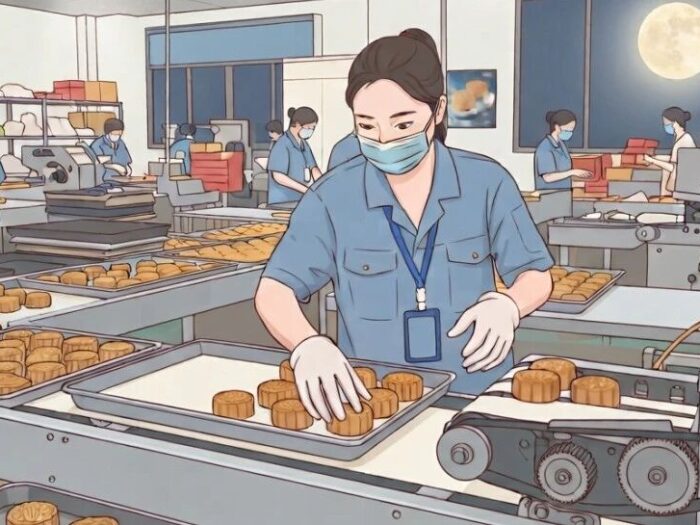
Forty-five days before the Mid-Autumn Festival, she walked into a Chaozhou mooncake factory to dust moulds—seven or eight thousand a day, hands never stopping. The conveyor line’s roar, the old master’s hand-over-hand laobing lessons, and workers’ chatter about freedom all marked the start of her gig life.
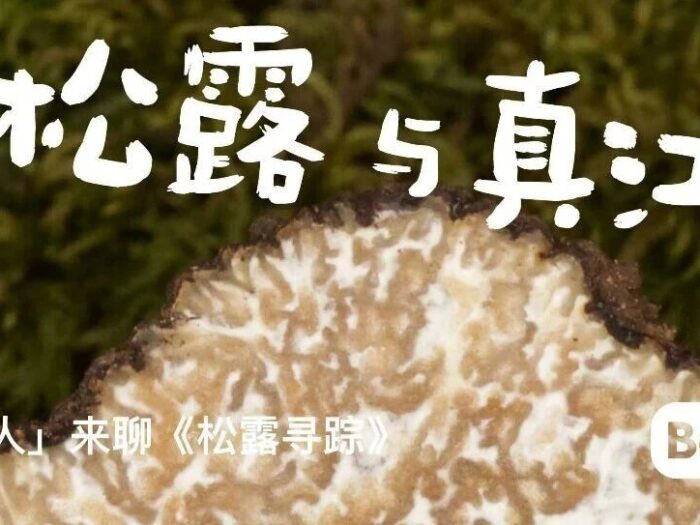
In 1998, Italian truffle giant Urbani Tartufi had 47 tonnes of Chinese truffles seized, having long blended them into black winter truffles for profit. On 29 September, Kunming Institute of Botany mycologist Yu Fuqiang and Yi returnee farmer Kang Li discuss online Chinese foragers’ plight under climate change.
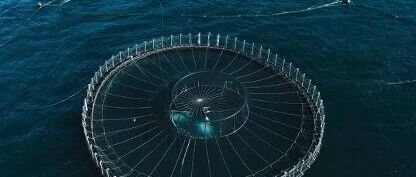
Marius Korsnes (Ma Li) and his NTNU team investigate the salmon, dairy and live-pig industry chains across borders, arguing that China’s animal protein consumption follows a logic of construction distinct from the West—plant protein has not been displaced, while farming’s resource costs have been “outsourced” overseas.
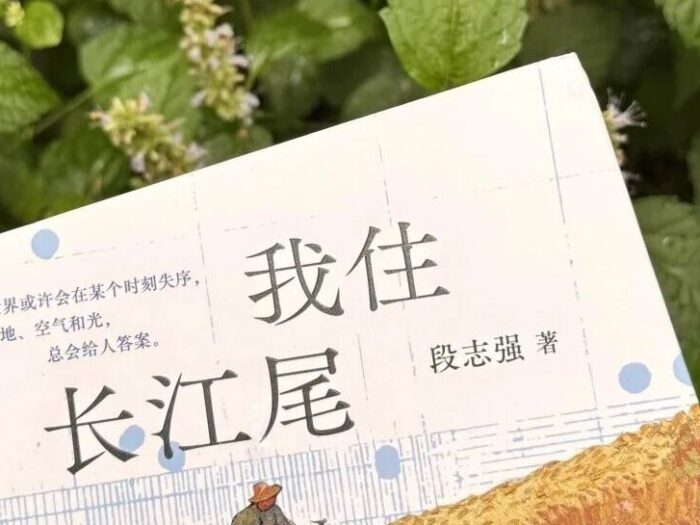
Historian Duan Zhiqiang of Fudan named four plots on Chongming Island “the Mainland”, “the Subcontinent”, “the New World”, “the Offshore Island”, poring over farm books, working out composting and melon-growing. Fellow city grower Wang Youzao recognised Su Shi and Lu You in soil and old texts — and himself.
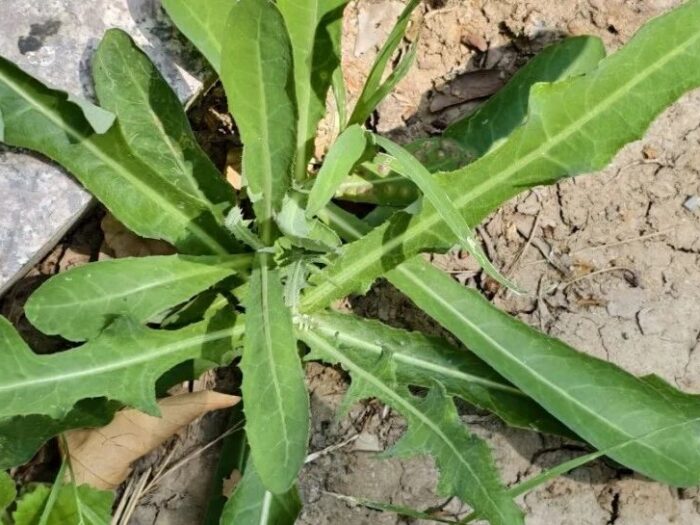
In 1970s Langhao Gou, most sow-thistle we dug fed the pigs; a handful made the family’s summer meal. Now it is wellness tea at several hundred yuan a jin, a stress-relief pastime for city youth. Who still remembers where that clean bitterness, its sweet aftertaste, came from?
How a pig is raised, why riders race against the clock – once you know, some people genuinely can’t bring themselves to buy it any more. We’d love to hear the inner conflict behind those “I don’t want to keep buying this” moments, and that little sense of “morality”.
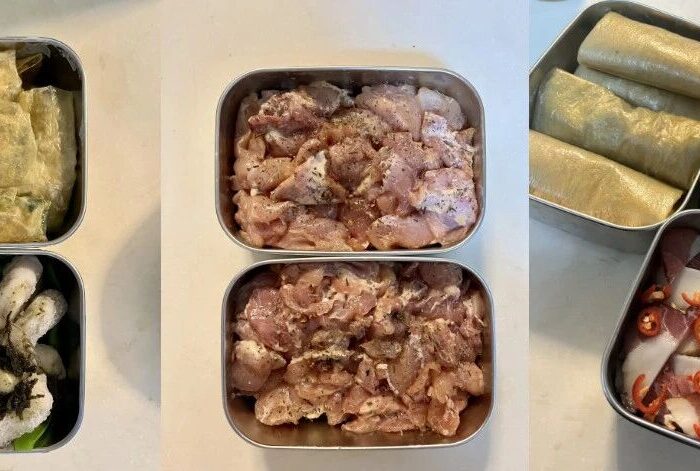
After leaving her job, Jiaxin spent each day pouring mental and physical energy into two meals. She experimented with steamed prepared meals, ten-minute sour soup noodles and other options, no longer insisting on a single standard between freshly stir-fried and hassle-free.
From Wiley’s 1902 recruitment of twelve men to prove the harm of formaldehyde and borax on their own bodies, to van Tulleken’s 28-day Ultra-processed Food experiment, food additive safety boundaries remain unsettled after a century—and cumulative effects of legal additives go unassessed.
Foodthink’s feast stories span over a dozen provinces: baba feasts with freshly slaughtered free-range chickens, a bowl of saozi noodles at dawn, ready-made dishes served before the ice has thawed. Red envelopes, seating and toasting clash with young people’s boundaries as village feasts drift into the cities.
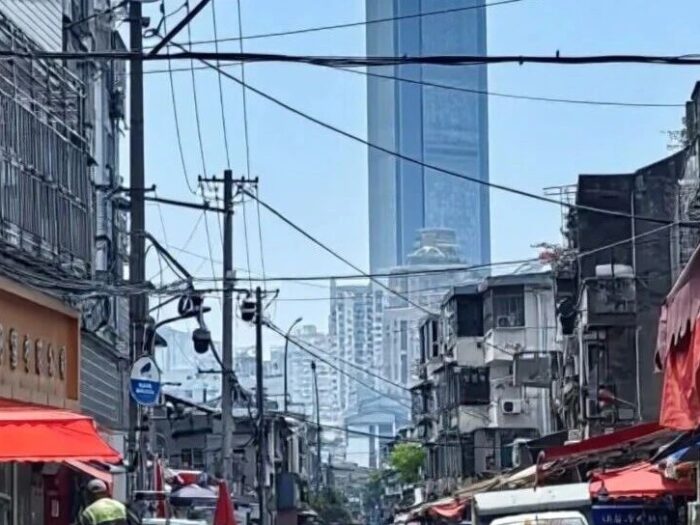
From the decline of Huanglong Wholesale Market to holding her ground at Shuangjingtou Wet Market, fifty-year-old Xu Yunyan supports her family through a ginseng and antler dried goods shop. Refusing e-commerce and livestreaming, she relies on word of mouth and serves only retirees.