After four years “infiltrating” e-commerce livestream teams and nine months merchandising, Duan Shichang found rural livestream rooms hiding a tug-of-war between ‘new-generation farmers’ and the algorithm: the grandmother selling salted duck eggs might be an actor, suffering is commodified, and “algorithm lore” is their path to breaking through.
New harvesters with large grain tanks have left Fourth Uncle, the village’s last “bag catcher”, completely out of work. Small-scale farmers have done the sums: one smart machine costs as much as two or three conventional ones, so they still opt for second-hand Dongfanghong diesel tractors.
A northern girl grows sugarcane in buckets; a PhD student dissects brown planthoppers in the lab. Four agronomy students leave school brimming with passion for the land – only to face career hesitation and the industry–academia–research disconnect.
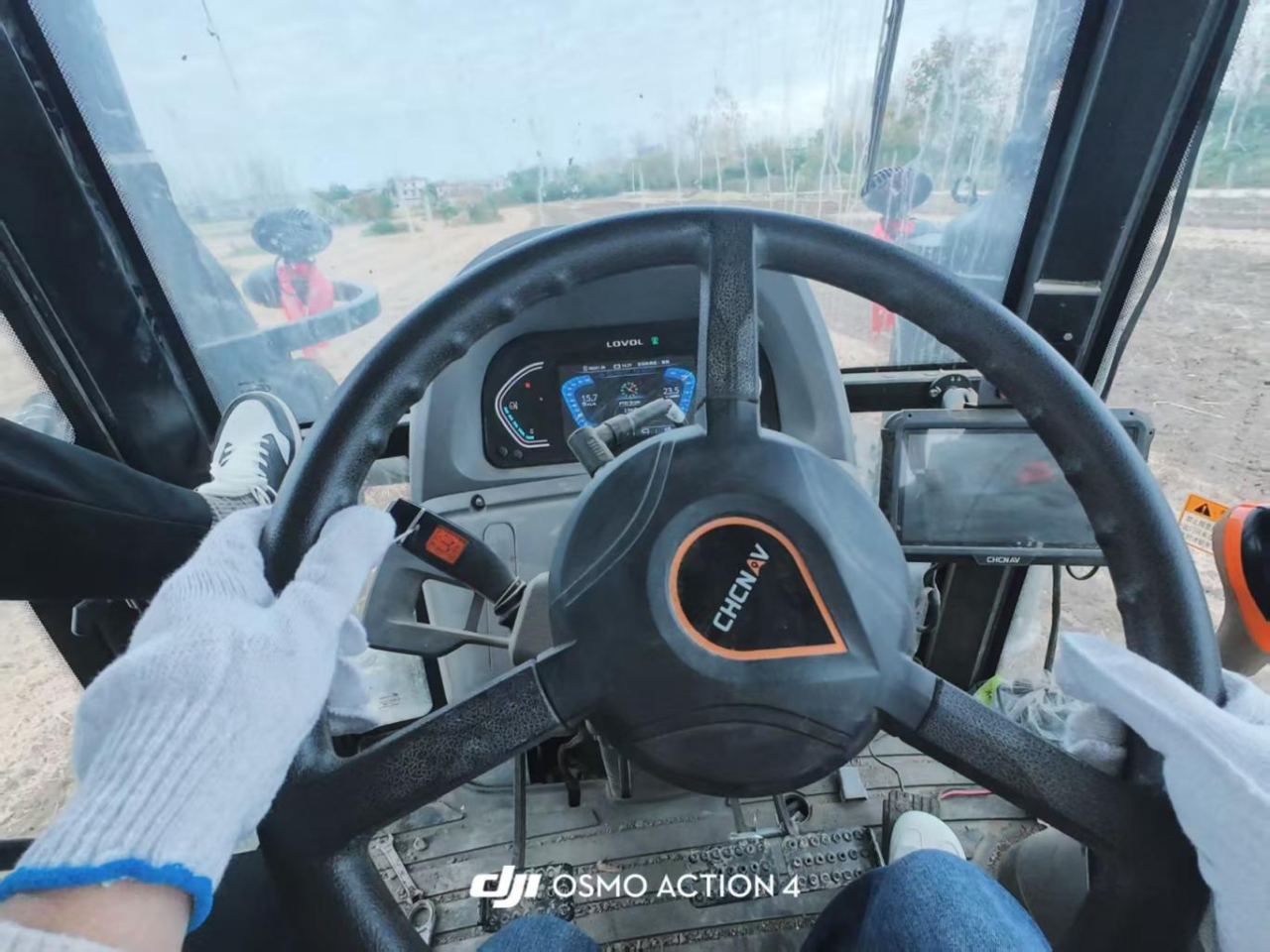
Fuyang’s free farm-machinery course had 50 trainees, just 7 of them women. Wu Ting and her peers hesitated again and again before the combine harvester—until one sister claimed the cab and started off steady, loosening the assumption that “women can’t drive.”
Jiang Ke, who served seven months as a Shift Manager at McDonald’s, discovered that the precise order-fulfilment system is both advanced and fragile—behind the beeps and countdowns lies the staff’s real experience of “human-machine unity” in a cramped kitchen.
Ÿnsect, the European insect-protein unicorn that raised USD 625 million, has been wound up by a French court. A UK Government-commissioned life cycle assessment also shows insect meal’s carbon emissions far exceed soybean meal’s — the capital narrative of “eating bugs equals eco-friendliness” is being punctured by full-chain data.
Farmer Kou Yanding of Villain Valley, Fujian, has sued Baidu at the Beijing Internet Court, alleging its AI fabricated an extortion charge against her — the first documented AI defamation case in China.
From Qiandongnan to Baoding, from Thailand to the Philippines, seed-saving farmers and seed workers guard old varieties amid the standardised expansion of hybrid seed, questioning who has the right to decide what we grow and what we eat.
“Scientific farming” in rural Northeast China is shaped largely by agri-supply dealers bundling drones with fertiliser. Maize fell to 1.1 yuan per jin after harvest; farmers spraying twice versus five–six times saw almost no yield difference. More output never brought more income.
In summer 2024, agricultural drone pilots in Heilongjiang faced a harsh reality: pesticide drift compensation disputes, health damage amid a lack of labour protection, and per-mu service fees sliding from ten-odd yuan to 2.5 yuan.