
Caught Between Agronomy and Agriculture, Agronomy Students Grow Through Hesitation
Foodthink Says
These rich and entertaining stories all come from Foodthink’s seventh round of the “Eat Well” story solicitation, in which four agronomy students share their lived experiences with us.
For a long time, the only image that came to mind when people heard “agronomy student” was one of them tilling the soil. Since last year, that stereotype has been shattered, replaced by eager praise for the sheer vitality of these students. And they, for their part, have been generous – from rice and wheat to melons, fruits, pears and peaches – proudly showing off the gracefully grown crops they have tended with such care.
Yet some serious questions have always sat squarely at the centre of their thoughts: Why did you choose agronomy in the first place? Why is there a disconnect between the agronomy taught in school and the realities of agriculture? Where do agronomy students end up after graduation? How are their pay? Do companies actually need the technology they are researching?
All four contributors have either graduated or are about to, so it is natural that they have given these questions some thought. When describing the details of their studies and their labour, they radiate passion and energy; yet when the conversation turns to their career prospects, a trace of hesitation and bewilderment slips through. The contrast between the two is striking. One cannot help but wonder: will there someday be some social arrangement or industrial structure that allows them to channel the passion for nature and crops they cultivated at school into real land and real agriculture-building after graduation?
That question lies beyond what they can answer. And as they themselves say, scholars and teams with a heart for agriculture and the countryside are still on the research frontlines, doing even better work than they do. But the very life trajectories of these four agronomy students are part of the answer, too.
1. @草莓: The Northern Girl Who Went South to Grow Sugarcane
I am now a third-year master’s student in agronomy. My undergraduate degree was in landscape architecture. Because that discipline offered few prospects for the postgraduate entrance exam, many of my classmates switched to agronomy, and I followed the crowd. My supervisor researches sugarcane, so once I arrived here, I simply started learning to grow it too. Before all of this, I had never even seen a sugarcane plant.
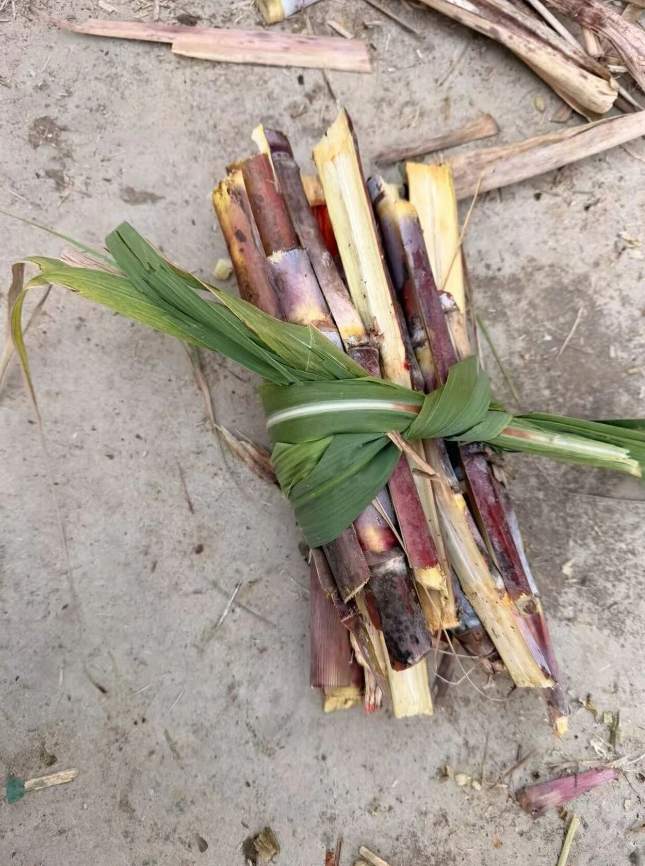
Growing sugarcane has been one stumbling block after another. So many unexpected, scurrying-around-in-a-panic things happen that I could never have anticipated, and they have taught me that agricultural labour, though it may look tedious and monotonous on the surface, is in fact complex and ever-changing.
I still remember the start of my first year of graduate school in September, when the three of us in my group were called out to prop up the sugarcane. A typhoon that year had blown every stalk flat. Seeing that sight, I was completely stunned, but there was no time to process it – I immediately grabbed a spade and followed everyone in packing soil around the roots to secure them. From that moment on, with absolutely no mental preparation, I formally embarked on my path in agronomy.
Because the university’s available land was limited, my senior labmate grew his crops in the open field, while our sugarcane was planted in buckets. I remember that our group of three, together with our junior labmates, dug 300 buckets’ worth of soil in just two days. To improve the soil quality, the dug-up soil had to be spread on the ground to dry in the sun and then hammered to pieces. We spent two full days smashing away at the hard clods and stones.
Then there are situations you could never have imagined without actually doing the work. For instance, when the ground is uneven, the sugarcane grows at an angle following the tilt of the bucket – up to about two metres long – making it very vulnerable to being snapped by typhoons. To protect our experimental specimens, we figured out a way to secure the sugarcane with bamboo poles.
The most troublesome part was watering the sugarcane every single day. The ground where we grew it was a depression 60–70 cm below the surrounding flat land. When the plants were young, it was manageable, but once they grew tall with broad leaves, it became completely airless inside, you could not see the sky, and there were snakes and rats in there – every time I went down, I was terrified.
The weather in the south is rather hot. Students in our cohort would take turns watering once a day, each session lasting over half an hour; by the end, our two layers of sun-protective clothing were completely soaked. During holidays, you simply cannot leave. If you do go out, you need to find someone to water and look after your precious sugarcane for you. If you skip watering, some of the indicators you collect samples to measure will certainly be affected.
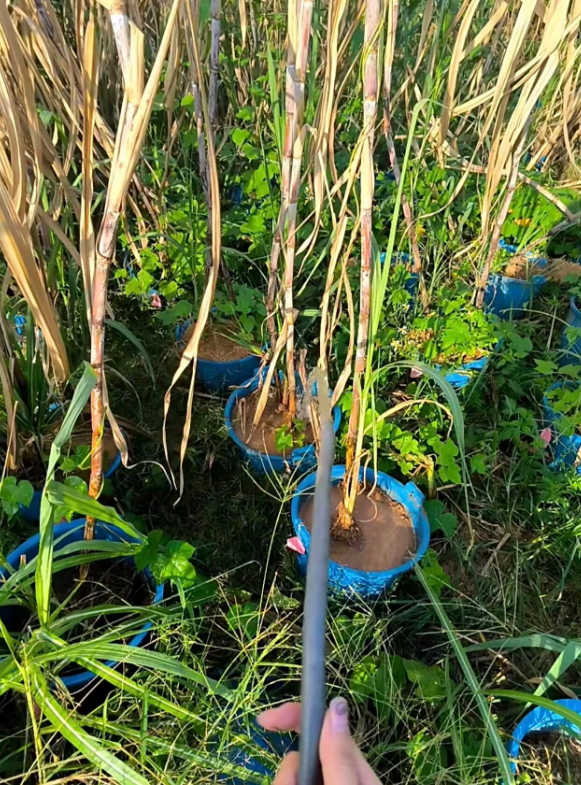
But this experience has also helped me grow enormously. I can now appreciate how agronomic research can genuinely benefit agriculture. Take the microbial fertiliser we study, for example – it can boost crop yields, stabilise the soil ecosystem, and reduce the harm that chemical fertilisers do to the land.
On a personal level, studying agronomy is exhausting, but the labour itself has made my life more fulfilling and my character more resilient. I still remember the first time I harvested: my own sugarcane was so sweet. All those months of looking after them had finally paid off. Indeed, the land never lies.
Now, as graduation approaches, there are few positions on the job market that truly relate to my research. I am not sure whether I will continue working in an agriculture-related field, but the memories and the knowledge I have gained are precious all the same.
All in all, I feel as though I stumbled into agronomy by accident rather than out of a deep love for the discipline. But over these past three years of nurturing and tending crops, even the seemingly trivial, dull, nitty-gritty details have been etched into my body and my senses. If thunder rolls in from outside, or the sky opens up into clear blue, I can sense those shifts in the weather more keenly than many people – or, rather, more keenly than the old me. Because my sugarcane is still out there in the ground.
2. @小熊: The Misunderstood Agronomy Students
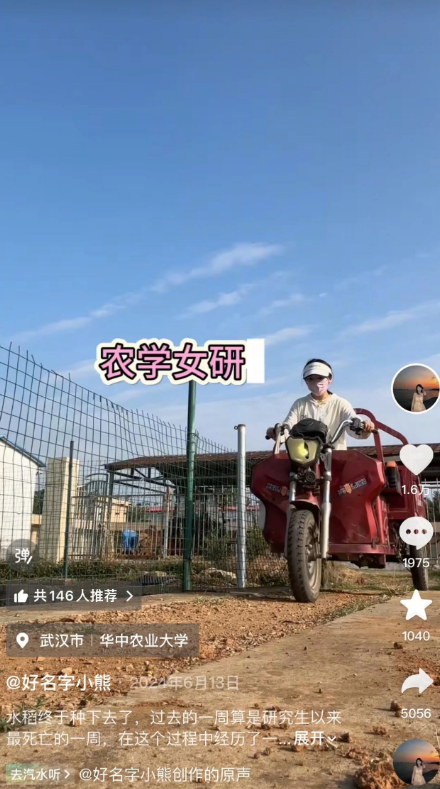
When people hear “agronomy student”, they might assume we simply spend our days farming. In reality, agronomy has many branches, and the academic and everyday lives of different agronomy students look completely different.
My specialisation is Crop Cultivation and Farming Systems, and my specific research area is low-carbon agriculture and sustainable cultivation. Put simply, it involves adjusting variables such as fertiliser application rates and planting density to reduce greenhouse gas emissions during rice cultivation.
For an agronomy student like me, who works in open-field experiments, every day is a process of both mental and physical labour.
I have a one-mu test plot (approximately 0.07 hectares). During the summer experiments, we would be up at five in the morning when the sky was barely light, getting ready to head out to the field. Getting up that early was not a requirement of the experiment itself; it was because Wuhan is truly an inferno of a city – if we could not leave the paddy by nine in the morning, there was a good chance of suffering heatstroke.
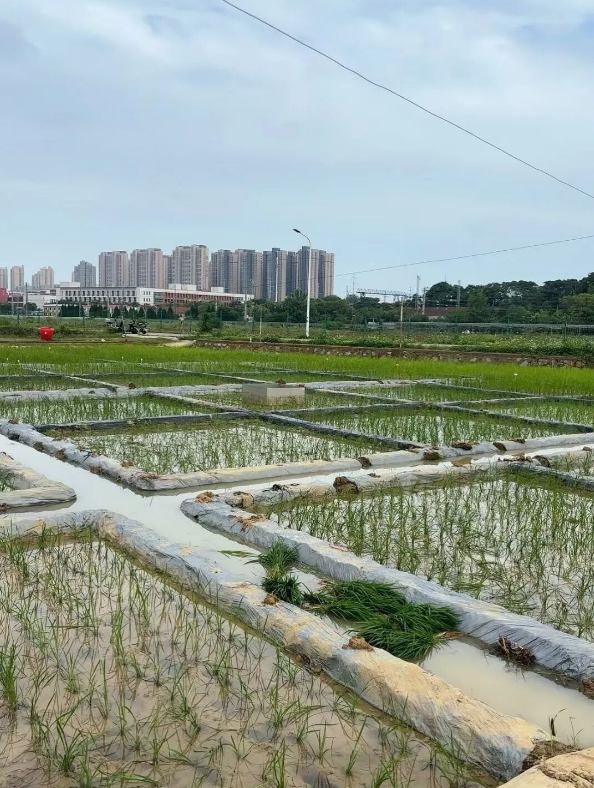
I do not know how many people have ever actually waded into a rice paddy. In truth, simply walking steadily in a paddy is difficult enough; wellies often sink deep into the mud, and no first-year student has ever gone down into the paddy without falling over. What gives me even more of a headache is that my one-mu plot is divided into 24 small sections, each with a different fertiliser concentration, and I need to visit every one of them. Throughout all this physical labour, my whole body is basically soaked through with water and sweat, while my mind has to constantly remind itself: do not mix up the data or confuse the samples, otherwise all that sweat will have been in vain.
I remember the first time I collected soil samples – it was one summer evening, and it took me a full two hours. By then the sky was growing dark, yet it was still stiflingly hot. I looked up around me and there was nobody in sight. Gazing at the university buildings several kilometres away, then looking down at my mud-caked self, I remember thinking: how on earth did my life get to this point? But my face was so caked in sweat that, when I cried, I could not tell the difference between tears and perspiration.
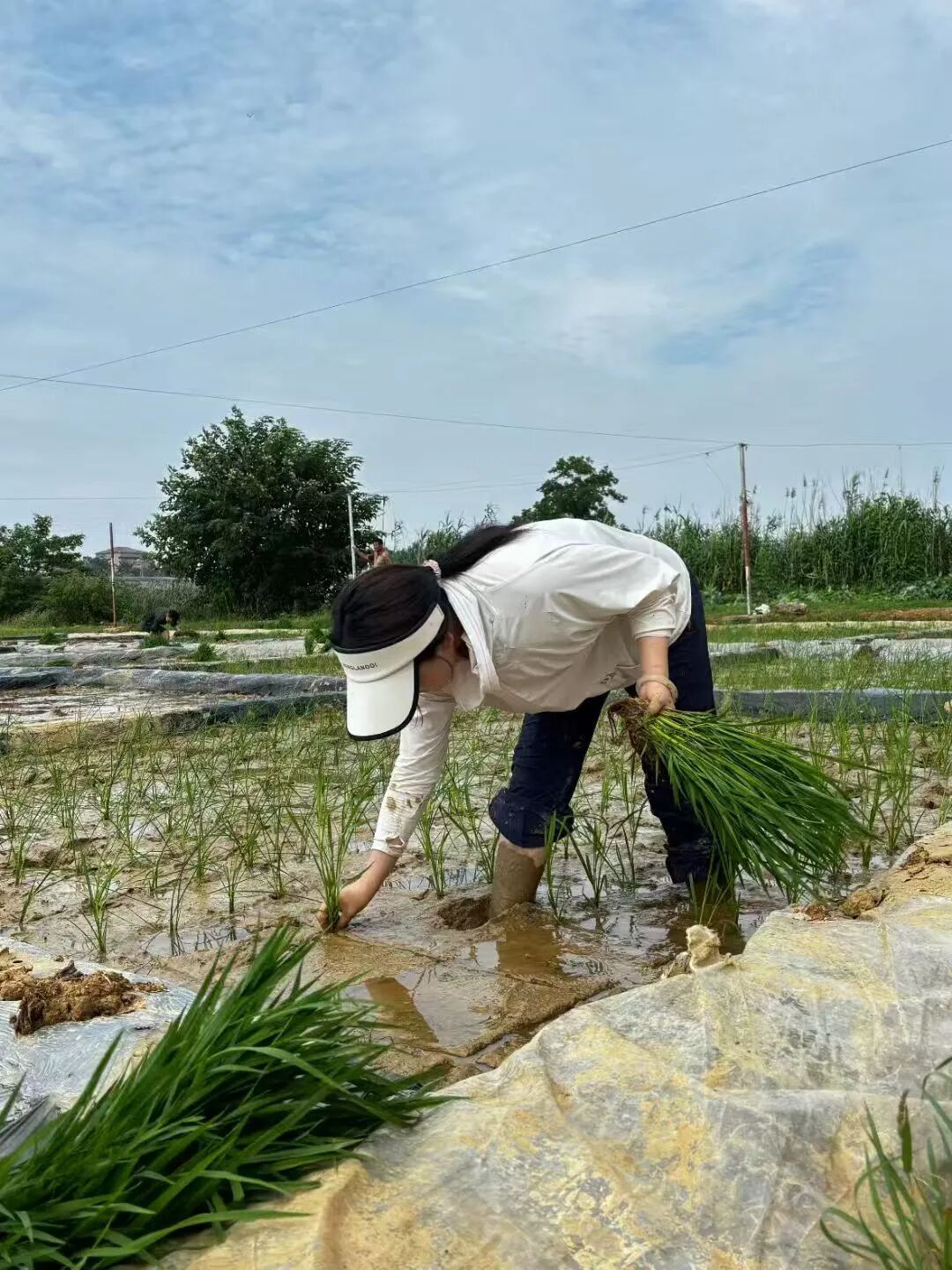
Yet gradually, I developed a certain fondness for physical labour. Physical labour is wonderfully straightforward. Every time I finish a day in the open field, I feel a great sense of accomplishment and contentment, because the fruits of your work come back to you immediately – unlike mental labour in an office or a laboratory, where the feedback is never so direct.
Sometimes, when I am working in the field, if the heat is not too maddening and the experiment is going smoothly, I slowly forget the passage of time and slip into a state of flow.
During the two busiest months of experiments, I would get up at five or six every morning and, out in the field, watch the sun rise bit by bit. I felt just like the rice plants, absorbing the essence of heaven and earth. This is not purely a metaphor; it is a very visceral feeling that comes with being close to nature.
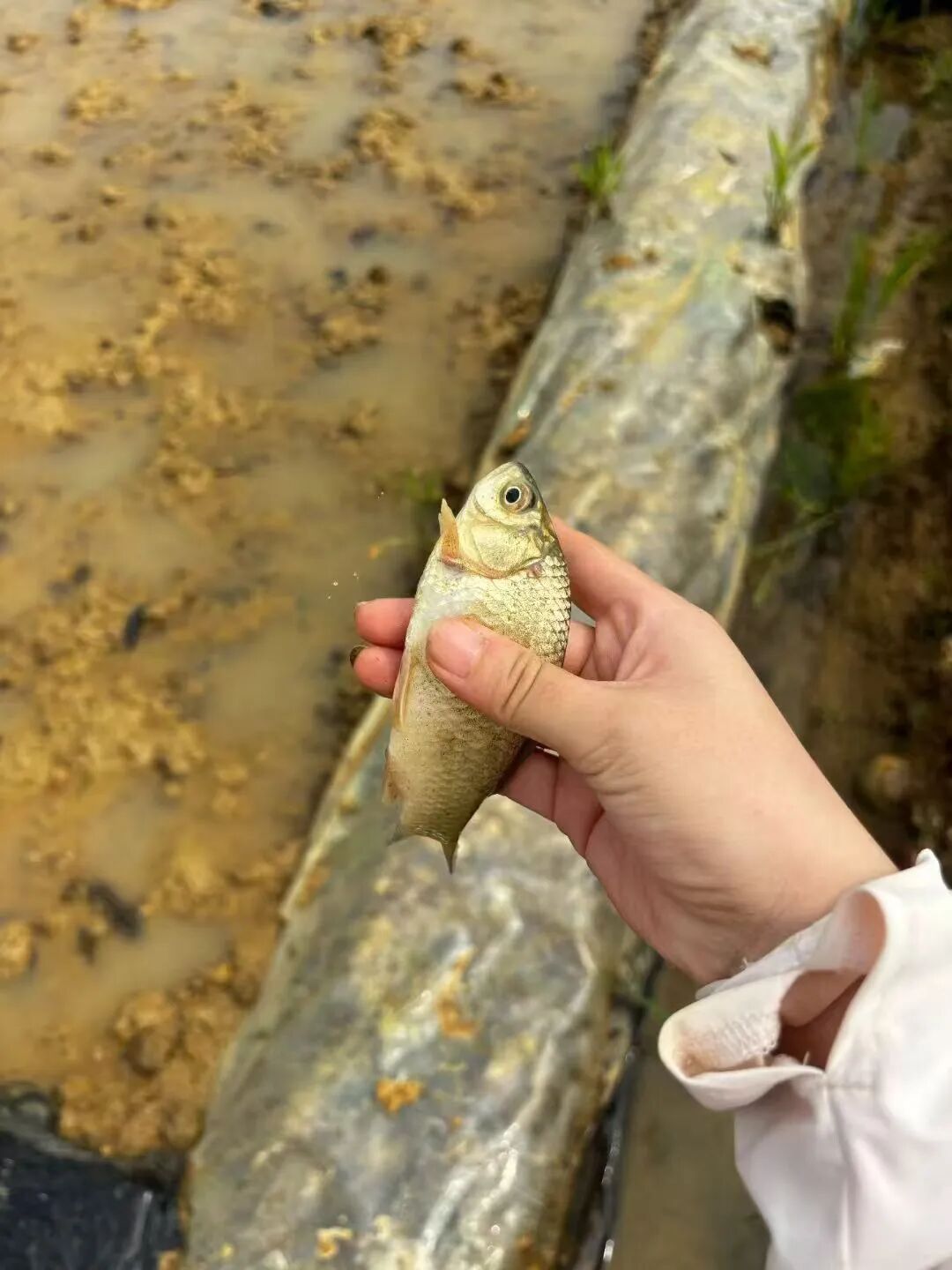
I think this is probably why so many people online feel that agronomy students seem so full of vitality. Moreover, in the course of working and conducting research together in the fields with my labmates, we have forged bonds that I am sure we will look back on fondly for years to come.
Yet beyond the physical labour, our ultimate goal remains to complete our research. So agronomy students, besides doing the hard physical work, must also take intellectual ownership of their own test plots – they need to know clearly how to design their experiments, how to collect and analyse data. These are all indispensable aspects of mental labour. That is why, whenever genuine farmers leave comments under my videos criticising the way I grow things or saying my yields are too low, I feel rather helpless. It is my experimental design that dictates I cannot apply fertiliser!
In truth, this is rather an awkward situation. Sometimes, as I am in the middle of my open-field experiments, it dawns on me that none of this technique will be of any use in our future careers. We will never farm as well as real farmers, and the research outcomes are aimed at reducing carbon emissions – they do nothing to increase yields. Even when some of my classmates are researching ways to boost yields, no agribusiness company is likely to adopt those techniques in the short term. The most common jobs we can find on the market are in sales – going out to sell seeds, pesticides, chemical fertilisers, and other agricultural inputs.
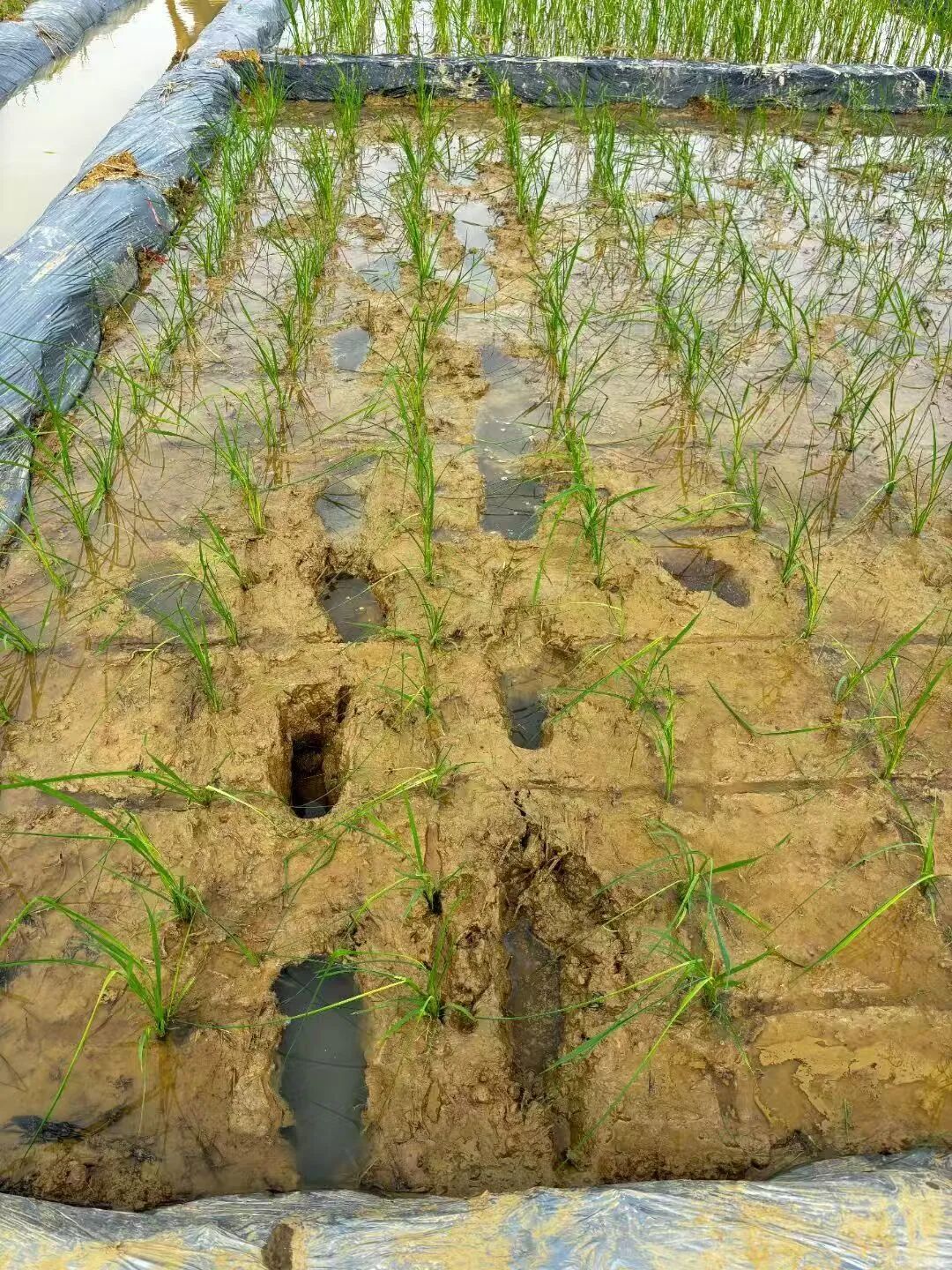
Given these practical realities, when it comes to my post-graduation plans, I am firmly set on sitting the civil service examinations. Of course, there are many people in agronomy – my supervisor and senior labmates among them – who are deeply passionate, who care enormously about the development of agriculture in this country, and who continue to strive on the research frontlines. I admire them greatly. I also hope that in the future, more companies and organisations will emerge where people with research specialisations like mine can find real scope for their work.
3. @yoyo: “You Went to University – and You’re Still Learning to Farm?”
When I talk about it, of course I feel proud, and I find this discipline endlessly fascinating: from a single seed planted in the soil to a cup of fragrant tea in someone’s hands – the journey is both natural and deeply human.
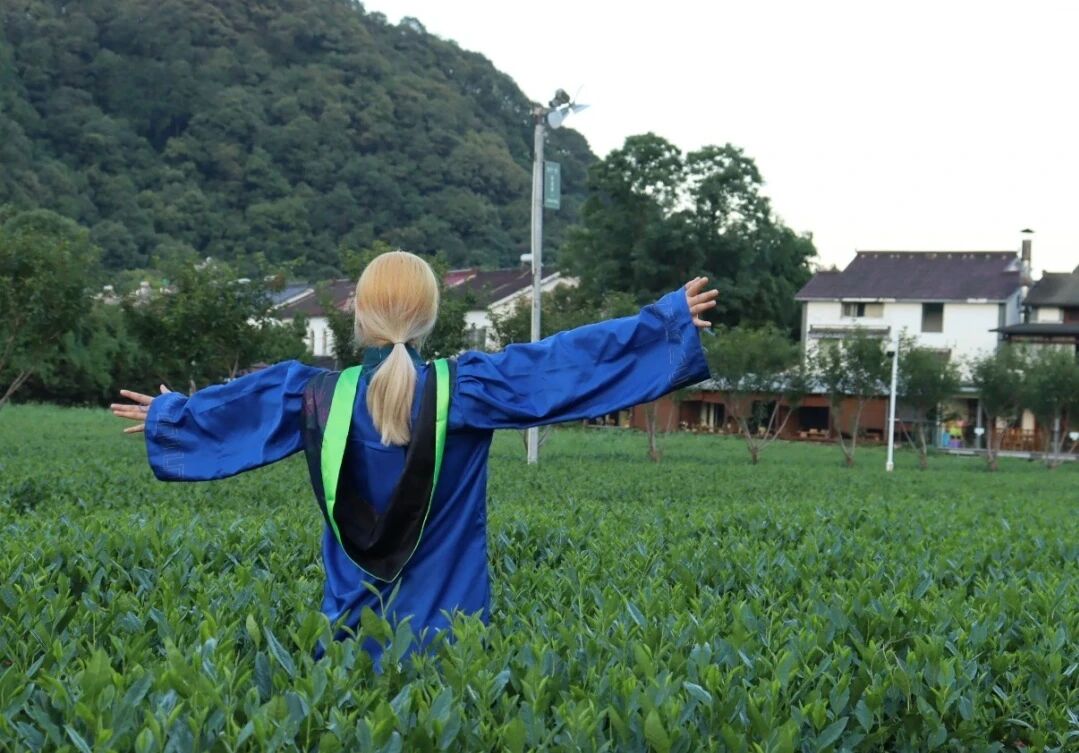
A little-known fact is that not every tea science student gets the chance to grow tea trees from scratch. Tea is a perennial woody plant, and by the time a tea tree reaches maturity, a whole generation of master’s and doctoral students will have already graduated. As tea science graduate students, we typically pick up the baton from our predecessors and continue tending and recording the progress of each and every tea tree!
Fieldwork is exhausting. Our companions are usually blazing sun, tiny insects, and the occasional snake. But whenever I recall the labmates who have been out in the fields with me – sweating side by side, cheering each other on, snapping a happy photo and sharing an ice cream after a busy day’s work, falling fast asleep on the bus during research trips – I feel that no matter how gruelling it was, these are memories worth treasuring. And the effort is worthwhile: only by pushing through these hardships can we accurately record the data from each individual tea tree and ensure our subsequent analyses are reliable.
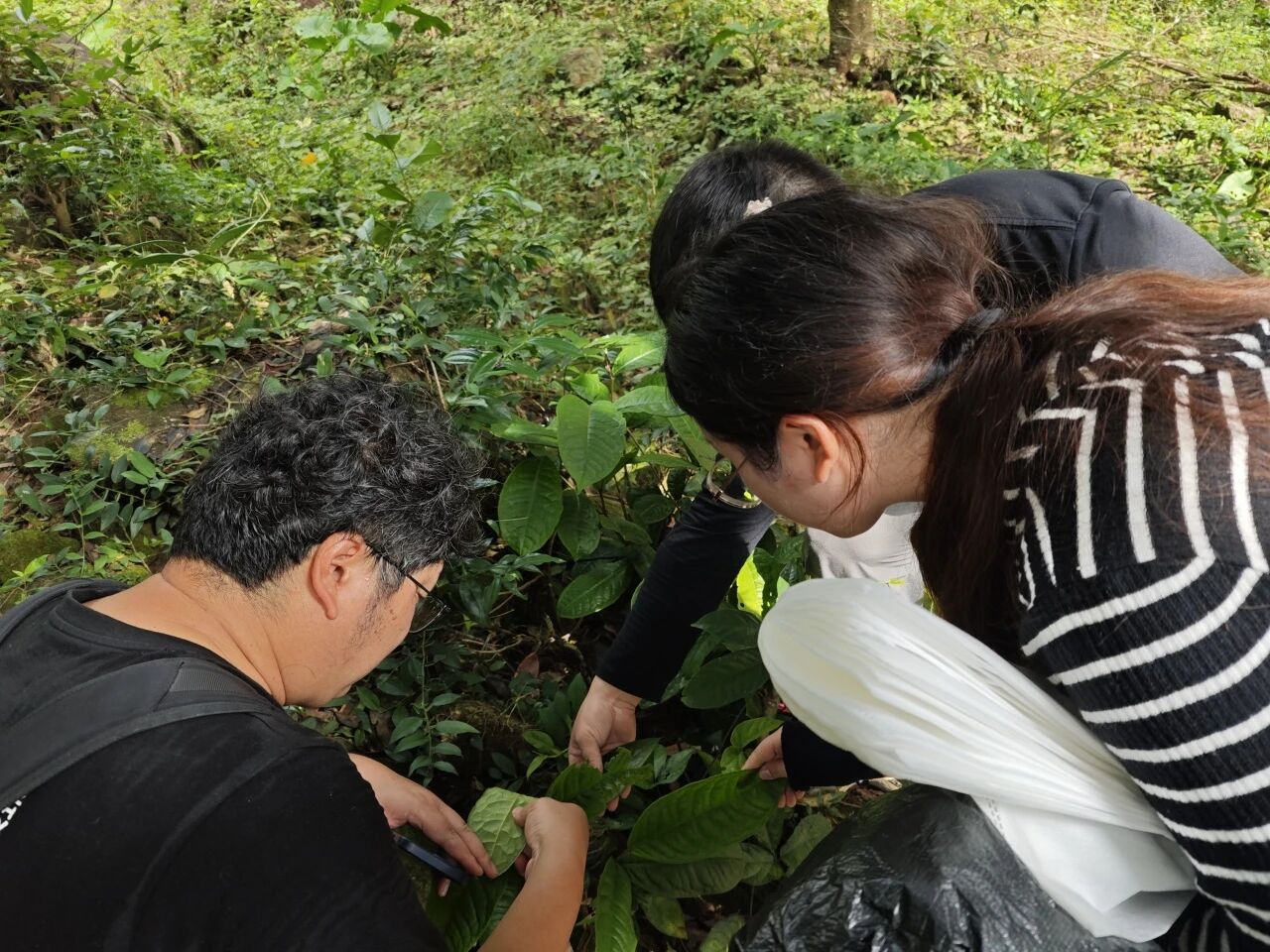
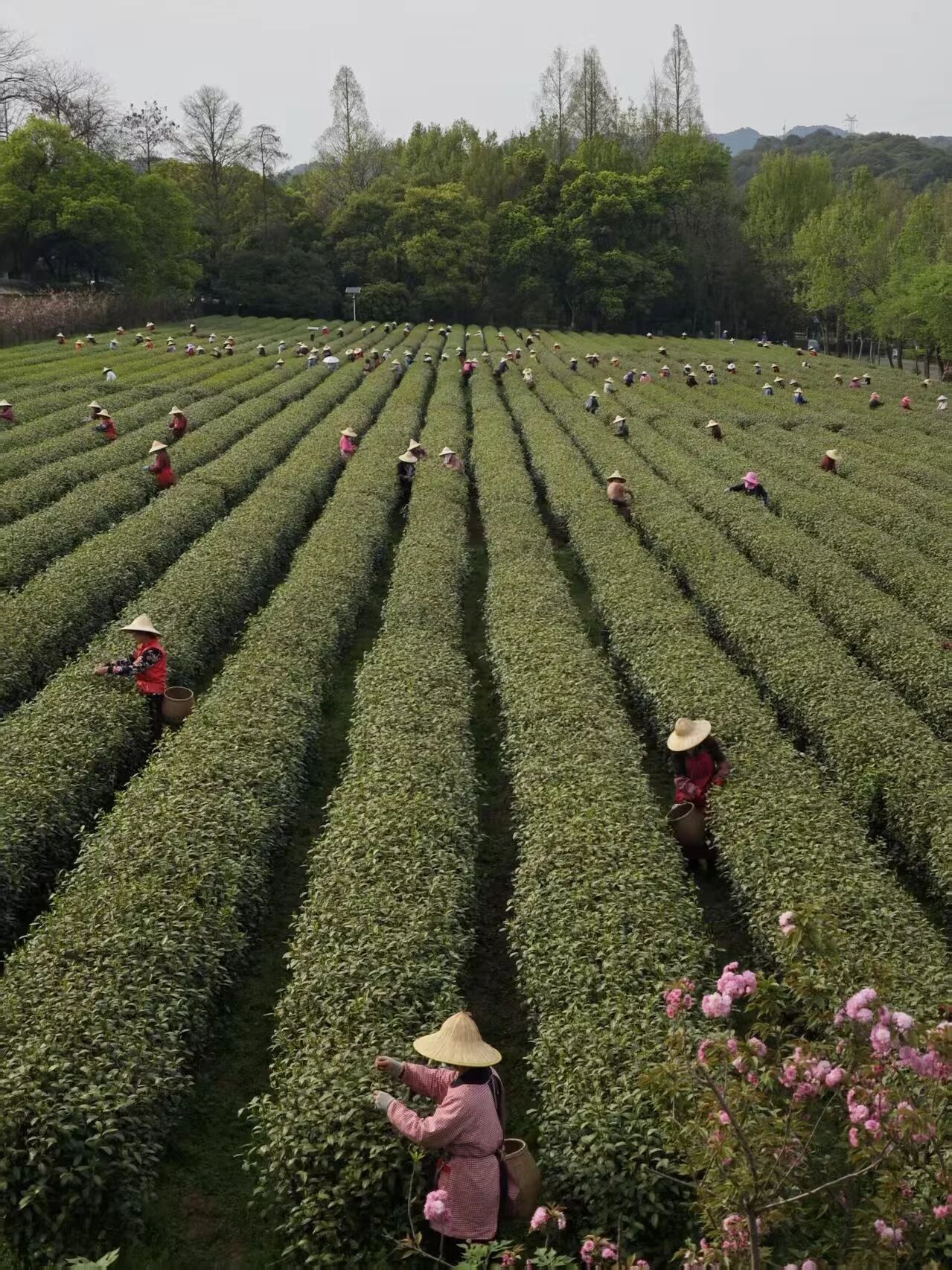
The seasons turn, time flows on, and the spring tea season is the busiest period for both tea farmers and our team. Nearly every teacher and student rushes about the tea fields and the tea processing workshop in full swing. This is the moment when we feel most fully ourselves as tea science students – hand-picking leaves, firing the tea, all eyes on endless green, every room filled with the fragrance of tea. It was during those days that I learned to fire Longjing tea with my bare hands.
These are the beautiful sides of being an agronomy student. But there was a time when I did not want to mention to others that my field was related to agronomy. I felt it made me seem a little lesser, and the job prospects were not as good as those in other disciplines. Even relatives would challenge me: “You went to university – and you’re still learning to farm?”
Then, just recently, I happened upon a post praising agronomy students, and the comments were full of lines like “Who knows? My cotton/wheat/chicks/ducklings… are just so graceful.” I scrolled through my phone, posted a photo with the comment “My tea trees are graceful too” in the Bilibili comment section, and to my surprise, over 2,800 people gave it a like.
Feeling the world’s recognition and praise for agronomy students, I suddenly realised that seven years as one had profoundly shaped me. For seven years I lived and worked mostly among green spaces, so seeing plants and soil immediately feels like coming home. I have even developed a keen sensitivity that lets me subconsciously register the difference between a place with plants and one without.
IV. @超博: The Disconnect Between Agronomy and Agriculture
I studied at a university in southern China, specialising in Agricultural Entomology and Pest Control. I completed my PhD last year and now work in a local department of agriculture and rural affairs.
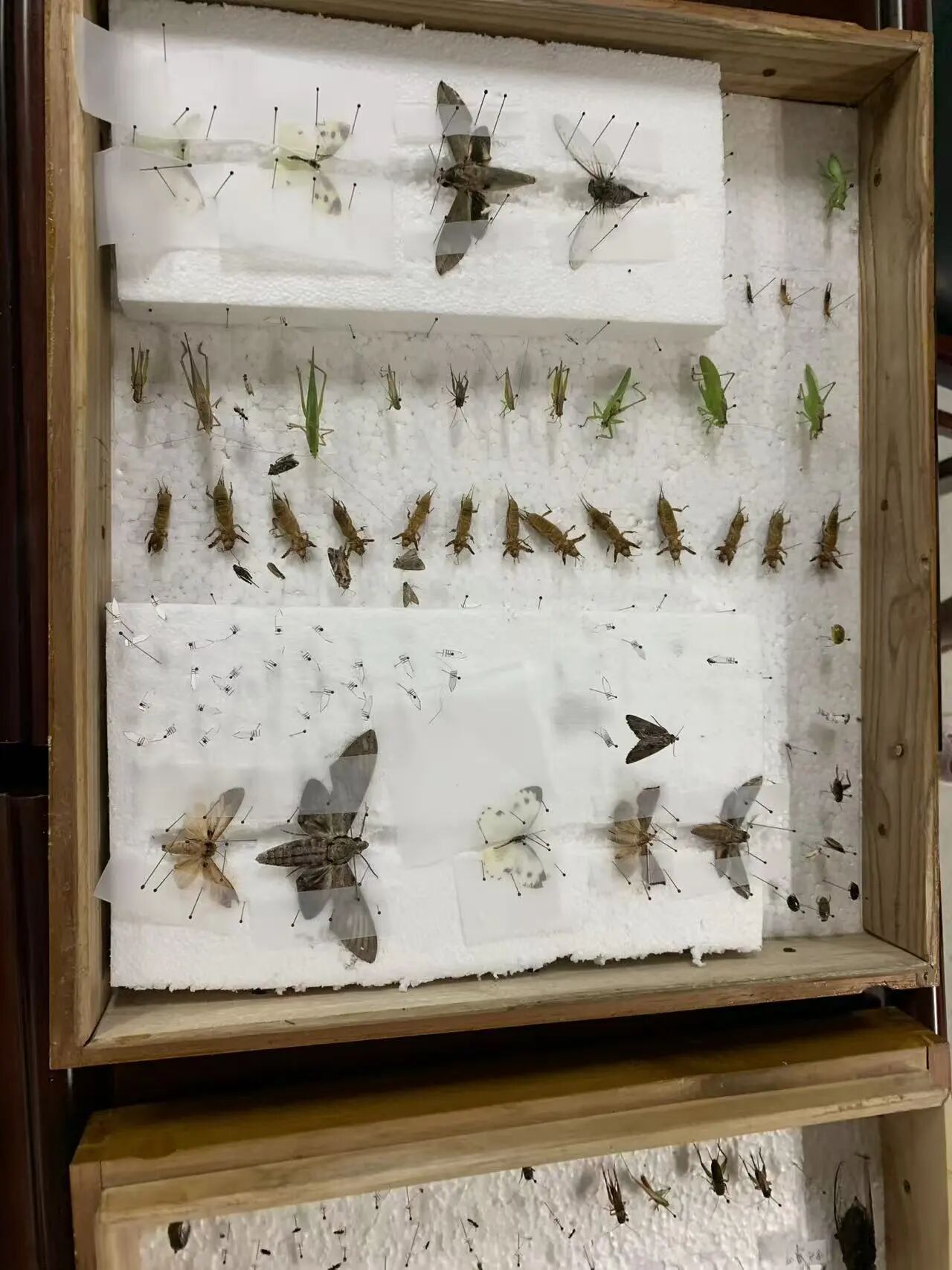
My primary research subject is a pest of rice – the brown planthopper. My day-to-day work involves dissecting these tiny insects in the lab, examining their testes, ovaries, and the eggs they lay inside rice stems.
Brown planthoppers are poikilotherms, so their reproductive capacity is highly susceptible to temperature. It has been observed that climate warming can drive brown planthopper reproduction and population outbreaks. What I study, then, is the brown planthopper’s reproductive capacity under different temperatures, and I try to identify the key genes through which temperature mainly affects their reproduction.
Relatives and friends often mistake me for an agriculture expert! Some will ask me: what disease has my plant caught? What pests are on it – how do I deal with them? My field is showing certain symptoms – which chemical should I spray? When I go back to my hometown, I sometimes chat with the handful of elderly folk who still farm, but most of them have no concept of specific pests or diseases – they do not know what exactly is wrong, only that they need to spray something. In situations like that, I cannot offer any useful advice either.
In truth, the agronomy taught at university is disconnected from the realities of agriculture. Modern agronomy leans more towards biology, and the agricultural knowledge taught in schools is far too theoretical – for instance, the functions of various plant hormones, the differential symptoms of various pests and diseases, and so on. Students come away from it with nothing more than a textual memory, lacking any intuitive, hands-on understanding.
Many young faculty members understand biology but not agriculture. By contrast, the more senior teachers – if they conduct open-field research – are frequently out among the fields and do have a reasonable grasp of actual field conditions.
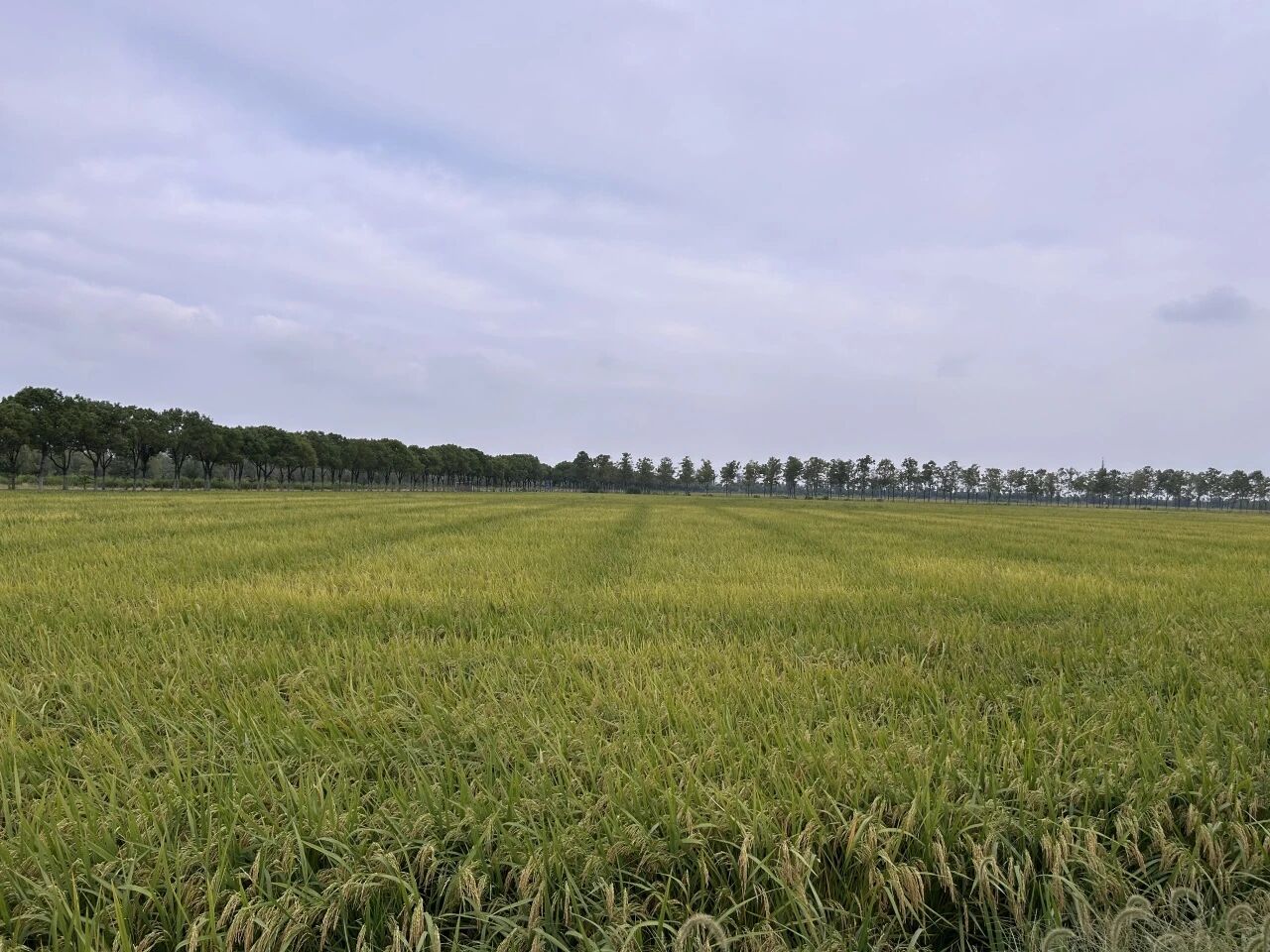
Open-field research, by comparison, feels like a thankless task – enormous effort, long durations, and meagre outputs. For example, someone might study what effect planting a particular flowering species along field ridges has on the crops in the adjacent field. This typically requires several years of research before the findings can be considered scientifically sound. But if one particular year brings drought, torrential rain, or other extreme weather, all that accumulated work can go down the drain.
Whereas a molecular biology experiment might yield a publishable paper in just a few months, and even if today’s experiment fails, you simply start again tomorrow.
Admittedly, many cutting-edge questions must be explained at the molecular level. Yet truly good research should begin by observing a phenomenon in the field and then dissecting it at the molecular level. The problem is that new phenomena are extremely difficult to discover, and parsing them takes an enormous amount of time. To rush results into publication, close out projects, or simply graduate on time, most people opt to “switch to a different crop and continue researching along the same lines of inquiry and methodology”.
But for me personally, my years as an agronomy student have still deepened my attention to and thinking about the Three Rural Issues – agriculture, rural areas, and farmers. Before, my awareness of food, land, and the countryside was rather like my awareness of air and water – I could barely register their existence. Now, through studying organic agriculture, food safety, and related subjects, and by engaging with every aspect of rural life and agriculture in my work after graduation, I have gradually come to understand how important food is and how intimately it is bound up with agriculture.
Planning: Li Ye, Yuyang