From avocado cultivation draining South America’s water resources, to newborn calves sent straight to the abattoir, to Sucralose on ingredient lists — people have decided to stop buying certain foods, out of concern for the environment, animals, food safety, or a collapse of trust.
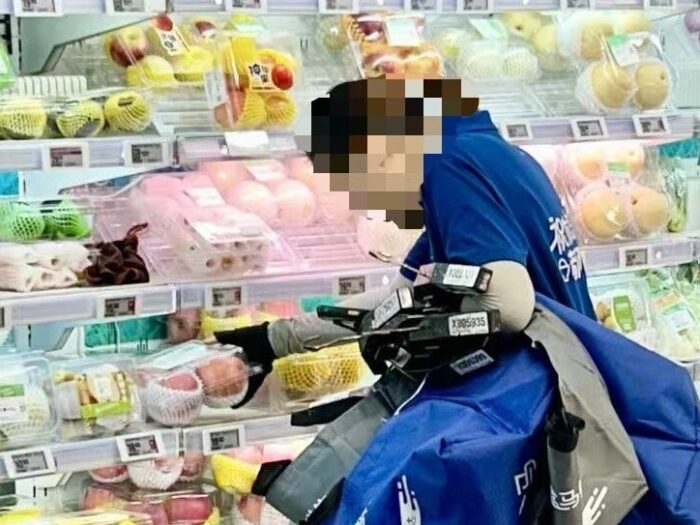
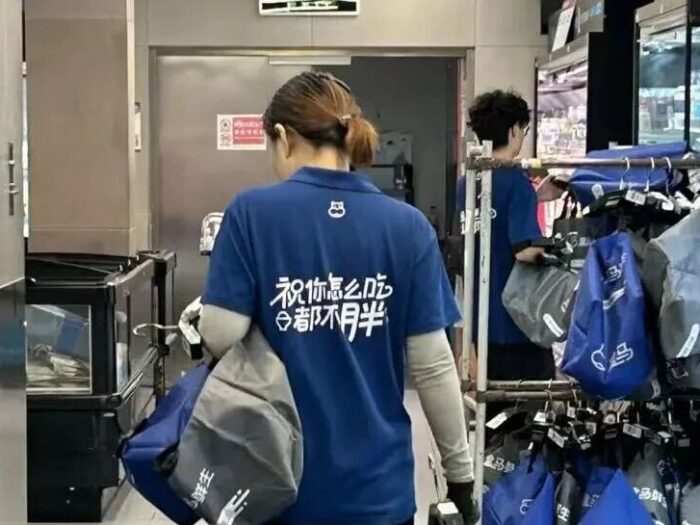
Two order pickers at Freshippo and Xiaoxiang say that under the pressure of algorithms, injuries must be borne alone; the contract casts both sides into a “pure business cooperation relationship”, denying any employment relationship — yet between dashes, colleagues still willingly lend a hand.
Order pickers who have run orders at Hema (Freshippo) and Xiaoxiang, in dialogue: seven hours with no meal break scheduled, twenty thousand steps a day, pay tiers never disclosed, and PDA efficiency rankings that hook you like a game.
Brazil’s smallholder farmers are breaking free from pesticides and chemical fertilisers, moving towards agroecology, while consumers drive change back to the production end. Experienced food and farming practitioner Bia Goll from São Paulo shares twenty-plus years of practice. Saturday, 12 September, afternoon – Beijing in-person + online livestream.
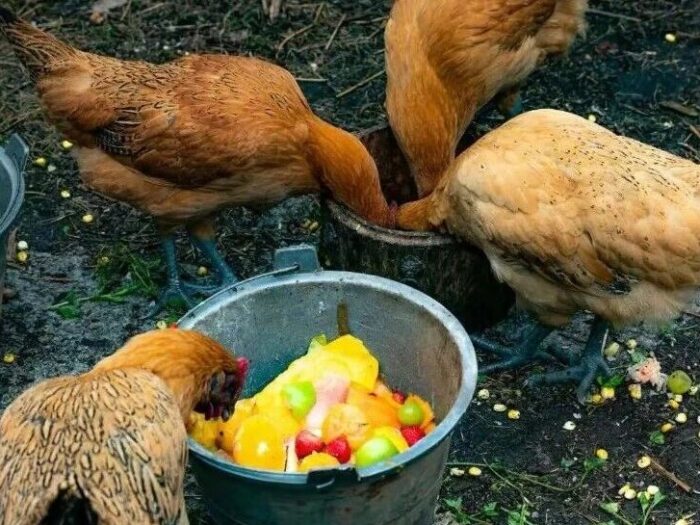
Jin Lipeng, lecturer at the School of Experimental Art, Chongqing’s Sichuan Fine Arts Institute, led students on Huxi Campus in raising chickens and composting through Permaculture. After summer construction workers stole 10 chickens and 2 geese, the school decided to no longer permit poultry on campus, ending its year-and-a-half-old Happy Chickens Raising Cooperative.
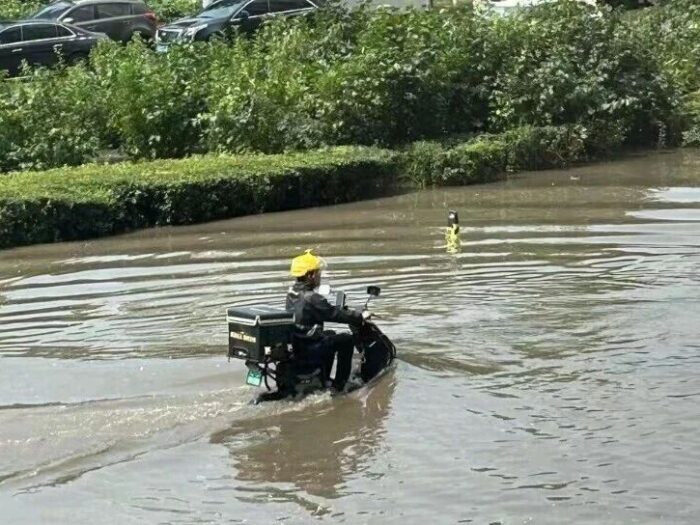
Professor Zhang Dandan of Peking University called flexibility itself a benefit. Zheng Yuyang, who trekked with odd-job workers harvesting Korean pine cones in the northeast and delivered food in Beijing for four months, found this grating: workers want a stable job with social insurance and dignity, not flexibility.
Two hours at Shahe Fair in Changping, a bag of Pinggu peaches in hand: Zhong Shuru notes young people’s thrill of “once you step in, you can never leave”. In her Market Research Group, browsing markets is shifting from novelty check-ins to reading food and the city.
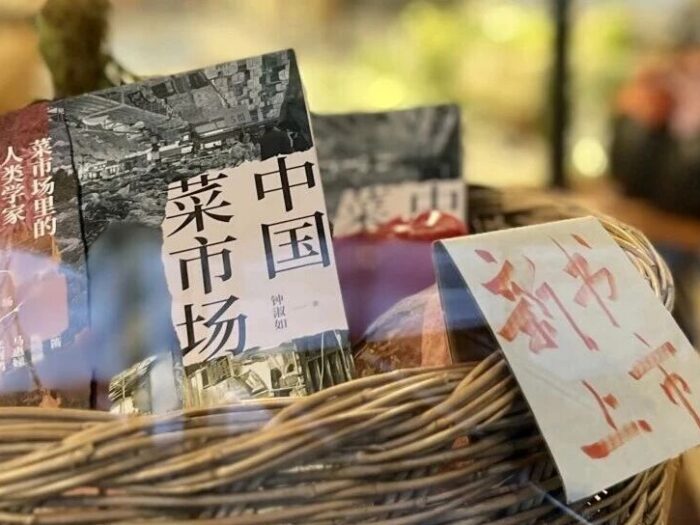
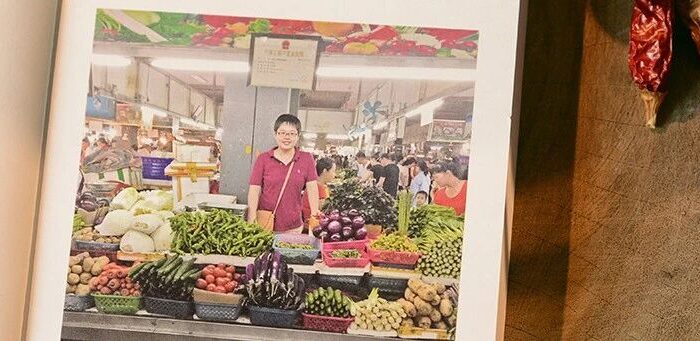
Zhong Shuru, author of China’s Wet Markets, brings her new book to Beijing, Saturday (22 August): a morning browse of the Organic Farmers’ Market, then an evening talk on wet market resilience and future at Jiantou Bookstore. Ten years, 200+ wet markets of fieldwork. Online or in person.
After Shu’er’s autism diagnosis at five, her mother turns market trips into the routine by which this girl of narrow interests maintains social functioning and prevents regression. From dreading stray dogs to watching fish shaved thin at the stall, she grows up amid ten years of market clamour.
Anthropologist Zhong Shuru once took on the role of a “fishmonger” at Hainan’s Yefeng Market, spending fourteen months of fieldwork amid the stink of fish and sweat. Excerpted from the prologue to Chinese Wet Markets, this article records her first encounters embedding herself in stallholders’ daily lives.