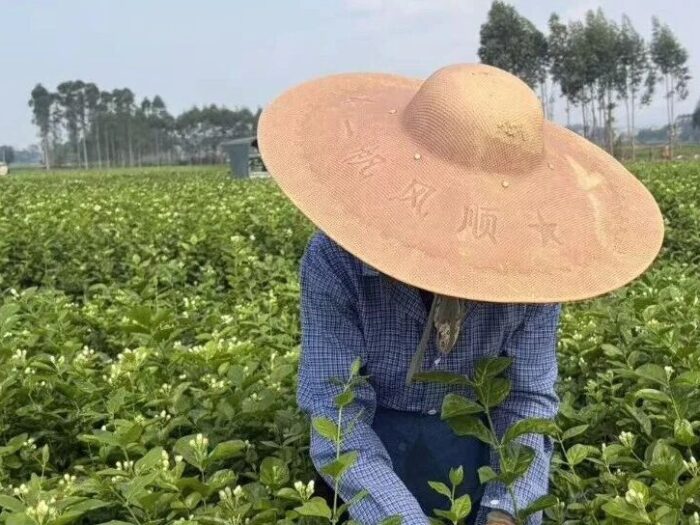
Auntie Huang in Hengzhou’s jasmine flower fields, Auntie Lu in Yingde’s tea gardens—both rely on decades of practised hand-and-eye judgement to know which flower to pick, which leaf to pluck. This experience cannot be written into machine instructions, yet is always classed as “requiring little technical skill.”
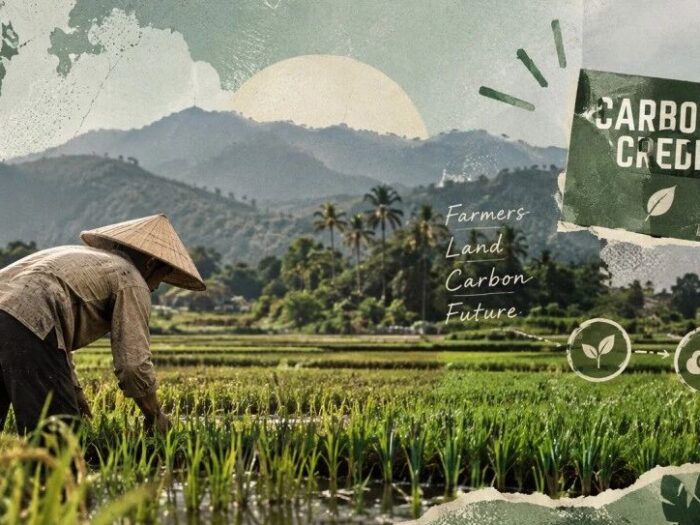
GRAIN’s report tracks the carbon credit projects Bayer, Cargill and other agrichemical companies are pushing on Asia’s farmland: farmers locked into decades-long contracts dictating their practices, getting just about 10% of the revenue, and bundled into buying seeds and pesticides.
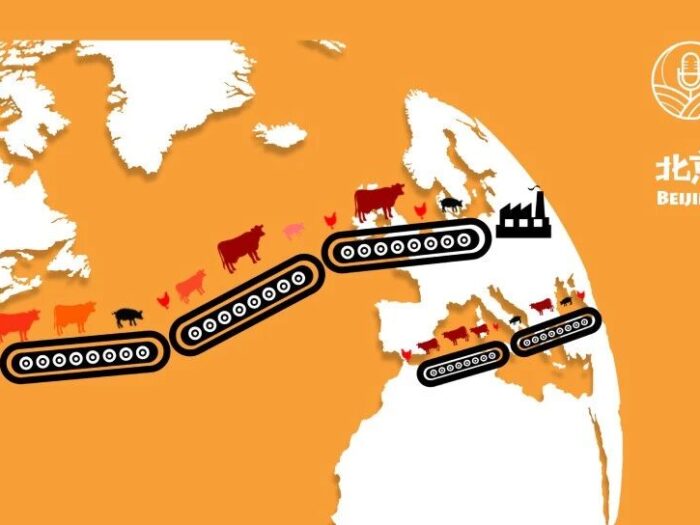
Foodthink invites Leila Yow, Climate Programme Officer at the Institute for Agriculture and Trade Policy (IATP), to discuss the monopoly landscape of global meat and dairy companies, their climate impact, and policy paths to rein in corporate power – this Friday, 11 September, in Beijing and online.
Typhoon Bavi brought record-breaking rainfall, submerging about a third of Dunhua’s urban area and devastating ginseng fields and farmland. Shopkeepers fought chest-deep floods to save stock, villagers were stranded for days, ginseng farmers lost heavily—yet the threats of a wetter climate and encroachment on floodways endure.
The New York State Attorney General’s Office and the Environmental Working Group sued Brazil’s JBS and the US-based Tyson Foods over allegedly misleading “climate-friendly” beef labels. Both cases settled in 2025, yet “natural”, “recyclable” and “zero additives” claims still flood the shelves.
Liulan Reservoir breached; Typhoon Maysak’s floods swallowed jasmine fields, fish ponds and rice paddies in Hengzhou. Flower farmers who expanded planting amid the “new-style tea beverages” boom met downpours beyond the flood defence standard—insurance came up empty, and they can only start from scratch.
Over a decade since the 2016 straw burning ban became a political priority in the three northeastern provinces, Heilongjiang’s Hulan, Bayan and Bin County farmers and cadres proved: ridges wrecked by outsiders, stubble after baling, rice stalks never fully cleared — all for one burning window before spring planting.
Foodthink’s sixth round of the Lianhe Programme small action grants is open to farmers, cooperatives, community self-organisations and others. Priority goes to local projects helping smallholders on the front lines of climate change. ¥5,000–¥30,000 in funding plus communications resources; applications close on 17 May.
Foodthink ends two weeks of silence as Grain Rain arrives, reintroducing itself to readers: a food and agriculture platform founded in 2017, focused on smallholder livelihoods and the conditions of food and farming workers. This year it turns its focus to women farmers, herders and climate resilience.
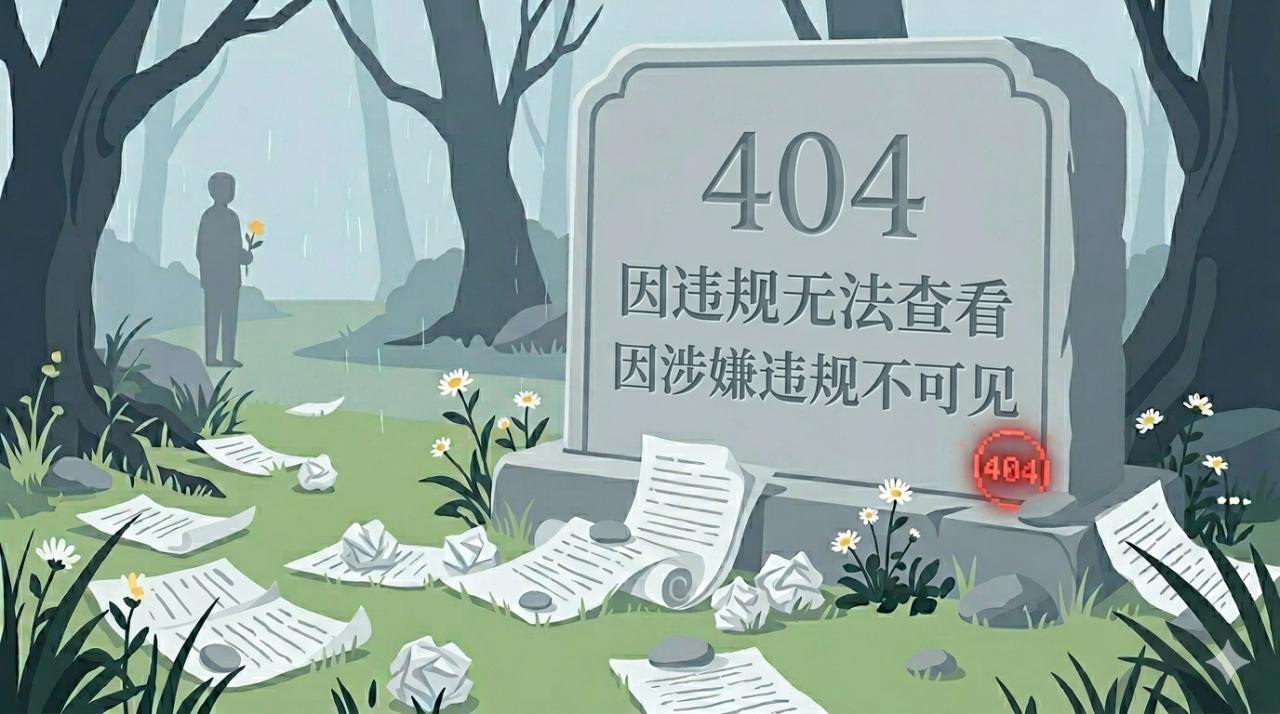
In 2025, Foodthink’s removed articles covered food-delivery rider labour, mouldy grain during North China’s autumn harvest, rural heating in Hebei and high-standard farmland — most were not “sensitive topics”, merely widely known facts. Reader comments are deleted faster and faster; the space for public discussion is narrowing.