
Those 404’d Voices from the Past Year
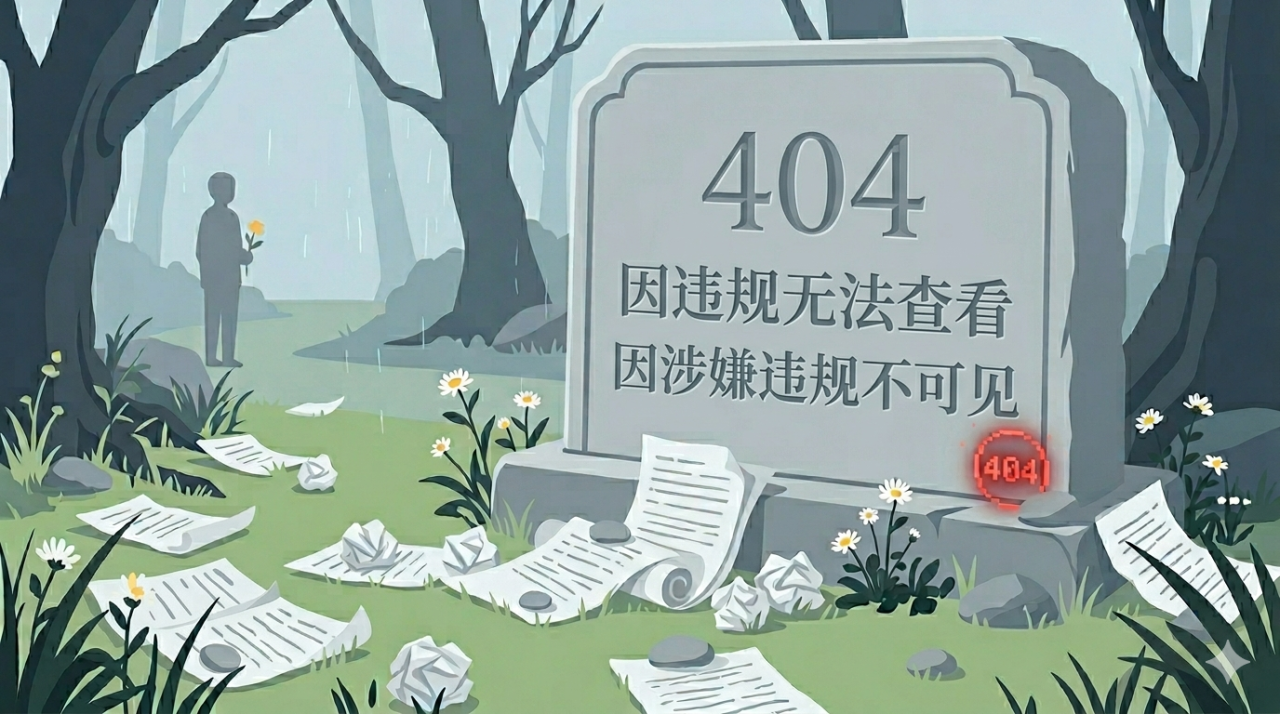
On 4 April last year, Foodthink published a “Collection of Deleted Articles”. Since then, every time an article was taken down, colleagues had a little joke to console themselves with: “Next year’s 404 has been 404’d again.”
But the 404s across the two years haven’t been quite the same. In 2024, Foodthink‘s deleted articles were mostly not trending public issues or “sensitive topics” in the traditional sense — for instance, a roundup of 2024 reporting, research and creative work by domestic media and academia on food-delivery and e-commerce platforms; or an introduction to Singapore’s social security measures for platform workers. So each time an article was removed, the editorial team was genuinely taken aback, unable even to fathom the logic or motive behind it.
Among the articles deleted over the past year, however, two were on social issues that were either current at the time or had been ongoing concerns, and both institutional media and self-media had reported on them. But eventually, at a certain moment, everyone went silent.
To safeguard food security, we have the permanent basic farmland protection red line; to protect the environment, we also have the ecological protection red line. Yet in the public sphere, we cannot see this clear line. All we can see is a single message: “This content cannot be viewed due to a violation.” As for what remains, we can only piece it together from each article that has been 404’d.
Below are the articles that were 404’d in 2025. Based on the clues provided, you can read the first half of its life.
404 Not Found I.
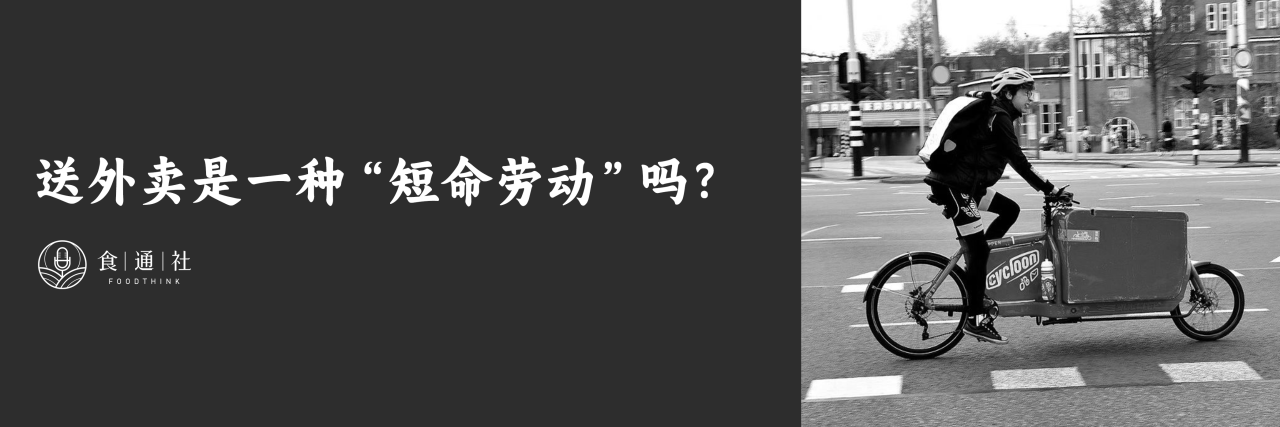
This was in fact a response to the book Transitional Labour, published that year, which explores delivery work. As a nutrition PhD whose research focuses on how socio-economic relationships affect population health, the author approaches the question from a nutritional perspective: could doing deliveries as a job truly make riders live “shorter lives”? She concludes by emphasising that excessive work is not confined to delivery riders — many people in modern society also endure irregular meals, high-intensity work and income instability, performing labour that is “instrumental rather than meaningful”, much like running deliveries. The author invites readers to reflect, through the riders’ circumstances, on why food security and economic growth have not made eating well any easier.
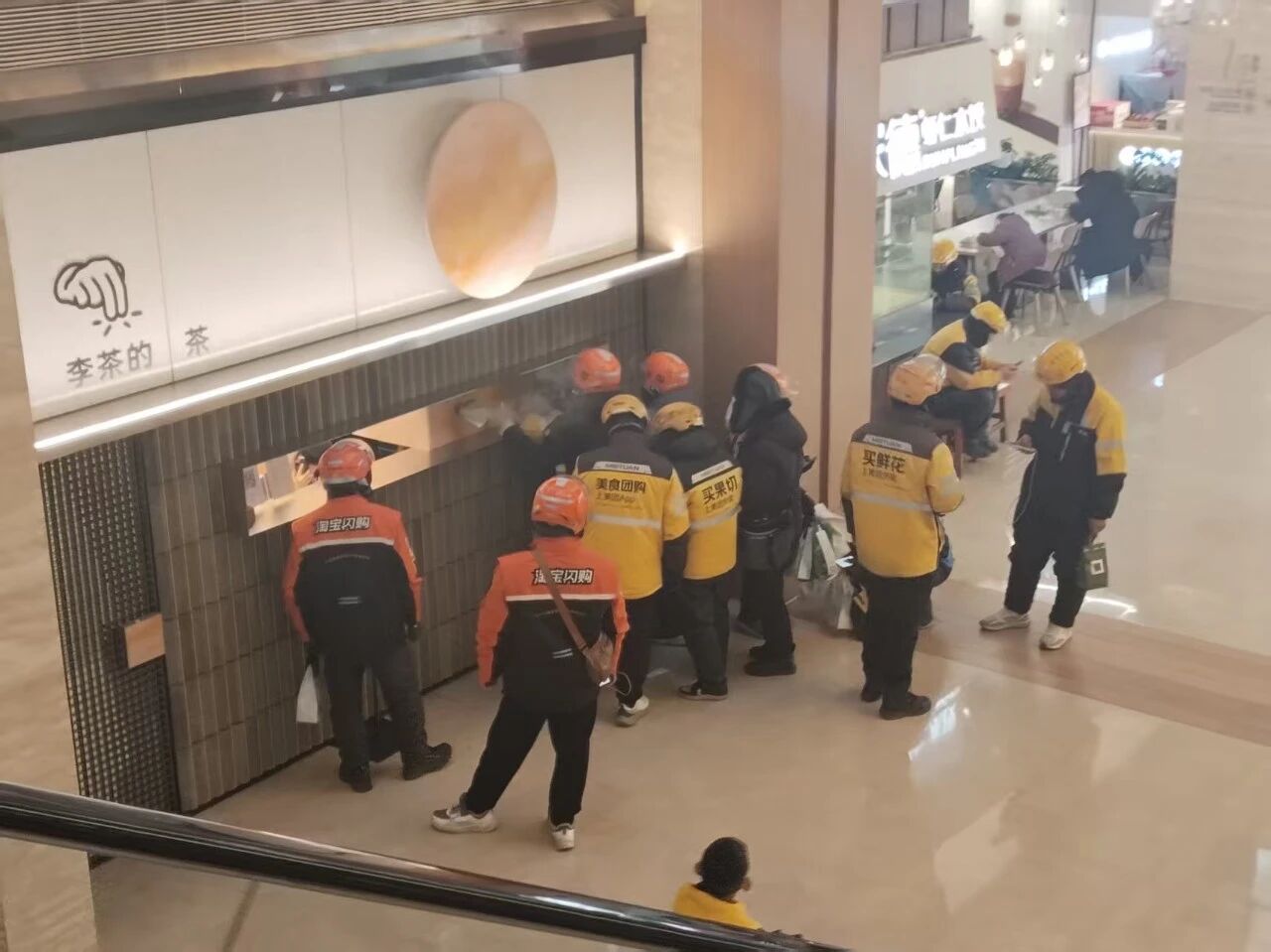
Send “丑团” (Ugly Group) as a message to our WeChat Official Account “Foodthink” to read the full article 🙏
404 Not Found II.
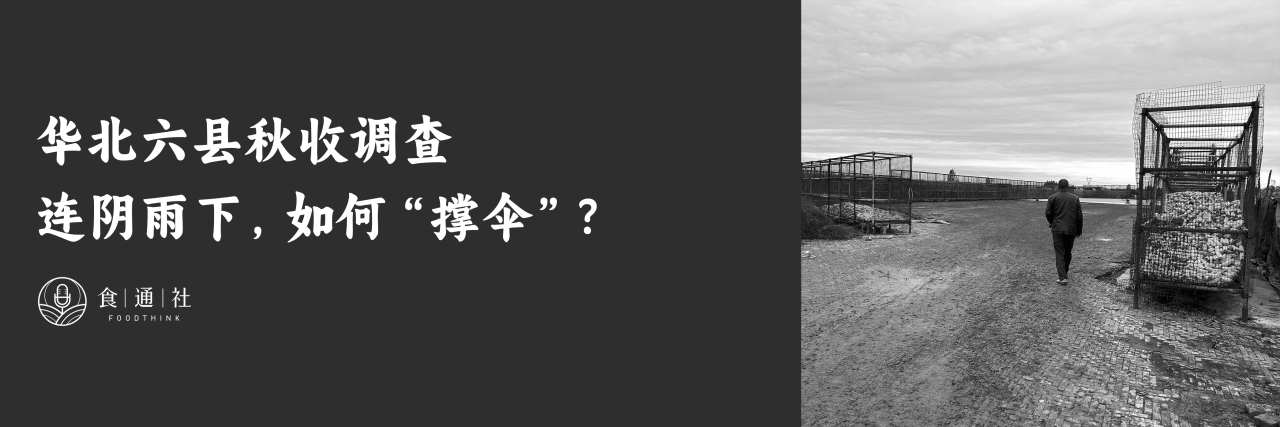
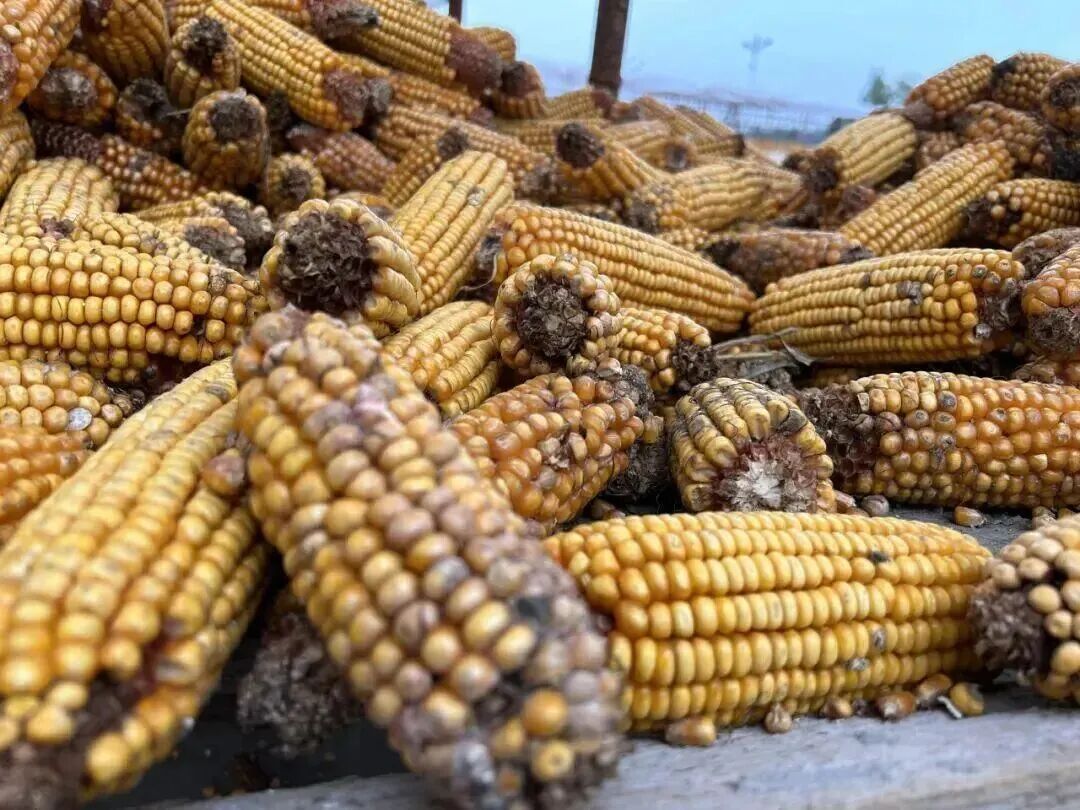
In 2025, North China’s autumn harvest was met with months of continuous rain. Corn could not be harvested and went mouldy one after another. “Prolonged Autumn Rains in North China” trended on social media, and platforms across the board relayed coverage one after the next. Foodthink visited six agricultural counties in Henan and Hebei and found that at every stage from planting to sale, growers, buyers and local governments had exhausted every avenue to cope. Yet no matter the scale, resources or equipment of a given farm, almost every corn grower had no choice but to accept the losses in yield, price and grain quality that the mould inflicted.
Send “撑伞” (Open an Umbrella) as a message to our WeChat Official Account “Foodthink” to read the full article 🙏
404 Not Found III.
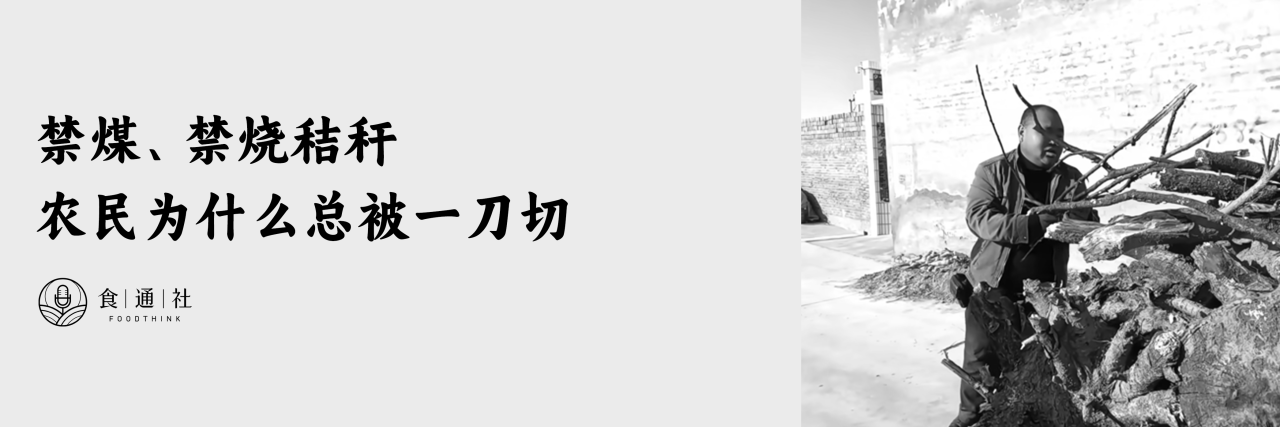
Much like the “prolonged autumn rains in North China”, the “Hebei rural heating problem” was another hot topic in rural areas this past winter.
On 5 January, the Farmers’ Daily WeChat Official Account published “The Hebei Rural Heating Problem Cannot Wait Any Longer”, noting that on Minor Cold — the coldest day of the year — some villagers in rural Hebei would rather endure the bitter cold than dare to switch on their heating.
Foodthink promptly published a commentary. The author, a Hebei native and former environmental journalist, had witnessed the government’s sweeping measures to tackle smog in Beijing. These included the 2013 release of the “Ten Air Measures” to combat air pollution, after which the Beijing–Tianjin–Hebei region embarked on a large-scale push for coal-to-gas and coal-to-electricity conversions. Even that first year, rural heating difficulties surfaced in Hebei, attributed at the time to a shortage of natural gas supply.
Twelve years on, the supply problem had been resolved, but prices had soared. Farmers on limited incomes — especially the left-behind elderly — still could not afford to keep warm.
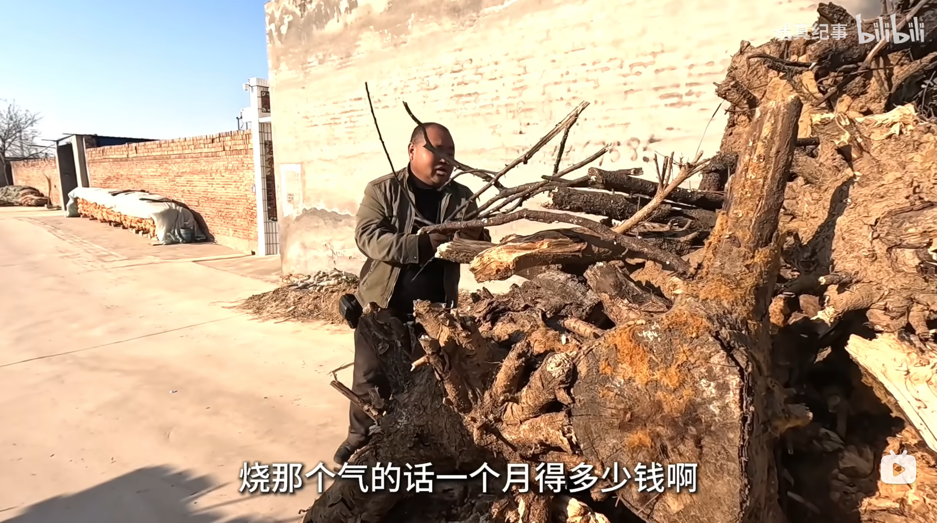
The article was published on 9 January this year and deleted on 18 January — eight days longer than Farmers’ Daily’s “The Hebei Rural Heating Problem Cannot Wait Any Longer”. Farmers’ bodies are cold; our hearts are colder.
Send “一刀切” (One Size Fits All) as a message to our WeChat Official Account “Foodthink” to read the full article 🙏
404 Not Found IV.
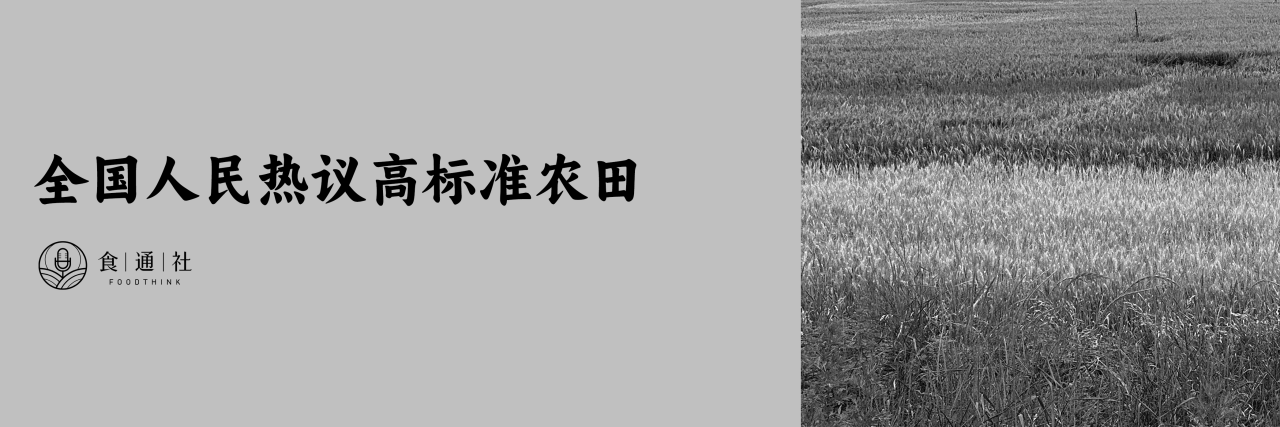
Drawing on fieldwork conducted across multiple provinces last year, Foodthink published an original article in early 2026, “Who Is Undermining the ‘Standards’ of High-Standard Farmland?”, which drew comments from practitioners and researchers in agriculture and engineering across the country. They shared their observations on how high-standard farmland has been built and used in their localities, confirming that the issue of “high-standard farmland” failing to live up to its name exists in villages throughout south-western, north-western and central China.
Foodthink compiled the information provided by readers and published “The Nation Debates High-Standard Farmland” on 21 January.
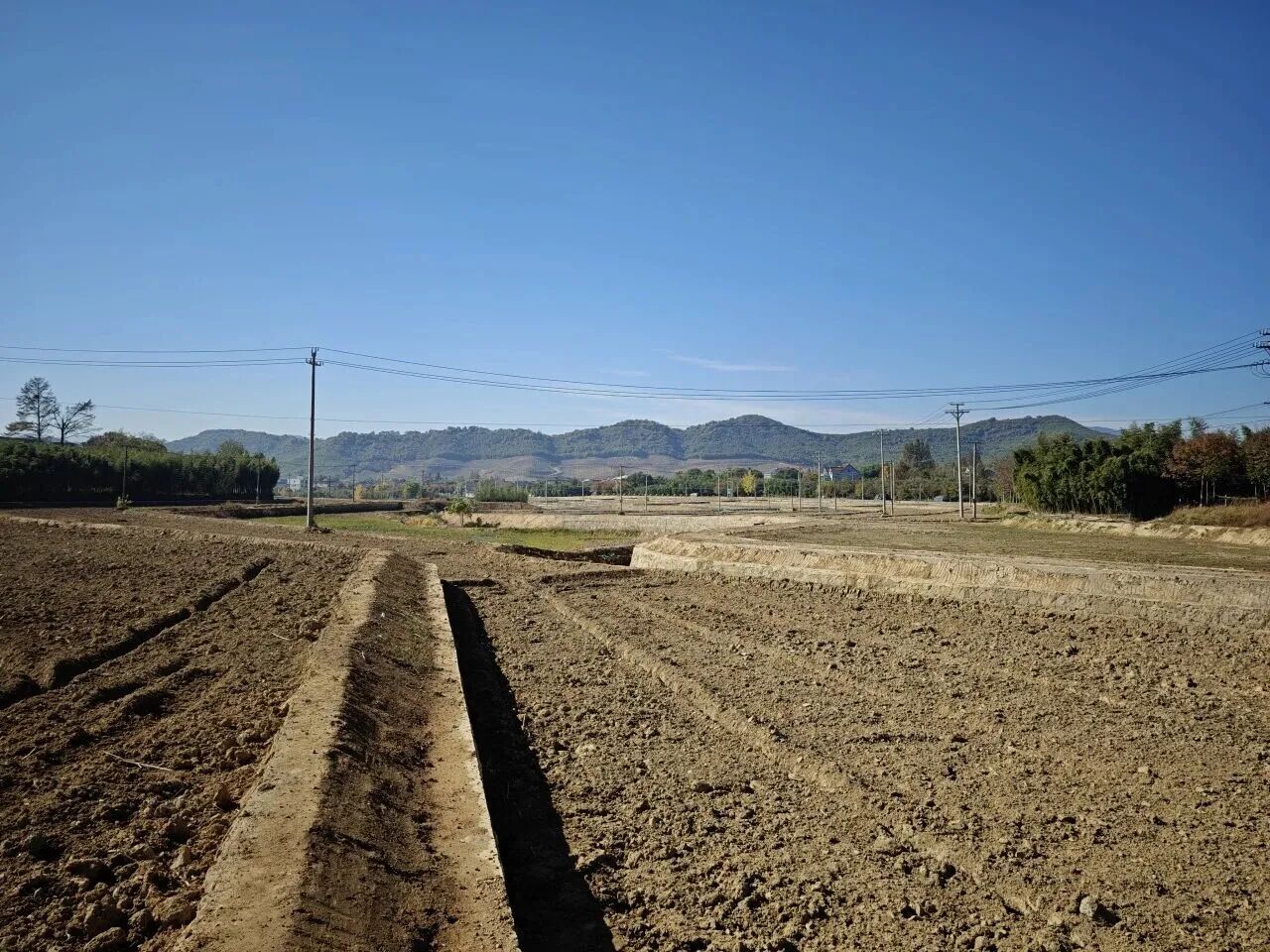
For Foodthink, publishing an article is not simply about “hitting send”. What matters more is that each piece can serve as a gateway, allowing stakeholders with differing positions to exchange information and engage in deeper discussion. More often than not, what carries real value is the exchange in the comment section — yet these voices, too, are growing ever fewer after being 404’d time and again.
Over the past year, we have noticed that reader comments on WeChat Official Account posts are being blocked faster and faster. Sometimes a reader leaves a carefully considered remark only to see it swiftly deleted; before we even have a chance to read what they wrote, all we see in the dashboard is “This comment is no longer visible due to a suspected violation”.

Over time, some stop leaving comments; they stop trying to speak at all. Gradually, the voices thin out, and silence becomes the norm.
All we can do, perhaps, is say as much as we still can and hold on to whatever space remains. The voices that go unseen should not therefore be treated as if they never existed. In any case, we do not wish to find ourselves at some future Qingming (Tomb Sweeping Festival), mourning the death of “public space”.
Edited by: Tianle