In Memory of Everyone’s Good Friend
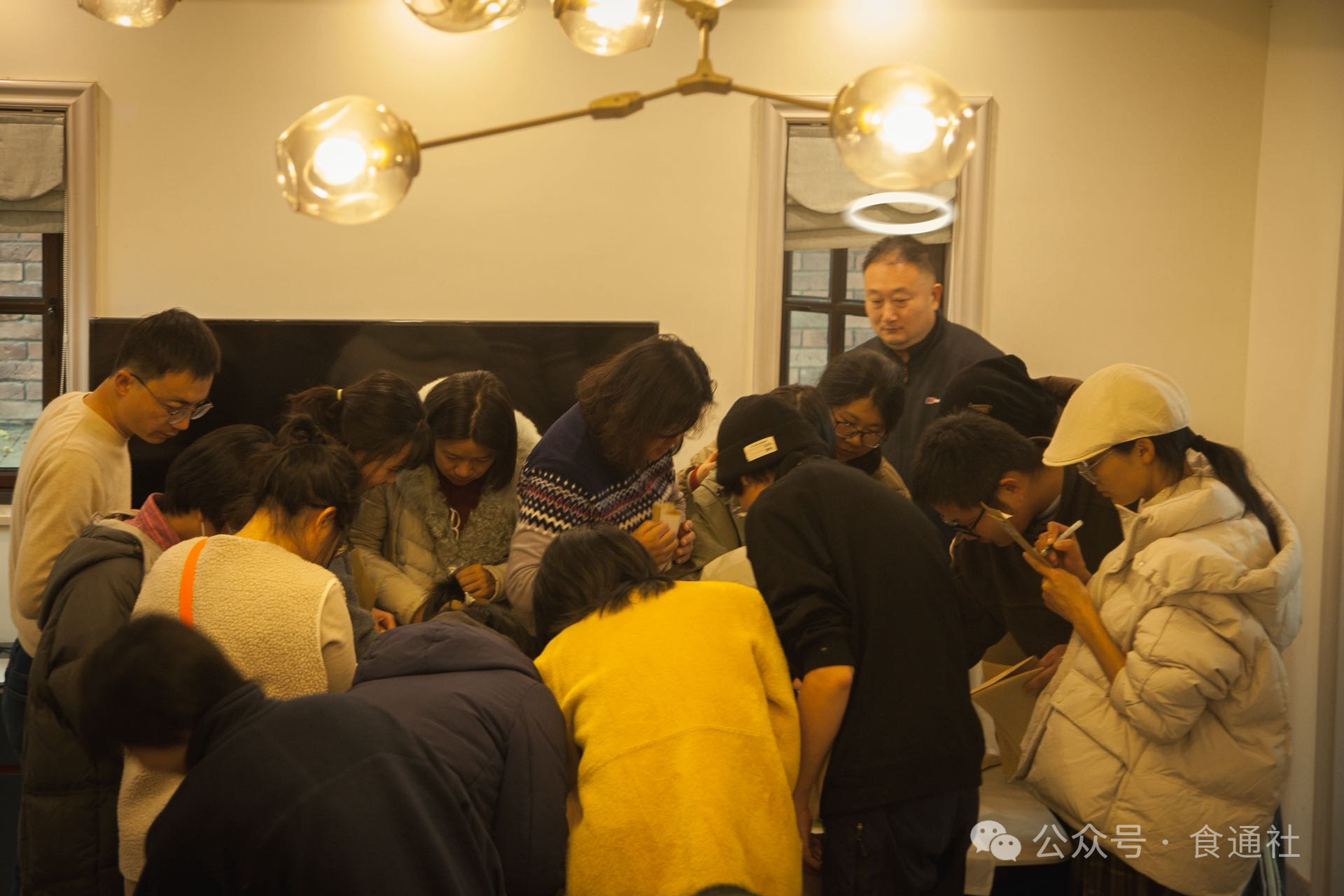
Was Guanqi an introvert or an extrovert? His friends are far from unanimous. Several have asked him directly, and each received a different answer. After his passing, when everyone gathered together, this became a truth no one could pin down. Recalling his signature mischievous grin, one could almost hear the famous line from his beloved crosstalk master Ma Sanli: “Just messing with you!”
Perhaps the question itself was silly. Guanqi was not a man who liked labels; he had no interest in black-and-white narratives. He was also a man impossible to pigeonhole, carrying within him too many identities and qualities that might otherwise have seemed irreconcilable. After he left us, we realised that explaining to someone unfamiliar with him what kind of person Guanqi was — that is difficult. And explaining why so many seemingly work-only friends mourn him so deeply is harder still to put into a few sentences; the storyteller may well find themselves in tears once more before they’ve even found the words.
After Guanqi passed, a friend shared his Instagram account. It looked as though it had been registered many years ago. His bio read: In the countryside, seeking a stance of neither servility nor arrogance. Whether the meaning was to find such a stance in others, or to find for himself a place to belong and a purpose to stand by, he should have fulfilled that wish of his younger self.

Since Foodthink was founded in 2017, Guanqi had been like an unofficial member of our team. As a core figure in the Farmer Seed Network, he was the one person we turned to for expert guidance on seeds and agrobiodiversity. In 2017, he wrote for us the two-part feature “New Paths in Seed Protection: Breaking Free from Corporate Takeover, Reigniting Public Value” (Part I) (Part II), explaining to readers why farmers’ seed systems matter and how we should protect and support farmers’ practices and rights in seed conservation and breeding. Over the years, he took an ever greater part in our activities, both online and offline.
An Extraordinary Person, Extraordinary Writing ▼
A Discussion on “Should You Order Delivery on a Rainy Day?”
The New Seed Law: Can It Protect Farmers’ Breeding Rights?
The Loss of Food Flavour — Does It Begin with the Seed?
Small Seeds, Big Knowledge | Food Studies Society Course Preview
Wondrous Seeds, See You Sunday
Under Commercial Hybridisation, Why Do Farmers Still “Grow Their Own”?
From the Dinner Table: Rethinking Scientific Discourse in the Public Sphere
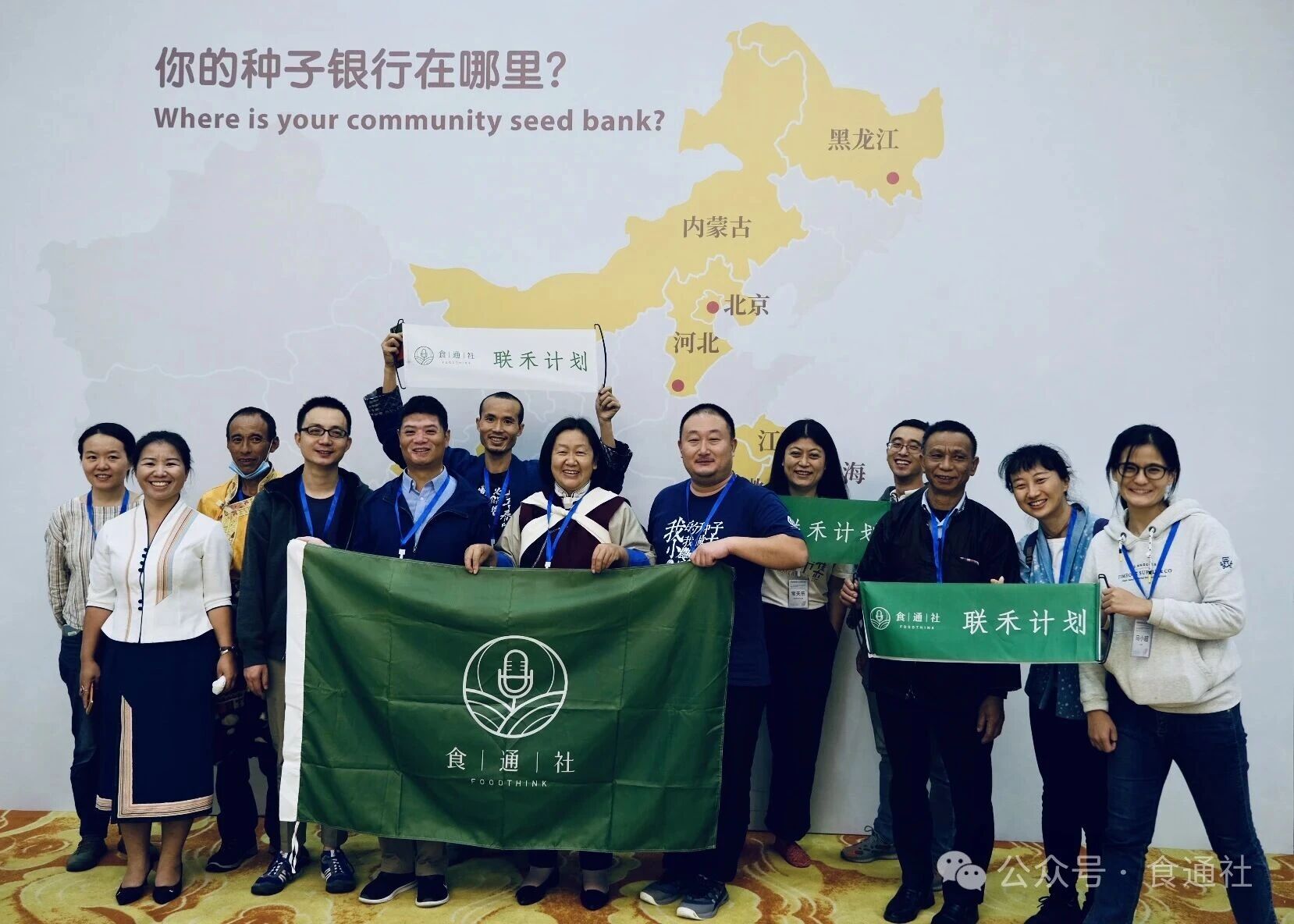
Foodthink’s team grew from two or three people to a small crew of nearly ten, with close on twenty full-time colleagues passing through over the years. Nearly everyone had worked with Guanqi to some degree or another. “Teacher Guanqi” is probably the name we mention most often around the editorial office. We’ve even travelled with him in every possible combination, and between us we’re in several shared group chats — almost every day, you’ll find him in one of them.
Beyond proper work correspondence, we often swapped food recommendations, but what Guanqi did most was randomly drop research papers into the group: usually a freshly published or important English-language report or article, sometimes a book introduction, occasionally even the digital edition of a book itself. We half-jokingly called him our “study representative” — the role in a Chinese school where someone makes sure everyone keeps up with their reading. Now and then someone would ask the others: “Have you read that paper Teacher Guanqi sent?”
When we had a specific question for Teacher Guanqi, he would always reply patiently with a thorough yet concise answer, then thoughtfully attach the relevant studies. If he didn’t know the answer himself, odds were he’d send a link or a paper a few days later, sharing his latest find.
Occasionally we’d hit a genuine gap in the literature, and Teacher Guanqi would say, “Well, shall we look into it together?” And that was how Chinese Smallholders: The Unsung Cost Bearers of Climate Change came about. At the time, a colleague worried the data wasn’t authoritative enough, so he dug out a book by Philip C. C. Huang, pointing out that Huang had used a similar method to obtain his data. A year later, that same methodology was scaled up globally, producing Latest Research: Spending Two Trillion a Year, Smallholders Worldwide Are the Unsung Heroes of Climate Action. And Guanqi was himself an unsung hero behind all this research and the community’s seed-saving efforts.
All of this was visible, public work — the kind you write up in project proposals and completion reports. But for the friends who mourn him deeply, it was the informal exchanges and interactions that made Guanqi who he was.
For instance, the single most shared impression of Guanqi is that he loved to eat and drink. Travel or work trip with him, and there was a good chance he’d drag you to try new restaurants and have craft beers, churning out an endless stream of jokes, catchphrases, original memes, and emoji stickers that circulated in every gathering — whether he was there or not.
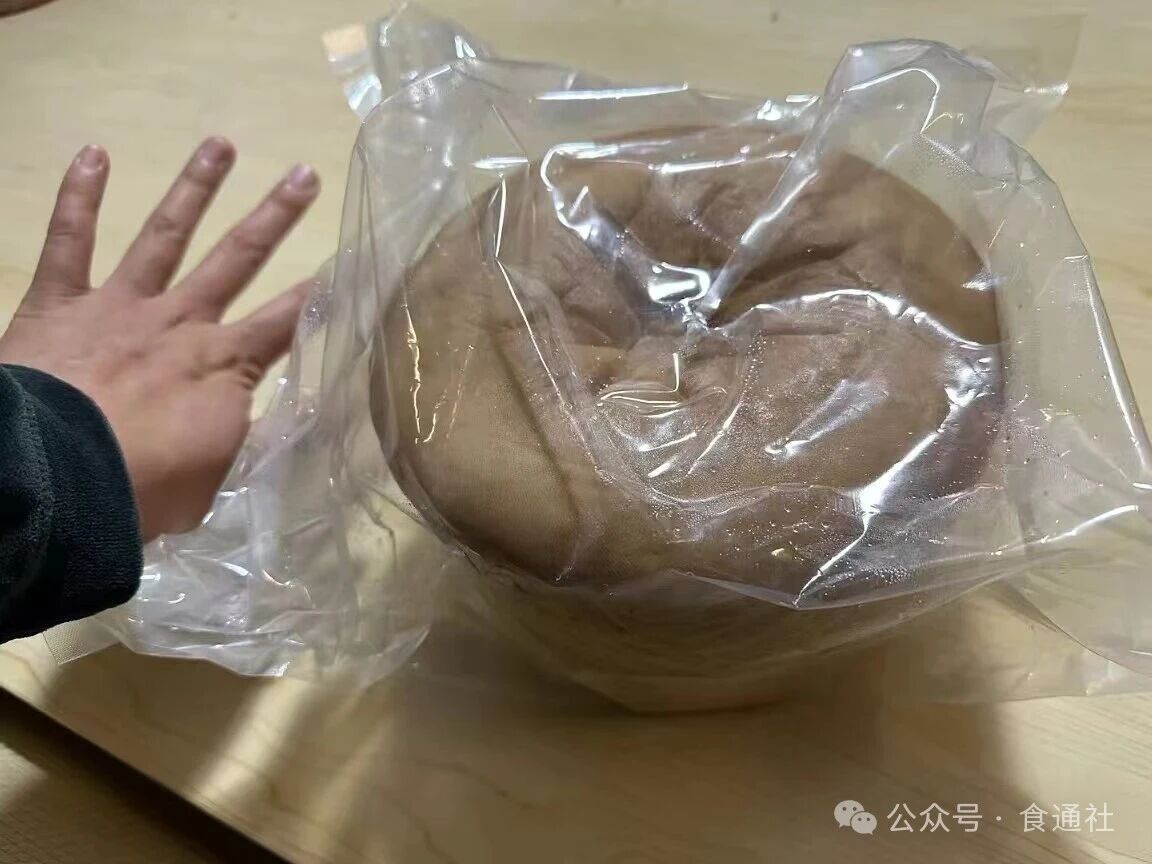
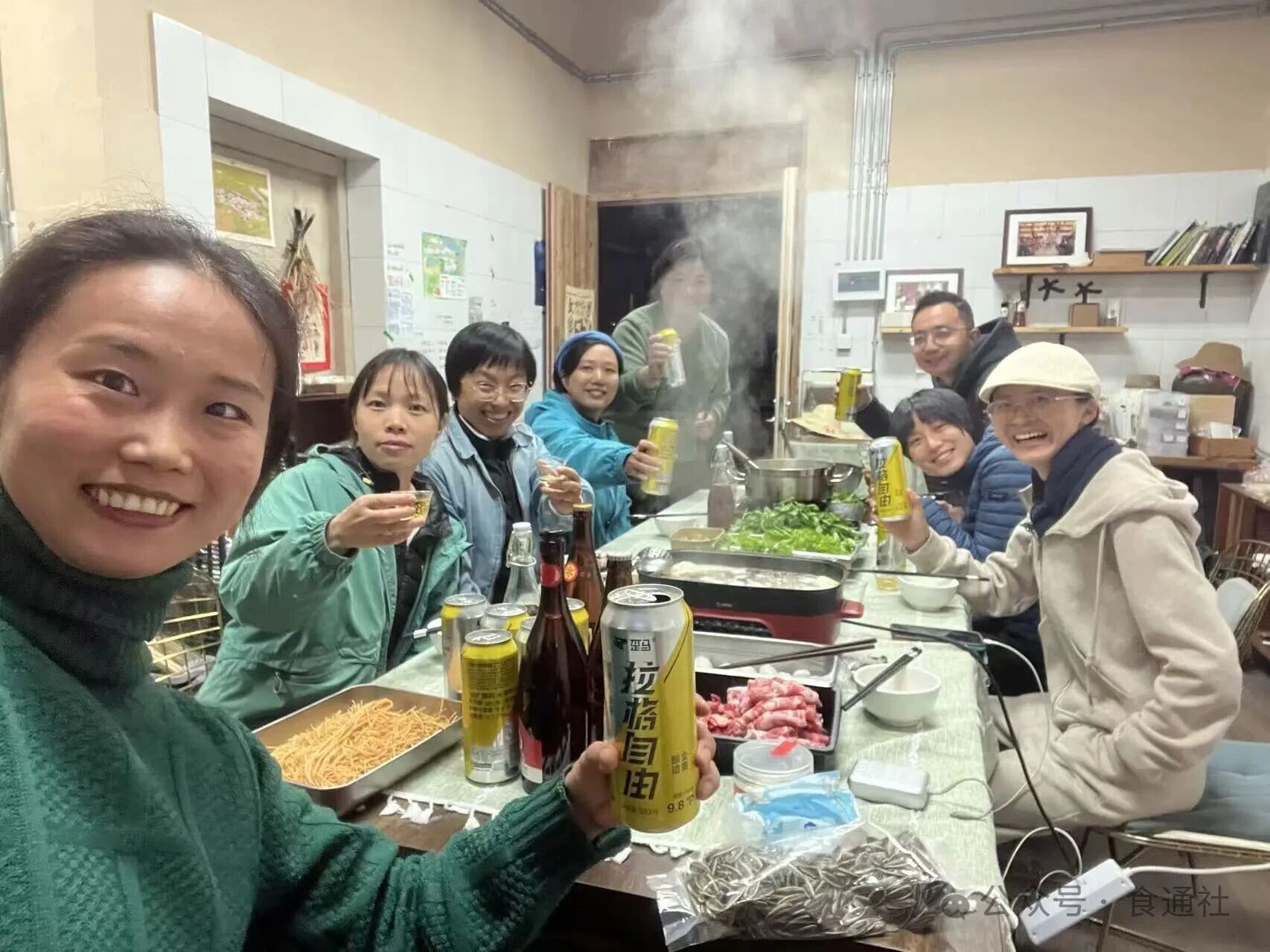
Even for those of us who didn’t travel with him as often, our editorial office received care packages from him several times a year, always featuring distinctive local ingredients that opened our eyes and delighted our palates here in Beijing’s gastronomic wilderness. He wasn’t just sharing good food; he was doing what he could to support the workshops and farming friends still producing the dishes that carry local culture, history, and terroir. Over the past four weeks, friends across the country have been digging out the regional specialities Guanqi sent that they hadn’t yet finished, and the Hangzhou crew even organised a dinner!
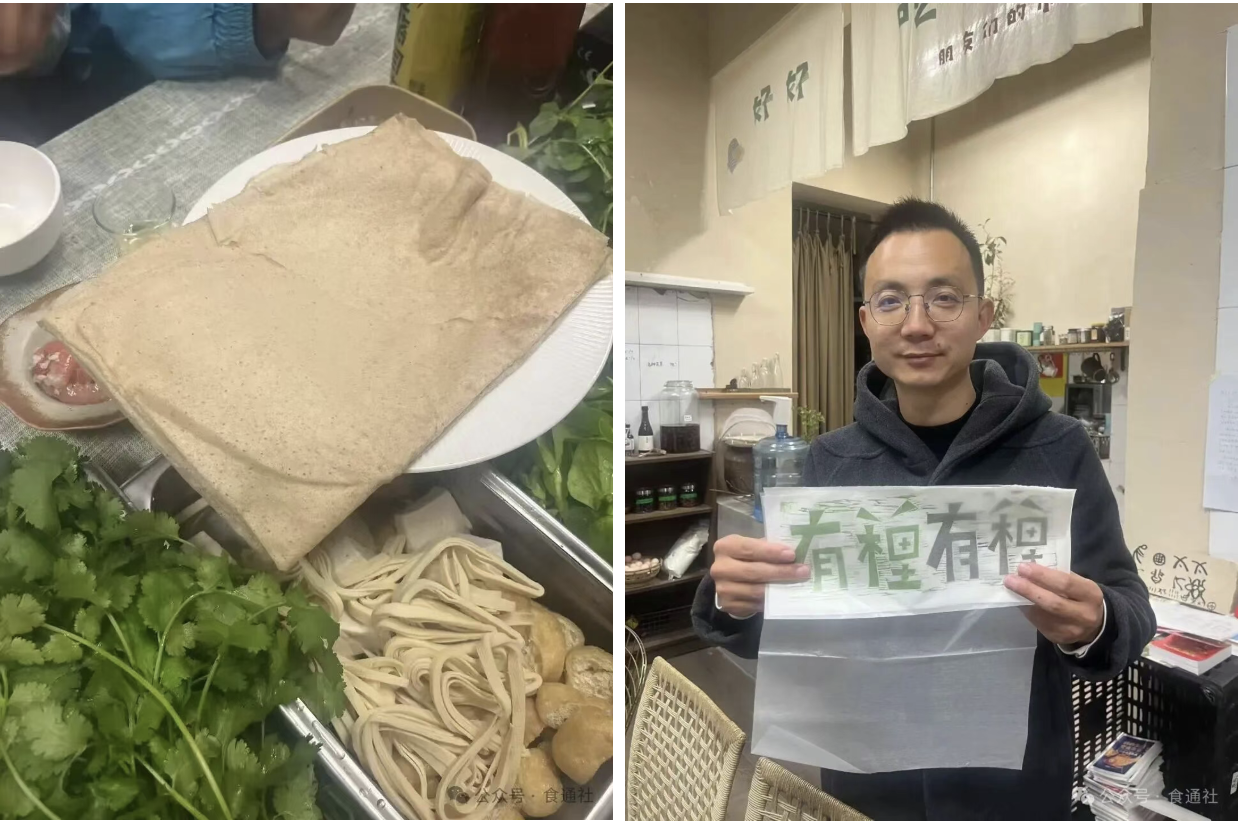

I must have known Guanqi for over ten years, but our first proper working encounter was in 2016, when a large group of us went on a work trip lasting more than ten days. In a crowd he was remarkably understated — quiet, almost invisible. The only impression he left was that he was always taking diligent notes, and that his English reading, writing, listening and speaking were all excellent. We crossed paths again at various conferences, and the impression stayed the same; I mistook him for someone earnest but almost boringly reserved.
Only as we gradually grew closer did I see a more authentic Guanqi. The moment the ice truly broke and trust was built, I think, was discovering that we both loved food and both despised people whose words and hearts did not match — and that, when it came to tearing into things, each of us had our own brand of venom. One year before the Mid-Autumn Festival, we were on a work trip in Nanning and agreed to celebrate the holiday together. He took us on a food-crawl through the city. I can still picture him striding ahead to hail a cab.
Over the years, whenever we found ourselves in the same city, we would arrange to eat together — not just unlocking new restaurants but absorbing fresh knowledge and sharing good stories. On business trips I would ask him for a food guide, and he would fire back a pile of links. Not all of them were reliable, mind you, but the sheer speed at which he could produce them spoke of a deep, patient reservoir of knowledge.
His breadth of learning — not just serious academic subjects but hot and cold trivia alike — his humour, and his impeccable taste in every domain made us close friends in both work and life. But two things above all fill me with admiration.
In his work, he was always pushing at the boundaries of the seed network’s mission. He reached out on his own initiative to botanical gardens, artists, self-publishers, podcasters, restaurants — all sorts of communities that had never been in an NGO’s line of sight — drawing them into farmers’ work on old-seed conservation, and carrying the concept of “farmers’ seed systems” into new circles, carving out entirely new avenues of work. When we met in Beijing before Chinese New Year, he quietly announced a new programme already under way, and it was genuinely exciting to hear.
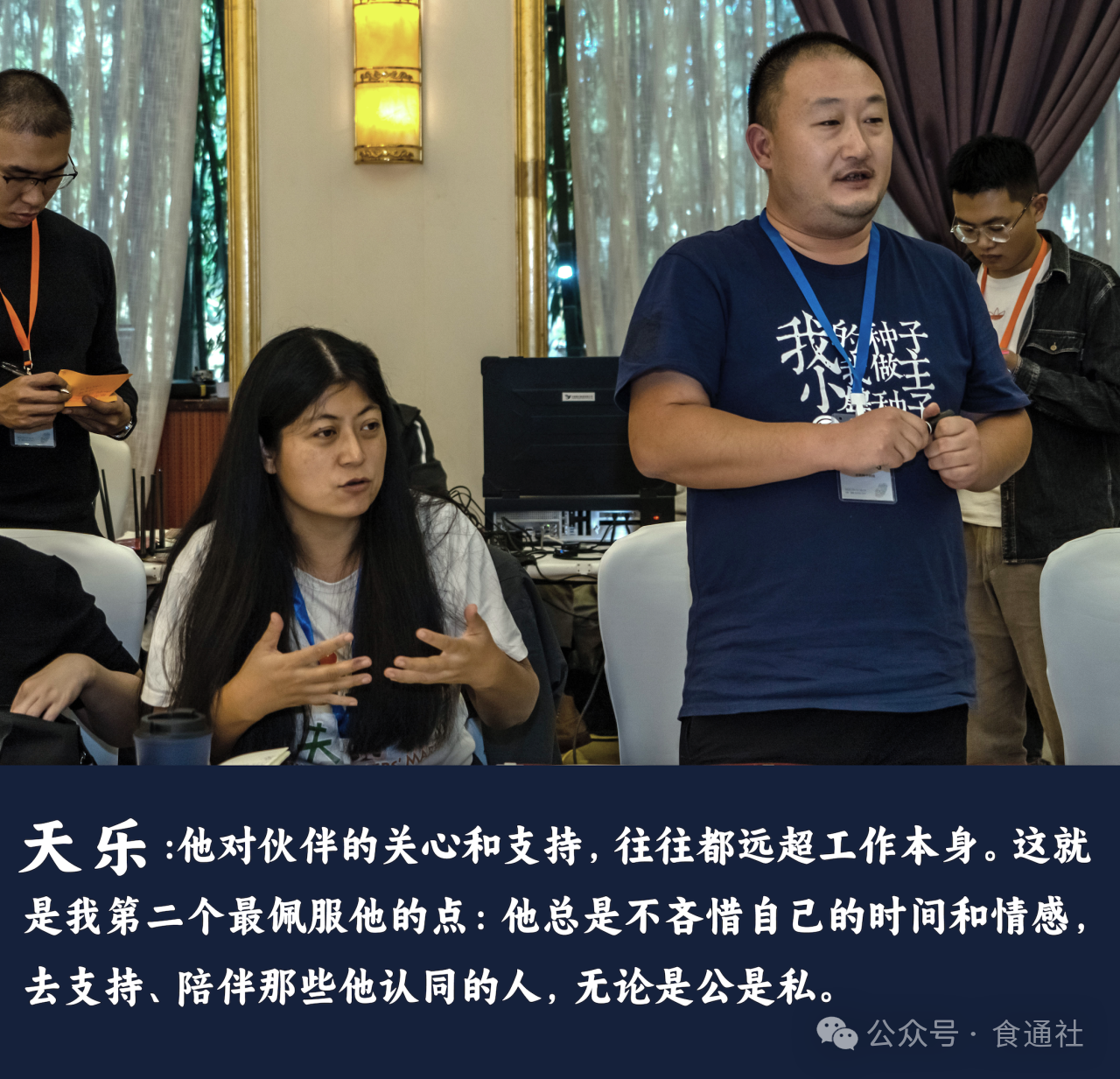
As someone in the same field, I know far too well how draining it is to maintain a cross-disciplinary informal network like this — and his care for and support of his partners always extended well beyond the work itself. That is the second thing I admire most about him: he never stinted his time or his emotional energy in supporting and accompanying the people he believed in, whether in public or private. This made his sources of information extraordinarily broad and accurate; we even joked that he was the “Farmer Gossip Centre”. Yet his respect for friends was absolute — sharp-tongued as he could be, he never once said a disparaging word about them.
In our industry, the first quality is a rare skill; in society at large, the second is a rarer virtue still.
Over the past month, reading and hearing everyone’s stories about Guanqi, I have come to feel that he truly lived his life as a seed — the kind that carries public value.
I have read so many of everyone’s tributes to Guanqi, and many of them are set after 2020. A thought crept in: to what extent does the Guanqi I knew — Teacher Guanqi — match the vivid, recent memories others carry?
Not long after Foodthink was founded in 2017, we published a piece on breeding that Guanqi had written. He was among the very first batch of contributors. I still remember the thrill of editing his copy: a clear line of reasoning, a structure that breathed, information packed to bursting, a professional piece that respected the lay reader — none of the impenetrable gatekeeping of academia, a point of view worn without ego. It was that rare, particular happiness a veteran editor knows when a great manuscript lands on their desk.
Curious, I quietly looked into Guanqi’s background. I learned he had devoted himself early on to rural reconstruction, and that he held a postgraduate degree in economics from Renmin University. Back then, I confess a certain snobbish thought crossed my mind: a young man who looked set for a brilliant career outside the system, deliberately wading into the mud for a cause with such meagre rewards — was that not a bit of a waste? Looking back, that was the first moment Guanqi’s idealism touched mine.
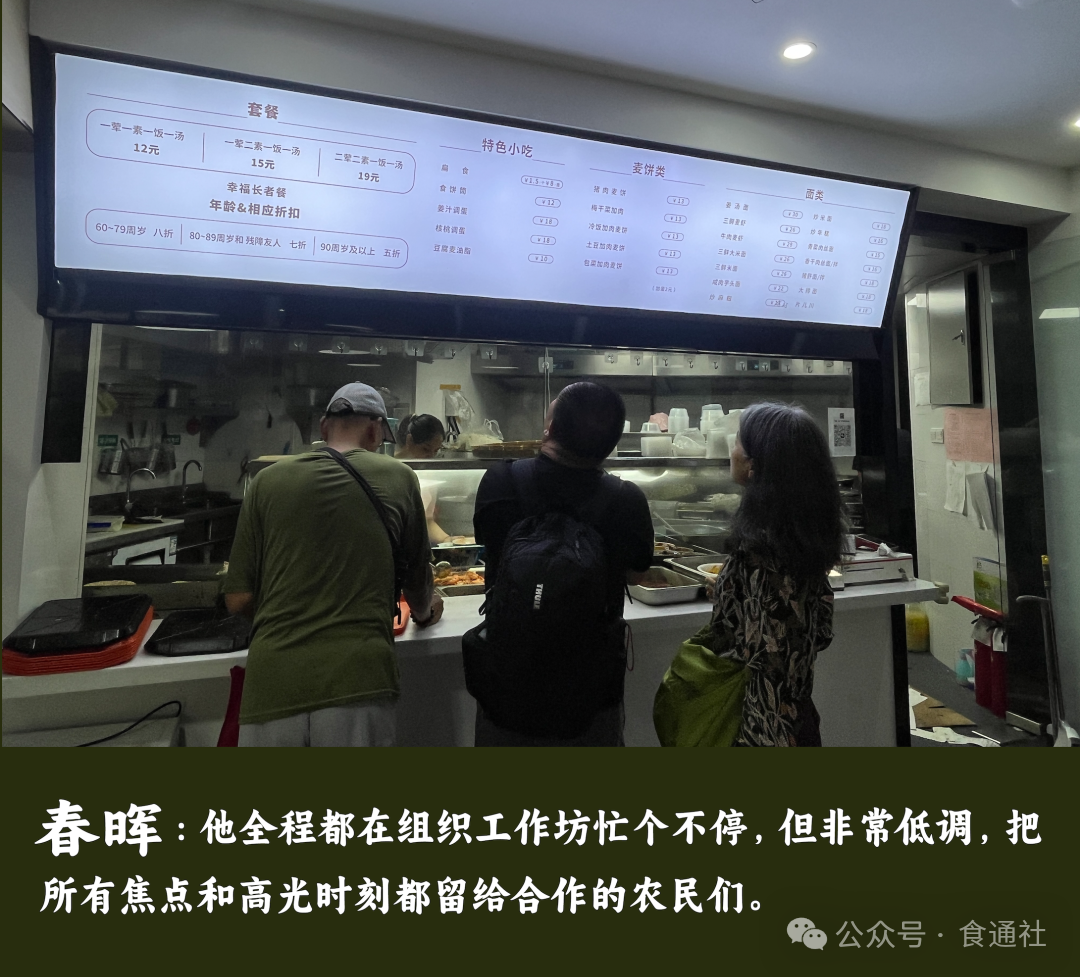
In 2018, I attended a Farmer Seed Network event and met Guanqi in person for the first time at a workshop. He spent the entire session running it, never still for a moment, yet so understated that he gave every spotlight, every high point, to the farmers he was working alongside. At that stage, whether online or offline, the impression Guanqi left on me was of someone who did much and said little — a man with real depth, but a quiet one.
Life paths always cross and part ways. When I left Foodthink, our work-based exchanges became rare. On the occasional occasion when I needed to consult him for a piece, the memory of his quietness made me approach him with great care and politeness. Sometimes I needed extended guidance. He was always travelling somewhere in the country, finding time was hard, and I had to put real effort into “catching” him, coaxing precious advice and opinions out of his packed schedule. Guanqi was younger than me, but to me he was always, quite literally, Teacher Guanqi.
In 2023, I travelled to Indonesia for an event hosted by my employer at the time, and there I crossed paths with a Malaysian organisation working in seed conservation — the Third World Network (TWN). I had since returned to my “old trade” in public health, and intersections between different issue-areas are rare, so meeting them in that context felt like a delightful “breaking out of the bubble”. After the session, over idle chat, I learned they were also long-standing friends of the Farmer Seed Network back in China. I immediately dropped the names of Song Yiqing and Guanqi — and of course got a response. I messaged Guanqi on WeChat right away, as though I had triggered a floodgate. Replies came in a torrent. He sent me organisational profiles of TWN, information pages, project briefs — and, as though it were nothing, laid out the history of their collaborations within China. I asked whether I should pick up some brochures from the event to bring back for him. Guanqi replied: “I already have all of that in hand.”
Oh — suddenly, it seemed, Guanqi was no longer that somewhat quiet figure.
Then came 2024. That year I resigned, and this middle-aged person decamped to Hangzhou to wander about with young friends, and there I met Guanqi again — by then based in Suzhou for work. Freed entirely from the work context, I could tease him by calling him “Boss Guan”. For those few days, Boss Guan was in full flourish, introducing us to the finest cuisine of Jiangnan. Listening to him, I discovered that his absolute favourite foods still carried the soul of the North — more precisely, of his home province of Shandong: stuffed dough dishes, generous cuts of meat, noodles, and rich, savoury sauces. It also gave me a glimpse of how the food culture of this watery, southern Jiangnan landscape preserves, to a striking degree, the northern palate carved by centuries of migration, relocation, and the southward shift of political centres. He also waxed rapturous about craft beer, especially lager, leading us on a crawl through whatever Hangzhou nightlife was left, seeking out craft-beer bars, eating grilled skewers and Wenzhou fish balls on street corners. I was amazed — so this was Guanqi, a “refined boy” with a real love for living (as a friend put it)! I had no idea those scenes would become my final memories of Teacher Guanqi.
As I dredged up fragments of memory, I noticed how Guanqi’s image had shifted in my mind. It was true: from the Teacher Guanqi of before — reserved but diligent, impossibly busy, impossibly hard to reach — to the Boss Guan of later, who talked work in torrents and lived life with an exquisite variety. I think Guanqi had indeed stepped into new territory, opened new frontiers, poised for a great run in the visible future. And then Heaven “recalled” him. He was frozen in a moment of full vitality. The loss belongs to us who remain — and to the entire seed conservation field. If someone like me, with only a passing acquaintance, has so much to say, what must his parents, his longtime friends, his colleagues, the partners closest to him in life, carry unsaid, heavy in their hearts — how much grief?
This piece is all I can offer in Guanqi’s memory. May you still be watching over us from above. Next time I visit Jiangnan for a holiday, I will bring those last memories and images with me.
The first time I met Guanqi was on 1 August 2019, at a team retreat bringing together Foodthink and the Farmer Seed Network. He was still wearing glasses then. I had a cold, so I did not join the table; I asked instead to sit on the sofa in the corner and listen. I had been on the team for a year by then, but I still felt like someone who had stumbled into the food and farming world by accident — riddled with inner conflict and self-doubt. Later, when we became friends, Guanqi would often say to me: “You need to value yourself.”
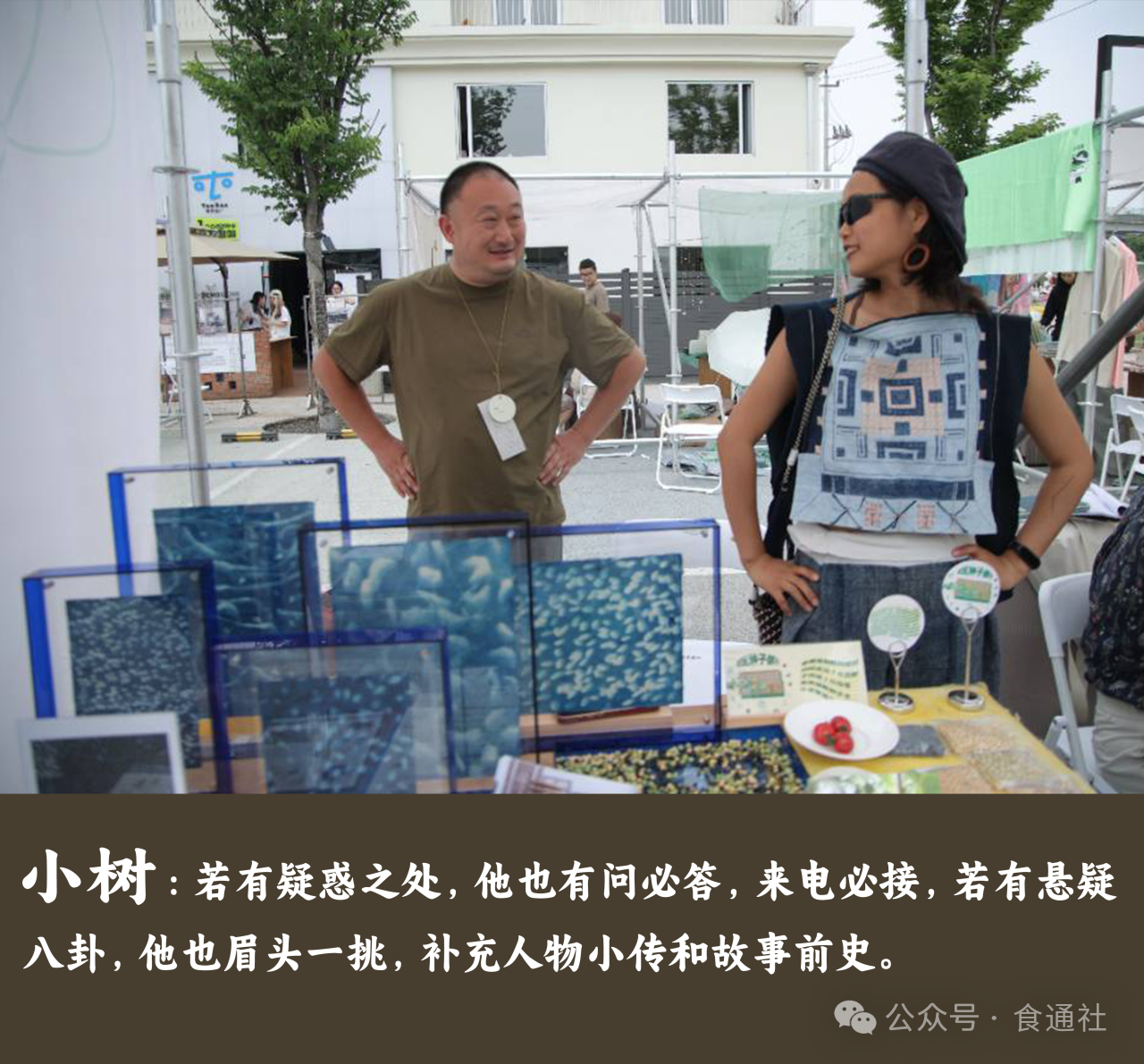
We certainly grew close gradually. In 2020, a magazine-book reprinted Guanqi’s two-part “New Paths in Seed Protection” from Foodthink, and I was the one coordinating the project. That gave us our first one-to-one exchanges on WeChat. Publishing during the pandemic was full of twists and delays; the project timeline stretched, and so did our conversations. In December 2021, the Farmer Seed Network held a training workshop at a farm outside Chengdu. A fellow farmer asked me how to write a project proposal; Guanqi happened to walk past, and I tossed the question his way casually. He actually stopped and taught us how to structure a proposal. Later, when I left my full-time role at Foodthink and went to Qiandongnan to do my own fieldwork, I used the proposal structure he had taught me to apply for funding. And if I ran into any puzzling moments during my fieldwork, he answered every question, took every call. If there was any juicy gossip afoot, he would arch an eyebrow, fill in mini-biographies and backstories, sigh and smile at how times had changed — but never judge.
By April 2022, he had moved to Suzhou. The Eastern Network was in its early building phase, and he set up a little group called the “Jiangnan Reading Circle”. The first book we read together was The General Returns Home. It was a turbulent spring, and in truth we only managed one group read-aloud session online. Most of the time we ended up discussing food and life. We were all confined to wherever we happened to be, our movements restricted, but the bonds grew closer. Now, the book still sits unfinished, and the extraordinary one has gone home to Shandong, returned to the earth. The food and farming world and the cause of seed conservation have lost a mighty general.
Over these past few years, Guanqi’s work and life had shifted to the East, and the Eastern Network did grow ever more tightly knit and active under his support. Beyond his public role in rallying and convening, what made it work just as surely were his private efforts behind the scenes — connecting people, generously organising gatherings, turning up to every invitation with real warmth. The Eastern Network grew, as he had hoped, into a decentralised, multi-node community, and I, a free-floating individual, was welcomed in. His sudden departure left a vast hollow in that network, but his character and his warmth let new threads creep out from the fracture, and many people and relationships that had never crossed paths before grew closely intertwined because of him. Beyond the East, Guanqi wove many networks. Grief rippled out through them in shared resonance, because this person was extraordinary, and the mourning is as real and precious as he was. Because of Guanqi, no one was ever alone.
As a colleague, he accepted me. As a friend, he caught me, time and again. Over these years, he witnessed and took part in my growth. But it seems I never once formally thanked him.
I met Teacher Guanqi five years ago. I was working on a piece about farmers conserving old seed varieties. The year before, the General Office of the State Council had issued a directive on strengthening the protection and utilisation of agricultural germplasm resources. Everyone knows how important seeds are. They concern not just national food security — they are the very bedrock of human agricultural civilisation. But what is the optimal way to conserve them? While reporting this piece, I was struck by the fault line between two competing approaches. One held that conservation is the government’s job (establish seed gene banks), and seed development should be left to enterprises (hybridisation, genetic modification, and the like). The other encouraged farmers to conserve old seed varieties, achieving in-situ conservation through active cultivation. On paper, the two seem complementary — the best of both worlds. In practice, the conflict defies easy description.
Around that time, the central government had just approved the Action Plan for Revitalising the Seed Industry, emphasising the need for self-reliant, controllable seed sources. I asked a leading expert whether this meant that spring had arrived for old-seed conservation. He gave a hearty laugh, surprised at my naivety, and said: ‘That’s a signal to support industry. Calling it a springtime for old seeds — that’s rather presumptuous.’
Another key interviewee was Teacher Guanqi, representing the old-seed camp. Editor Teacher J had put me in touch with him. Teacher Guanqi, with great kindness, answered every endless naïve question this complete novice had about old seeds. Looking back now, fielding such shallow questions must have been a waste of his time. Throughout our entire exchange, Teacher Guanqi never uttered a single superfluous word — no “ha-ha”, no “OK, sure”, no emoji stickers to grease the conversational wheels. Converse with me seemed a reluctant duty — unavoidable, yet a task to be completed. And yet, he answered every question and sent me reference materials. When I said I wanted to interview farmers, he helped make introductions. Sometimes he wouldn’t reply for a day or two. Teacher J sighed helplessly: ‘That’s just how Guanqi is.’
At Foodthink, I saw another side of Guanqi — quite a different person. From colleagues close to him, I heard all sorts of anecdotes about Teacher Guanqi: the study representative, the hometown loyalist — and through his colleagues, I could sense his passion for agricultural issues and his care for farmers. We didn’t treat Teacher Guanqi as an outsider either — we took full advantage of him to pitch in. But I never quite found the chance to collaborate with him, and so our working relationship stayed at that cool, cordial distance. Then once, after visiting the Xiangtangshan Grottoes, he ran into me, and his small eyes gleamed as he needled me: ‘The food in Handan is awful!’
Only in that moment did I feel his true warmth. After years of knowing him, I felt at last that I had found the doorway into friendship with Teacher Guanqi. I never imagined it would be the last time I saw him.
Even now, as I write these words, a sense of unreality lingers — Teacher Guanqi really is gone. Life must go on; the days tumble by in their usual flurry, and there are moments when I forget, even briefly, that Teacher Guanqi is no longer here — or rather, my sense of the world still lingers in the time when he was. When something feels hazy and I want to check our WeChat history for confirmation, I always stop myself. I cannot bring myself to further confirm the fact that no one will reply on the other end. So I can only write from what remains in my memory, as it lives in my head. As for whether every detail is accurate — I rather wish Teacher Guanqi would point out my mistakes one more time.
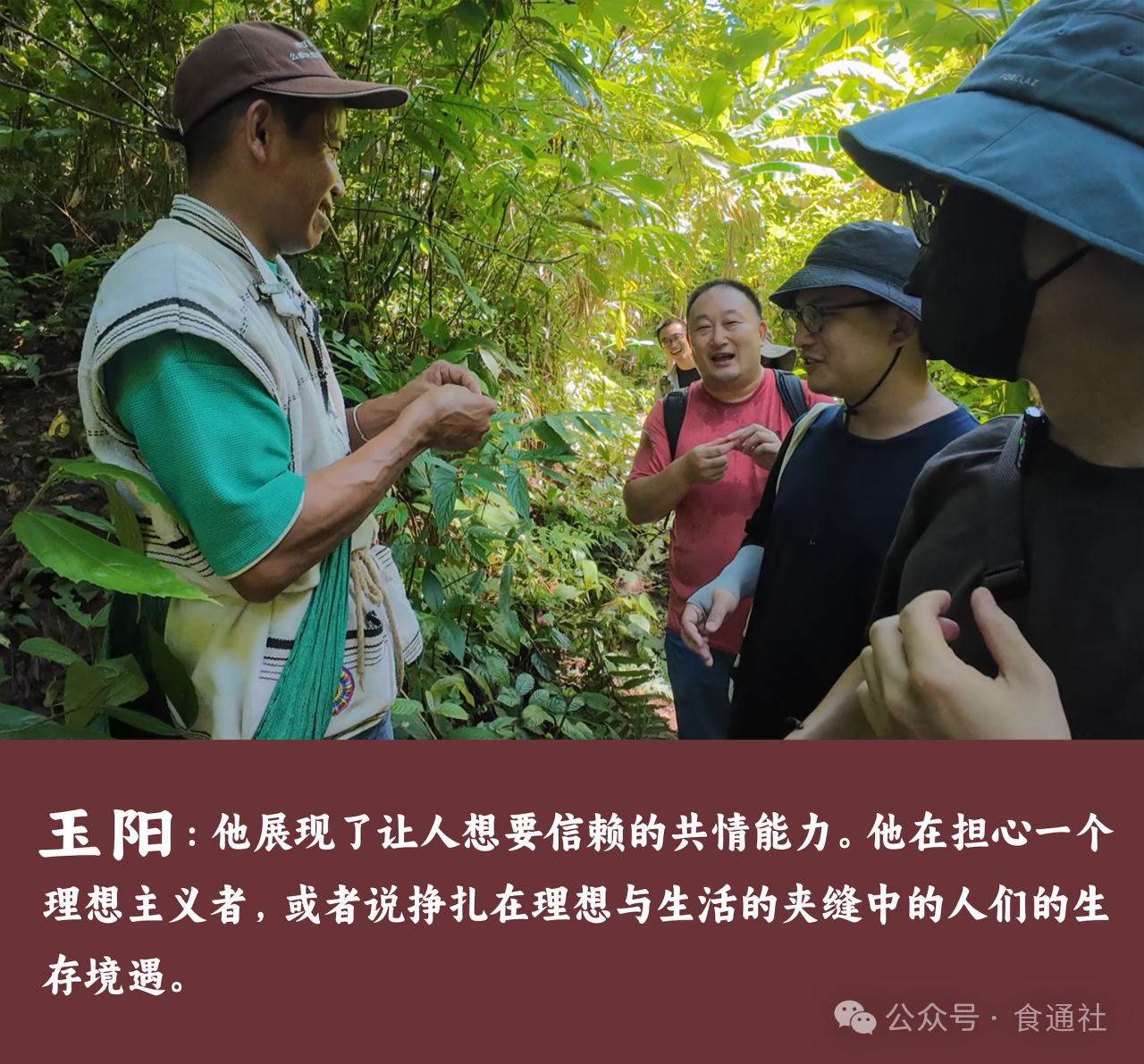
The most memorable thing Teacher Guanqi ever said to me was about someone I did not know at all. It came up like this: we were soaking in a hot spring in Mile, and he asked me how I had gone about working as a food-delivery rider. I told him honestly. He said it reminded him of a friend he had long cared about — someone deeply concerned with workers’ rights, a Tsinghua graduate. He had run into that friend a few years back in Beijing and discovered he was working as a security guard. Teacher Guanqi said: ‘When I left, I told him to take care. I was a bit worried about how he was doing.’ His tone carried a faint tease, but the words warmed me all the same, because they showed the kind of empathy that makes you want to trust a person completely. He was worried about an idealist — or rather, about the people struggling in the narrow gap between ideals and livelihood. I thought: in this era, that kind of understanding and goodwill is rare for anyone. Hearing him say it, I sank a little deeper into the hot spring, savouring the warmth.
He was, himself, an idealist — only a more optimistic, more open-hearted kind. He once told me that as a young man he had “gone undercover” in a cola-bottle factory to investigate workers’ conditions, only to quit shortly after. He narrowed his eyes and said: ‘It wasn’t anything dramatic, really. The more I worked, the more efficient I got — and I knew English too — so the boss wanted to promote me to foreman. I thought: right, that settles it, I definitely can’t keep going.’ That day, in the tea room, Teacher Guanqi told me so much about his earlier years, and I sat there giggling the whole time. When we parted, the rain was coming down hard, and we said goodbye in a rush.
I saw him again only two or three months later — he was in Beijing once more. I thought: with someone like Teacher Guanqi who’s always flying about, there’ll be plenty more chances. This time I gave him a copy of Cultural Studies 1988 — partly to return the birthday gift he had given me the year before, a book about agricultural capitalism, but more because he always remembered that I loved the British New Left and cultural studies. I am not the type to thrust my favourite things at other people; I worry about imposing. But Teacher Guanqi always made me feel at ease, so I handed him the copy of Cultural Studies 1988 — still full of my marginalia — without a second thought. That was the last time we met.
In Lijiang’s Stone City, in Youmi Village, and around Lugu Lake, I once walked beside Teacher Guanqi for a stretch of his old-seed conservation work — though it was merely one small stretch of his life’s journey. His life was so vast: he had walked so many roads. He was someone who cared about the big questions, yet he always held so many specific people, so many specific things, close in his heart. I was fortunate to be one of them. Losing you leaves me heartbroken. I believe that had I had more time to learn from you — a true teacher and friend — my life would have been the richer for it. But I will carry this regret with me and keep striving toward that better version of myself.
We always called him “Teacher Guanqi”. In fact, his surname was not Guan and he was not a teacher. We called him that because he knew so much and was the kind of person who could pick up any thread you threw his way. Whether it was the academic world, show business, or anything properly to do with seeds and agriculture — just ask him, and he would send you a link, an article, or a research paper. He never lectured anyone unprompted, but if you asked, he answered with genuine care.
Teacher Guanqi was calm and a marvellous conversationalist — the steadiest person I had ever met. Only once you got to know him did you discover he was a real treasure trove: encyclopaedic in his professional knowledge, and a serious food lover who truly understood food. Everyone loved being around him, in work and out. I remember finishing a meeting and following him — somehow, he always found the best restaurant within minutes.
For me, he was also a humble, generous, big-hearted person. When I first joined Foodthink, I knew nothing about agriculture or seeds. Every time I asked him something, he was patient — never once impatient, never once making you feel: ‘How can you not know this?’ Looking back, those questions were fairly naïve. But it was precisely his patience, kindness, and inclusiveness that made me feel that newcomers in this field are welcomed — that there is room to learn, to adjust, and to gradually find your way in.
Teacher Guanqi cared about smallholder farmers and the survival of old seed varieties, but he rarely said so openly. It emerged naturally through his work.
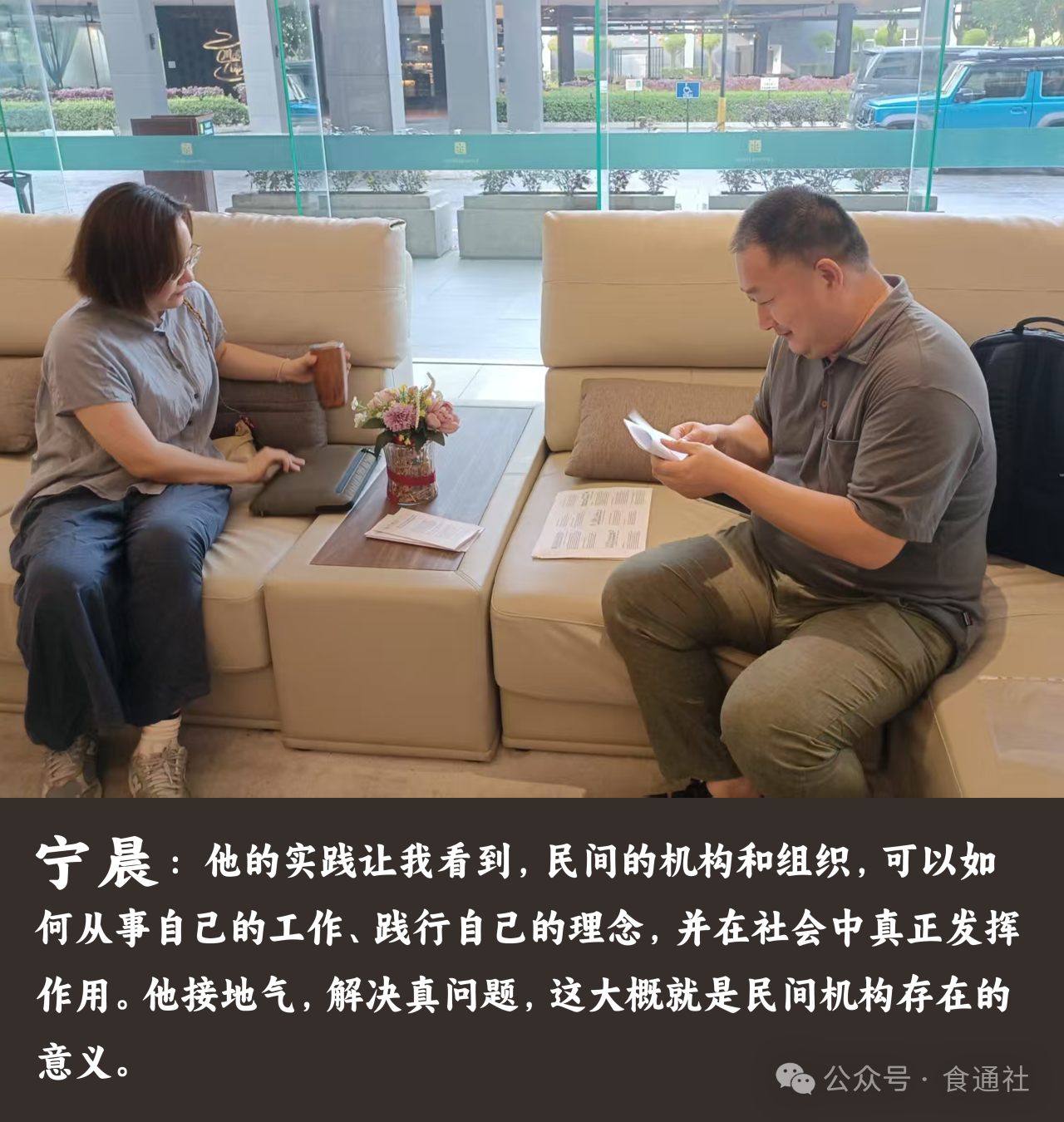
He understood policy and local development alike. He went into ethnic-minority villages and rural areas everywhere, telling farmers about the importance of old seeds, teaching them to save their own seed. At the same time, he broadened public awareness and consumer understanding of old seed varieties, championing the social value of seed diversity. At public events he held in different places, at markets in towns and cities, he recommended the heritage varieties grown by farmers in partner communities, often bringing along Foodthink leaflets to hand out.
Teacher Guanqi’s work connected the land to academia and policy, and steadily expanded the market for heritage varieties among ordinary people. His practice showed me how grassroots organisations and institutions can do the work they believe in, put their principles into action, and make a genuine difference in society. He was grounded, solving real problems — and that, I think, is exactly why community organisations exist.
This also helped me come to understand that much of the work must be done bit by bit. Each step may seem very small, but each one matters.
Now we have lost Teacher Guanqi — a seed expert, an outstanding professional. But for me personally, we have also lost a wonderful friend with whom to eat, drink, and enjoy life.
Teacher Guanqi, we will miss you always!
There can be few people in this world better suited to friendship than Guanqi. The tragedy is that I never properly began my friendship with Teacher Guanqi before it was over.
Every meeting I had with Teacher Guanqi revolved around drink. Guanqi’s craft-beer connoisseurship was something we all bore witness to. His material life was simple — he could travel for two weeks with nothing but a light backpack — but over the years he surely contributed no small amount to the craft-beer industry through his patronage. In front of a hotel in Aohan Banner, a few of us dug into an enthusiastic late-night feast, nearly flipping the table. Around Guanqi, however, there seemed to be a quiet force field. He popped into the little convenience shop by the entrance, bought two four-litre cans of craft beer, then at the barbecue stall ordered chicken gizzards, wheat gluten, lamb skewers, and grilled mantou. Whether at a table of three or of twenty-three, Guanqi maintained the same serene composure, drinking his beer at a perfectly even pace, like a finely calibrated beer-digesting machine. Every so often, a piece of juicy gossip would drop from his lips, and we would all savour it in careful detail.
Beyond drink and coffee, reading critical theory was Teacher Guanqi’s other sustenance. The more a person knows, the less they say. I, on the other hand, once I’ve had a few too many, start chattering away about my shallow academic knowledge — even I find it embarrassing. Guanqi, though, was never like that. For all the books he had read, he never opened with “I think this about that” — he always said, ‘Here, let me recommend this to you.’ How rare that is! No wonder everyone adored Guanqi: he was always genuinely helping others. I often, without the slightest embarrassment, turned to Teacher Guanqi for help, not knowing how to repay him, but telling myself there would always be another chance to return the favour, so there was no need to worry. I never imagined there would be no chance to return it at all.
I have always called myself a materialist, but Guanqi’s passing has made me believe in the existence of another world. I hope he has gone somewhere better.
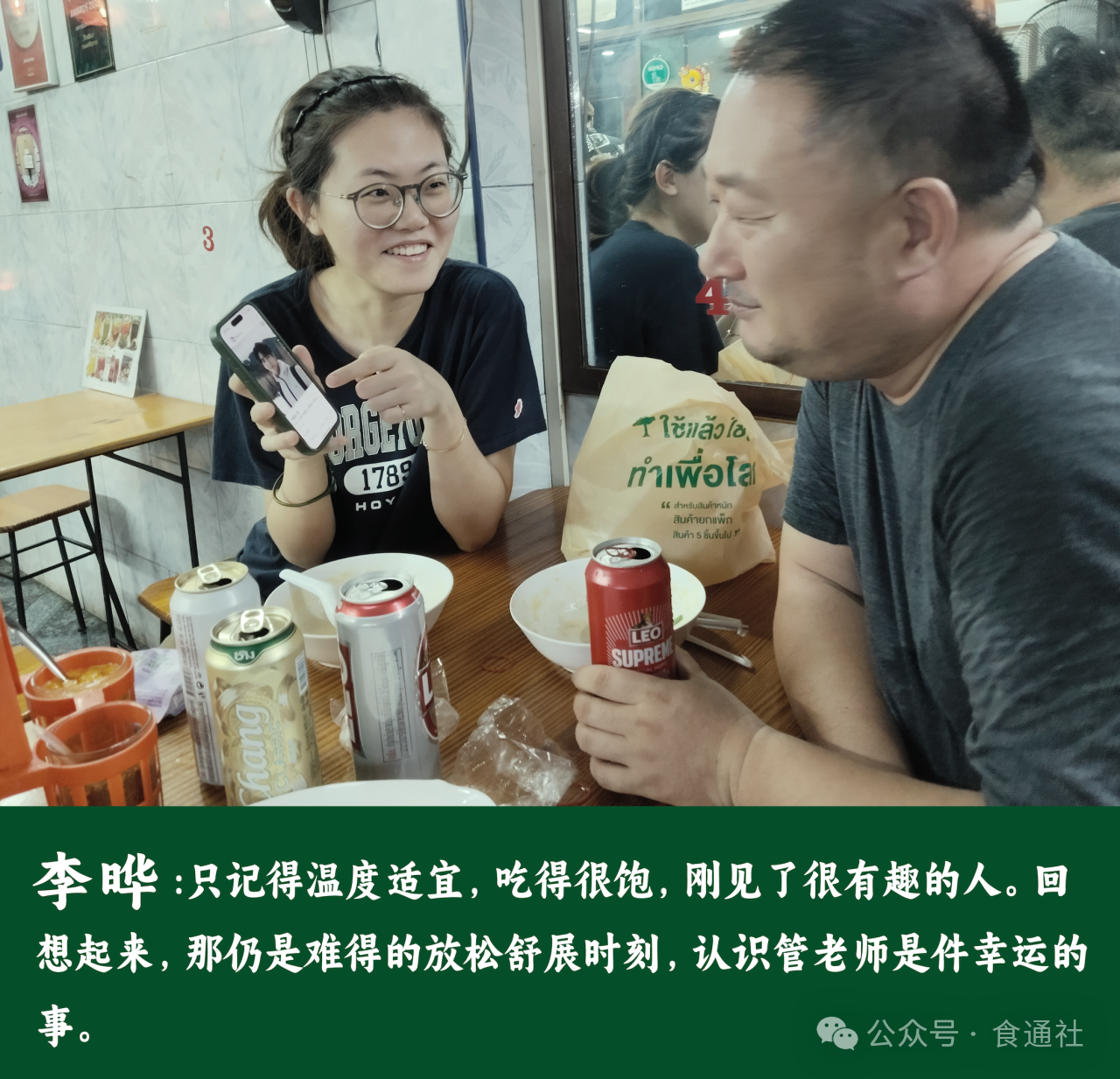
I met Teacher Guanqi only twice, but I still want to put a few words down.
Both times, we met over a meal.
The first meal was also my first with Foodthink — a Wenzhou-style street-food stall. I vaguely recall Teacher Guanqi performing some dinner-table party trick that evening, tapping out a rhythm with his elbow, or some other kind of body artistry. What an original.
Later I added him on WeChat, and his very first message was: ‘I thought we hadn’t split the bill yet…’
Take a good look: here is a refreshingly dapper middle-aged man who is into Jennie stickers.

The second meal — and the last — was in Bangkok.
Teacher Guanqi was “in retreat” in the mountains at the time, with a rare holiday down to the city. Seeing him at the metro station from a distance, there really was something of a “master descending from the mountain” about him.
We bought beer at the 7-Eleven nearby, found a little eatery, and had a simple bowl of pork congee.
The beer was probably nothing special; we even added a bag of pork rinds to go with it, but the pork rinds weren’t great either.
But as lavish as this spread gets, all you can spring for is a bag of pork rinds.
The core of this retreat was “seeing yourself.” As it happened, right next to where he sat was a large mirror — turn your head, and there you are, any time. I thought then: how convenient! Why climb a mountain to practise when turning your head is practice enough? Now, looking back, perhaps wherever he sat was his place of practice.
I invited him to come with me the next day to King Power to watch the handsome men. His face twisted with reluctance, like a metro grandad hunched over his phone. But the earnestness of his awkwardness, and the sheer goodness of him, made me believe, for one moment, that he really would come with me.
After dinner we walked toward the hotel. Bangkok’s streets were remarkably clean. I don’t remember what we talked about. It might have been rain the next day, or which mall to hit for a one-stop souvenir haul, or a sharp rant about how Thai producers push BL content far too hard.
After all, it was just an ordinary day. There would be many more meals like this ahead of us.
All I remember is the pleasant warmth, being wonderfully full, having just met a fascinating person. Looking back, it was one of those rare moments of ease and openness — and knowing Teacher Guanqi was a fortunate thing.
That comfort — that is what he gave everyone.
Free, like the wind.
When Will You Come Again.


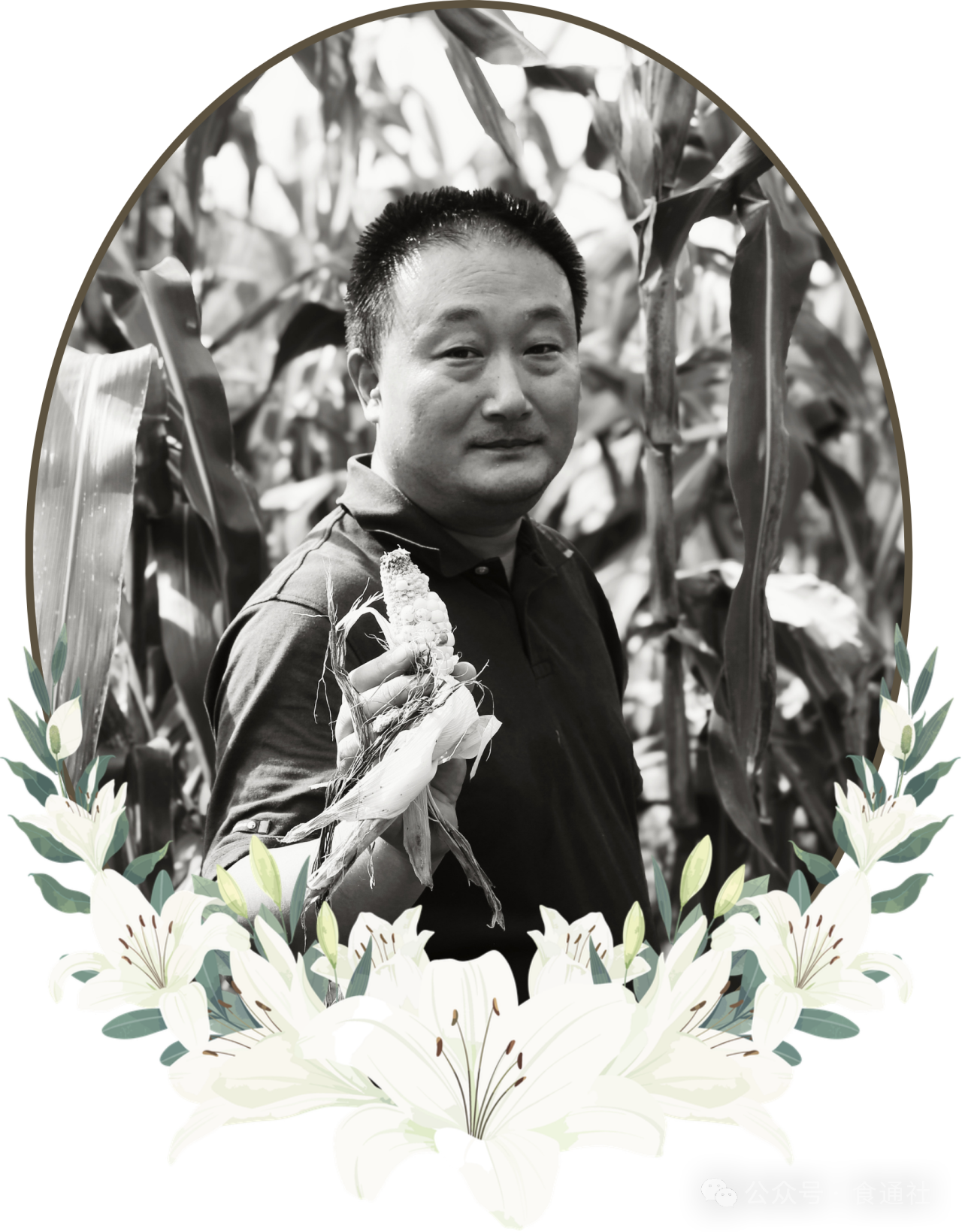
Time
28 April 2026
Location
Liangzhu, Hangzhou, Zhejiang
You are warmly invited to a gathering of remembrance
Join us to
Honour this precious friend and companion
and bid farewell to our Guanqi one last time
To attend the memorial, please complete the form