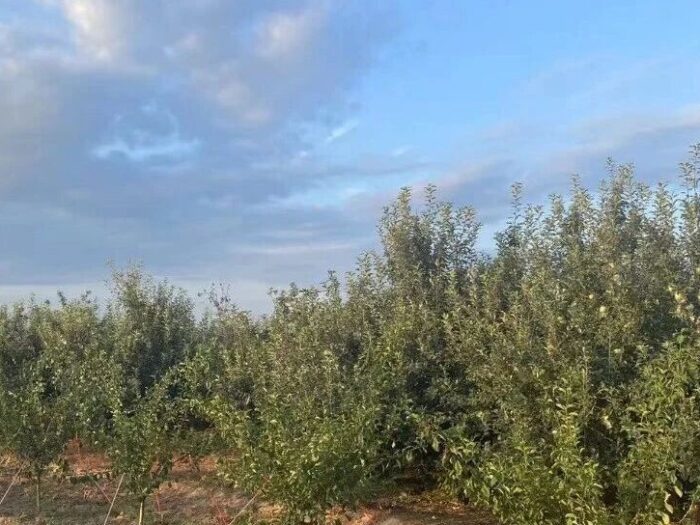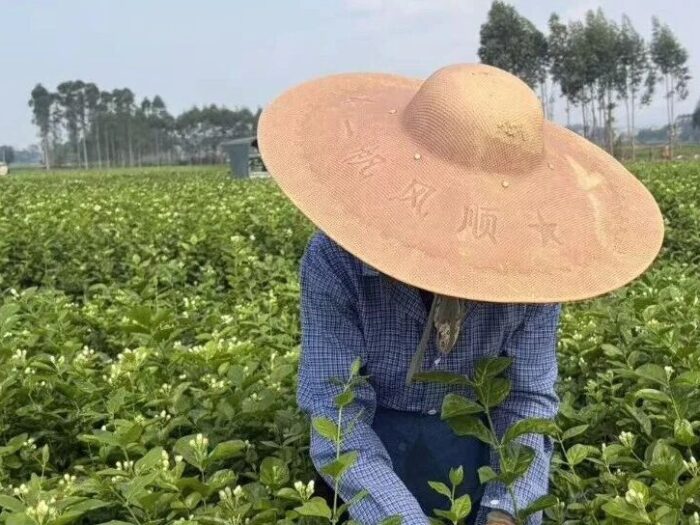
Auntie Huang in Hengzhou’s jasmine flower fields, Auntie Lu in Yingde’s tea gardens—both rely on decades of practised hand-and-eye judgement to know which flower to pick, which leaf to pluck. This experience cannot be written into machine instructions, yet is always classed as “requiring little technical skill.”
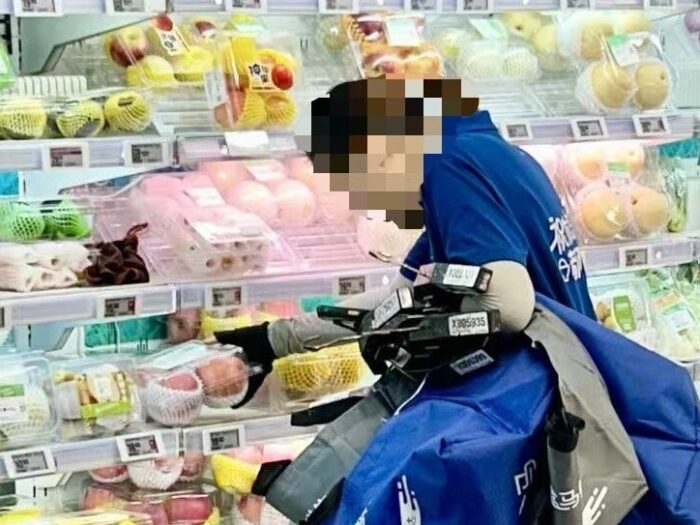
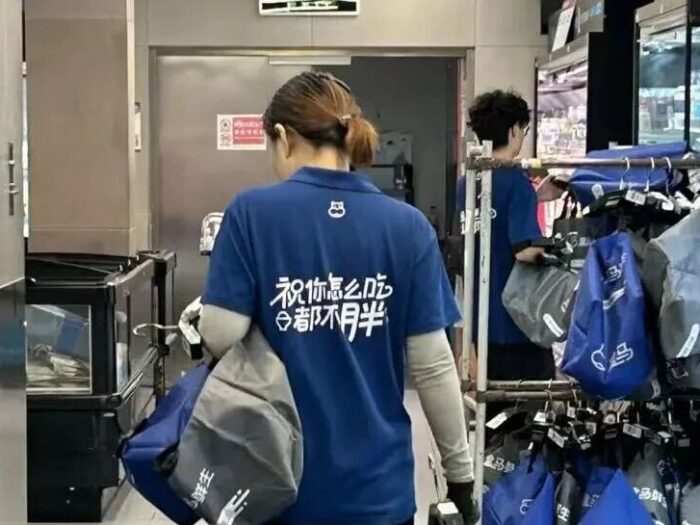
Two order pickers at Freshippo and Xiaoxiang say that under the pressure of algorithms, injuries must be borne alone; the contract casts both sides into a “pure business cooperation relationship”, denying any employment relationship — yet between dashes, colleagues still willingly lend a hand.
Order pickers who have run orders at Hema (Freshippo) and Xiaoxiang, in dialogue: seven hours with no meal break scheduled, twenty thousand steps a day, pay tiers never disclosed, and PDA efficiency rankings that hook you like a game.
How a pig is raised, why riders race against the clock – once you know, some people genuinely can’t bring themselves to buy it any more. We’d love to hear the inner conflict behind those “I don’t want to keep buying this” moments, and that little sense of “morality”.
Professor Zhang Dandan of Peking University called flexibility itself a benefit. Zheng Yuyang, who trekked with odd-job workers harvesting Korean pine cones in the northeast and delivered food in Beijing for four months, found this grating: workers want a stable job with social insurance and dignity, not flexibility.
Qinguang gave way to Fuji, Fuji was uprooted for grain, grain brought in no money—peaches and plums went in. Dad, close to seventy, tallies next year’s accounts between the wheat rows, and whether they will still sell in a few years, no one can say.
In recent years, Foodthink has tracked e-commerce platforms’ impact on food and labour: “ghost-kitchen delivery” made by platform subsidies, order pickers at 30,000 steps for 3 fen, Guangzhou wet markets squeezed by fresh-food e-commerce, 100 million daily orders in layers of plastic, and worldwide practices exploring another possibility.
Working part-time as a Picker at Xiaoxiang Supermarket: three minutes per order, pay based on “effective working hours”, and continuous sprinting between the sub-zero freezer and tall shelving units. Mis-picks and omitted items are inevitable structural problems under this speed regime.
After four years “infiltrating” e-commerce livestream teams and nine months merchandising, Duan Shichang found rural livestream rooms hiding a tug-of-war between ‘new-generation farmers’ and the algorithm: the grandmother selling salted duck eggs might be an actor, suffering is commodified, and “algorithm lore” is their path to breaking through.
New harvesters with large grain tanks have left Fourth Uncle, the village’s last “bag catcher”, completely out of work. Small-scale farmers have done the sums: one smart machine costs as much as two or three conventional ones, so they still opt for second-hand Dongfanghong diesel tractors.