

A graduate of the University of Gastronomic Sciences, Pollenzo, recalls the days spent with Petrini in Bra, and the voices in the Slow Food movement yet to be heard.
Species protection, ecosystem change, and habitat loss.
A graduate of the University of Gastronomic Sciences, Pollenzo, recalls the days spent with Petrini in Bra, and the voices in the Slow Food movement yet to be heard.

Author of The Vanishing Bees, Professor Lü Chensheng of Southwest University, begins with Colony Collapse Disorder at a Foodthink talk, discussing the ecological and health risks of pesticides entering the food chain from seeds, and seed companies’ influence on agricultural policy. 31 May afternoon, Beijing + online.

Experiments by Harvard professor Chensheng Lu, beekeeper Kenneth Walhol and entomological toxicologist Richard Callahan confirmed that low doses of neonicotinoid insecticides enter soil, water and the food chain through seed coating, causing entire bee colonies to vanish and ultimately reaching human dinner tables.
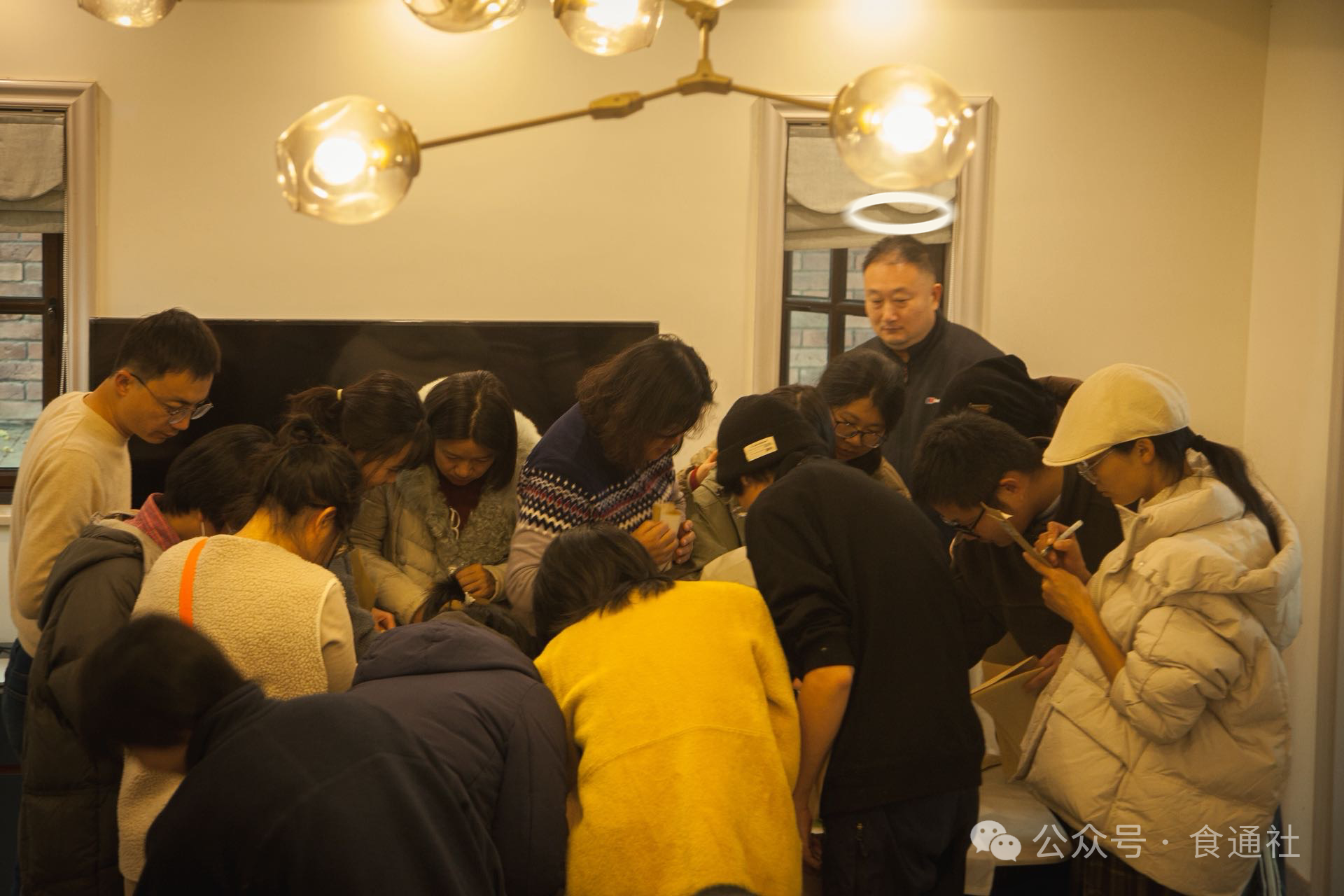
Guanqi of the Farmer Seed Network died unexpectedly on a work trip in Qinghai. Foodthink’s friends set down who he was: the group’s “study representative”, a craft beer lover, an unsung hero of seed conservation — and the friend who made sure no one was ever alone.
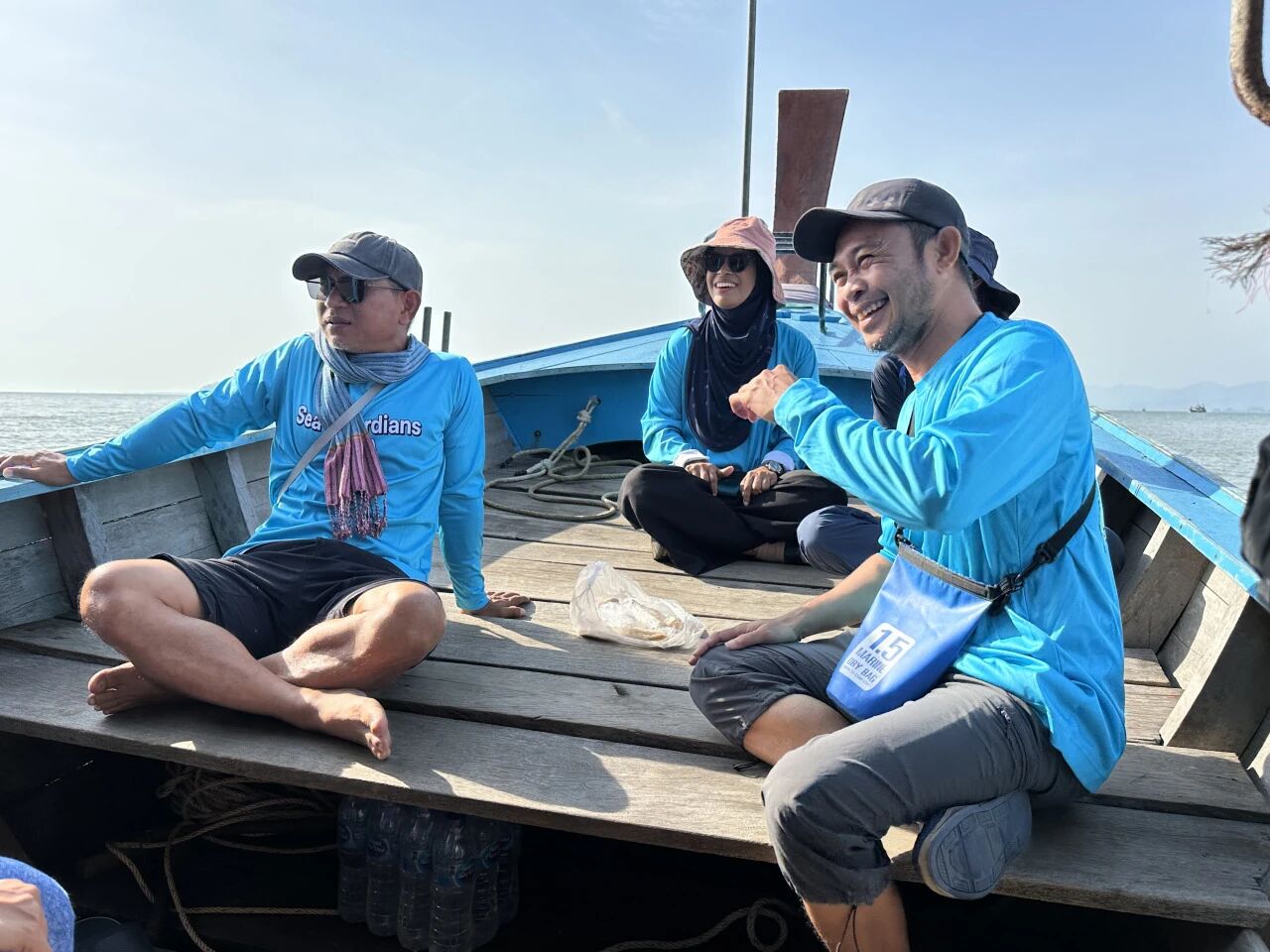
Fishermen in Satun and Trang provinces treat the mangroves as a “larder”, running their own restaurant, processing seafood and offering eco-tourism – turning the community marine-management rights they fought for into a livelihood that feeds their families.
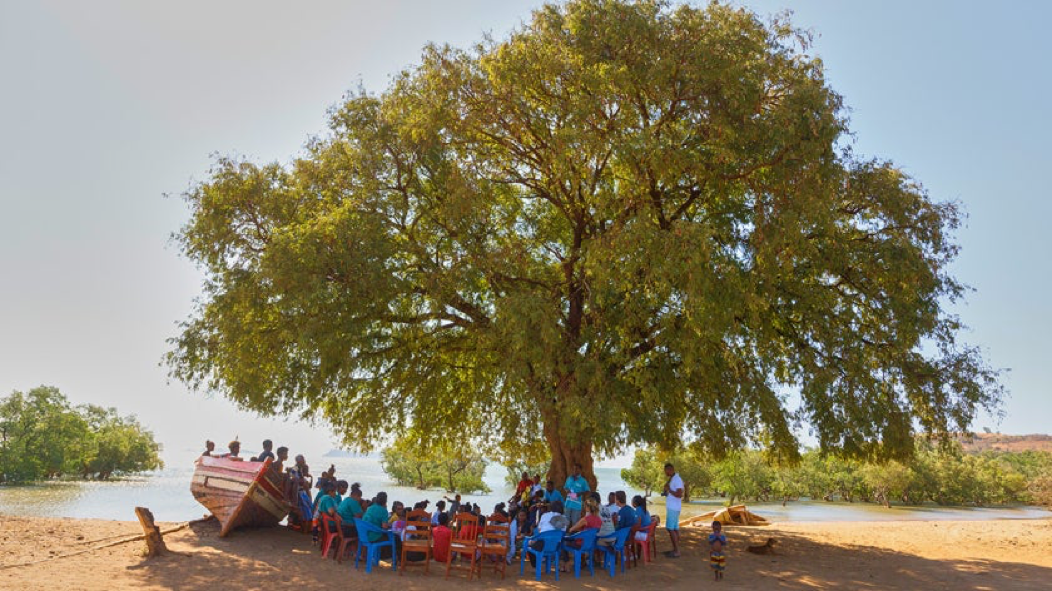
After storms razed homes, national parks barred fishers from rebuilding elsewhere; dredging killed seagrass beds, starving scores of Dugongs; carbon sink projects eye the mangroves. Fishers in Trang and Satun use bamboo to reclaim land, run Crab banks, co-manage with government – defending their own sea, bit by bit.
The Satun Province fishers’ association began by driving out illegal trawlers and eradicated local overfishing within a decade; yet the 2025 Fisheries Act amendment, approved by Parliament, will allow fine-mesh nets for night fishing, putting thirty years of community conservation to a new test.

The large-scale monoculture of the Plantationocene has dismantled ecosystems and rural communities, yet the traditions of care in the Qimin Yaoshu and Xu Guangqi’s Nongzheng Quanshu suggest that “non-plantation” farming can still become imaginable once more.

From Qiandongnan to Baoding, from Thailand to the Philippines, seed-saving farmers and seed workers guard old varieties amid the standardised expansion of hybrid seed, questioning who has the right to decide what we grow and what we eat.

From Beijing to Yunnan, the practice of more than a dozen ecological farms across the country shows that weeds are not enemies to be conquered but partners in mending soil and building ecology; how weeds are managed reveals the fundamental difference in how farmers relate to nature.