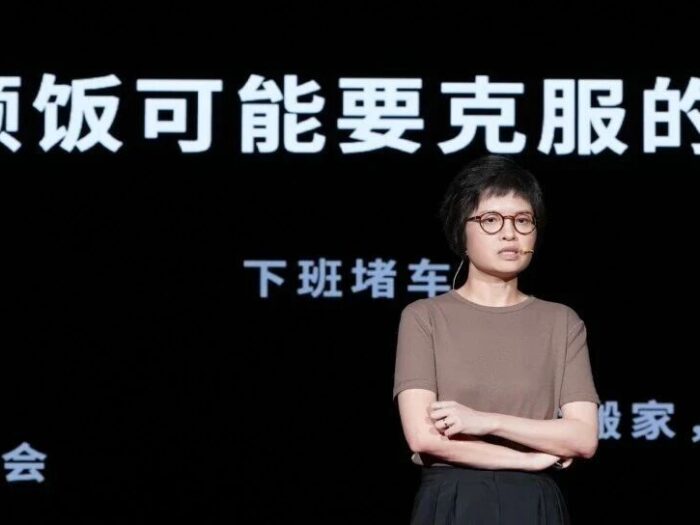
Food writer Chen Yuhui recounts in her Yixi talk how overtime and takeaway have gradually pushed cooking out of life — from having no salt to cook with during lockdown to a reader dismissed for cooking — asking how much of the connection between people and food remains.
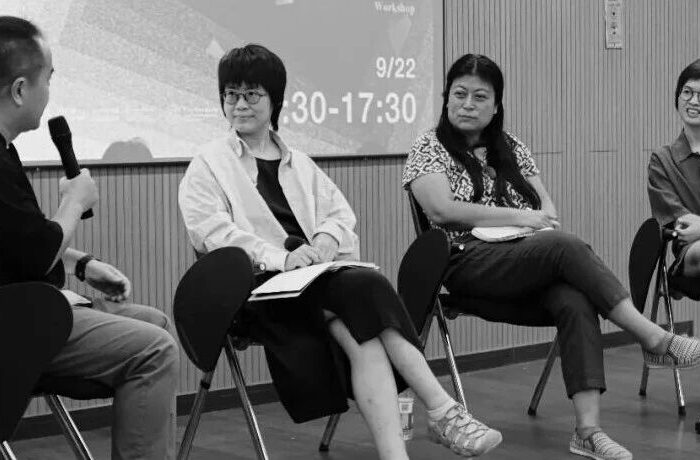
25 key points from a dialogue at Ningbo University’s Editorial Consciousness Workshop between Foodthink’s Chang Tianle, food writer Chen Yuhui and Associate Professor Hu Fang (China Academy of Art): menu design, recipe writing, food and agriculture media’s public role, and long-form writing’s value in the AI era.
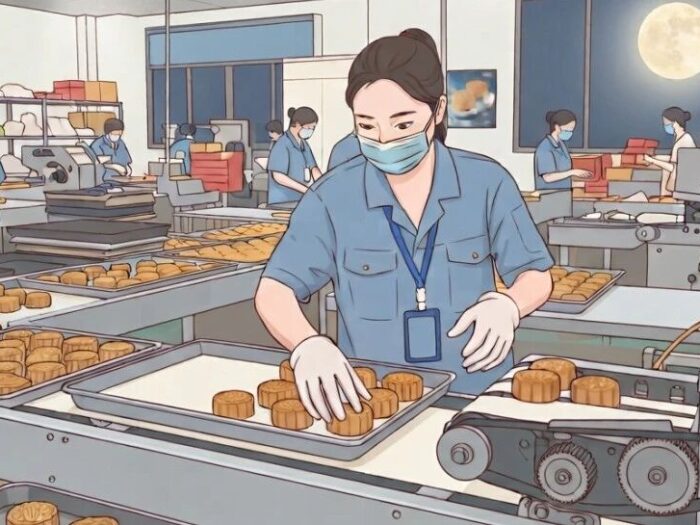
Forty-five days before the Mid-Autumn Festival, she walked into a Chaozhou mooncake factory to dust moulds—seven or eight thousand a day, hands never stopping. The conveyor line’s roar, the old master’s hand-over-hand laobing lessons, and workers’ chatter about freedom all marked the start of her gig life.
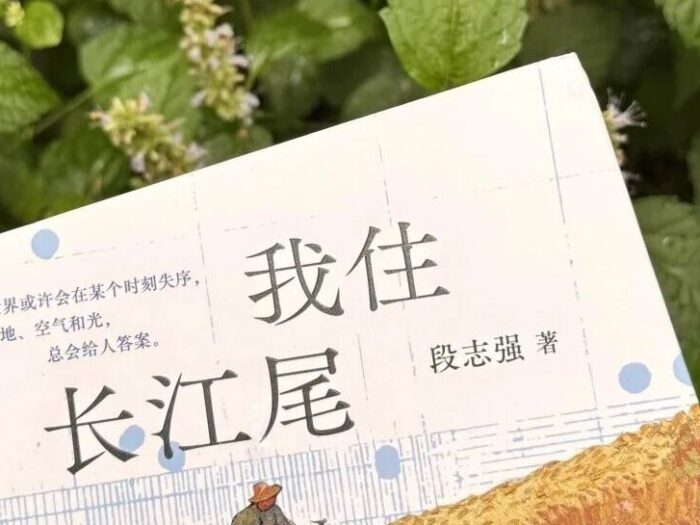
Historian Duan Zhiqiang of Fudan named four plots on Chongming Island “the Mainland”, “the Subcontinent”, “the New World”, “the Offshore Island”, poring over farm books, working out composting and melon-growing. Fellow city grower Wang Youzao recognised Su Shi and Lu You in soil and old texts — and himself.
In 1970s Langhao Gou, most sow-thistle we dug fed the pigs; a handful made the family’s summer meal. Now it is wellness tea at several hundred yuan a jin, a stress-relief pastime for city youth. Who still remembers where that clean bitterness, its sweet aftertaste, came from?
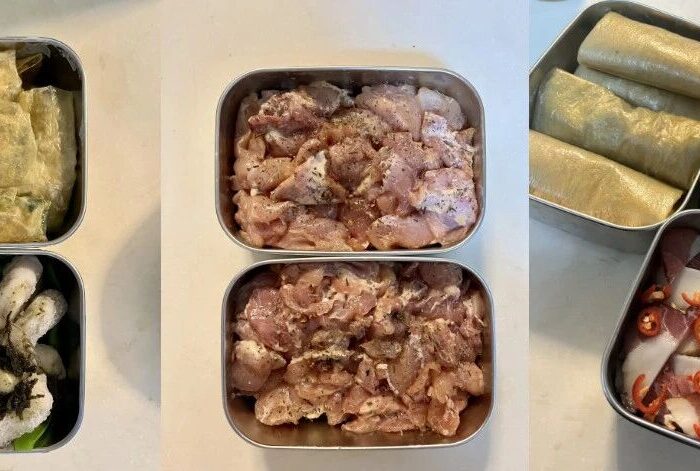
After leaving her job, Jiaxin spent each day pouring mental and physical energy into two meals. She experimented with steamed prepared meals, ten-minute sour soup noodles and other options, no longer insisting on a single standard between freshly stir-fried and hassle-free.
Foodthink’s feast stories span over a dozen provinces: baba feasts with freshly slaughtered free-range chickens, a bowl of saozi noodles at dawn, ready-made dishes served before the ice has thawed. Red envelopes, seating and toasting clash with young people’s boundaries as village feasts drift into the cities.
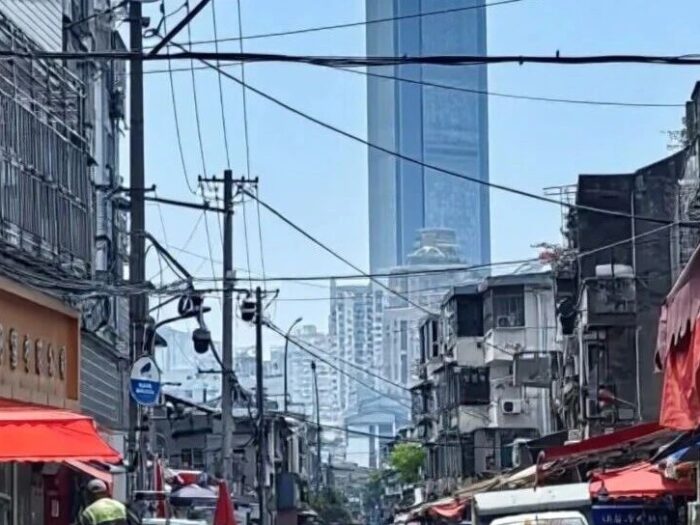
From the decline of Huanglong Wholesale Market to holding her ground at Shuangjingtou Wet Market, fifty-year-old Xu Yunyan supports her family through a ginseng and antler dried goods shop. Refusing e-commerce and livestreaming, she relies on word of mouth and serves only retirees.
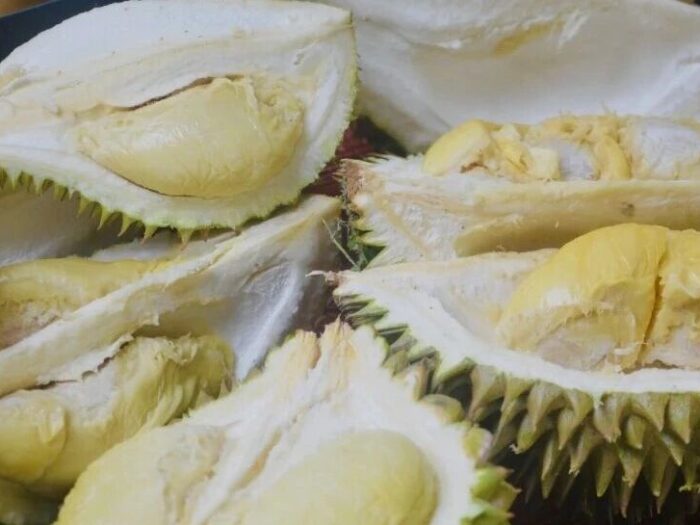
Musang King and Black Thorn oversupply triggered this year’s Malaysian “durian tsunami”. Balik Pulau’s Kampung old-tree smallholders are caught in it: tree-ripened fruit has an extremely short shelf life, sold cheap or discarded first – and many farmers have already felled their old trees, switching to grafted premium cultivars.
A single banquet table holds the bustle of rural hospitality and thirty years of shifting ties and conventions. From a baby’s full-moon celebration to a school-admission banquet, from the big village pots to the Dragon and Phoenix Hall, Foodthink invites you to share your own banquet story.