
Foodthink invited readers to share old kitchen items they refuse to discard: a cast-iron pan used for decades, an enamel mug kept 33 years since military training, an ox-bone dumpling-filling spoon passed down three generations. Their worn marks carry the memories no family will let go.
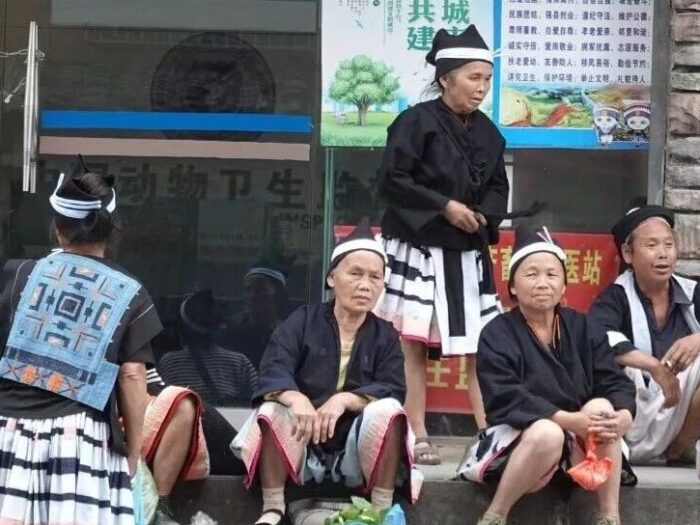
On a xu day in Lihu Yao Ethnic Township, I buy hemp seeds, sour meat and stuffed tofu with White Pants Yao locals, then watch pao sha and golden silk silkworms spinning silk at the wall-less Ecomuseum – one market connecting farming, weaving and the whole valley’s daily life.
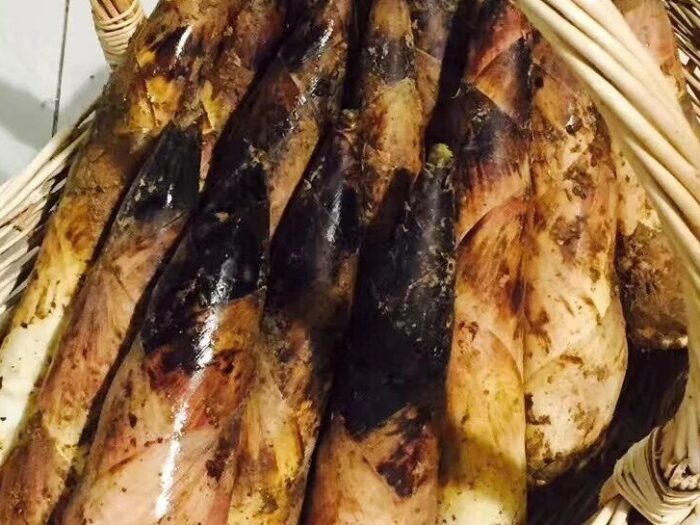
From Wuxi’s Yan Du Xian to Anji’s dried shoots and Peach Blossom dried bamboo shoots in Hunan’s groves, one season’s fresh bamboo shoots thread through generations’ hearths across Jiangnan and the southwest, and through vanishing rural flavours — the fire-baked bamboo shoot cake, Anji bamboo shoot and peanut snacks.
A graduate of the University of Gastronomic Sciences, Pollenzo, recalls the days spent with Petrini in Bra, and the voices in the Slow Food movement yet to be heard.
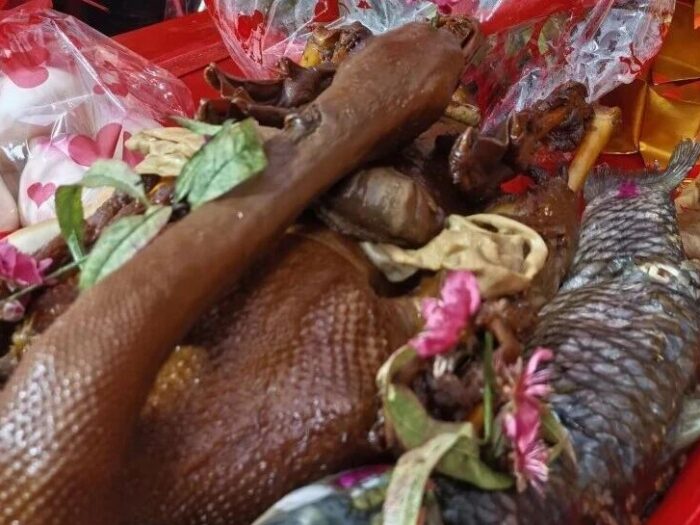
In 1946, Shen Dongyan in Malaysia sent a qiaopi simply to have his mother buy a braised goose for ancestral rites. In the Chaoshan region, braised goose is the offering of the highest grade on the offering table; this reverence has continued from the Nanyang to today.
In 1922, eight tourists died from Clostridium botulinum in duck pâté at Loch Maree, Scotland, and panic spread. Microbiology and market forces converged: corporate advertising, hygiene certification and the Pure Food and Drug Act combined to push home fermentation, step by step, out of the kitchen.
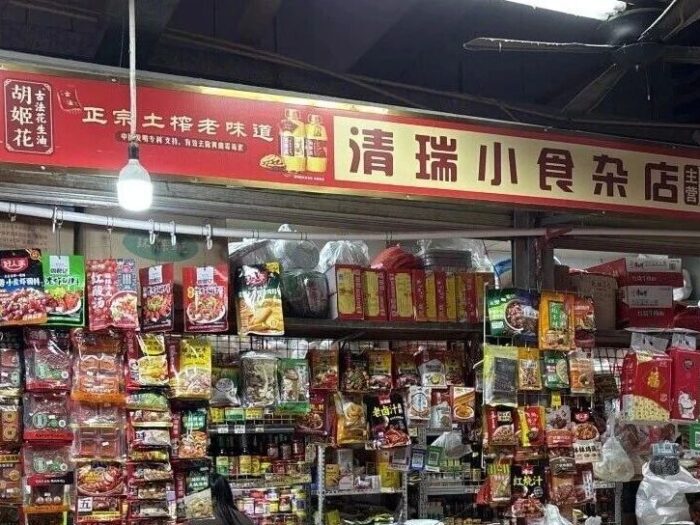
In 1995, my nan set up this sold-by-weight provision shop in Wuzhou’s Yijing Market. Since mum took over, she remembers which brand of soy sauce each regular always uses — and from opening at dawn to portioning out spices late at night, one shift runs to twelve hours.
Guanqi of the Farmer Seed Network died unexpectedly on a work trip in Qinghai. Foodthink’s friends set down who he was: the group’s “study representative”, a craft beer lover, an unsung hero of seed conservation — and the friend who made sure no one was ever alone.
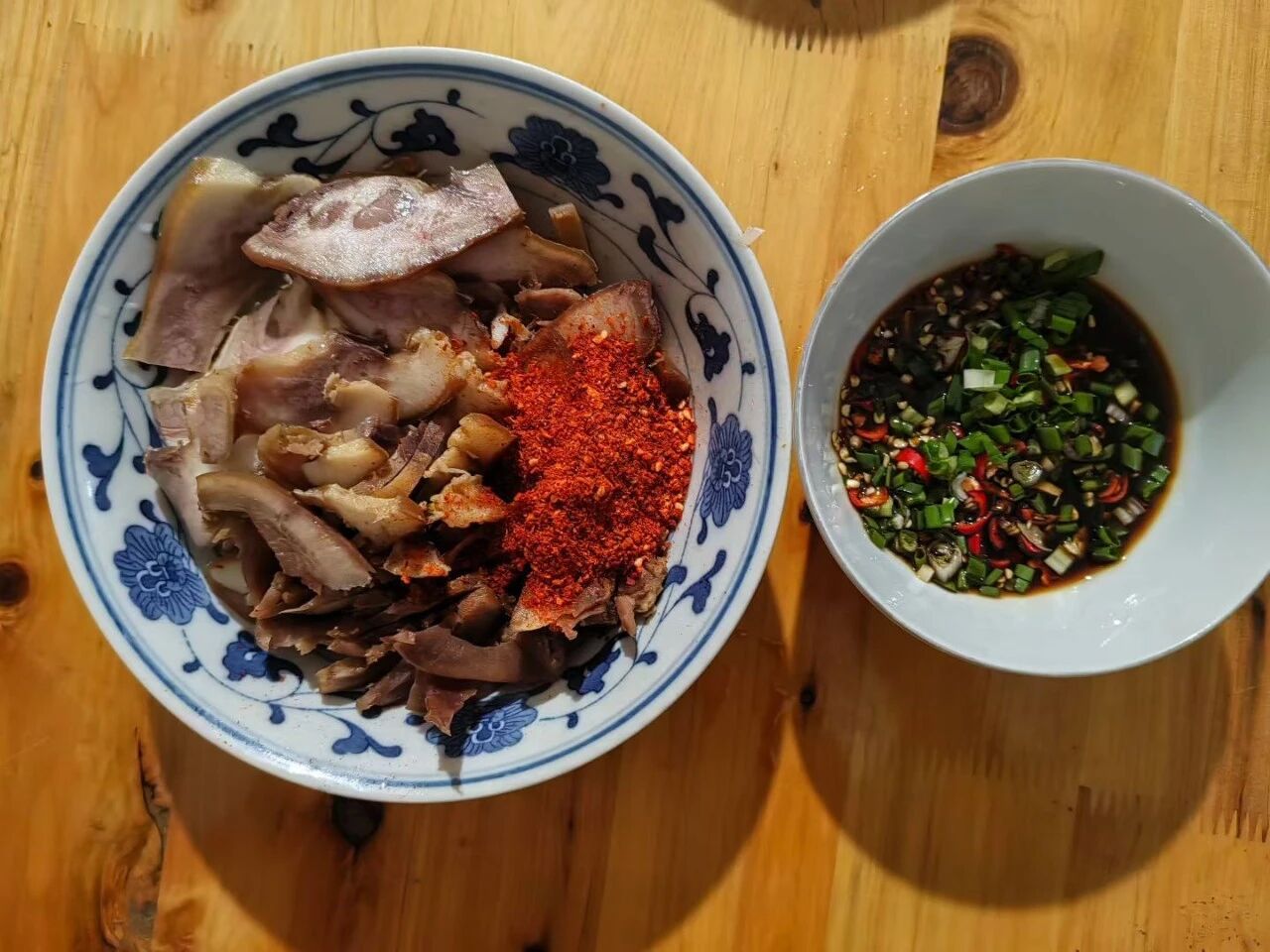
This Chinese New Year, villagers in Wutong Village, Weiyuan, carried bamboo baskets to market before dawn, steamed rice over a wood-fired stove, and spent five hours on a dish of native crucian carp, pinching pea shoots for shao bai and meatball soup. Twenty rural days: humble ingredients, labour-intensive cooking.
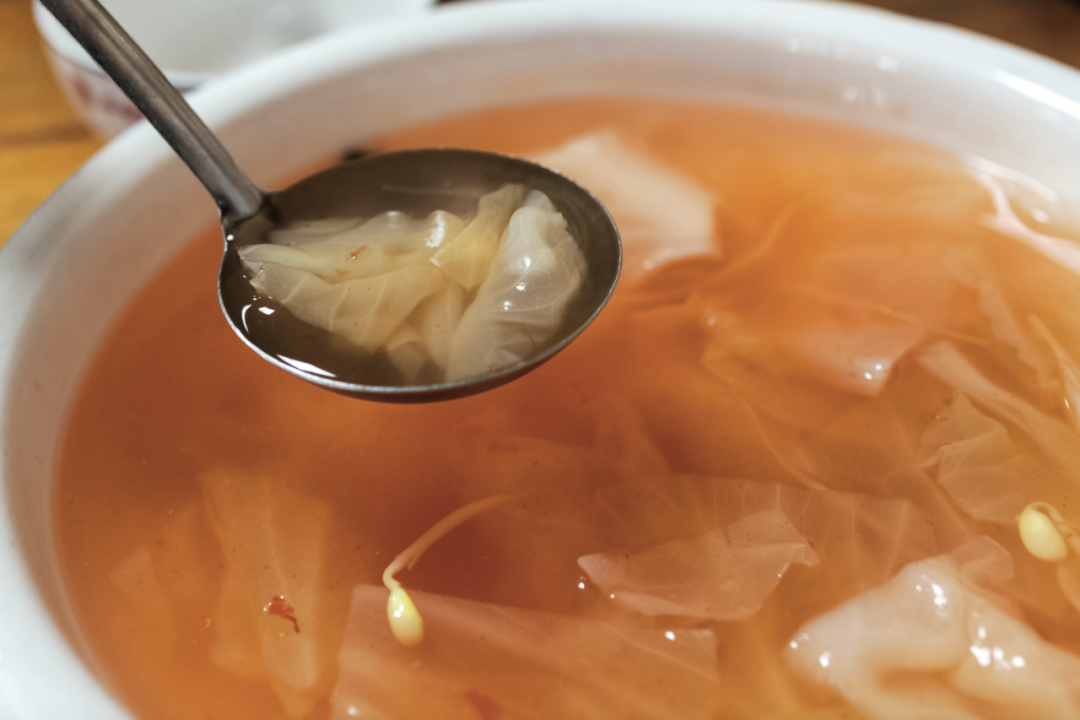
Mother wept before the sauerkraut crock in the abandoned courtyard of the family home in Heilongjiang. Back in Beijing, this generation dug out Fermented Food and pickled their first-ever crock of sauerkraut.