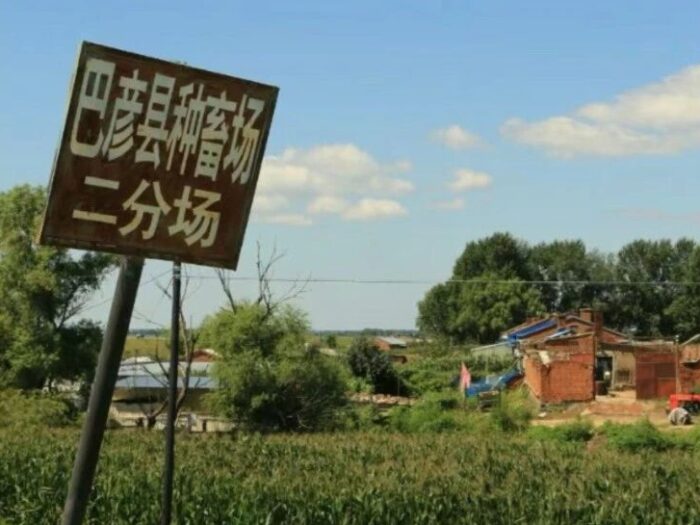
A young native of Zhenhua Village, Bayan County, returns to plan a wedding. Only fourteen of over seventy households remain, with just two relatives’ homes left to stay at. Great-Uncle has started talking of city retirement, once he can no longer carry the firewood.
Foodthink, in partnership with Junqiao Crazy Farm, is hosting a three-day co-learning camp in Chongzhou, Chengdu. Led by Luo Lishuang and Huang Guoliang, the curriculum centres on three themes – soil, plants, and animals – paired with hands-on field practice such as composting and fermented plant extract.
At Gudao Xifeng Manor in Haidian, Beijing, Brother Daotian — not formally trained — has kept a business afloat through pesticide-free ecological farming and over a hundred mu of sublet vegetable plots, while more than half of shared garden projects nationwide remain mired in losses.
Foodthink’s fourth co-learning camp, in October at Junqiao Crazy Farm, Chongzhou, is led by Luo Lishuang and Huang Guoliang—over 20 years in ecological cultivation. Starting from carbon source supplementation, it explores soil-crop relationships. 20 places for ecological smallholder farmers from Yunnan, Guizhou, Sichuan and Chongqing.
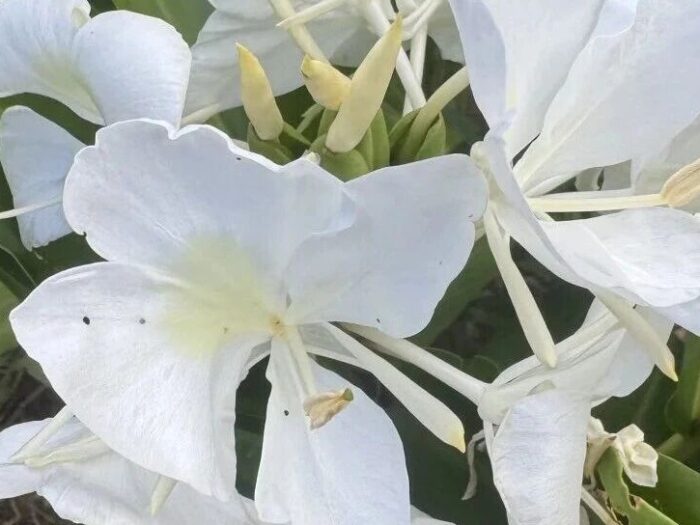
Grandma Kouzi of Villain Valley cuts a path for pumpkins, felling white ginger lilies loved for over a decade. After five years, hardy bananas proved they could fruit; she learned to leave care to the seasons—from “plant killer” to one who shares her fate with the land.
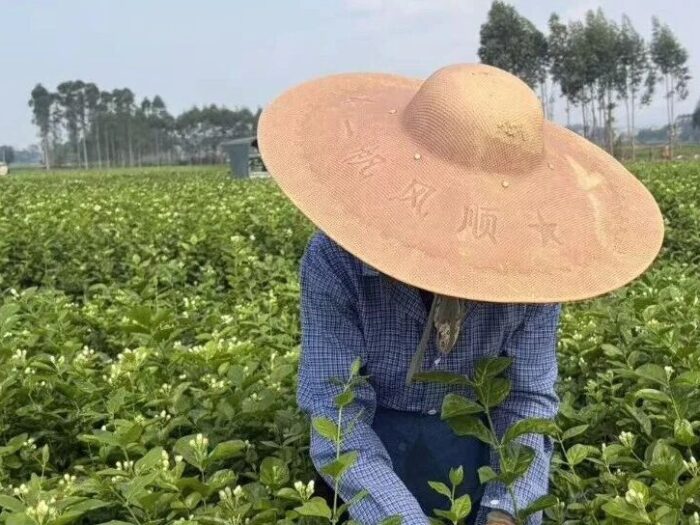
Auntie Huang in Hengzhou’s jasmine flower fields, Auntie Lu in Yingde’s tea gardens—both rely on decades of practised hand-and-eye judgement to know which flower to pick, which leaf to pluck. This experience cannot be written into machine instructions, yet is always classed as “requiring little technical skill.”
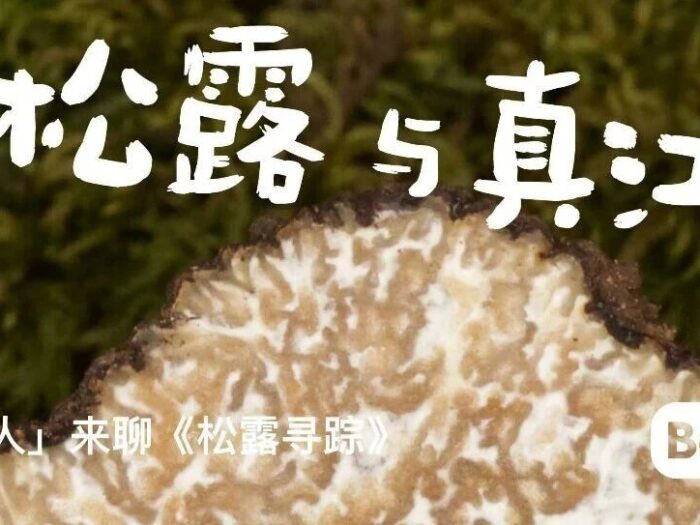
In 1998, Italian truffle giant Urbani Tartufi had 47 tonnes of Chinese truffles seized, having long blended them into black winter truffles for profit. On 29 September, Kunming Institute of Botany mycologist Yu Fuqiang and Yi returnee farmer Kang Li discuss online Chinese foragers’ plight under climate change.
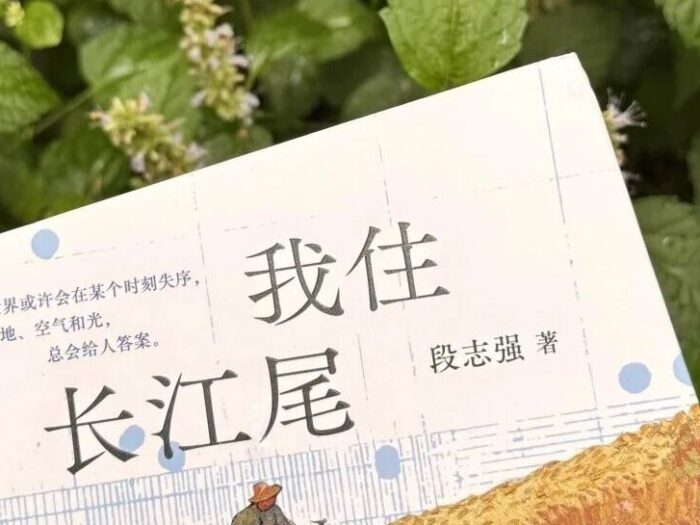
Historian Duan Zhiqiang of Fudan named four plots on Chongming Island “the Mainland”, “the Subcontinent”, “the New World”, “the Offshore Island”, poring over farm books, working out composting and melon-growing. Fellow city grower Wang Youzao recognised Su Shi and Lu You in soil and old texts — and himself.
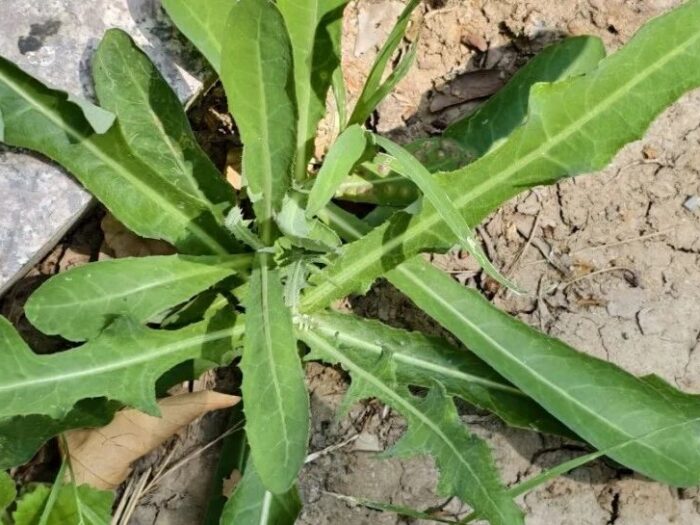
In 1970s Langhao Gou, most sow-thistle we dug fed the pigs; a handful made the family’s summer meal. Now it is wellness tea at several hundred yuan a jin, a stress-relief pastime for city youth. Who still remembers where that clean bitterness, its sweet aftertaste, came from?
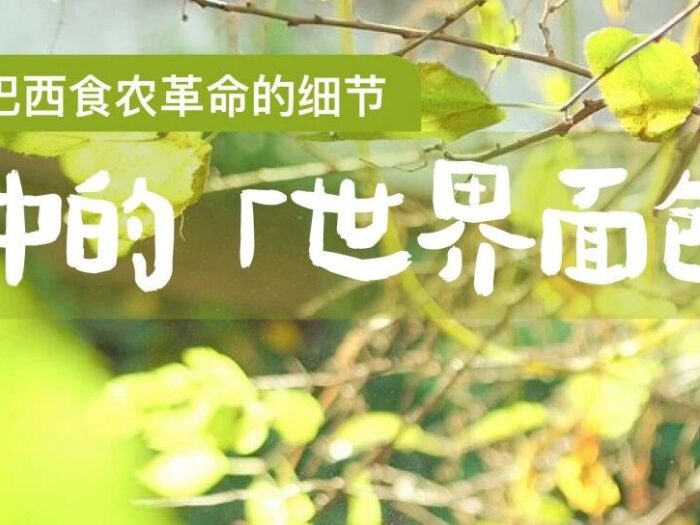
Brazil’s smallholder farmers are breaking free from pesticides and chemical fertilisers, moving towards agroecology, while consumers drive change back to the production end. Experienced food and farming practitioner Bia Goll from São Paulo shares twenty-plus years of practice. Saturday, 12 September, afternoon – Beijing in-person + online livestream.