

From late May to early June, Lüwo Farm in Jingyang endured nearly two weeks of continuous rain. Abro wheat and spelt wheat suffered lodging, sprouting and mould, forcing farm owner Dahei to rush an early harvest, with yield dropping by roughly 20%.
Food production, farmers, rural society, and agroecological practices.
From late May to early June, Lüwo Farm in Jingyang endured nearly two weeks of continuous rain. Abro wheat and spelt wheat suffered lodging, sprouting and mould, forcing farm owner Dahei to rush an early harvest, with yield dropping by roughly 20%.

Founded by young Dutchmen Sam and Martin, the “Happy Vegetables” farm uses standardised seedbeds, paper-pot propagation, a hand seeder, subsurface sprinkler irrigation and no-till to make ecological vegetable growing a nine-to-five job, earning a decent income through community subscriptions.

Jishi, Beijing Organic Farmers Market’s community greengrocer at Fenghuanghui, East Third Ring—ten years sourcing traceable produce from ecological smallholders. After its third renovation, market head Xiaoyun Sheng and designer Kang Zhen discuss balancing ecological ideals with limited budget in CBD, rebuilding ties between people, community and nature.
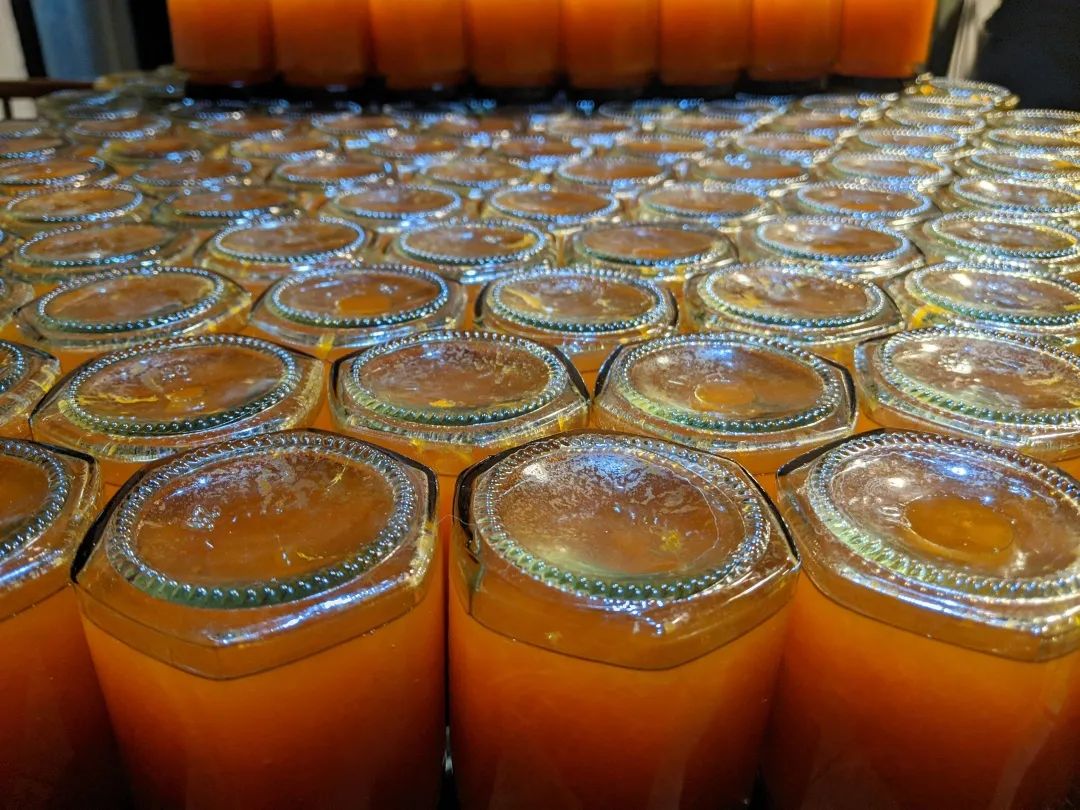
The State Administration for Market Regulation plans to remove “drying” from the definition of “edible agricultural products” in its draft for public consultation. Smallholders who sun-dry and sell their own dried goods may face penalties, while building a factory or arranging contract processing is unrealistic for most farmers.

China’s Acceptable Daily Intake for procymidone exceeds that of the EU, Japan and Australia; under contiguous high-tunnel cultivation of Chinese chives, growers apply preventive spraying every seven days, grey mould fungus resistance continues to rise, and adjusting residue limits cannot change a production model built on overuse.

Liang Junjie, a post-1980s native of the Shanxi–Shaanxi–Inner Mongolia Loess Plateau, left chemical-fertiliser and pesticide sales to return home and found the brand Xunxiang Dao. Nine years of pitfalls—product selection, processing, packaging, channels—ultimately led him to ecological agriculture and rural study-tour programmes for children.
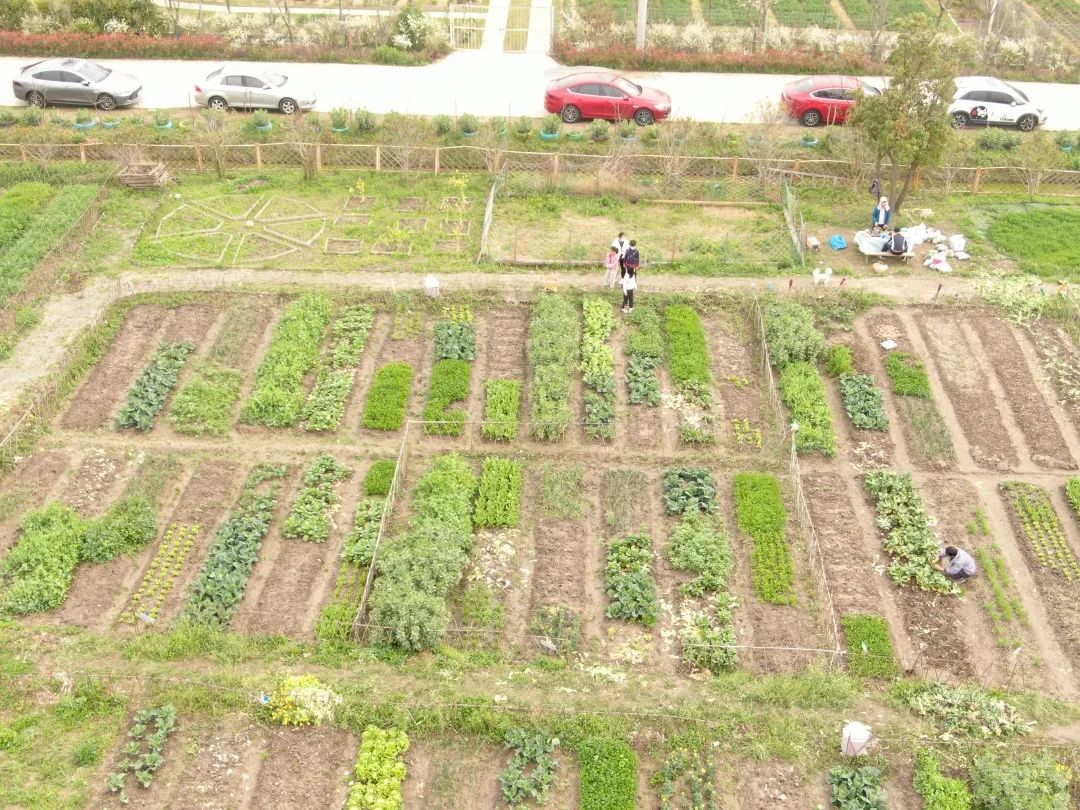
Mr Yuan Qinghua, director of Letian Haiwan Farm in Fengxian, Shanghai, is handy at everything from repairing vehicles and sawing timber to growing vegetables and answering questions. After months interning there, Xiao Mi saw that an ecological farm needs polymaths, not city-style specialists.

Former Beijing advertising worker Yu Jiangang and wife Mei Yuhui rear silkworms and reel silk in Zhenghebang Village, Tongxiang, tending the village’s last acre of Hangzhou white chrysanthemums. Their silk quilt brand Meiheyu passes on the craft — but the family farm now faces land and road development hurdles.

Brother Ma in Damao Banner watches his sheep and cattle trapped in livestock sheds on fodder, while Dulan’s grassland in East Ujimqin Banner degrades to bare ground. Sedentary pastoralism and dried-up water sources have planted the roots of dust beneath their feet.

In April 2023, nearly a hundred farmers, scientists and grassroots agricultural bureau staff gathered in Suzhou for the Farmer Seed Network’s 10th annual conference to discuss living conservation of farmer varieties, market use and ecological seed certification, and to exchange seeds at a Kunshan organic farm.