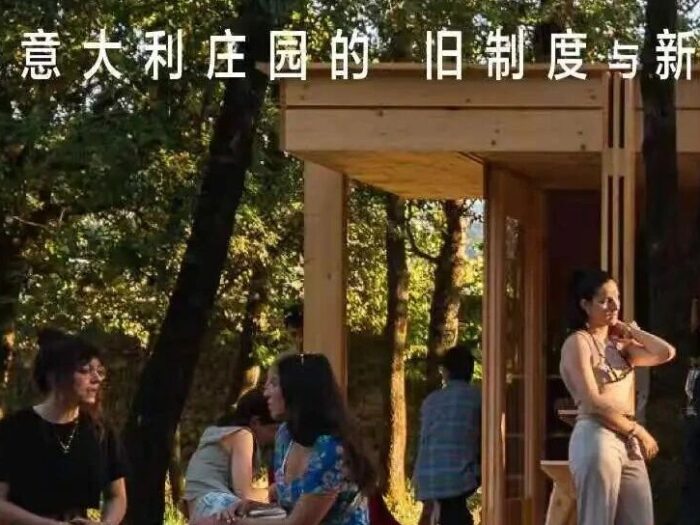
A 16th-century monastery garden in Umbria passed through sharecropping and a family farm to become Villa Cappuccini, where agriculture and art coexist. Cristiano Corbucci, a doctoral candidate at Nuova Accademia di Belle Arti (NABA), will share the estate’s practice from history to the present on 29 October.
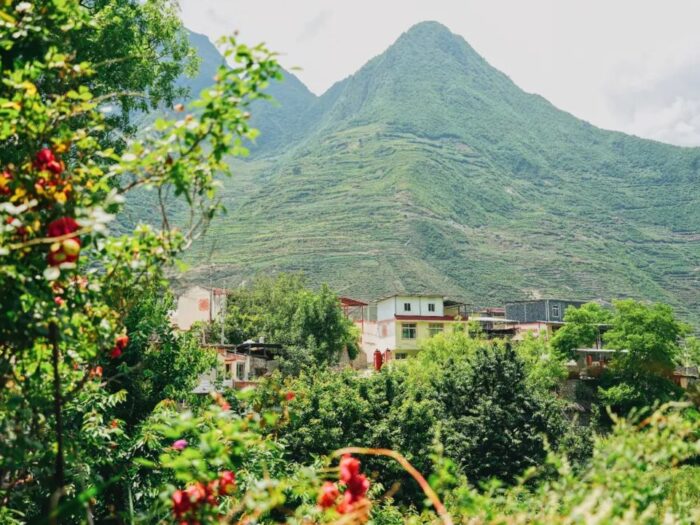
Koushan Village in Wenchuan, a Qiang ethnic group village rebuilt on its original site after the earthquake: fruit farmer Adong bags, sorts and livestreams on a steep 1,500-metre slope, sending sweet cherries and plums box by box to strangers on the other side of the screen.
At Gudao Xifeng Manor in Haidian, Beijing, Brother Daotian — not formally trained — has kept a business afloat through pesticide-free ecological farming and over a hundred mu of sublet vegetable plots, while more than half of shared garden projects nationwide remain mired in losses.
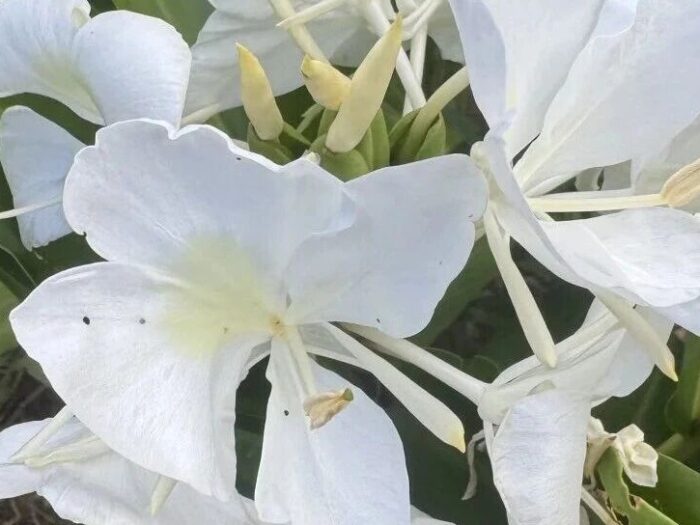
Grandma Kouzi of Villain Valley cuts a path for pumpkins, felling white ginger lilies loved for over a decade. After five years, hardy bananas proved they could fruit; she learned to leave care to the seasons—from “plant killer” to one who shares her fate with the land.
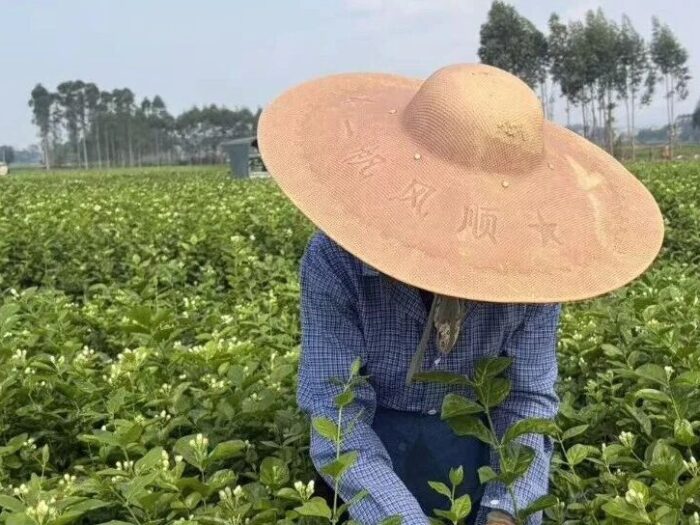
Auntie Huang in Hengzhou’s jasmine flower fields, Auntie Lu in Yingde’s tea gardens—both rely on decades of practised hand-and-eye judgement to know which flower to pick, which leaf to pluck. This experience cannot be written into machine instructions, yet is always classed as “requiring little technical skill.”
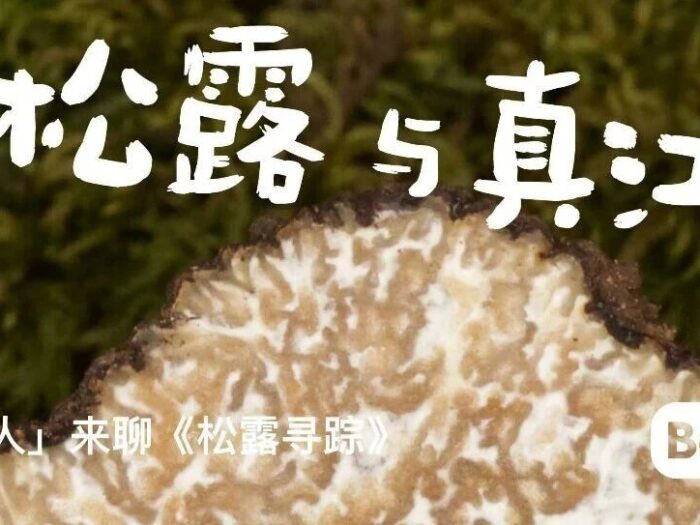
In 1998, Italian truffle giant Urbani Tartufi had 47 tonnes of Chinese truffles seized, having long blended them into black winter truffles for profit. On 29 September, Kunming Institute of Botany mycologist Yu Fuqiang and Yi returnee farmer Kang Li discuss online Chinese foragers’ plight under climate change.
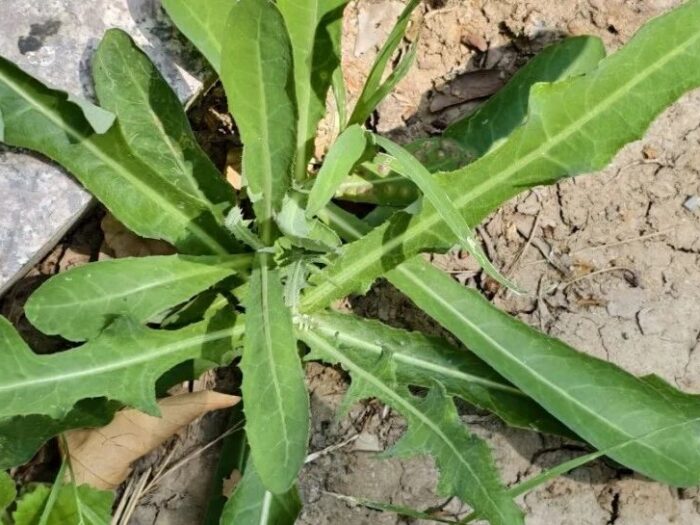
In 1970s Langhao Gou, most sow-thistle we dug fed the pigs; a handful made the family’s summer meal. Now it is wellness tea at several hundred yuan a jin, a stress-relief pastime for city youth. Who still remembers where that clean bitterness, its sweet aftertaste, came from?
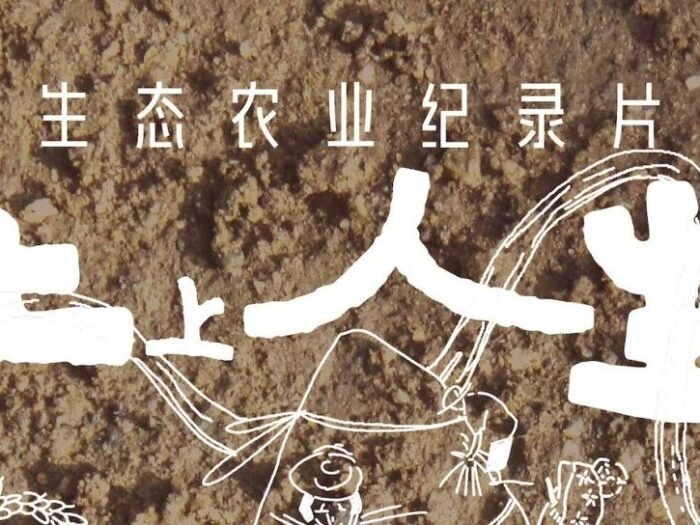
Three young directors with a China–France perspective plunge into rural China, following in six episodes Mum Hu, Chen Xi, Fanli, Dahai and other ecological farmers who left old lives to re-root in the land. The Life on the Land team meets audiences after two Beijing screenings, 12–13 September.
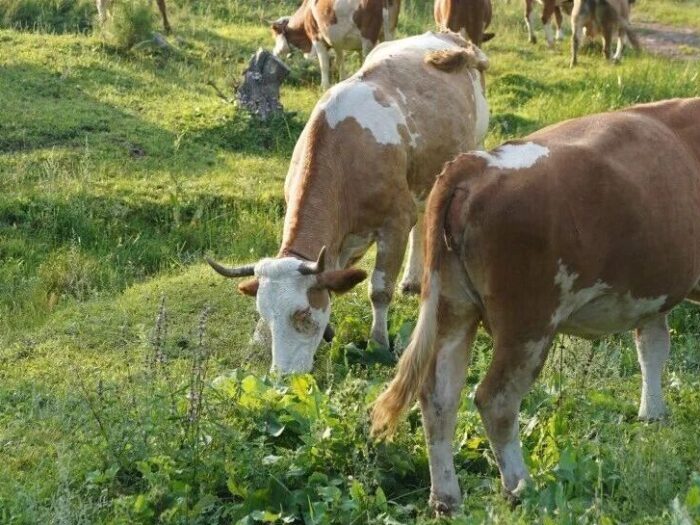
Cattle prices have fallen from thirty thousand to six or seven thousand yuan; cattle-keeping households in Leyi Village, Heshun County, have shrunk from over twenty to three. Gone with the empty cowsheds: hillside dǎo xiē dǎo xiē chatter, walkie-talkie calls, and a newborn calf’s promise.
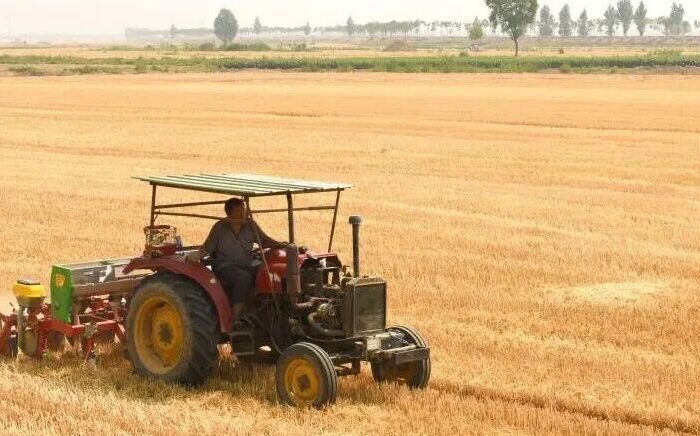
Heilongjiang permits orderly burning, yet Hebei farmers remain unaware: ‘Start a fire and they’ll detain you.’ After over a decade of straw return in Quzhou and Fengfeng Mining District, poor emergence, more pests, rising spray costs draw one shrug: “Not a big deal” — yet they’d far rather burn.