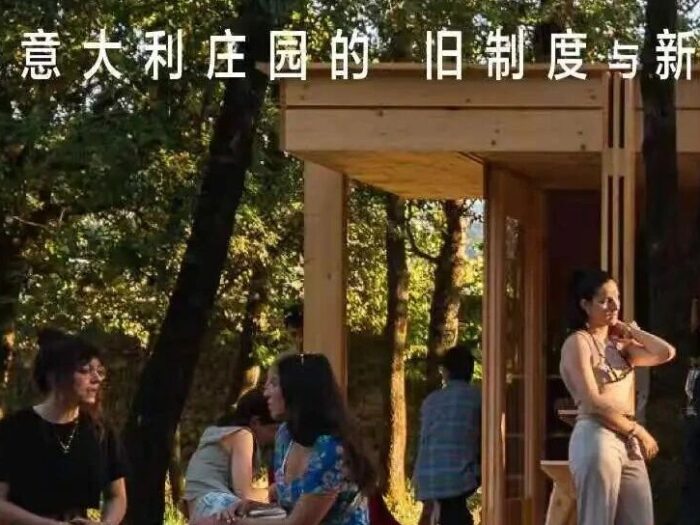
A 16th-century monastery garden in Umbria passed through sharecropping and a family farm to become Villa Cappuccini, where agriculture and art coexist. Cristiano Corbucci, a doctoral candidate at Nuova Accademia di Belle Arti (NABA), will share the estate’s practice from history to the present on 29 October.
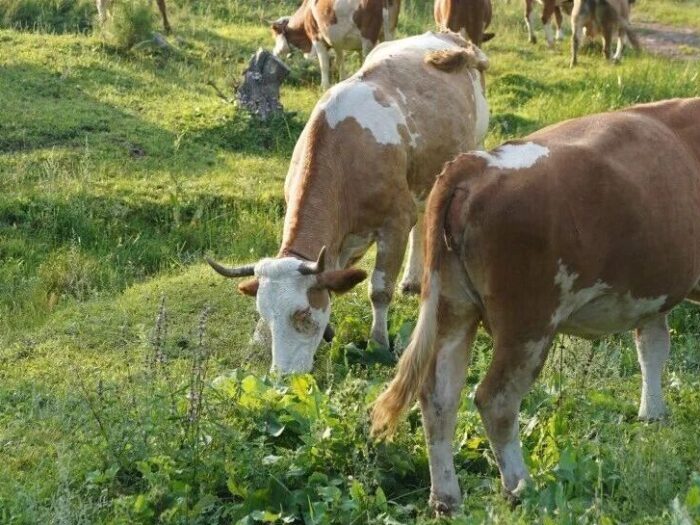
Cattle prices have fallen from thirty thousand to six or seven thousand yuan; cattle-keeping households in Leyi Village, Heshun County, have shrunk from over twenty to three. Gone with the empty cowsheds: hillside dǎo xiē dǎo xiē chatter, walkie-talkie calls, and a newborn calf’s promise.
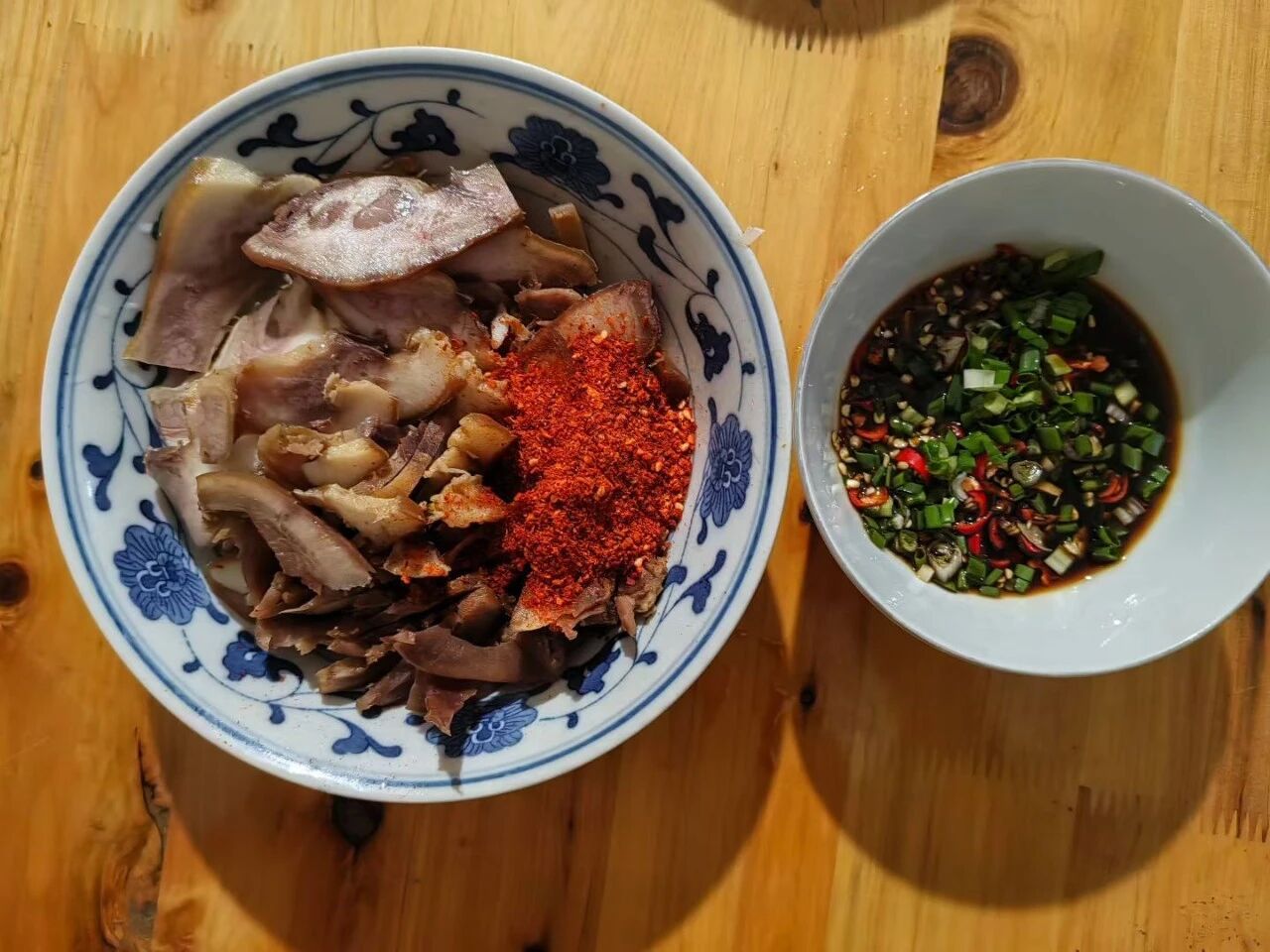
Foodthink’s feast stories span over a dozen provinces: baba feasts with freshly slaughtered free-range chickens, a bowl of saozi noodles at dawn, ready-made dishes served before the ice has thawed. Red envelopes, seating and toasting clash with young people’s boundaries as village feasts drift into the cities.
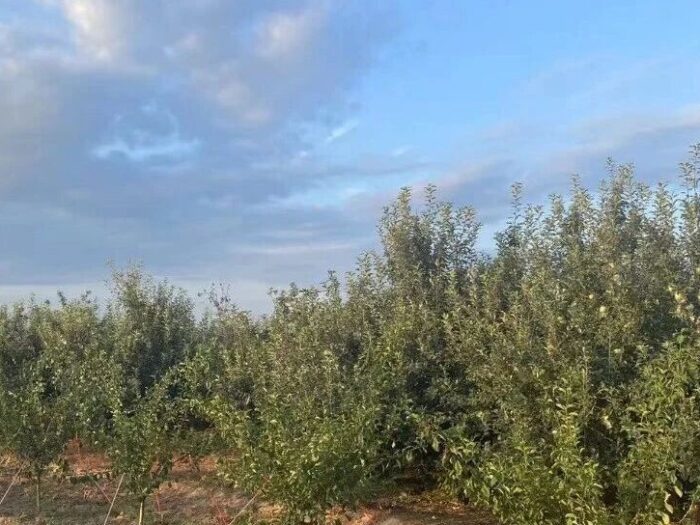
Qinguang gave way to Fuji, Fuji was uprooted for grain, grain brought in no money—peaches and plums went in. Dad, close to seventy, tallies next year’s accounts between the wheat rows, and whether they will still sell in a few years, no one can say.
Autumn 2025: a village in Hunan’s Dongting Lake area enforced the strictest burn ban in history. Village cadres patrolled day and night for three months and spent 400,000 yuan — yet villagers still burned away nearly a thousand mu of straw in the blind spots of tower cameras.
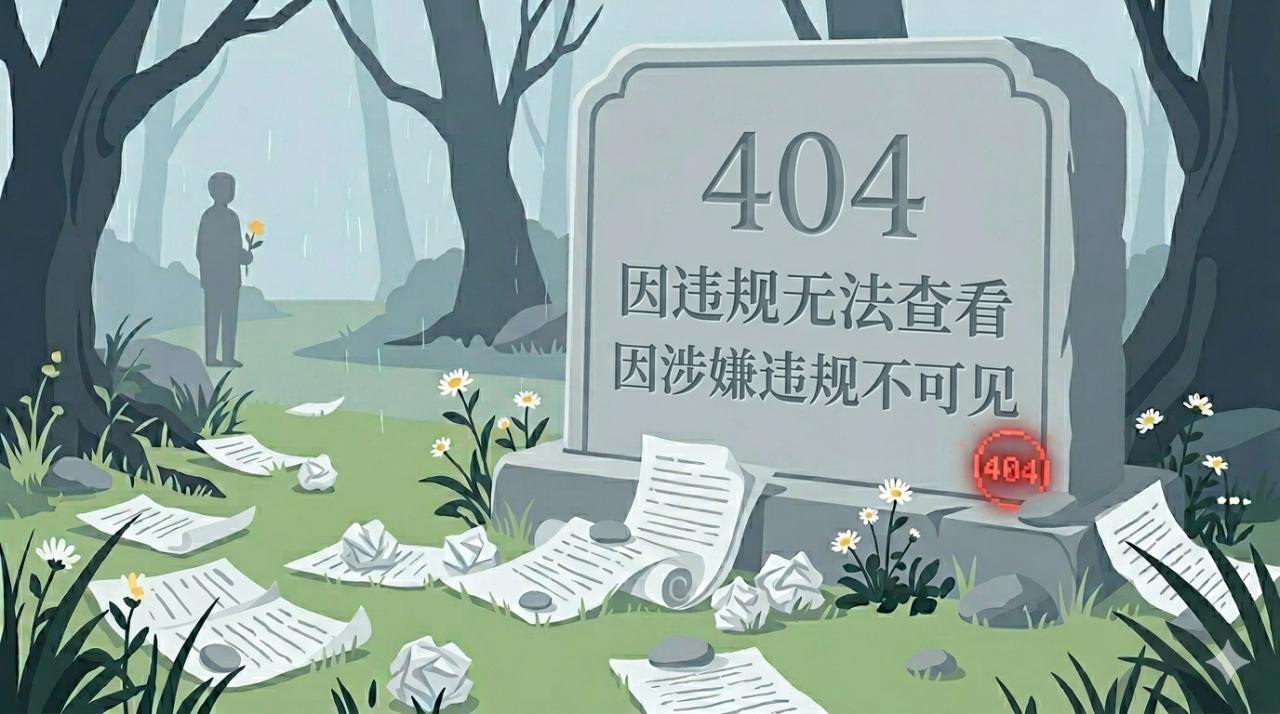
In 2025, Foodthink’s removed articles covered food-delivery rider labour, mouldy grain during North China’s autumn harvest, rural heating in Hebei and high-standard farmland — most were not “sensitive topics”, merely widely known facts. Reader comments are deleted faster and faster; the space for public discussion is narrowing.
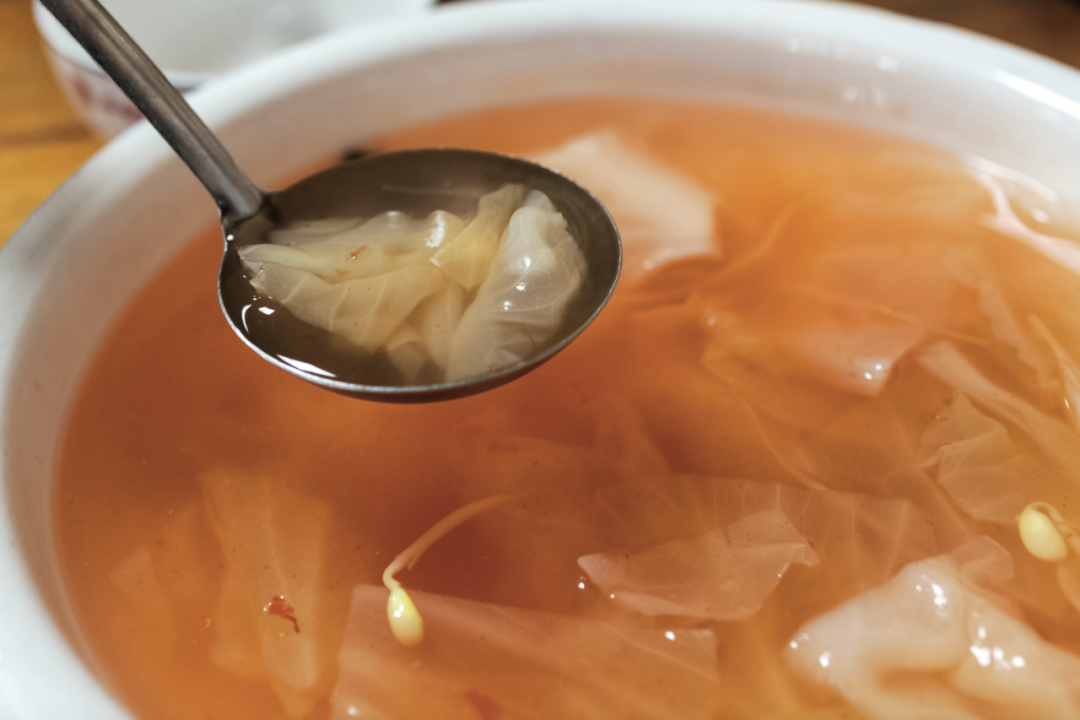
This Chinese New Year, villagers in Wutong Village, Weiyuan, carried bamboo baskets to market before dawn, steamed rice over a wood-fired stove, and spent five hours on a dish of native crucian carp, pinching pea shoots for shao bai and meatball soup. Twenty rural days: humble ingredients, labour-intensive cooking.
Mother wept before the sauerkraut crock in the abandoned courtyard of the family home in Heilongjiang. Back in Beijing, this generation dug out Fermented Food and pickled their first-ever crock of sauerkraut.
The 2026 Document No. 1 includes “low-carbon agriculture” for the first time. Tracing sixteen years of climate change in Document No. 1, the real challenge lies beneath resource surveys and climate zoning: how to design policies that allow ordinary farmers to participate and benefit.
Anonymous readers from southwest, northwest, and central China described farmland abandonment due to water shortage after high-standard farmland conversion, raw subsoil exposed by construction destroying soil fertility, and outsider large-scale operators suspected of leasing land to extract subsidies. Contractors also reported plunging profits and overly stringent oversight.