Beijing Drifters Who Can’t Go Home Bring Their Sauerkraut Crocks to Beijing
It is only recently that I became aware of this. For many years, fermentation was nothing to me but a peculiar scientific term. It was only later that I began to understand that the everyday customs I had loved as a child—fermenting soybean paste, pickling sauerkraut, steaming sticky bean buns—all belonged to the realm of fermentation culture.
Sauerkraut is my favourite food, above all others. But it was not until last winter that I began pickling my first crock of sauerkraut. The shift had been brewing for a long time, and the direct catalyst was the book Fermented Food.
I had meant to write a proper book review, but then it struck me that its greatest significance for me lay in confirming that the very state of my life was indeed connected to fermentation. I feared the truth of my feelings would be buried beneath sweeping history and academic concepts, so I told my own small story within it.
I. A Place I Can No Longer Return To
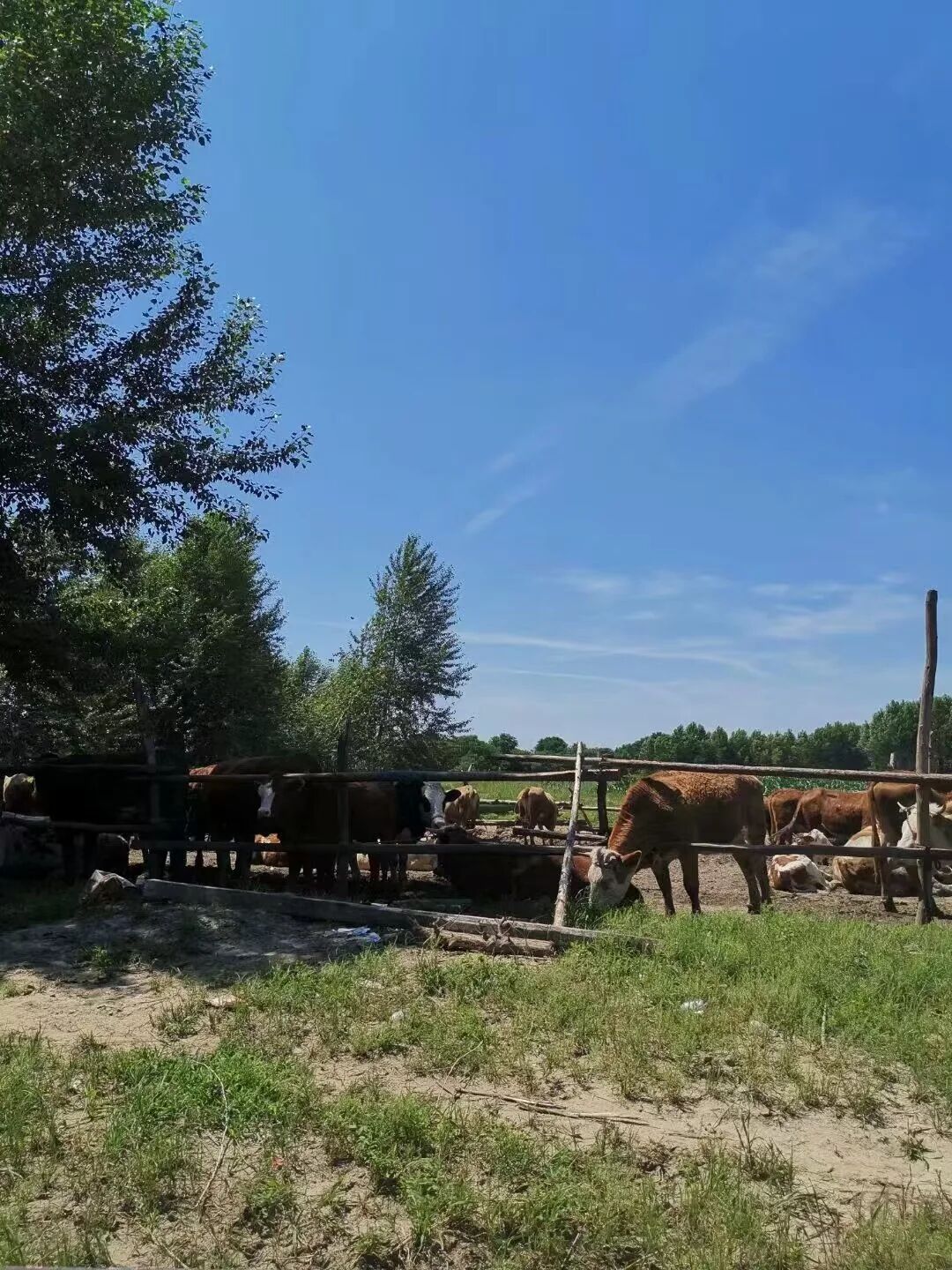
For the people here, calling the Songhua River “the mother river of the Northeast” cannot capture everything they feel about it. Stand on the embankment on a cloudless day and gaze out at the water, and in summer you will see a golden ribbon; in winter, a silver one. Faced with such a sight, one’s spirit soars, and praise comes ungrudgingly from the lips. But when the rainy season rolls in beneath masses of dark cloud, you feel the river’s fury—towering floods that have swallowed everything in their path: corn and soybeans, chickens and ducks, cattle and sheep, and even the lives of the soldiers who fought the waters. That embankment, which cradled dozens of houses and vegetable plots, was built to hold back the flood, and after 1998 it was gradually raised and reinforced.
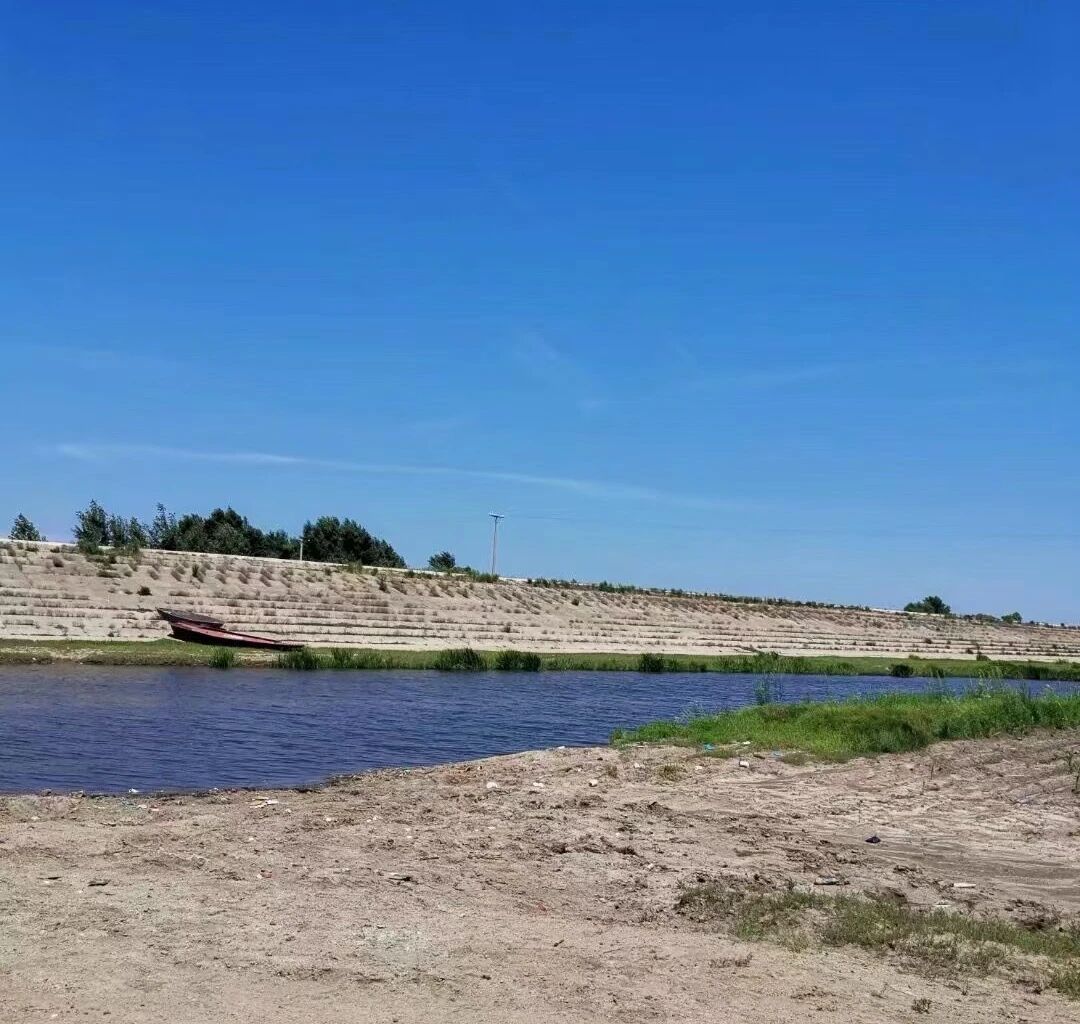
One virtue of this terrain is that it sears the memory of arriving in the village. To enter, you must descend from the embankment along a precipitously steep slope, jolting and swaying with the constant dread of tipping over. Whether on foot or by vehicle, this slope is the only way in or out. In the early years of the new century, neither the soybeans nor the corn grown here brought anyone much money—either floods destroyed the harvest, or there was a bumper crop that fetched a pittance. In those years, the steep slope welcomed a few people arriving from far away, but far more often it watched the children born on this land leave home for distant places.
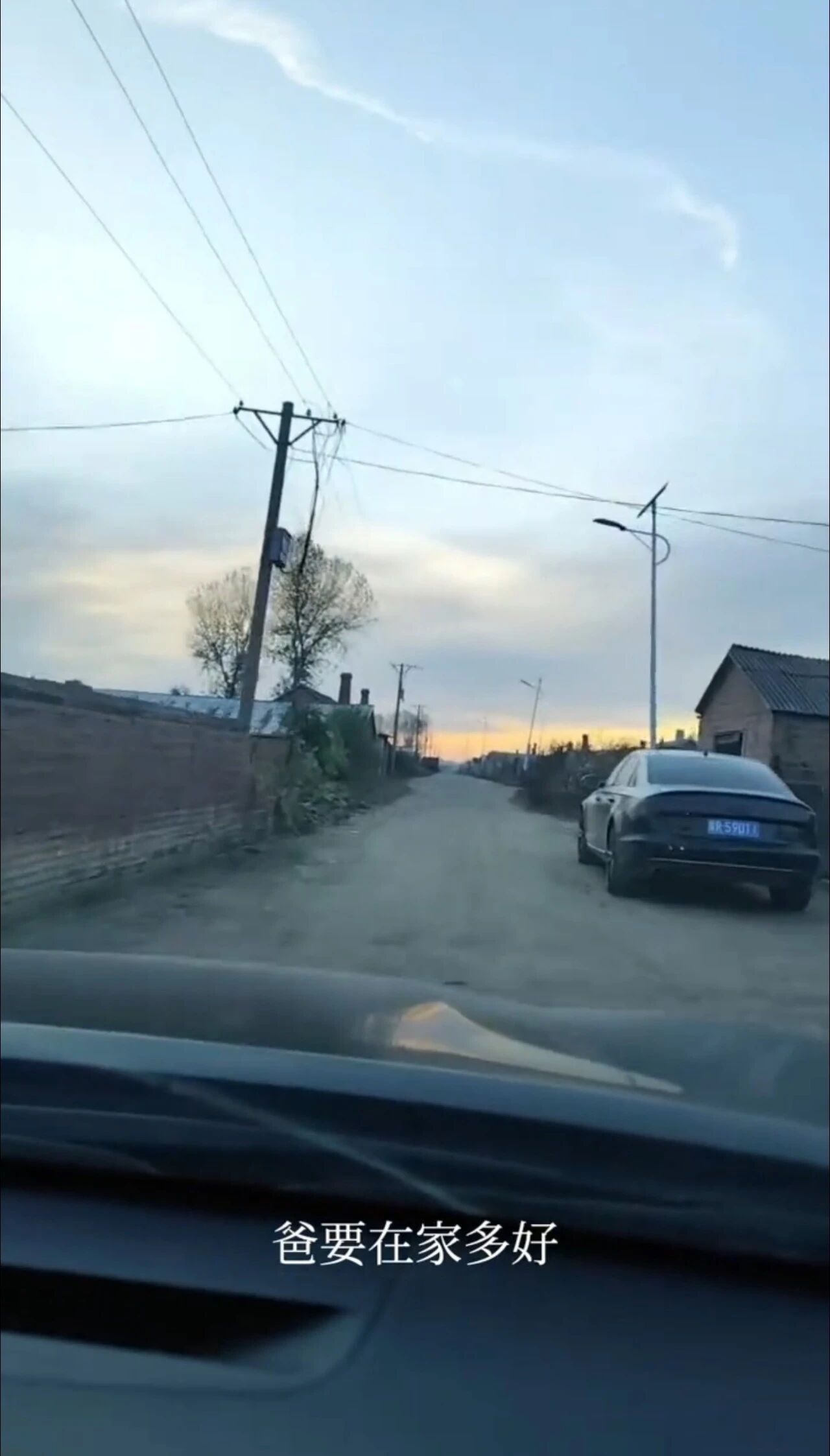
One afternoon last autumn, a car came down that slope and made its way slowly towards the stone pillar at the eastern end of the village. That stone pillar, which had stood there for decades, was once surrounded by bustle. In the evenings, when the villagers came back from the fields, or in the early mornings before they set out, there was always a crowd of men and women, young and old, laughing and shouting at full voice. The village once held more than fifty households; now only seven or eight remain, scattered across the land.
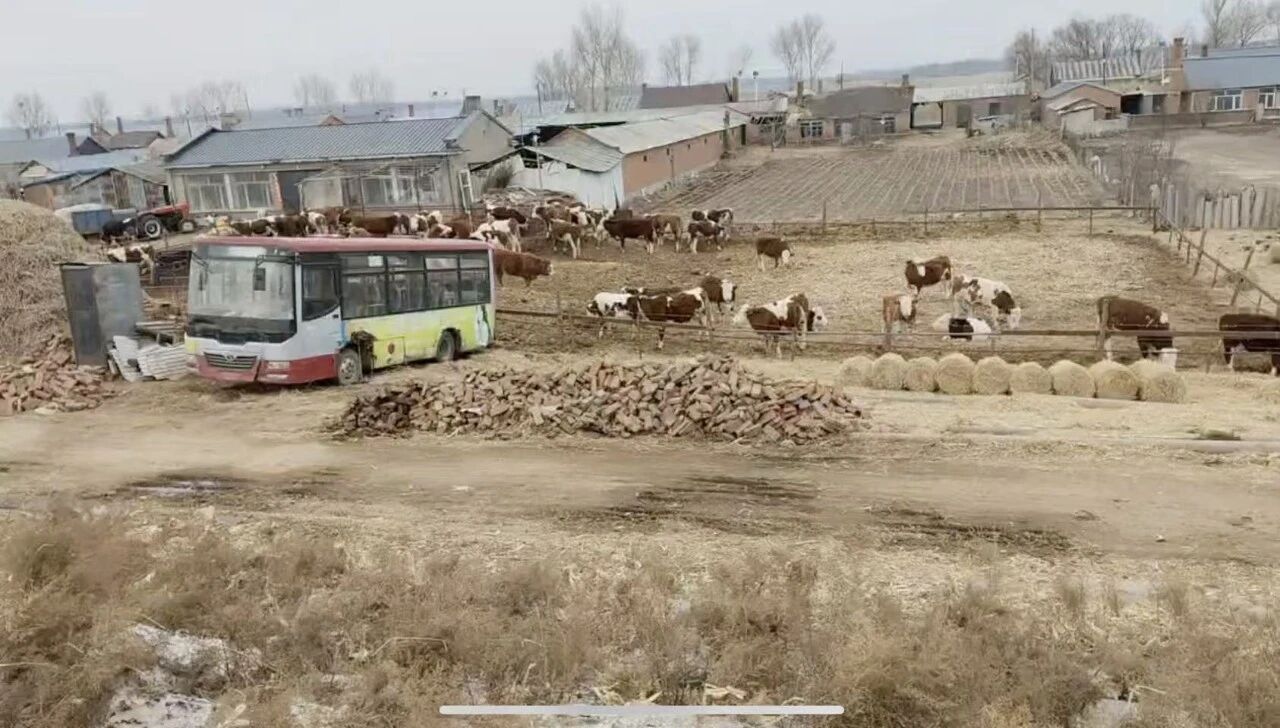
The car continued smoothly forward. The uneven dirt road had been paved with concrete. My mother sat inside, taking in the change, and at first it struck her as something new. But as the car glided down empty streets and she caught sight of the great iron gate of the family home—overgrown with weeds, rusted through—her chest tightened. A swell of emotion, part excitement, part grievance, surged through her, and the lump in her throat ached.
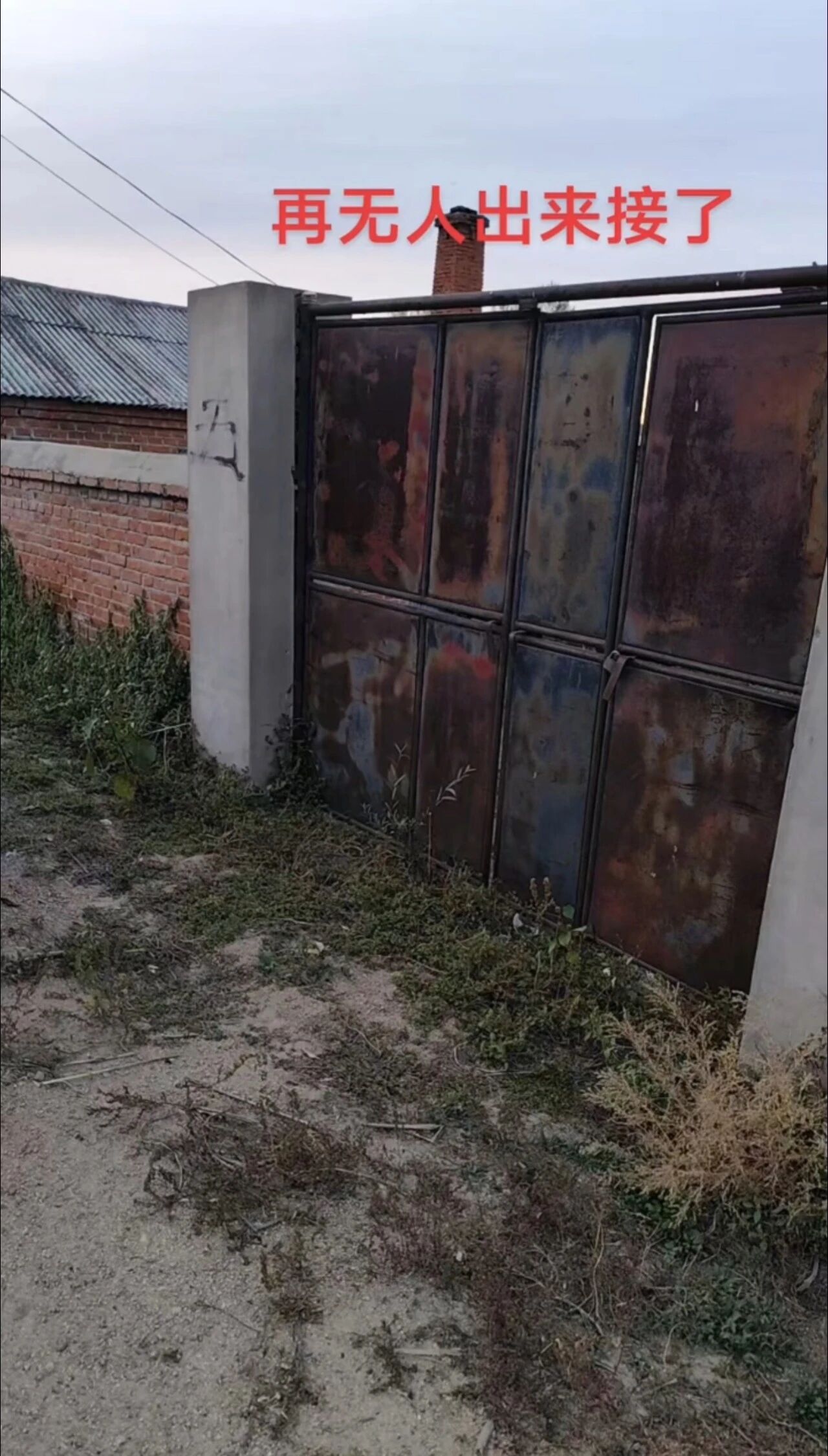
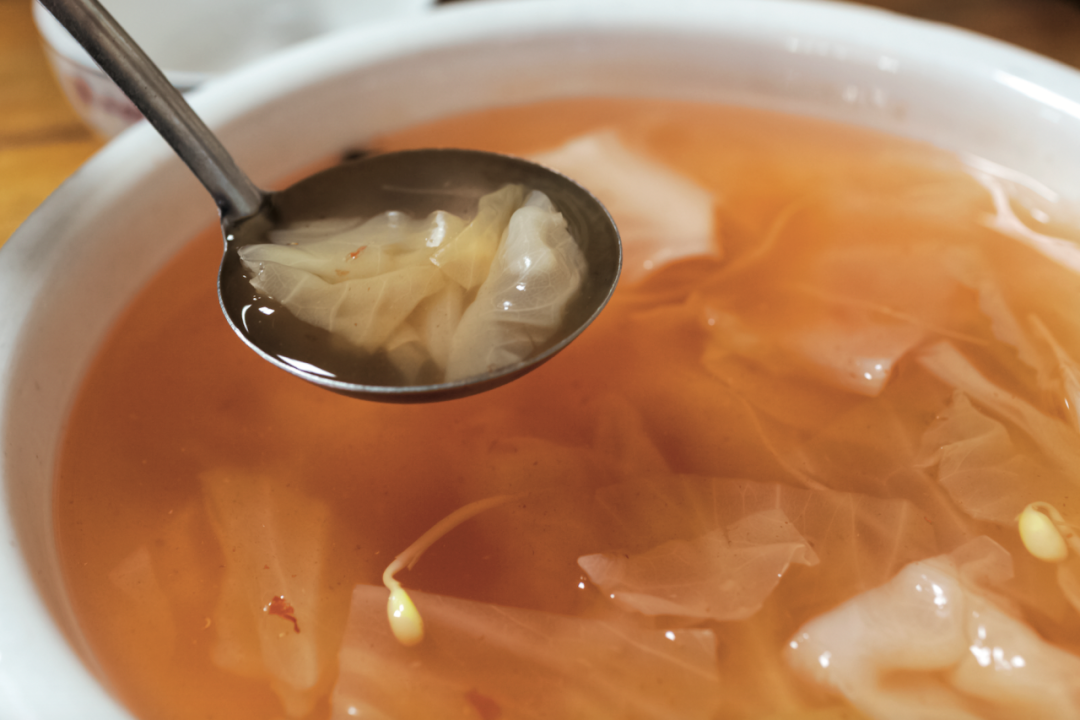
Pushing open the iron gate and stepping into the yard, she found that the old house—uninhabited for more than a decade—had lost its back wall, and dim, desolate light seeped through the gloom inside. My mother pressed her face to the window and peered in, as though the house were still whole and a family went about the daily rhythm of three meals and a settled life within, while she was merely a visitor passing through time. It was not until she caught sight of the utterly familiar blue dish rack (the cupboard), along with the well and the sauerkraut crock beside it, that tears fell. Only then did the knot in her throat, which had been choking her all along, ease a little.
With the tears came loss, for she realised she could not spend a night beneath this sky where she had grown up. The familiar relatives and neighbours had all moved away, just as she had—some to Harbin, to Daqing, to Beijing, a little further south to Hubei, Guangzhou, Shenzhen. Simply put, no one was here anymore. In all those years of struggling and scraping by in the big cities, this fear of never being able to come home had hovered half-seen at the back of their minds. Now this generation of wanderers could no longer pretend not to see that the village was falling into decline.
II. A Sauerkraut Crock You Can Take With You
Some things had not truly vanished after all. The sauerkraut crock in the old house, for instance, was something one could “carry away.” Whether in my own home or in the homes of my maternal grandmother, Third Aunt, and Second Aunt—though they lived in different cities—every household had a sauerkraut crock. It was as though winter woke some gene dormant in these elders, compelling them to pickle sauerkraut the moment the season turned. Even after they moved into apartment blocks less suited to the practice, crock after crock would spring up as if by instinct.
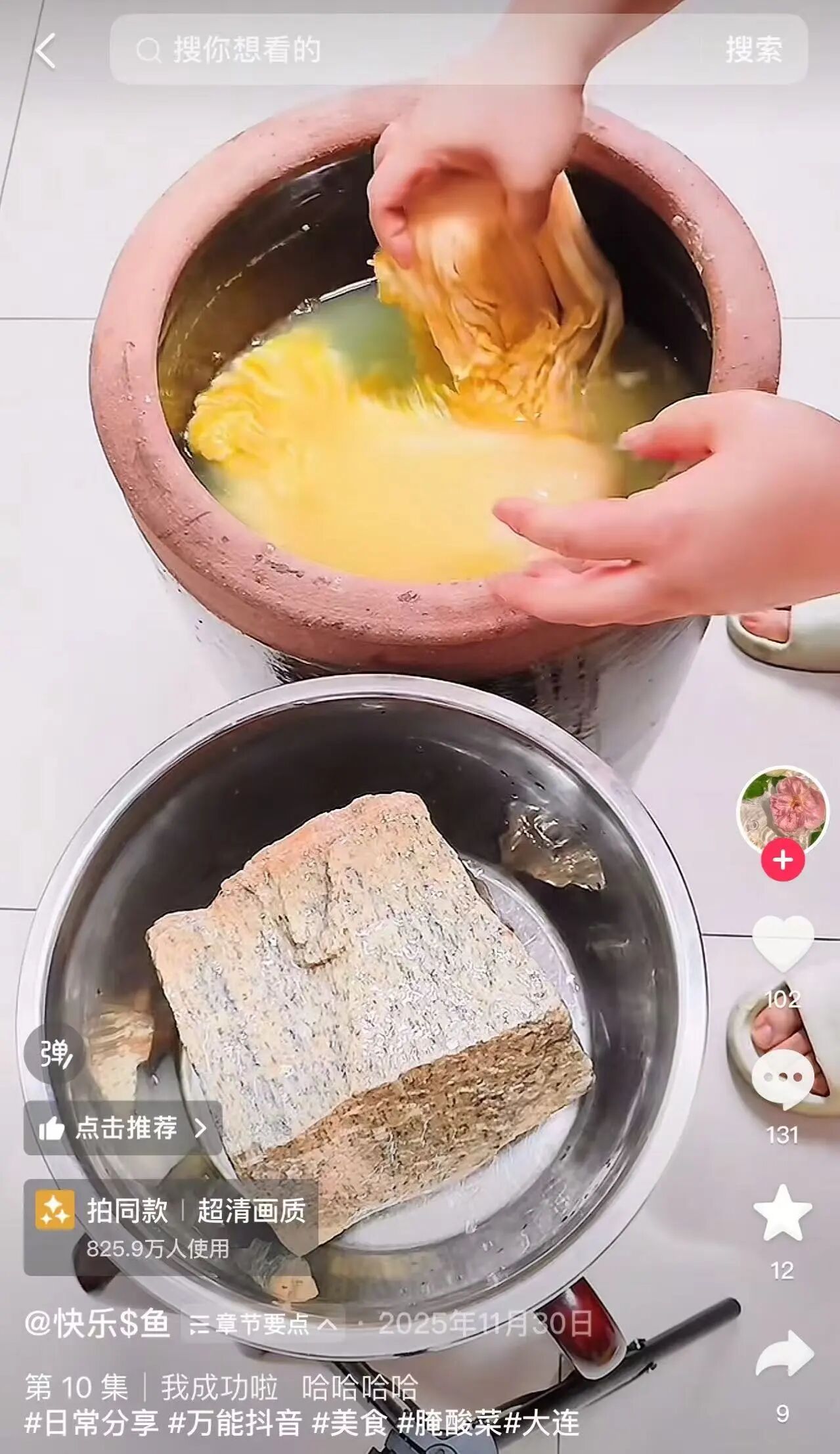
The reasons, big and small, could fill a long list. A friend once lamented to me that in a city as pristine and orderly as Beijing, finding a large stone suitable for pressing the sauerkraut down was next to impossible. For my part, I felt that pickling sauerkraut gave off too strong a smell, and a city flat was hardly as airy as a village house with its courtyard.
Besides, for a long time I relied on takeaway for every meal—how much less likely was I to take on the fuss of pickling sauerkraut?
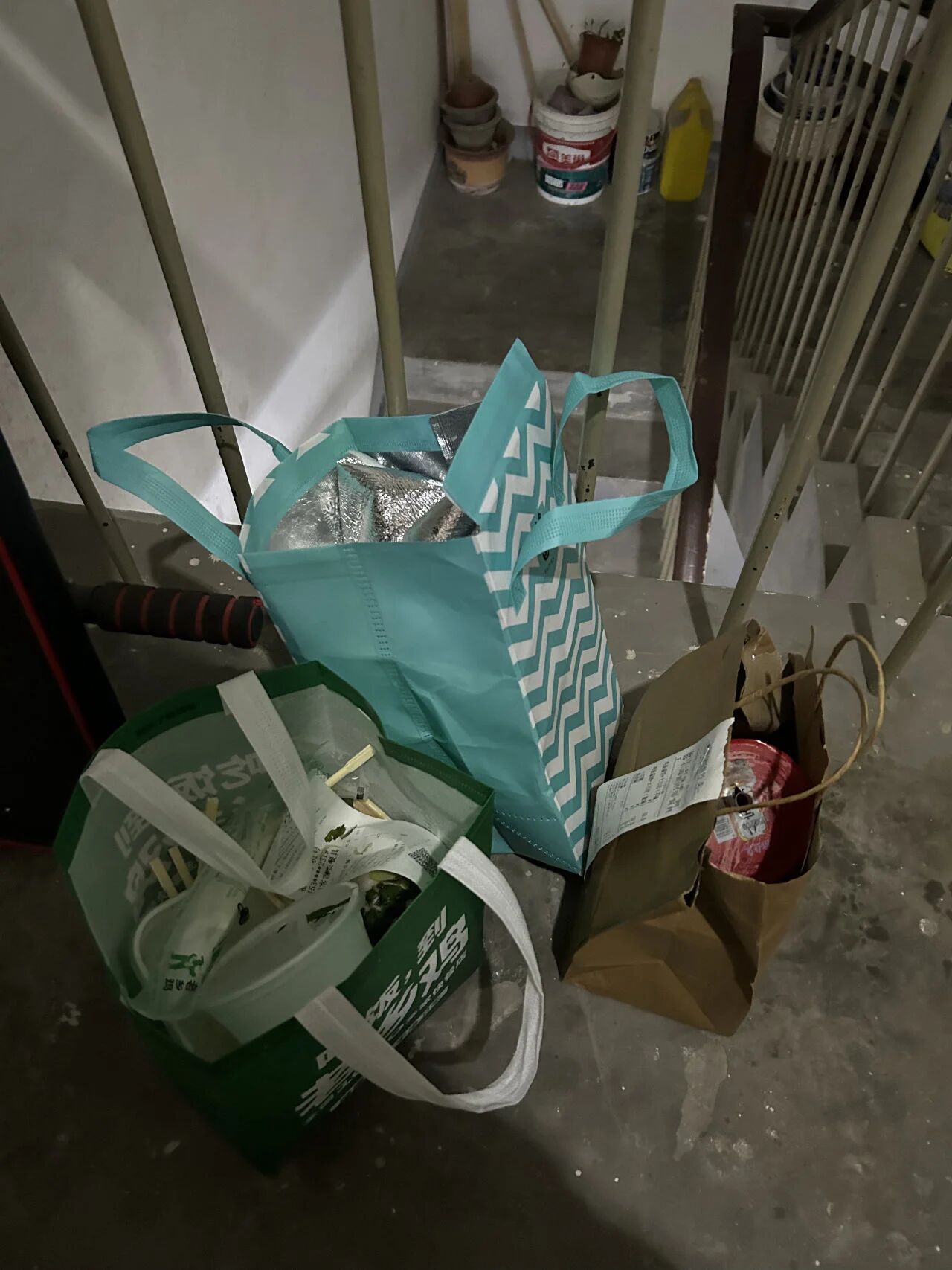
Perhaps the more important reason was that the fast pace and high pressure of city life drained me of so much energy that my daily needs came to depend too heavily on commercial consumption rather than the household labour through which our elders once met them.
Since graduating and starting work three years ago, my life had gradually become nothing but a duet of work and consumption, and this state of affairs cost me some basic capacity for sensing and managing the material world. Lost along with it was my ability to bear the weight of life. I wanted only to concentrate on the few things I cared to do, and the “intrusions” from family and friends—which contained a great deal of positive emotional exchange—had become a burden to me. In moments of suppressed tension under this kind of life, I felt I was teetering on the edge of ruin.
III. A Book About the History of Fermentation
But at that point I had not yet come to see fermentation as a meaningful element of daily life, until I read Fermented Food by Baumgartner. If Sandor Katz’s The Art of Fermentation attends more to fermented foods and the craft itself, then this book is concerned with the cultural and technological history of fermented food.
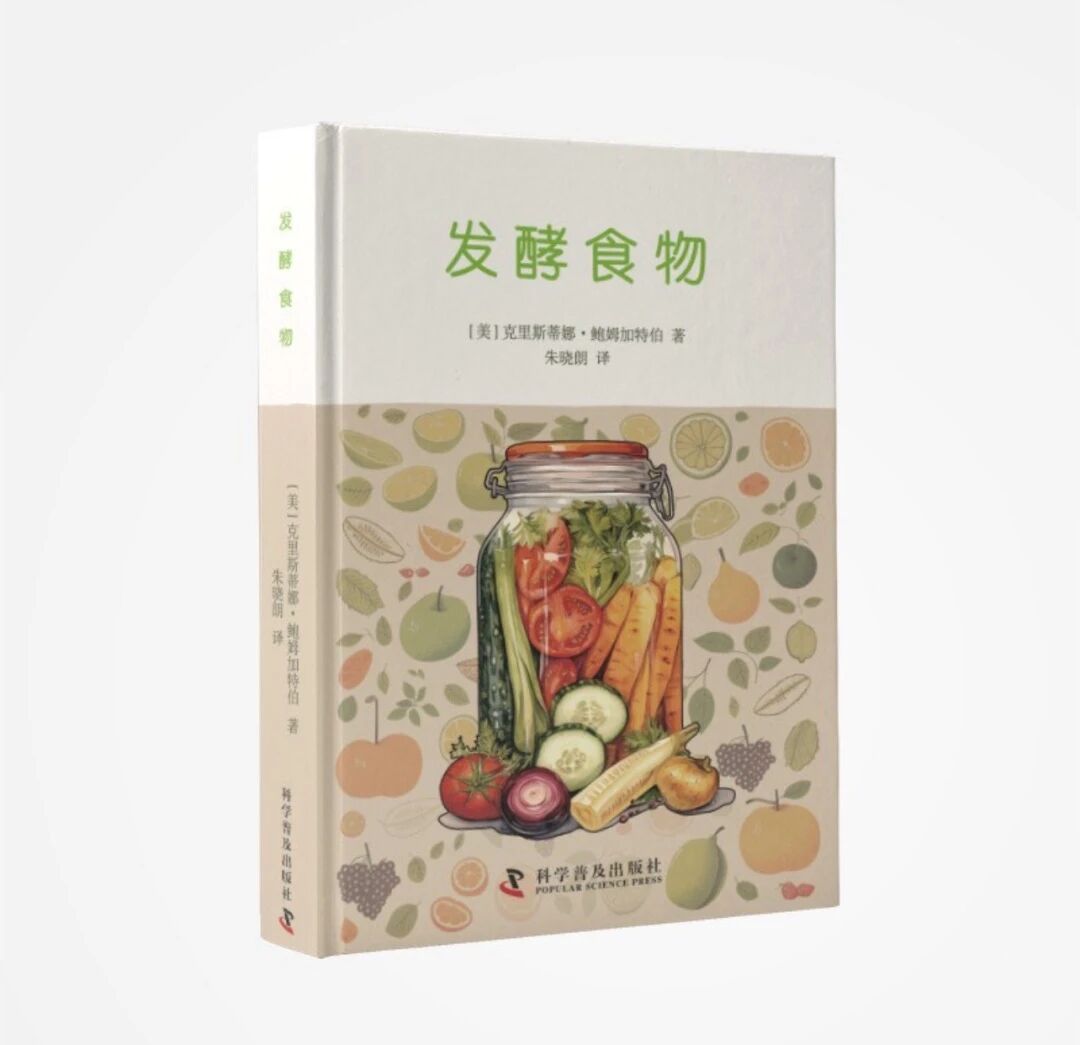
One discovers in this book that humanity possesses many traditional methods of preparing food, yet the relationship between fermentation and the modern food system may be the most contradictory and complex of all.
When I was small, I always fancied that a mysterious world lived inside the soybean-paste crock in the vegetable garden and the sauerkraut crock in the kitchen, because unlike ordinary inanimate things, their surfaces were forever bubbling gently. I could hold my breath and stare at them for ages, until my grandmother called out from a short distance away: “Careful now—don’t fall in!” and I would dash off at once.
Now we understand that those bubbles are carbon dioxide released by yeast and other microbes carrying out aerobic respiration in the early stages of fermentation; only then can lactic acid bacteria, the main force behind the process, carry out their “anaerobic metabolism.”
Long ago, humans had already transformed fermentation from a natural phenomenon into a craft one could master, but before the nineteenth century its biological mechanism remained a mystery. Many people tended to see a frothing barrel of beer or a batch of souring vegetables as products of rot, carrying the undertone of “death.” Even the chemist Liebig believed that fermentation was merely a chemical reaction rather than a living process.
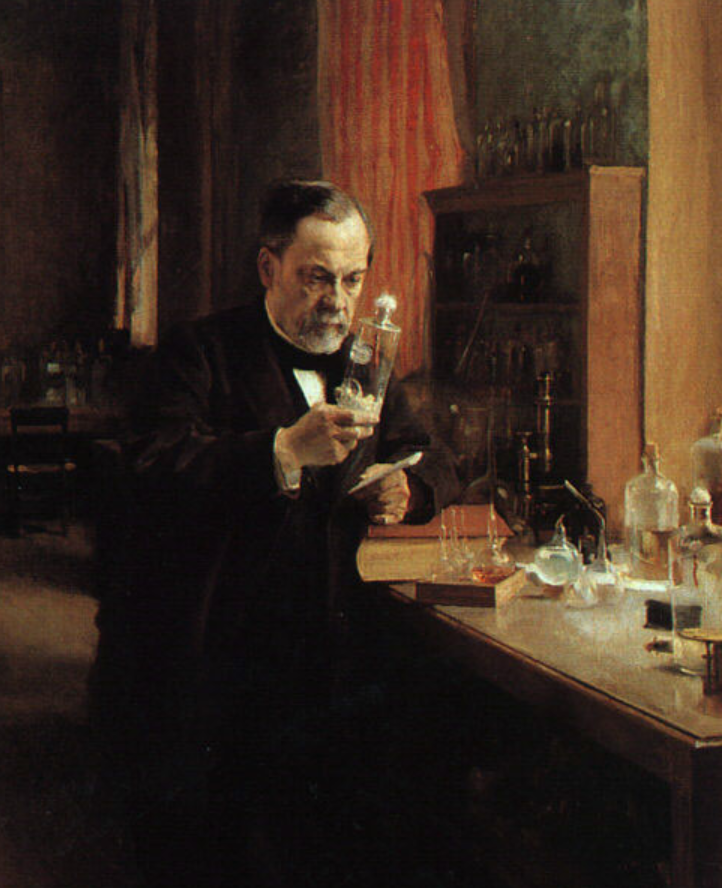
It was not until the 1860s, while investigating why some fermented wines spoiled, that the scientist Pasteur finally revealed that beneath the surface of everyday life lay a pervasive world of microorganisms.
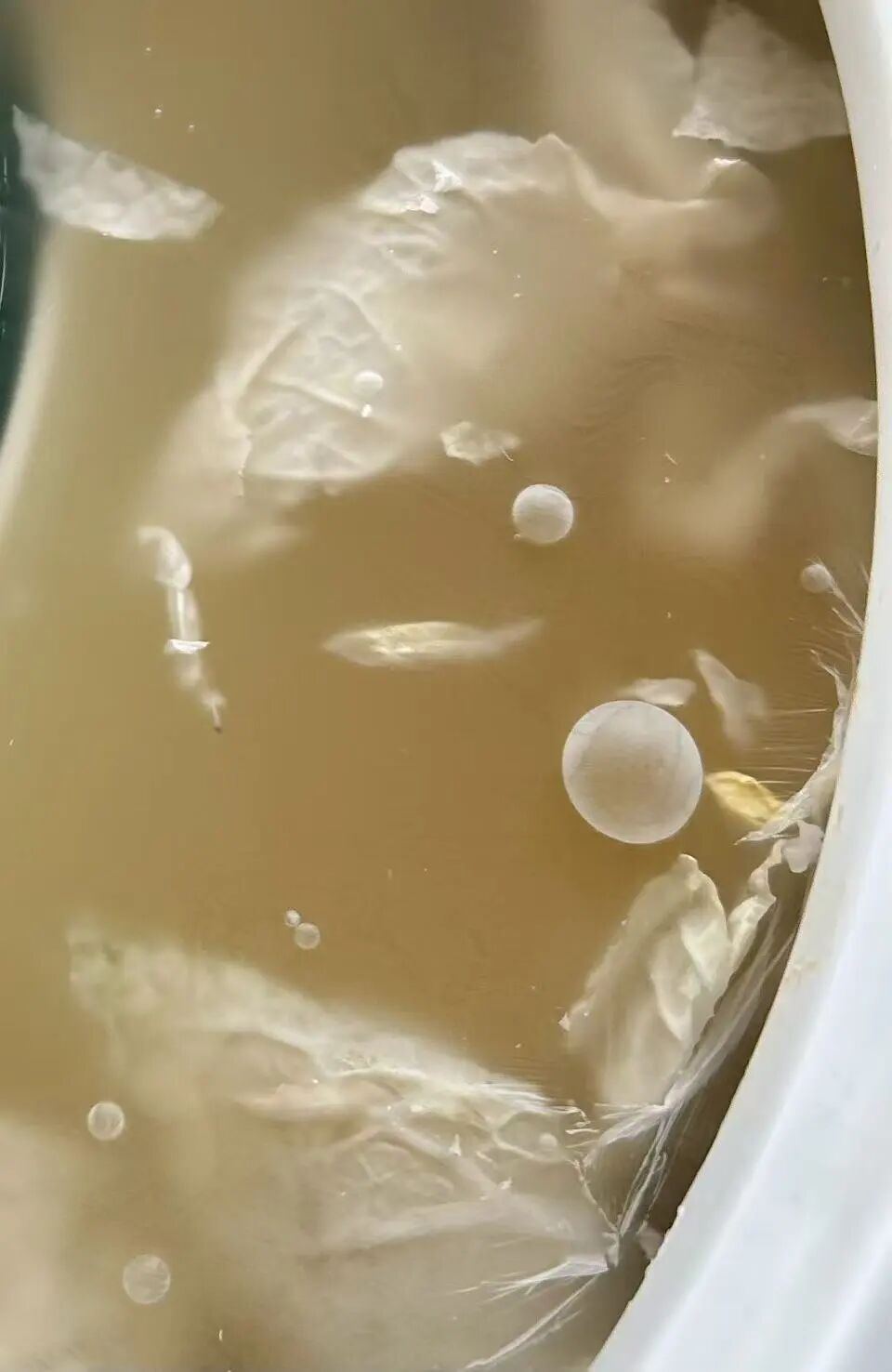
A little while ago, when I heard the sauerkraut crock in my room suddenly begin to gurgle, it startled me greatly—I am someone with a rather dull sense of the natural and material world. “How did the lactic acid bacteria already get in there? So microbes really are everywhere!” Each bubble sounded like a fragment of memory, like a poem connecting past and present, filling me, working alone at home, with an inexplicable joy and sense of being grounded. In that moment, the findings of science did not suppress my perception of nature but intensified it. Fermentation is an interface at which one can interact with invisible microbes.
Every modern person who has received public health education knows that bacteria exist. Tracing the roots, germ science first entered the minds of the majority of people through the public health revolutions in Europe and America in the late nineteenth century. Hygiene measures targeting bacteria and viruses, together with the development of related vaccines, gave humanity ways to combat diseases caused by bacteria and viruses such as rabies, anthrax, tuberculosis, and typhoid.
This was without question a great social advance. But there are other facts worth remembering:
- Some 39 trillion microorganisms already live within our bodies. Many of them strengthen the immune system, regulate blood sugar, aid digestion, and perform other beneficial functions that contribute to our health and well-being.
- Bacteria have always existed, yet the complex environments of the industrial food system—crowded, filthy cattle sheds, meat-processing plants, cold-chain transport systems—have fostered the growth and spread of many pathogenic bacteria, including Mycobacterium tuberculosis, Escherichia coli, and Listeria.
- Another application of germ theory, pasteurisation, reduced the risk of microbial contamination during the complex stages of food processing and transport, thereby entrenching the industrial food system’s place in human society, yet new foodborne pathogens continue to emerge.
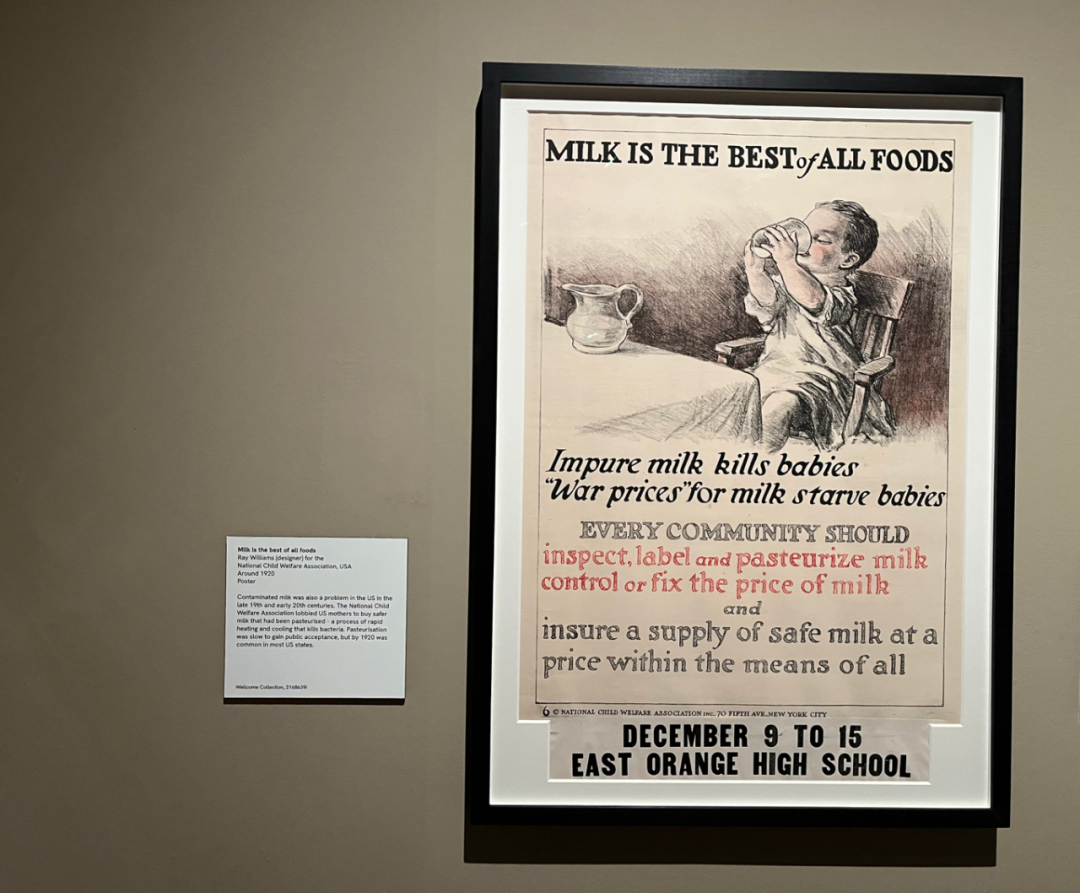
We cannot say that the triumph of the industrial food system was determined by bacteria and hygiene problems; the real history is more complex, but the germ theory and its related applications—born of fermented foods—undoubtedly played a pivotal role in the industrial food system’s erosion of the home fermentation tradition.
IV. A Life Within Grasp
Picture this: if, when humanity grasped the science of microorganisms, the countryside had not been in decline, people had had ample time and enthusiasm to cook, and had no need to depend on packaged foods to save time or for convenience—how would people have treated fermentation? Would we have more varieties of sauerkraut, fermented glutinous rice, fermented bamboo shoots, bread, and cheese? Would we lead a life more rich in humanity and creativity? Perhaps it would take a science fiction novel to answer that.
I sometimes wonder where I stand in history now, and in what direction the many changes in the material and felt world are leading me.
I can say with certainty that, although during the rapid urbanisation of the late 1990s and early 2000s my family members moved one after another from the countryside to the cities, because the elders still had their own land, the bonds among my family members remained very close. As recently as last National Day, I was savouring corn and dip-sauce vegetables that my First Aunt had brought me from hundreds of kilometres away, as well as the sauerkraut-filled dumplings my grandmother wrapped during the Spring Festival.
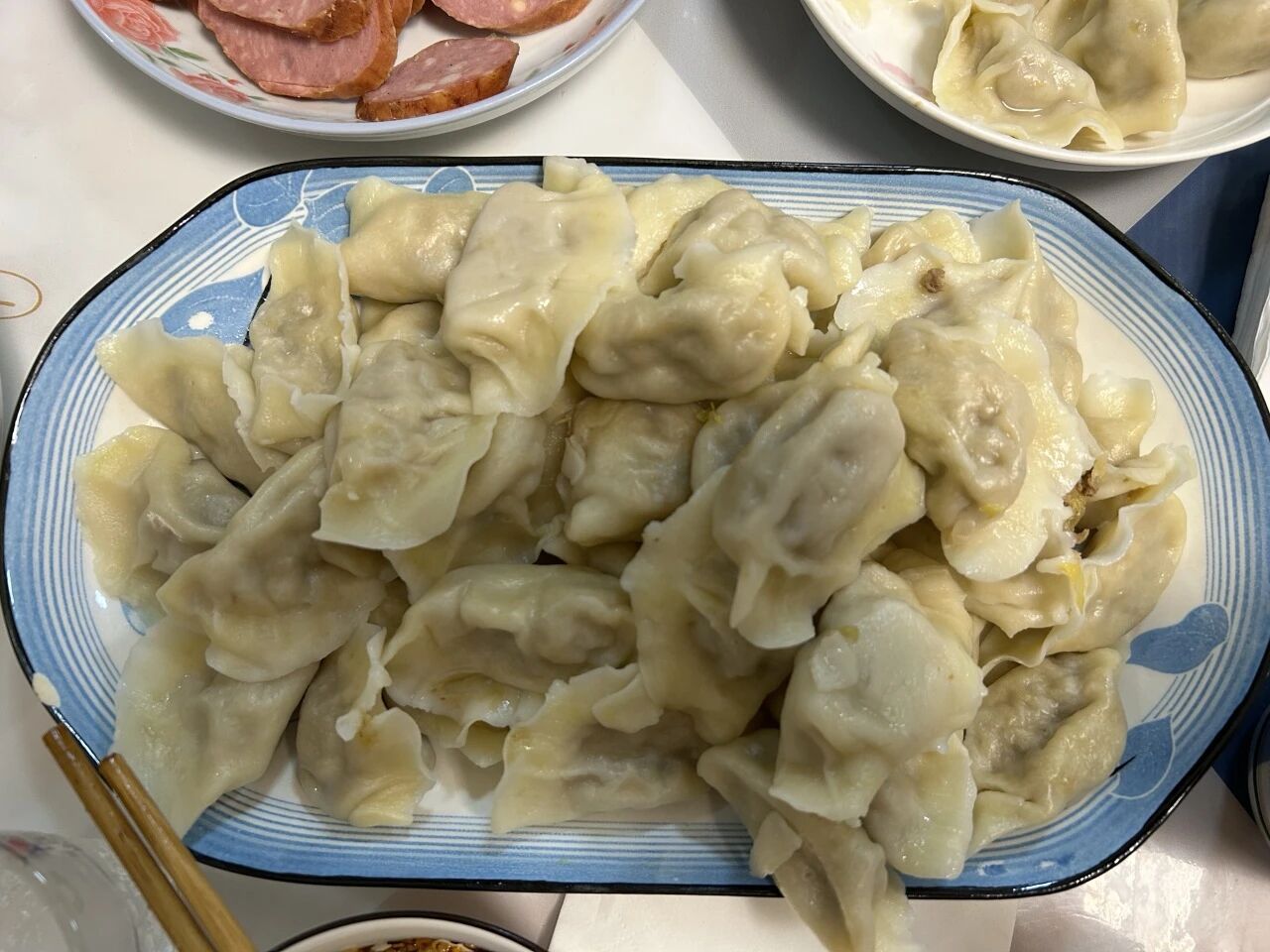
These are precious, affirming things that must be remembered. Yet I cannot deny that in my generation, the sense of suppression and alienation bred by big-city life has truly arrived. Drifting through the city, I live a contradictory life—at times brimming with the vitality that movement brings, at times sinking into the desolation that solitude breeds.
When my mother, upon returning home, said “everything is an illusion,” she was not only mourning the past but lamenting that life had become less reliable, less trustworthy, less knowable, less graspable—and that the former me had been among those elusive things too.
For her, the past was worth longing for because the village embankment, the mulberry tree, the old house, the dish cupboard, the sauerkraut crock, and the people and feelings built around those things were all matters in which she had once been one hundred per cent certain of possession and belonging—the surest proof on earth that she had lived, a proof unique to her that no one could ever take away or buy.
Even when she reads Jude the Obscure and Sons and Lovers, it is never the central plot that moves her most; rather, the fine-grained descriptions of the natural scenery and cultural customs of the English countryside are what fill her with a genuine, heartfelt joy.
I sense, dimly, that whether a life within her grasp can be rebuilt depends, of course, on a dependable, trustworthy bond of affection—but it also depends on the material, on the natural. Before I began pickling sauerkraut, I consulted my grandmother on the precautions to take during fermentation; later, this even sparked a debate in the family group chat about why Beijing sauerkraut always turns out so waterlogged. These casual exchanges meant a new shared language, a new shared life, between me and them. Emotional communion threaded through with matter and nature was like a little stove, and I sat close by, warmed to the marrow.
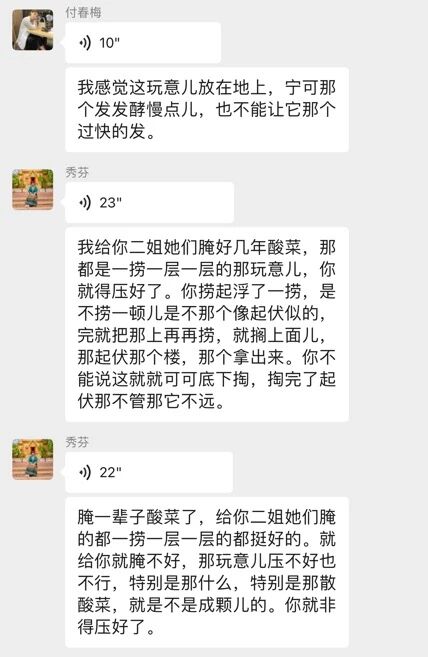
Whether or not joy curdles into grief, returning home for the Spring Festival last year had been a pure delight, yet two weeks after getting back, the first crock of sauerkraut I had ever pickled had gone mouldy—the sight rivalled a jar of gu, that old practice of sealing venomous creatures together to devour one another. My heart broke over it; whenever I had a spare moment I would stare at the mouldy crock and sigh. A friend skilled in fermentation said it was because the plastic bucket I had used harboured hidden grime, which bred mould; I felt it was because the sauerkraut had not been pressed down properly, and the part exposed above the water had become a breeding ground for mould.
In any case, I have obediently switched to a ceramic crock. Spring has come to Beijing and the season no longer suits sauerkraut pickling, so I plan to use this crock for something else in the meantime. By this winter, I shall find a more suitable stone in Beijing.