Brazil’s smallholder farmers are breaking free from pesticides and chemical fertilisers, moving towards agroecology, while consumers drive change back to the production end. Experienced food and farming practitioner Bia Goll from São Paulo shares twenty-plus years of practice. Saturday, 12 September, afternoon – Beijing in-person + online livestream.
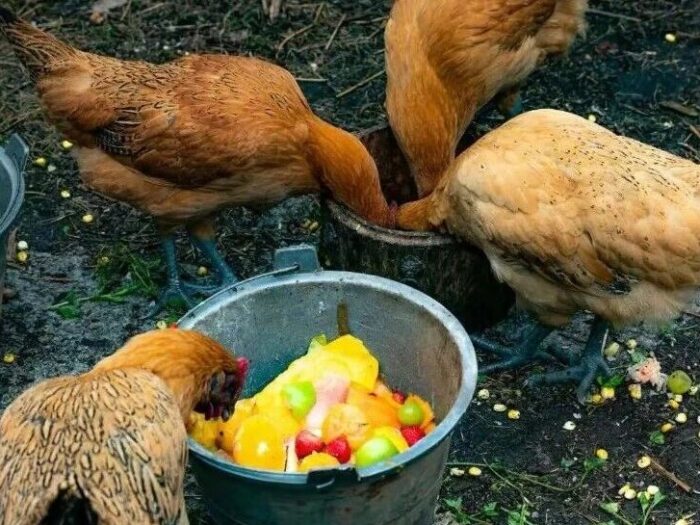
Jin Lipeng, lecturer at the School of Experimental Art, Chongqing’s Sichuan Fine Arts Institute, led students on Huxi Campus in raising chickens and composting through Permaculture. After summer construction workers stole 10 chickens and 2 geese, the school decided to no longer permit poultry on campus, ending its year-and-a-half-old Happy Chickens Raising Cooperative.
Dutchman Metske began with a vegetarian restaurant in the squatting movement. He farms roughly 6.5 acres of heavy clay in Kent, using wildflower strips to support ecological balance and grow seasonal vegetables – selling at north London’s organic farmers’ market every Saturday.
A graduate of the University of Gastronomic Sciences, Pollenzo, recalls the days spent with Petrini in Bra, and the voices in the Slow Food movement yet to be heard.
Foodthink screens four films about food and labour back-to-back at Tuanjiehu this June — from food-delivery riders to rice farmers, pastoralists and fermentation artisans. Each screening is followed by an in-person conversation with directors, protagonists and activists, and preceded by a farmers’ market.
Brazil’s Landless Workers’ Movement (MST) built Concentra in Belo Horizonte, pooling market support work — compliance certification, warehousing, logistics — so dispersed smallholder produce can reach market at scale. Not easily transplanted, the experience points to a key path: turning what no individual can shoulder alone into collective capacity.
Fishermen in Satun and Trang provinces treat the mangroves as a “larder”, running their own restaurant, processing seafood and offering eco-tourism – turning the community marine-management rights they fought for into a livelihood that feeds their families.
Foodthink and the Beijing Organic Farmers’ Market present the New Year Recipe Collection. New Year Day Six: Yiyi Farm’s Red sour soup – stir-fry the aromatics, simmer into a pot of Sour soup hotpot, meats and vegetables alike.
Foodthink and the Beijing Organic Farmers’ Market present their New Year Recipes from Day 2 to Day 7. The day-five radish sashimi needs only washing, no peeling, a thick cut and soy sauce — good produce, served simply, says it all.
This tofu comes from Xiucai Bean Workshop – stir-fry the yellow bean paste until fragrant, braise for three minutes, and it’s ready. This dish is one of the Spring Festival New Year’s recipes co-created by Foodthink and the Beijing Organic Farmers Market with six farmers.