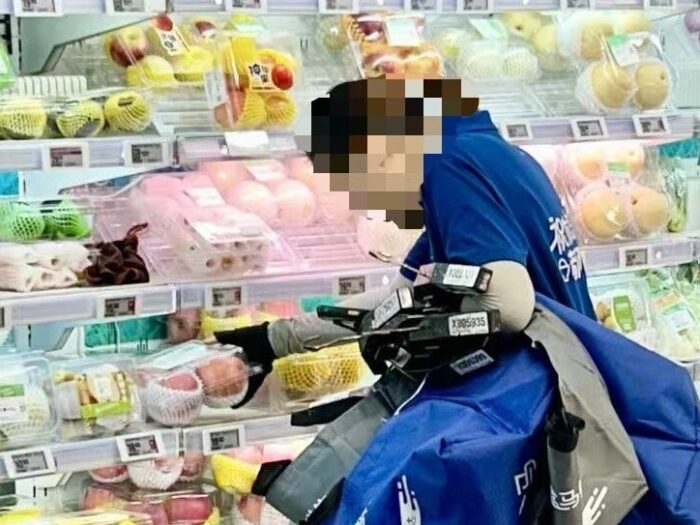
Two order pickers at Freshippo and Xiaoxiang say that under the pressure of algorithms, injuries must be borne alone; the contract casts both sides into a “pure business cooperation relationship”, denying any employment relationship — yet between dashes, colleagues still willingly lend a hand.
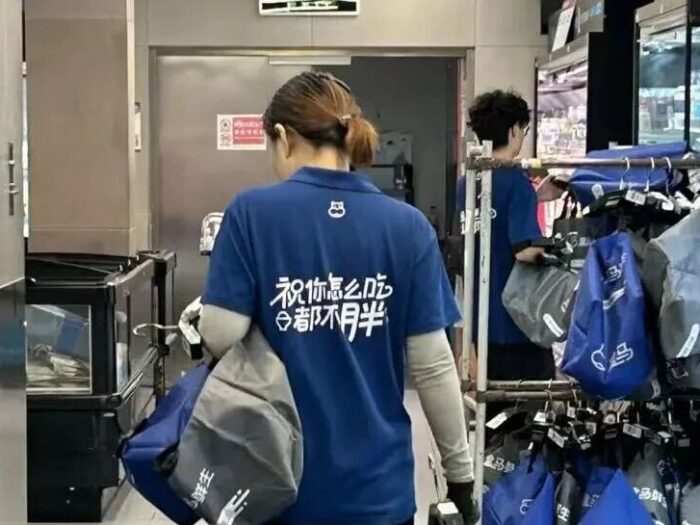
Order pickers who have run orders at Hema (Freshippo) and Xiaoxiang, in dialogue: seven hours with no meal break scheduled, twenty thousand steps a day, pay tiers never disclosed, and PDA efficiency rankings that hook you like a game.
Professor Zhang Dandan of Peking University called flexibility itself a benefit. Zheng Yuyang, who trekked with odd-job workers harvesting Korean pine cones in the northeast and delivered food in Beijing for four months, found this grating: workers want a stable job with social insurance and dignity, not flexibility.
In recent years, Foodthink has tracked e-commerce platforms’ impact on food and labour: “ghost-kitchen delivery” made by platform subsidies, order pickers at 30,000 steps for 3 fen, Guangzhou wet markets squeezed by fresh-food e-commerce, 100 million daily orders in layers of plastic, and worldwide practices exploring another possibility.
Ru Tongxue has run a shop in a small town in Exeter for six years, never joining a single platform subsidy campaign, and sets delivery prices uniformly 20% above dine-in: whoever enjoys delivery pays the bill—in complete opposition to the logic of China’s subsidy wars.
In the comments on Foodthink’s previous warehouse-picker article, workers described the daily reality of 0.01-yuan piece-rate pay, −20 °C cold stores and management through fines; consumers challenged who exactly the three-minute time limit rushes for, and discussed actions such as off-peak ordering and ordering fewer heavy items.
Working part-time as a Picker at Xiaoxiang Supermarket: three minutes per order, pay based on “effective working hours”, and continuous sprinting between the sub-zero freezer and tall shelving units. Mis-picks and omitted items are inevitable structural problems under this speed regime.
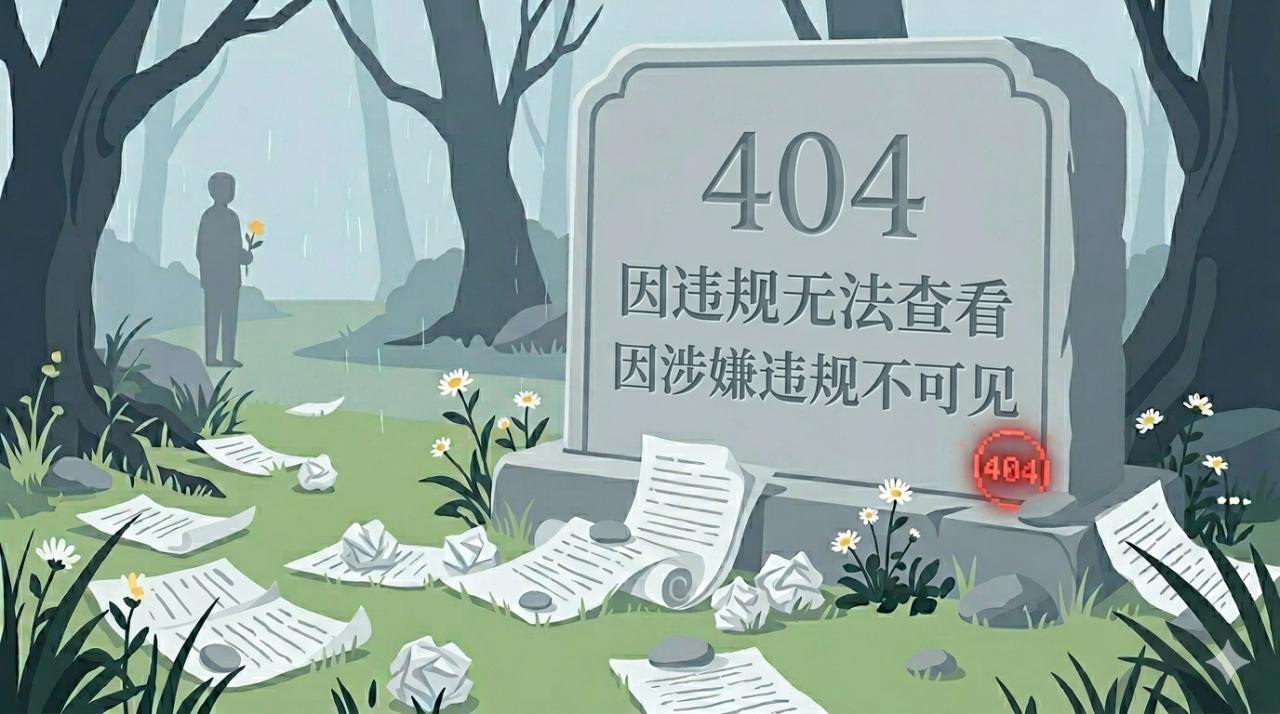
In 2025, Foodthink’s removed articles covered food-delivery rider labour, mouldy grain during North China’s autumn harvest, rural heating in Hebei and high-standard farmland — most were not “sensitive topics”, merely widely known facts. Reader comments are deleted faster and faster; the space for public discussion is narrowing.
Extreme weather upends farmers’ planting rhythms, the food-delivery wars compress a meal into a 30-minute order, and imported meat reaches the highland pastoral areas directly – Foodthink’s 2025 field records hold on to the traces of the land and its labourers.
Forty thousand delivery riders faced 700,000 active peers; the platforms raised per-order prices and simply defused the strike. Lacking employment contracts and strike protections, riders continue to take risks in a cycle of ever-shrinking algorithmic delivery deadlines.