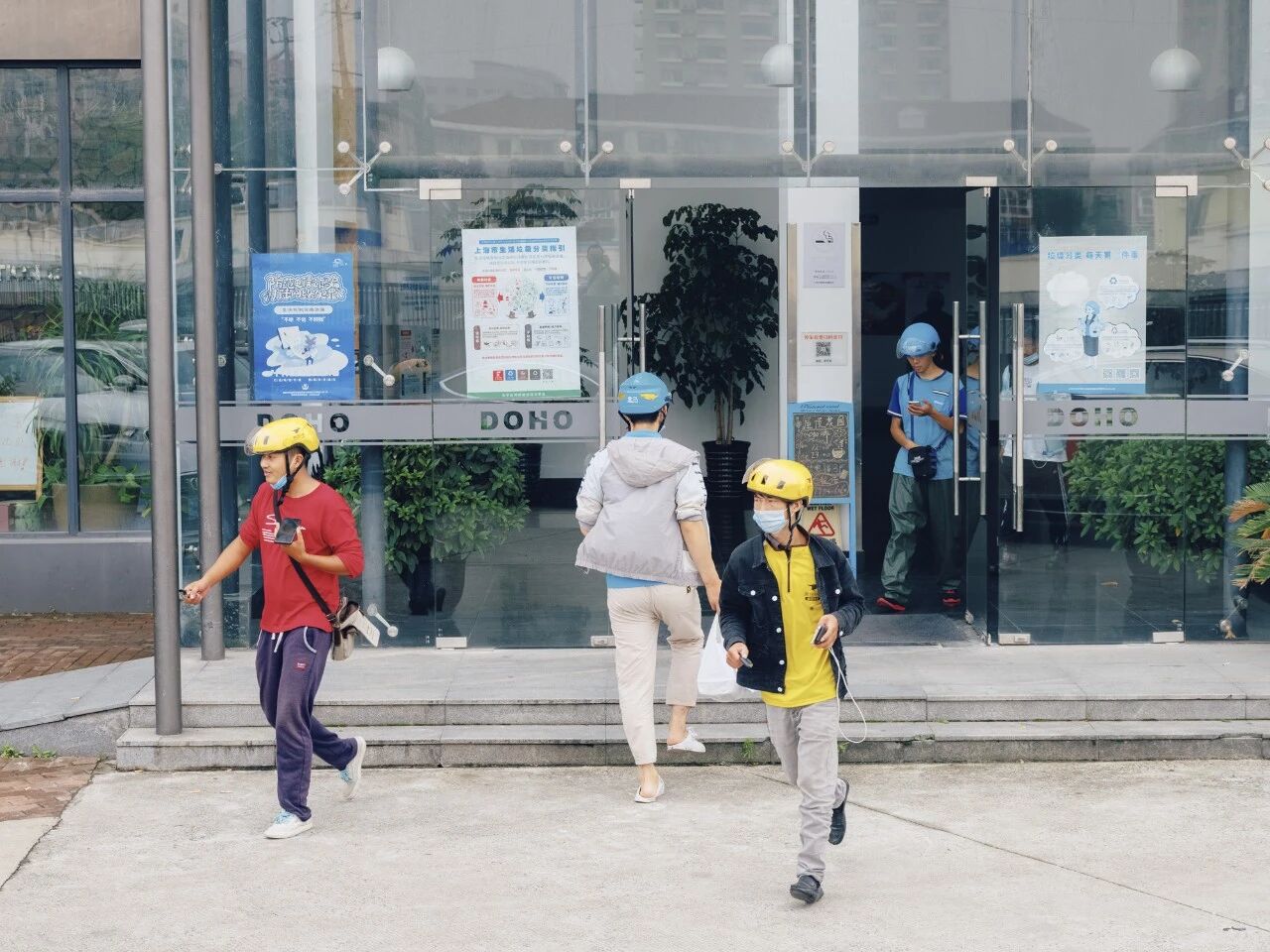
Social worker He Siqi spent a month as a Forward warehouse picker at JD 7FRESH, experiencing PDA countdowns, surveillance-driven pressure and per-order fines—and seeing how the people behind “30-minute delivery” are squeezed dry bit by bit by algorithmic rhythm.
In the rain, riders have no weather allowance – just fines for not showing up, no sick leave, no circuit breaker. Former rider and Foodthink editor Yuyang, with host Xiaojing, discuss the risks shifted behind convenience, and how costs boomerang on everyone as wet markets and family-run shops vanish.
Foodthink collated reader comments under articles on delivery riders’ struggles in severe weather. The debate far exceeds the “order or don’t” binary: do riders want earnings or dignity, how responsibility splits between consumers and platforms, and whether Platform gig workers remain an escape route for ordinary people.
Videos of Zhejiang and Shanghai incineration plants “competing for waste” across provinces and municipalities went viral. But waste management advocates point out that overcapacity is the reality – legally mandated dioxin data, tested only once a year, is far from “real-time monitoring”.
Amid Beijing’s torrential rains and heatwaves this summer, Meituan, Ele.me and JD riders had feet soaked raw, suffered heat stroke and rear-end collisions – yet attendance bonus and late-delivery penalties still forced them to run orders in the rain.
Riders eat just twice a day, pushing through peak delivery hours on biscuits and flatbread snacks. Medical studies across multiple countries show that the dietary imbalance and chronic stress wrought by intense delivery work are driving up gig workers’ risk of depression, diabetes and cardiovascular disease.
Following the viral “not enough waste to burn” video, calls to “throw more waste, forget sorting” emerged. Mao Da of the zero waste public welfare organisation and Sun Jinghua of Friends of Nature point out that excess incineration capacity exposes the lack of upstream reduction and sorting.
In a Jing’an District McDonald’s, part-time pay is 19 yuan an hour — just two yuan more after 1,000 hours. Five stations, each worker locked to their post; rainy-day delivery surges send riders and staff unraveling together. The assembly line cuts apart workers’ shared lives.
Takeaways, fresh produce, snacks, gift boxes – readers detail everyday life wrapped in layer upon layer of plastic, and share ways to cut down on plastic, such as bringing their own containers and finding recycling points.
Young Chinese people on a Working Holiday visa deliver food on foot in Melbourne, earning over 1,200 AUD a month; the platform sets no delivery deadline, and customers say “take it easy” – here, individual workers are seen and respected.