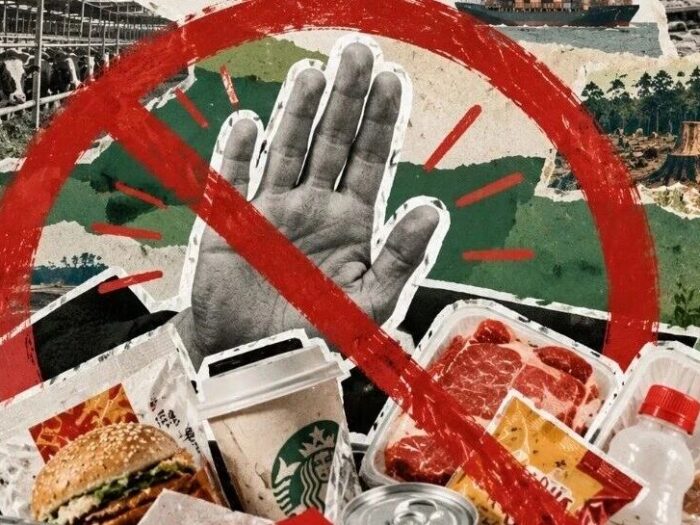
From avocado cultivation draining South America’s water resources, to newborn calves sent straight to the abattoir, to Sucralose on ingredient lists — people have decided to stop buying certain foods, out of concern for the environment, animals, food safety, or a collapse of trust.
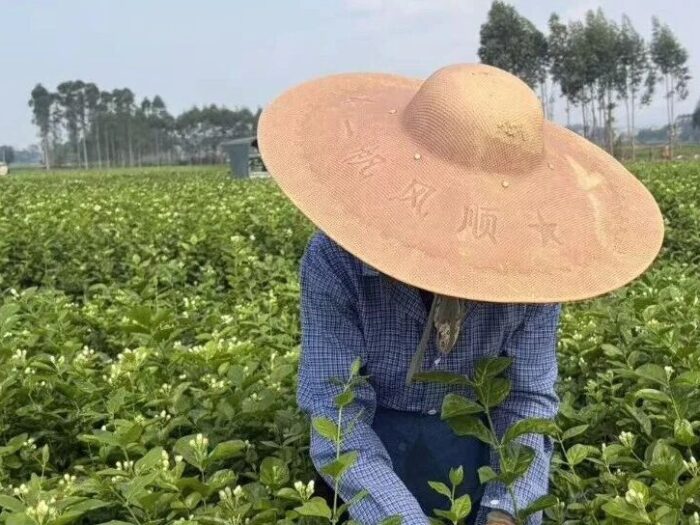
Auntie Huang in Hengzhou’s jasmine flower fields, Auntie Lu in Yingde’s tea gardens—both rely on decades of practised hand-and-eye judgement to know which flower to pick, which leaf to pluck. This experience cannot be written into machine instructions, yet is always classed as “requiring little technical skill.”
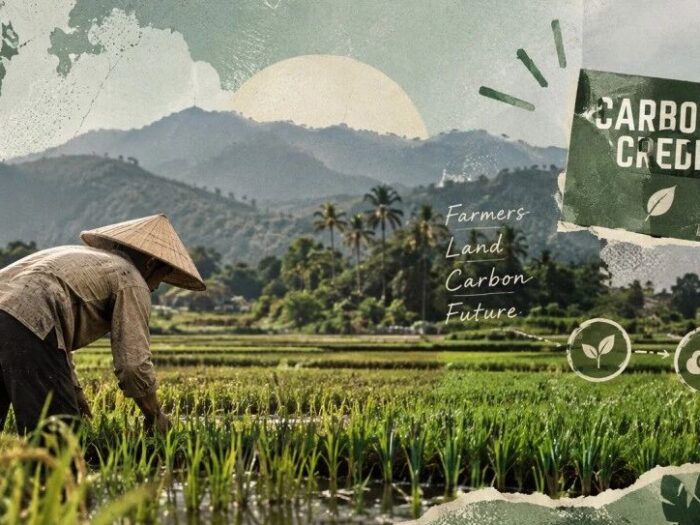
GRAIN’s report tracks the carbon credit projects Bayer, Cargill and other agrichemical companies are pushing on Asia’s farmland: farmers locked into decades-long contracts dictating their practices, getting just about 10% of the revenue, and bundled into buying seeds and pesticides.
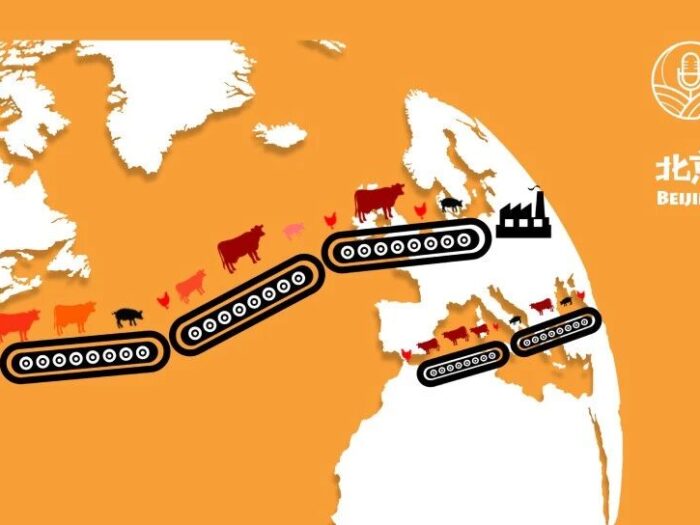
Foodthink invites Leila Yow, Climate Programme Officer at the Institute for Agriculture and Trade Policy (IATP), to discuss the monopoly landscape of global meat and dairy companies, their climate impact, and policy paths to rein in corporate power – this Friday, 11 September, in Beijing and online.
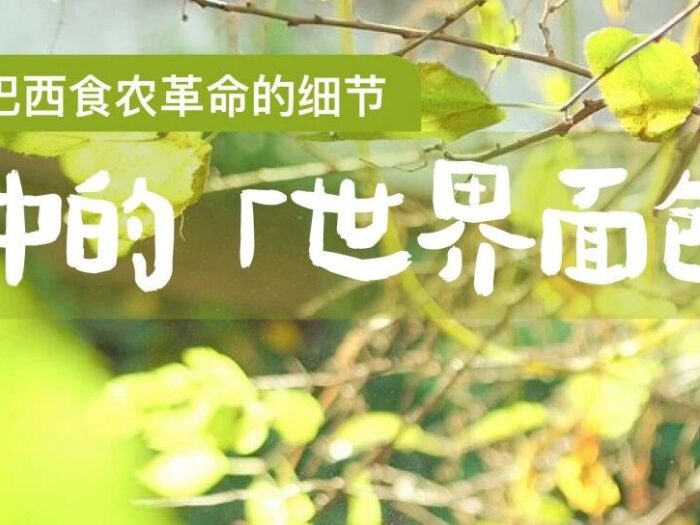
Brazil’s smallholder farmers are breaking free from pesticides and chemical fertilisers, moving towards agroecology, while consumers drive change back to the production end. Experienced food and farming practitioner Bia Goll from São Paulo shares twenty-plus years of practice. Saturday, 12 September, afternoon – Beijing in-person + online livestream.
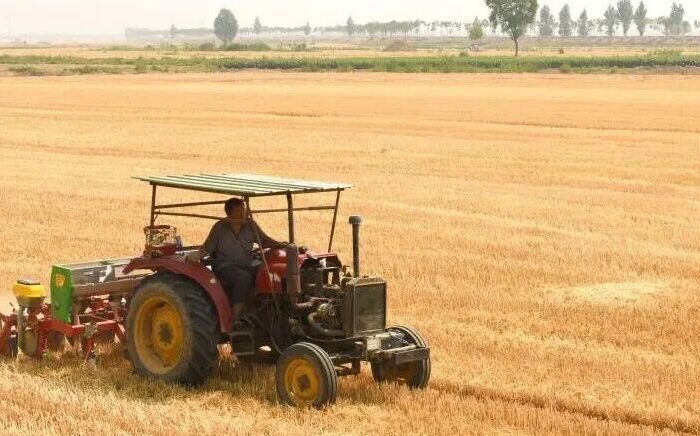
Heilongjiang permits orderly burning, yet Hebei farmers remain unaware: ‘Start a fire and they’ll detain you.’ After over a decade of straw return in Quzhou and Fengfeng Mining District, poor emergence, more pests, rising spray costs draw one shrug: “Not a big deal” — yet they’d far rather burn.
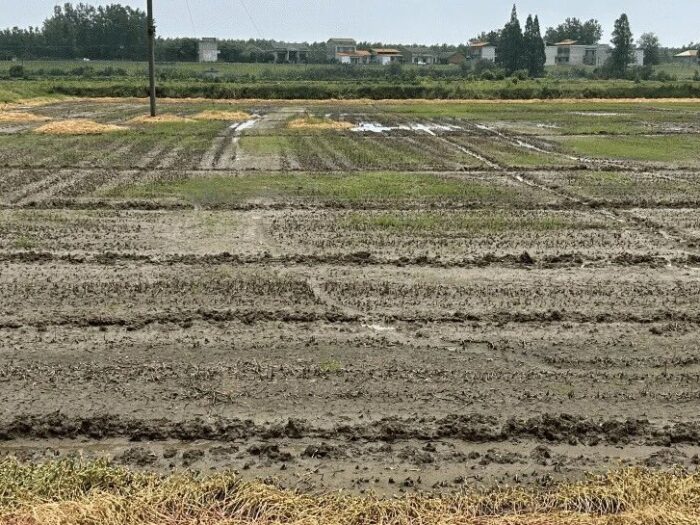
After the straw-burning ban, rice farmers in the Dongting Lake area of Hunan paid an extra 60–80 yuan per mu for straw shredding, rotary tillage and pesticide spraying — yet the rice stem borers overwintering in rice stubble have grown more numerous year on year.
Half-buried in frozen ground, plastic twine waits for spring; clear one layer of IV tubes and fragments and another surfaces, mixed with the soil, to be picked out one by one between fingertip and thumb. Harder to bear than farming is this land’s plastic that cannot be cleared.
Typhoon Bavi brought record-breaking rainfall, submerging about a third of Dunhua’s urban area and devastating ginseng fields and farmland. Shopkeepers fought chest-deep floods to save stock, villagers were stranded for days, ginseng farmers lost heavily—yet the threats of a wetter climate and encroachment on floodways endure.
The New York State Attorney General’s Office and the Environmental Working Group sued Brazil’s JBS and the US-based Tyson Foods over allegedly misleading “climate-friendly” beef labels. Both cases settled in 2025, yet “natural”, “recyclable” and “zero additives” claims still flood the shelves.