At Gudao Xifeng Manor in Haidian, Beijing, Brother Daotian — not formally trained — has kept a business afloat through pesticide-free ecological farming and over a hundred mu of sublet vegetable plots, while more than half of shared garden projects nationwide remain mired in losses.

Two order pickers at Freshippo and Xiaoxiang say that under the pressure of algorithms, injuries must be borne alone; the contract casts both sides into a “pure business cooperation relationship”, denying any employment relationship — yet between dashes, colleagues still willingly lend a hand.
In 1998, Italian truffle giant Urbani Tartufi had 47 tonnes of Chinese truffles seized, having long blended them into black winter truffles for profit. On 29 September, Kunming Institute of Botany mycologist Yu Fuqiang and Yi returnee farmer Kang Li discuss online Chinese foragers’ plight under climate change.
Order pickers who have run orders at Hema (Freshippo) and Xiaoxiang, in dialogue: seven hours with no meal break scheduled, twenty thousand steps a day, pay tiers never disclosed, and PDA efficiency rankings that hook you like a game.
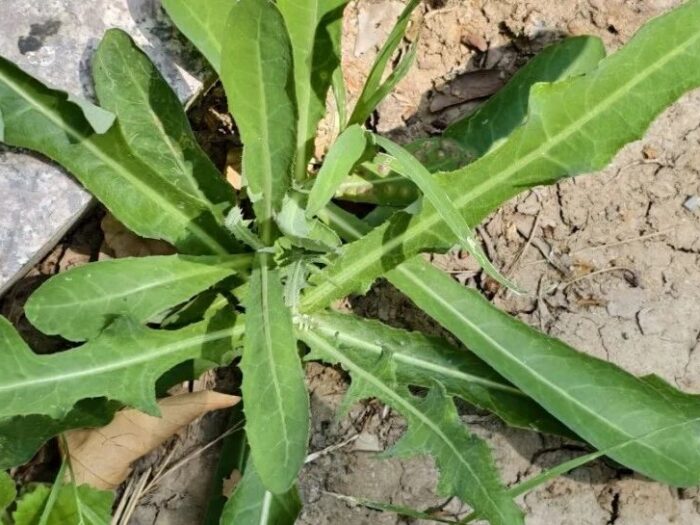
In 1970s Langhao Gou, most sow-thistle we dug fed the pigs; a handful made the family’s summer meal. Now it is wellness tea at several hundred yuan a jin, a stress-relief pastime for city youth. Who still remembers where that clean bitterness, its sweet aftertaste, came from?
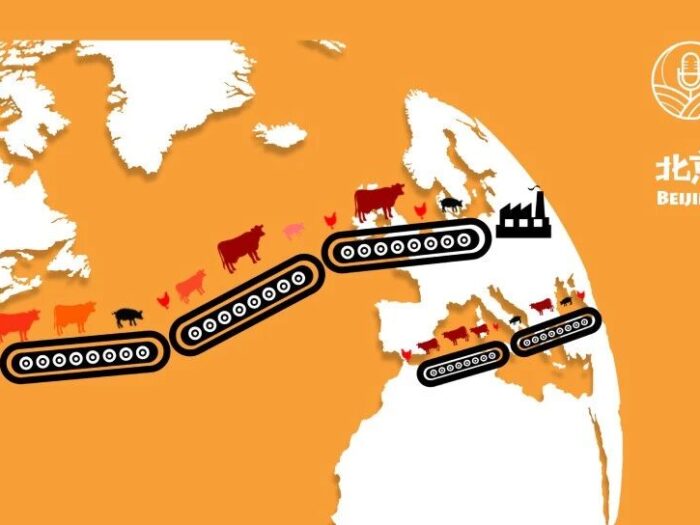
Foodthink invites Leila Yow, Climate Programme Officer at the Institute for Agriculture and Trade Policy (IATP), to discuss the monopoly landscape of global meat and dairy companies, their climate impact, and policy paths to rein in corporate power – this Friday, 11 September, in Beijing and online.
How a pig is raised, why riders race against the clock – once you know, some people genuinely can’t bring themselves to buy it any more. We’d love to hear the inner conflict behind those “I don’t want to keep buying this” moments, and that little sense of “morality”.
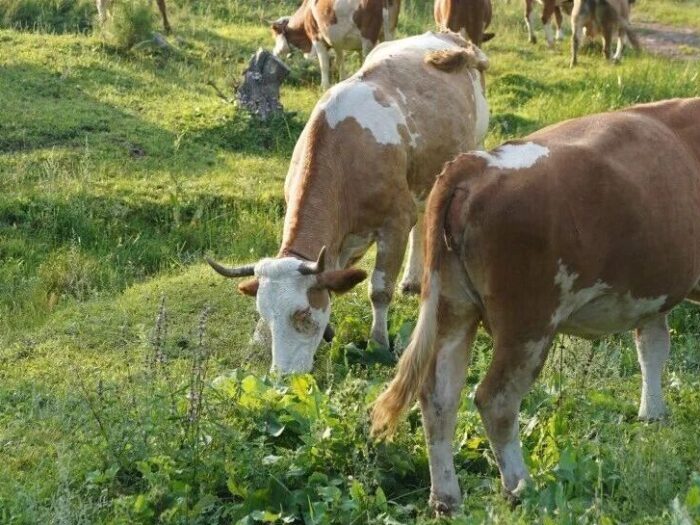
Cattle prices have fallen from thirty thousand to six or seven thousand yuan; cattle-keeping households in Leyi Village, Heshun County, have shrunk from over twenty to three. Gone with the empty cowsheds: hillside dǎo xiē dǎo xiē chatter, walkie-talkie calls, and a newborn calf’s promise.
From the decline of Huanglong Wholesale Market to holding her ground at Shuangjingtou Wet Market, fifty-year-old Xu Yunyan supports her family through a ginseng and antler dried goods shop. Refusing e-commerce and livestreaming, she relies on word of mouth and serves only retirees.
Musang King and Black Thorn oversupply triggered this year’s Malaysian “durian tsunami”. Balik Pulau’s Kampung old-tree smallholders are caught in it: tree-ripened fruit has an extremely short shelf life, sold cheap or discarded first – and many farmers have already felled their old trees, switching to grafted premium cultivars.