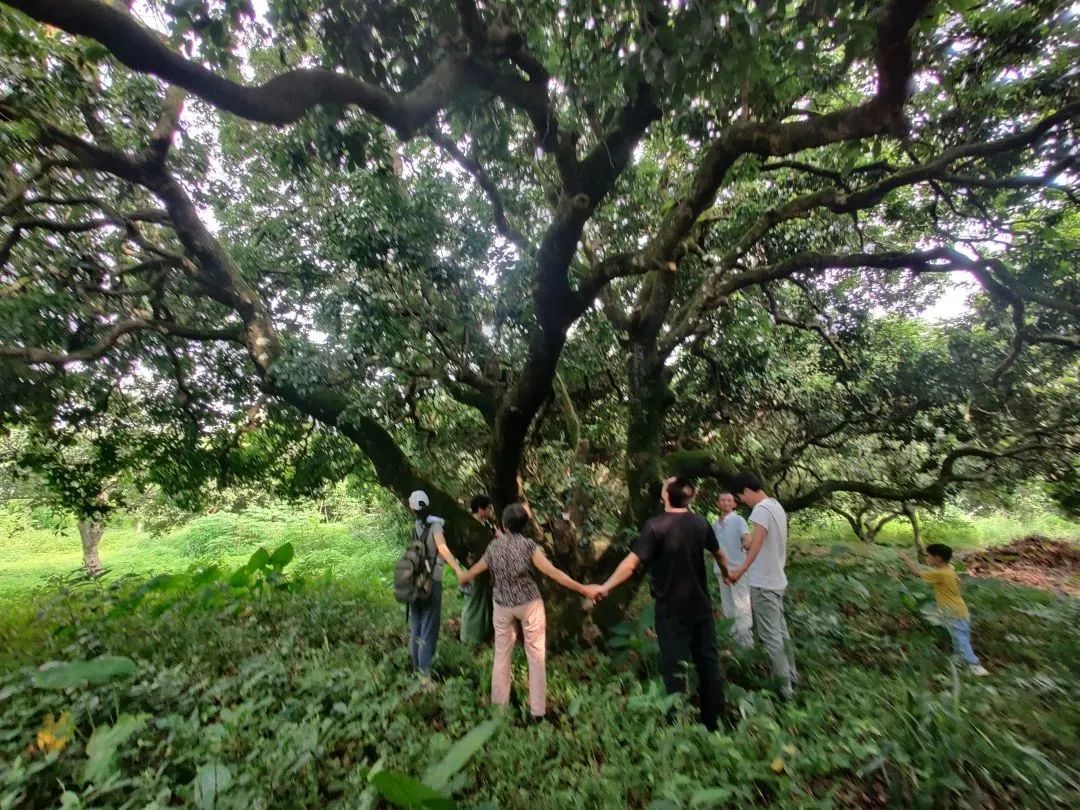
In the 1990s, Yinlin Village, Conghua, swapped citrus for lychees; Nuomici once fetched seventy to eighty yuan a jin. Now most fruit trees lie wild. Brother Zhong and Guo Rui watch the old trees, hoping the second Yinlin Lychee Festival will bring the wild lychees back into view.

Liang Junjie, a post-1980s native of the Shanxi–Shaanxi–Inner Mongolia Loess Plateau, left chemical-fertiliser and pesticide sales to return home and found the brand Xunxiang Dao. Nine years of pitfalls—product selection, processing, packaging, channels—ultimately led him to ecological agriculture and rural study-tour programmes for children.
The SCA flavour wheel’s reference foods skew towards Europe and North America, and woody and earthy flavours are labelled as negative, placing producing regions in Indonesia and India under pressure. Developing local flavour wheels and trusting your own tongue is a freer way to enjoy coffee.
The Dutch nitrogen-reduction policy has put farmers in the dock, yet Rabobank and agribusiness giants like Cargill truly drive—and profit from—high-density intensive farming. With over 40% of farmers below the poverty line, cow dung is merely the most conspicuous scapegoat in the nitrogen crisis.
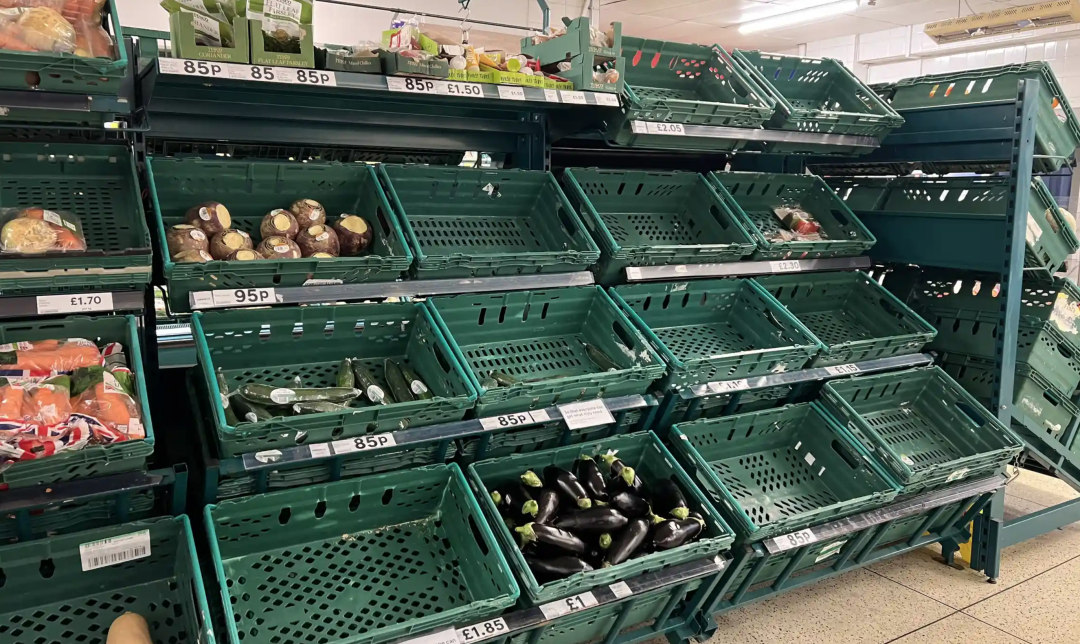
Tomato shortages and purchase limits gripped British supermarkets in early 2023. Decades of fixed low-price contracts had forced growers to cut production and offloaded costs onto migrant labour — while corner shops squeezed out by supermarkets became the only place left to buy vegetables in a crisis.
Xiaowen clones mycelium on agar plates in a little cabin by the stream; husband Xiaotang hoists ninety-pound oyster mushroom columns bare-handed. While button mushrooms in North American supermarkets haven’t changed their genes in forty years, the couple guards a hand-powered workshop, outside the assembly line.
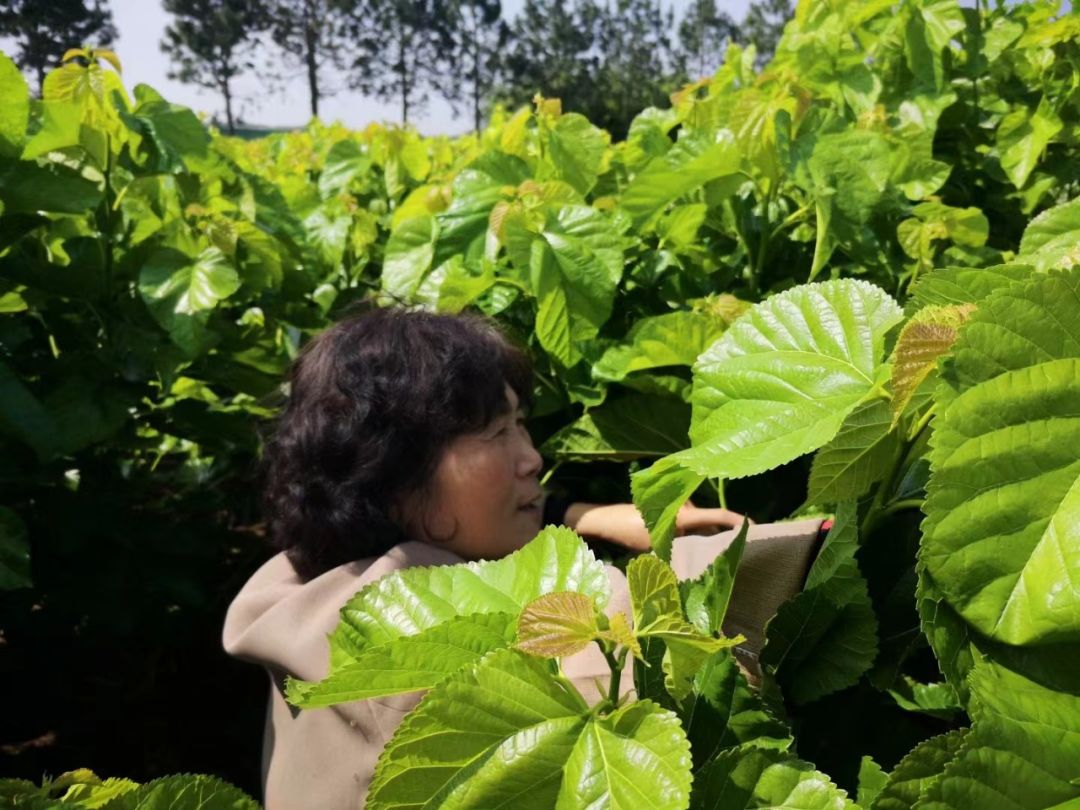
Yu Jiangang resigned in Beijing, returned to the village to raise silkworms and make silk comforters. Over twelve years, he watched two generations of young returnees drift further apart between ecological ideals and commercialisation, and ultimately concluded that true labour on the land is itself home.
Once the grain corridor was disrupted, Ukrainian grain surged by rail, road and the Danube into southeastern Europe, sparking farmer protests in Poland, Bulgaria and beyond – yet Somalia and other nations most reliant on Ukrainian grain gained little. Around Odesa, farmers are forced to rebuild the entire sales chain.