US Treasury Secretary Janet Yellen’s visit propelled jiàn shǒu qīng viral – prices soared, e-commerce platforms scrambled to list it, and poisoning cases outside Yunnan surged. “Toxic” and “can you eat it” are two different questions – cooking experience and “see little people” mindset won’t ship in a click.
Northwest China is warming at roughly twice the global rate, and rising extreme precipitation means wine grapes in areas such as Zhangye and Yinchuan are repeatedly hit by late frosts and rain damage during the harvest period. Greenpeace’s report warns that warming and wetting are threatening their quality.
In 2011, Yu Jiangang resigned in Beijing and returned to Zhenghebang, Jiaxing. Tracing nearly a century of change in Kaixiangong Village, from silk rural reconstruction to factory-style rearing, he chose to sustain the vanishing silkworm-rearing tradition through his family’s handcrafted silk duvets.
Pollinating and bagging a 300-mu pear orchard, coordinating older workers to follow the farming calendar, hitting the markets to sell the new early-maturing pear variety – after two years growing pears, there is only one conclusion: farming is truly hard, capital on your side or not.
The UK’s Soft Drinks Industry Levy, effective from 2018, taxed manufacturers and gave them two years to reduce their sugar content; calorie intake and childhood obesity did fall, but most simply replaced free sugars with non-sugar sweeteners — which the WHO has warned also carry health risks.
Held in Beijing from 18 to 20 August, the workshop recruits 25 media professionals to discuss food system transformation with scholars and practitioners, visit wholesale markets, eco-farms and waste-processing facilities, and offers post-workshop reporting grants alongside the establishment of a Pioneering Food and Agriculture Reporting Award.
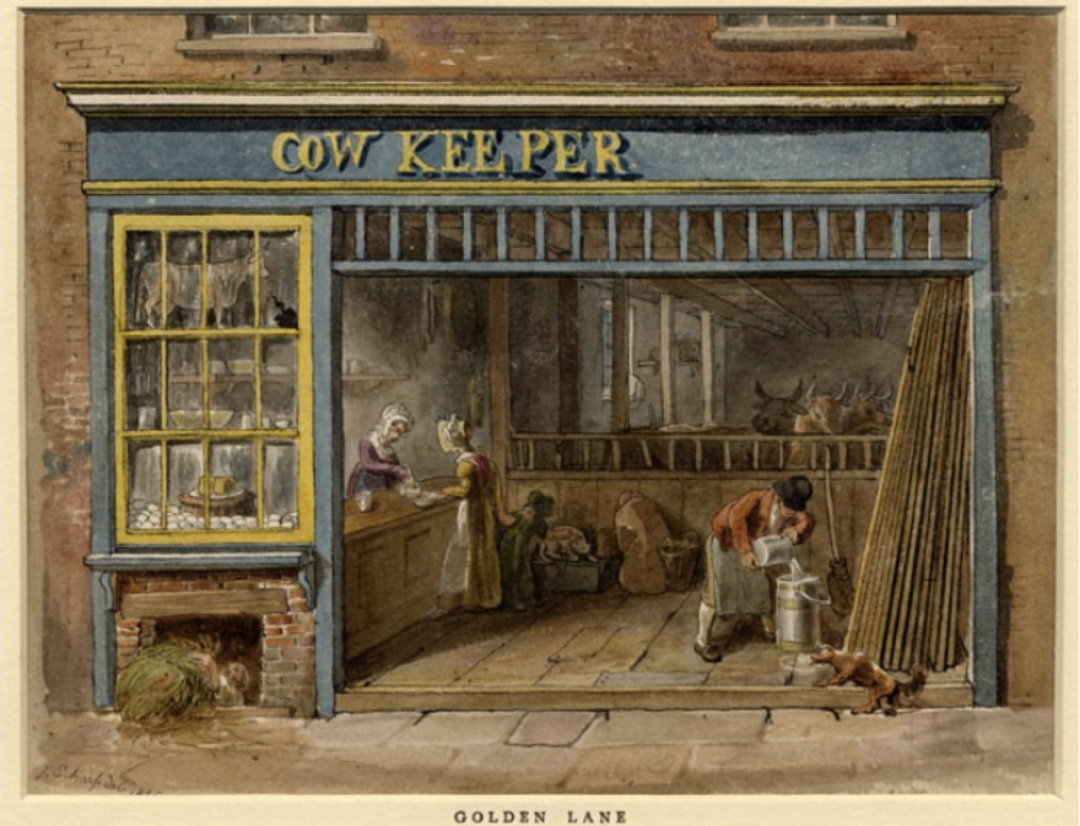
The Wellcome Collection gallery in London, through more than 100 exhibits, traces milk’s century-long image-making from 19th-century “swill milk” to post-war “perfect food”, revealing how commercial interests, government rationing and nutritional promotion combined to make milk a staple of the modern table.
Anthropology student Xiaocui interned three months at Letian Haiwan Farm in Fengxian, Shanghai. From planting tomatoes by hand to questioning why members rent plots, she saw the imagined pastoral and the real labour between city dwellers and the land.
Rural worker Huang Yajun has over a decade’s experience organising a green plum cooperative in Conghua, Guangdong. Against the near-century-old Silk Improvement Society of Fei Dasheng and the Women’s Sericulture School in Kaixiangong Village, he finds technology, capital, villagers’ sense of ownership and sales still the hardest problems.
Huanglongbing fells trees, citrus tristeza ruins saplings, agricultural inputs have doubled while fruit prices stall at 2.5 yuan a jin—over thirty years, fruit growers in a Gannan mountain village have lived a navel orange’s full arc, from funding a new house to an ever greater struggle.