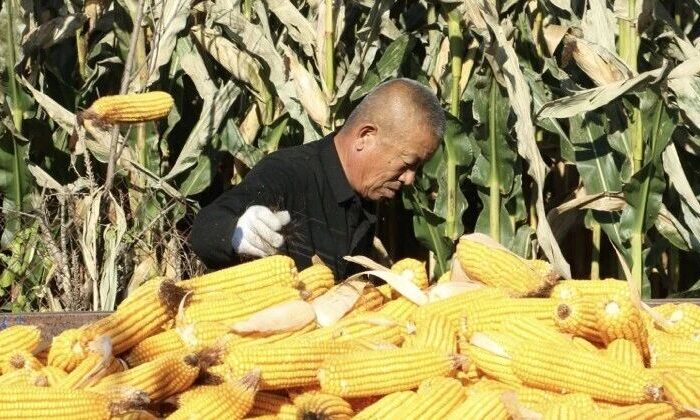
Two Heilongjiang natives in Beijing head home for the National Day holiday – browsing morning markets, husking corn, pickling cabbage. Northeasterners’ days follow autumn grain and green beans. From whole-village dou bao to young people clearing snow and driving ride-hailing apps, wintering indoors is becoming another stretch of odd jobs.
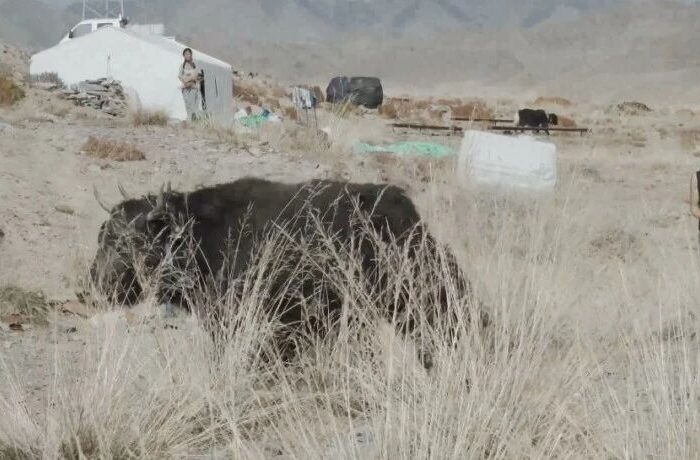
After a screening of Whose Table, Whose Pasture in Chengdu on 4 October, Wu Xiaohong and Gadu Drolma discussed with the audience how imported frozen meat is impacting pastoral areas — from fattening and breed improvement to consumers’ unease over food choices.
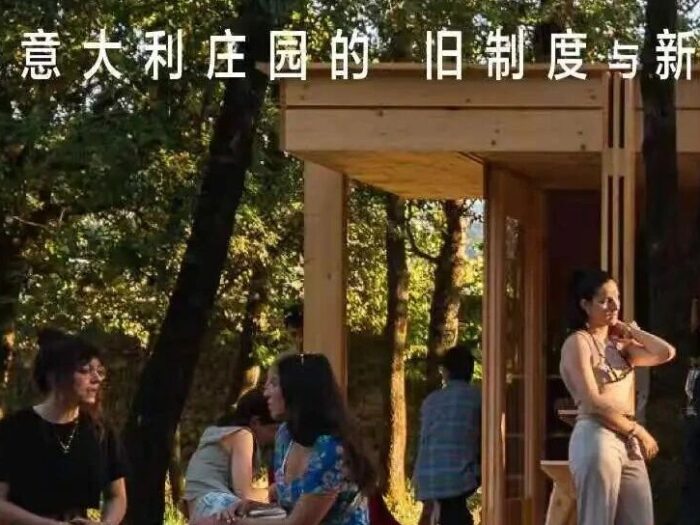
A 16th-century monastery garden in Umbria passed through sharecropping and a family farm to become Villa Cappuccini, where agriculture and art coexist. Cristiano Corbucci, a doctoral candidate at Nuova Accademia di Belle Arti (NABA), will share the estate’s practice from history to the present on 29 October.
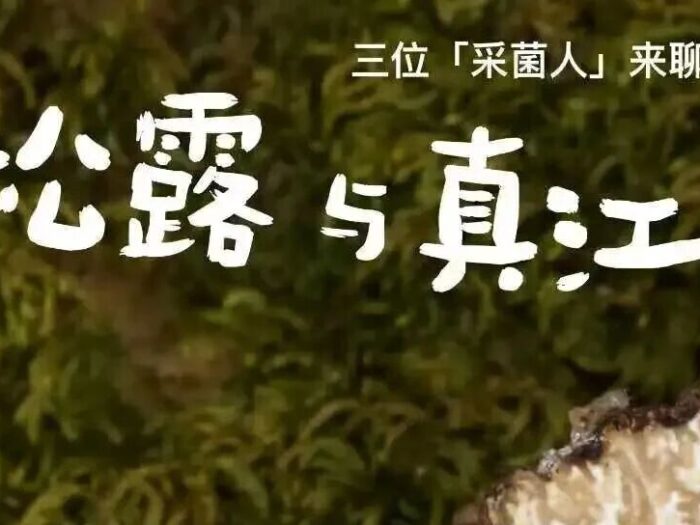
Yunnan villagers once roasted truffles in charcoal alongside potatoes. A Chinese Academy of Sciences mycologist and a young Yi returnee from Chuxiong point out: Chinese truffles are no less flavourful – but predatory harvesting has slashed yields in some producing areas by nearly 90% compared to twenty years ago.
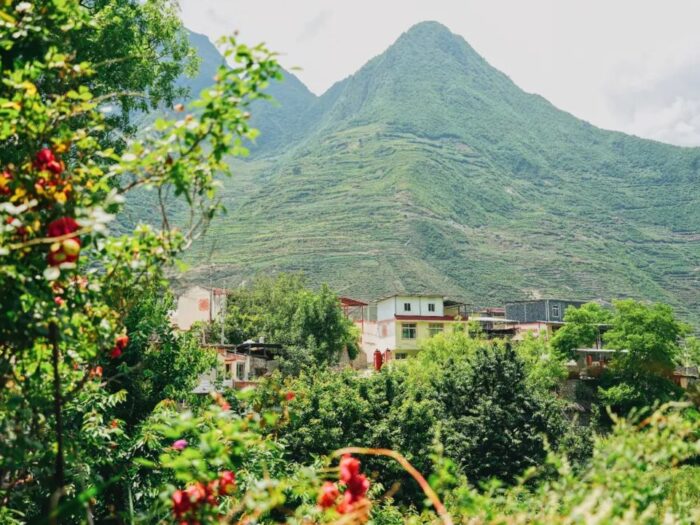
Koushan Village in Wenchuan, a Qiang ethnic group village rebuilt on its original site after the earthquake: fruit farmer Adong bags, sorts and livestreams on a steep 1,500-metre slope, sending sweet cherries and plums box by box to strangers on the other side of the screen.
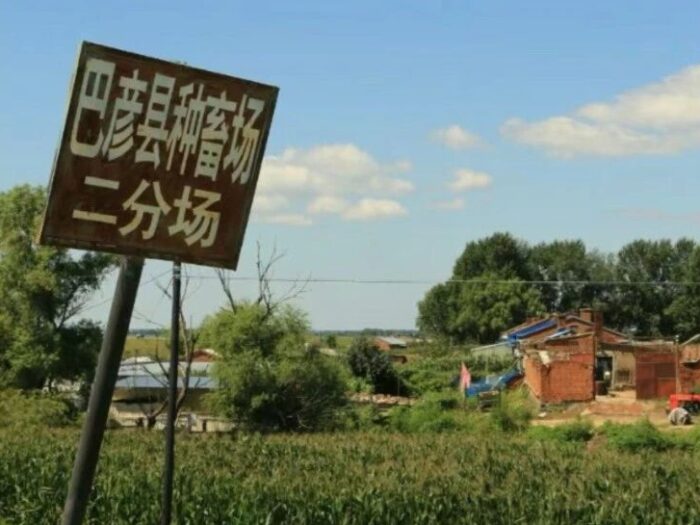
A young native of Zhenhua Village, Bayan County, returns to plan a wedding. Only fourteen of over seventy households remain, with just two relatives’ homes left to stay at. Great-Uncle has started talking of city retirement, once he can no longer carry the firewood.
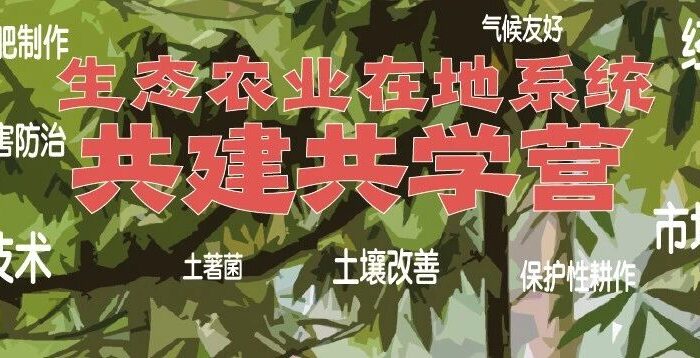
Foodthink, in partnership with Junqiao Crazy Farm, is hosting a three-day co-learning camp in Chongzhou, Chengdu. Led by Luo Lishuang and Huang Guoliang, the curriculum centres on three themes – soil, plants, and animals – paired with hands-on field practice such as composting and fermented plant extract.
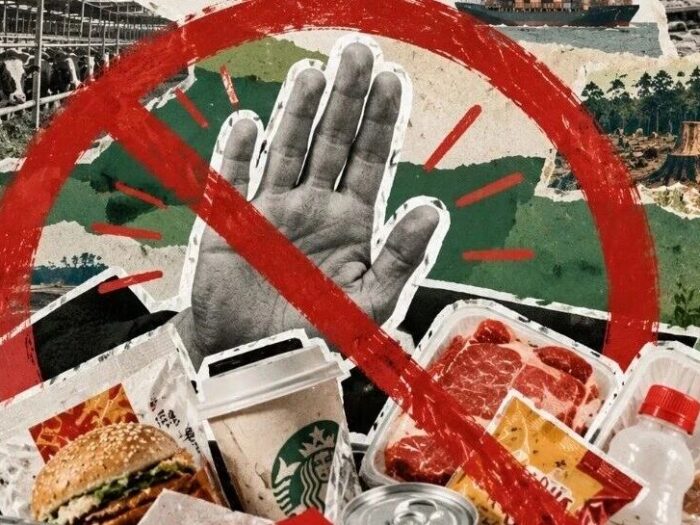
From avocado cultivation draining South America’s water resources, to newborn calves sent straight to the abattoir, to Sucralose on ingredient lists — people have decided to stop buying certain foods, out of concern for the environment, animals, food safety, or a collapse of trust.
At Gudao Xifeng Manor in Haidian, Beijing, Brother Daotian — not formally trained — has kept a business afloat through pesticide-free ecological farming and over a hundred mu of sublet vegetable plots, while more than half of shared garden projects nationwide remain mired in losses.
Foodthink’s fourth co-learning camp, in October at Junqiao Crazy Farm, Chongzhou, is led by Luo Lishuang and Huang Guoliang—over 20 years in ecological cultivation. Starting from carbon source supplementation, it explores soil-crop relationships. 20 places for ecological smallholder farmers from Yunnan, Guizhou, Sichuan and Chongqing.