A Monopolised Table, a Scorched Earth | Event Preview

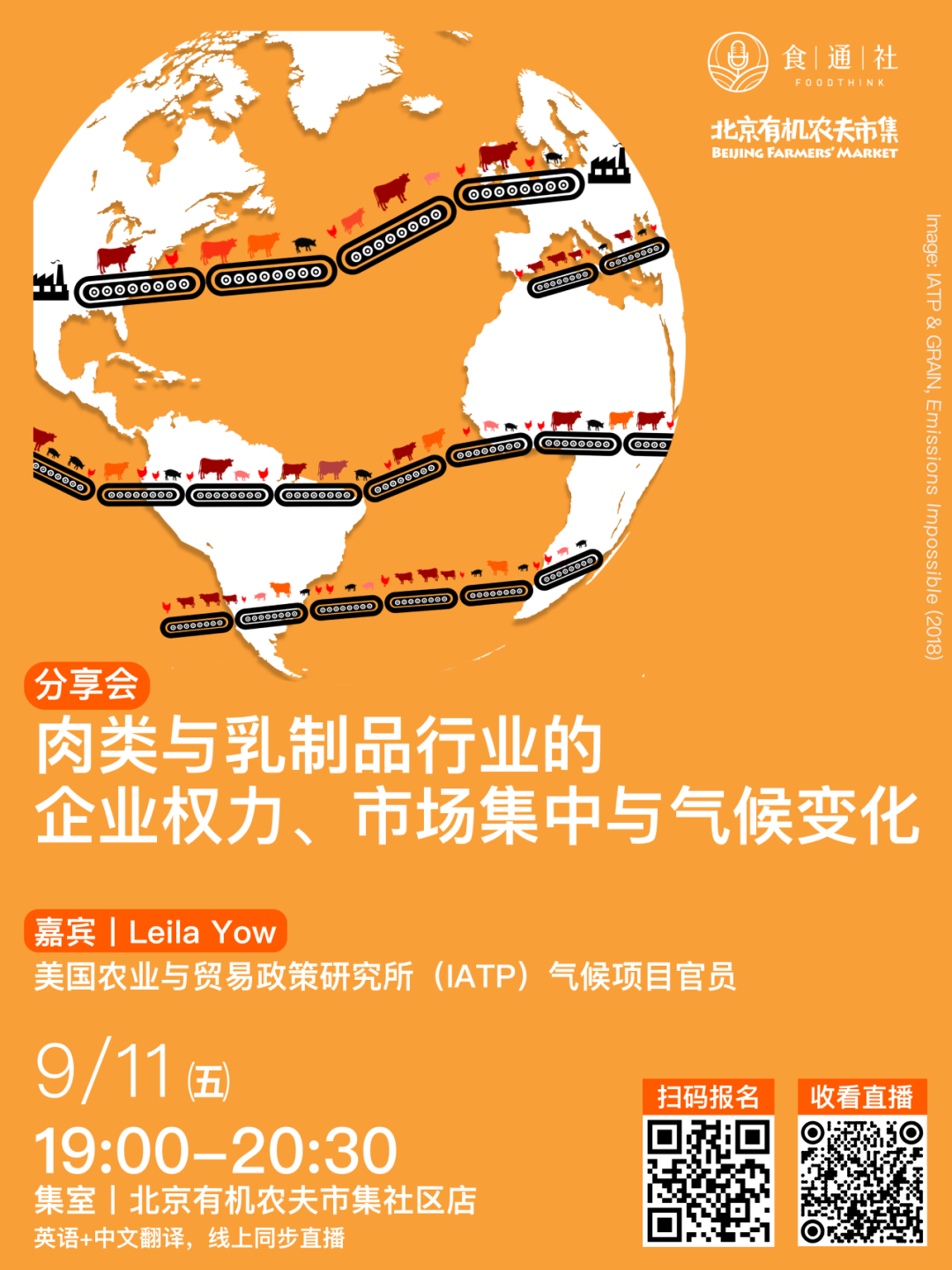
When we walk into a supermarket or market every day, or open a shopping app or food delivery platform on our phones to buy milk, meat or pre-prepared meals, it feels as though there are endless options.
However, from the perspective of the global supply chain, the corporate power behind these foods is highly concentrated. The global markets for meat processing, grain trade, seeds, agricultural machinery and fertilisers are all controlled by a handful of multinational giants. For example, the top four meat processors control 85% of the global market, and the top four grain traders control 70% to 90%.
These powers operate through long, even global, supply chains, affecting the price and quality of our food every single day.
The concentration of corporate power not only undermines consumers’ food choice, access and affordability, but also ‘captures’ governance systems through formidable political, economic and legal influence, making them difficult to regulate effectively. At the same time, under this system, smallholder farmers are forced to bear greater production risks, while profits flow overwhelmingly to a few multinational giants.
Against the backdrop of climate change, the carbon emissions of food and agriculture corporations have long been underestimated and overlooked. In reality, the food and agriculture sector accounts for nearly a third of global greenhouse gas emissions, with livestock farming being a major source of methane. Research shows that the methane emissions from the world’s top five meat companies even exceed those of energy giants such as Chevron, Shell or BP, and the combined emissions of the top 20 meat and dairy companies also surpass those of many high-emitting developed countries such as Germany and Canada. Yet many meat and dairy giants lack credible climate action plans, and some even resort to the industry playbook of ‘distraction, delay and obstruction’ to resist policy progress.
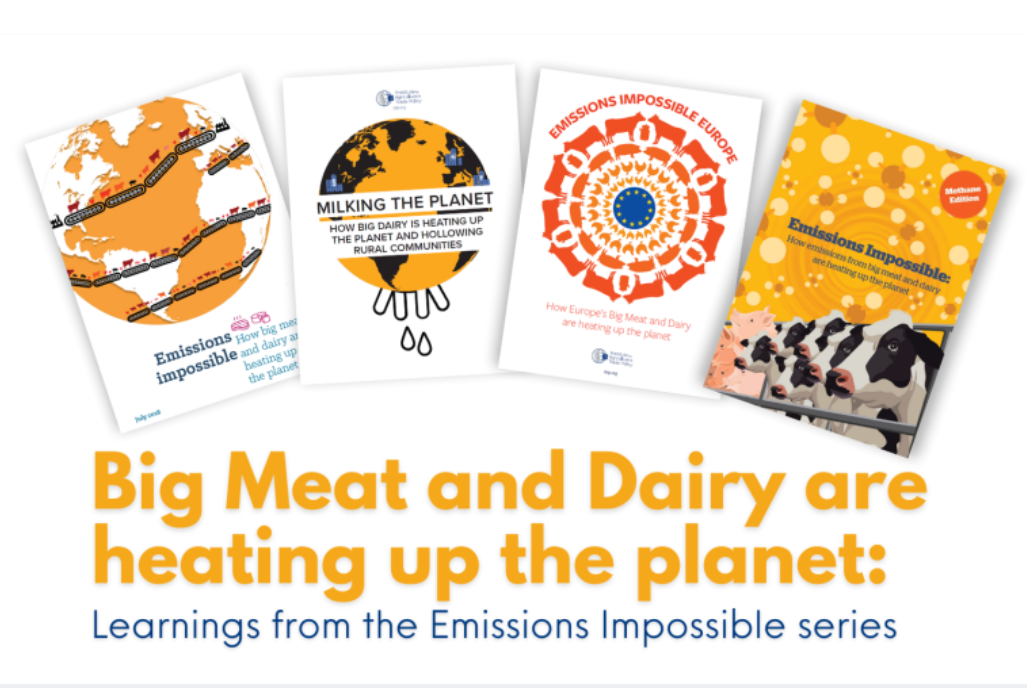
◉The organisation where this session’s guest works has long been committed to exposing and addressing the climate impact of the meat and dairy industry, and has published a series of reports. Visit www.iatp.org to view and download them.
In response to these issues, a number of academic and advocacy organisations around the world have conducted in-depth and timely research. This Friday, 11 September, at 7 pm, Foodthink will be inviting a programme officer from the Institute for Agriculture and Trade Policy (IATP), a US-based organisation that has long tracked food and agriculture issues, to share cutting-edge international research and perspectives:
-
To what extent has corporate monopoly in the global meat and dairy sectors reached today? How does it harm the interests of consumers and farmers?
-
What role do meat and dairy giants play in the global climate crisis? What climate-related financial risks do they themselves face?
-
In the face of an increasingly robust global climate disclosure legal framework, what strategies have these giants adopted? What is the “methane reporting gap”?
-
How can we use policy reform, investor pressure, and support for local food systems to constrain the power of these giants and protect farmers in transition?
Readers in Beijing are welcome to sign up for the in-person event. Please scan the QR code on the poster for the registration link, or click “Read the Original” at the end of the article.
Readers who are not in Beijing or unable to attend in person are also welcome to book a place on the livestream:
– Guest Speaker –
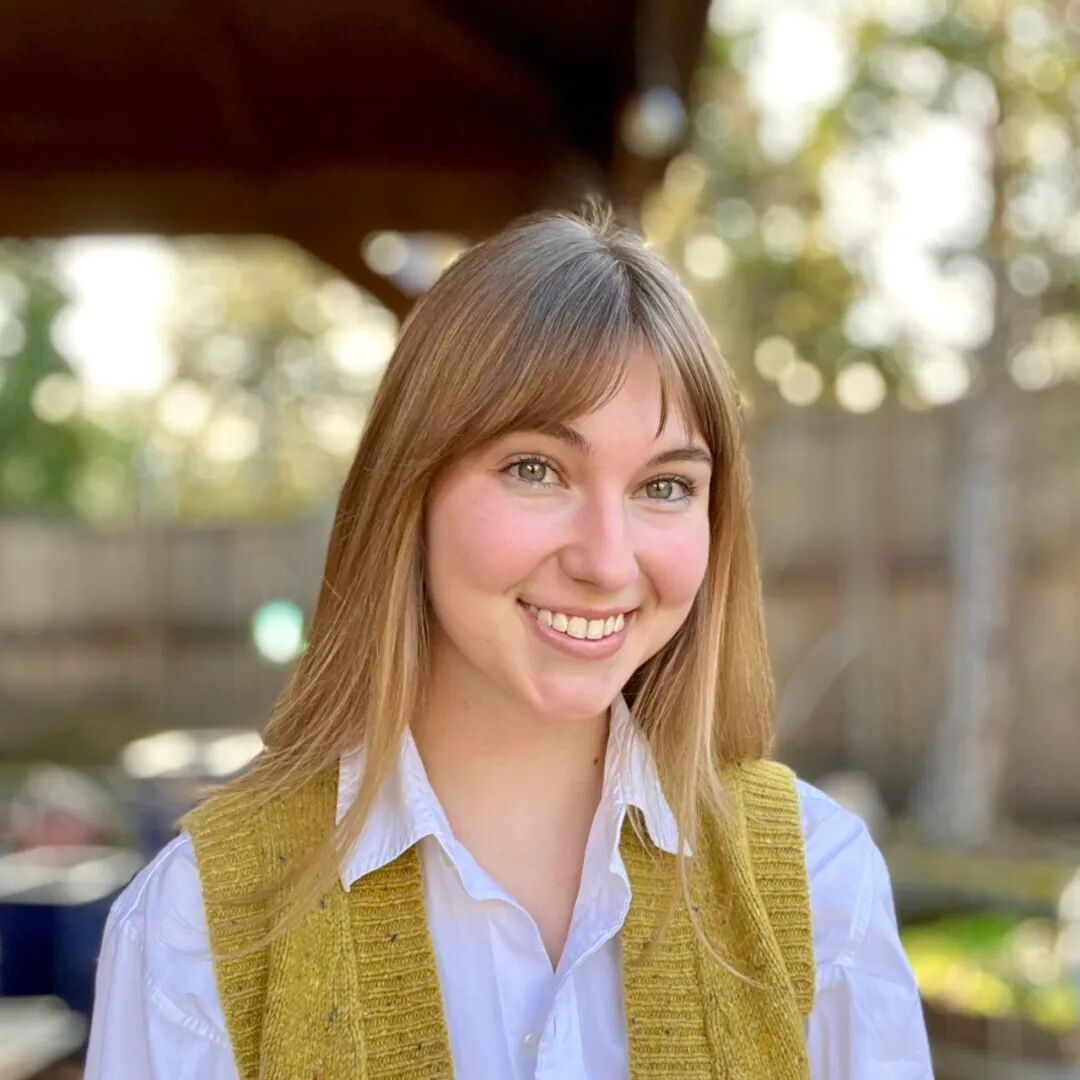
Leila Yow
Leila Yow is a climate programme officer at the Institute for Agriculture and Trade Policy (IATP) in the United States, with a primary focus on corporate accountability and the impact of livestock on the climate. She is actively engaged in international policy advocacy related to food systems, with a particular focus on the power of meat and dairy corporations within food systems.
Leila Yow holds a Master’s degree in Development Studies from the Institute of Development Studies (IDS) and a Bachelor’s degree in Economics from the University of North Carolina at Asheville (UNC-A). She currently lives in Minneapolis, Minnesota, USA.
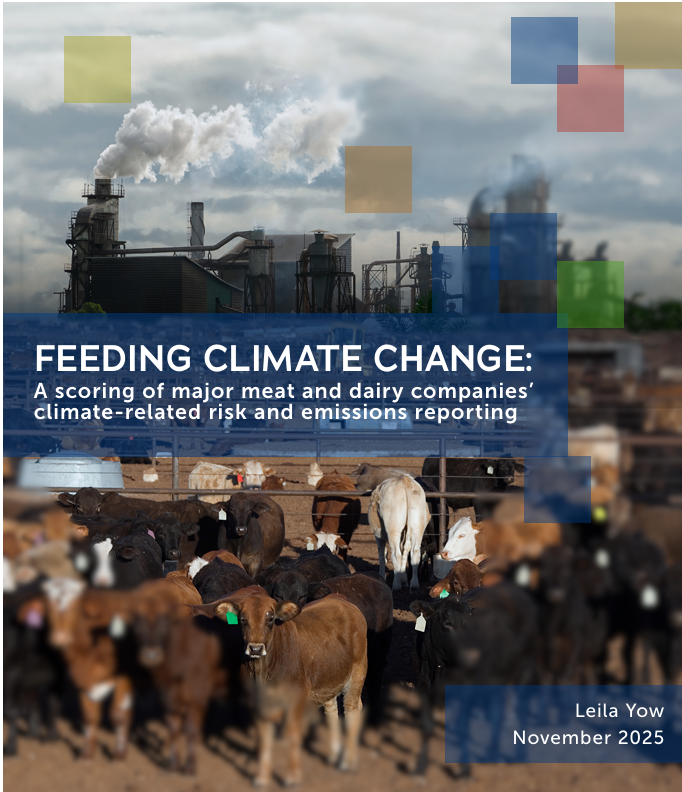
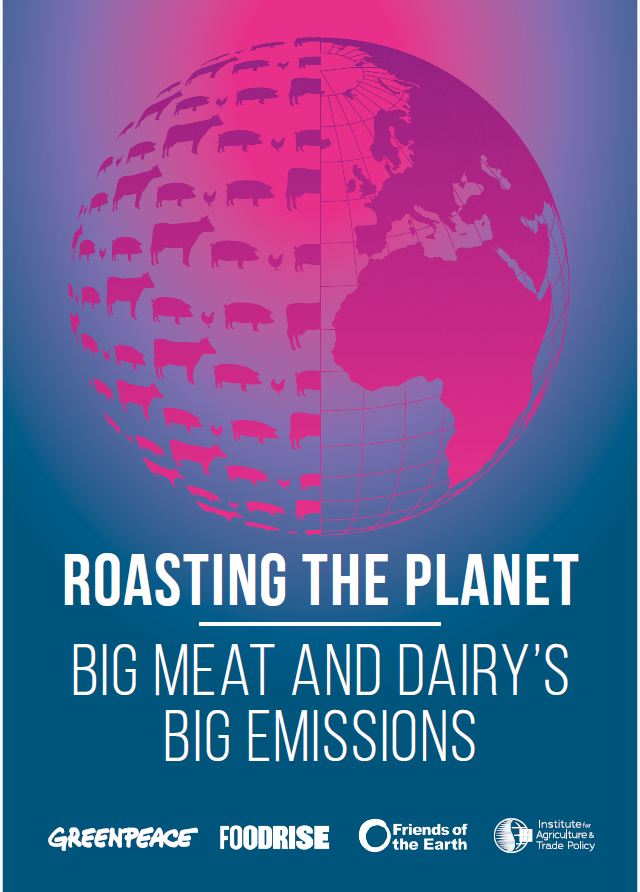
◉Two reports co-authored by Leila Yow examine in depth how meat and dairy giants exacerbate climate change, deliberately underreport and underestimate carbon emissions, and deflect responsibility.
– Moderator –
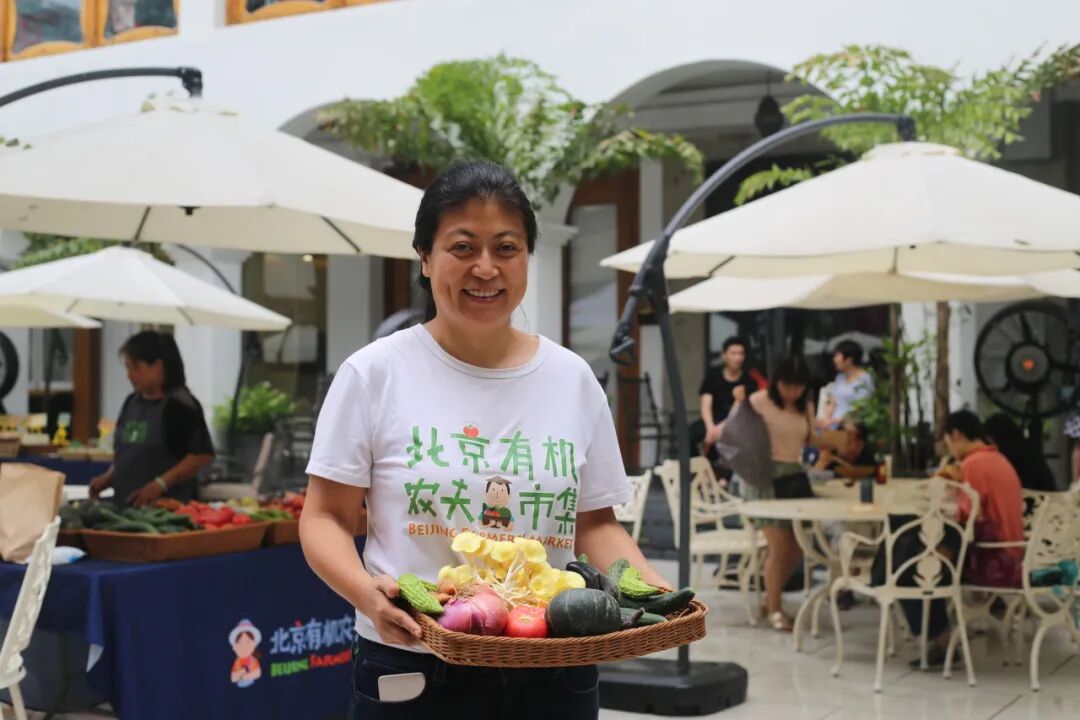
Tianle
Founding editor of Foodthink, organiser of the Beijing Organic Farmers’ Market.
– How to Join –
Session Format
In person (Beijing) + livestream, English with Chinese interpretation
Time
Friday, 11 September 2026
19:00–20:30
Location
Beijing Organic Farmers’ Market Community Store – Jishi (Li Xiang branch)
In-person registration
Scan the QR code to fill in the registration form

Livestream registration
(Replay available)
You’re also welcome to join the Foodthink discussion group
Scan the QR code below to add Foodthink Jun
Note ‘Food Talk’ to join the Food Talk discussion group

Further Reading

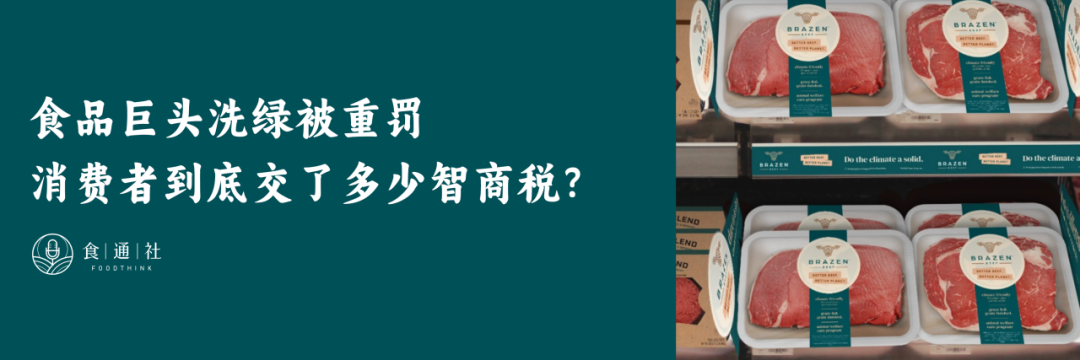
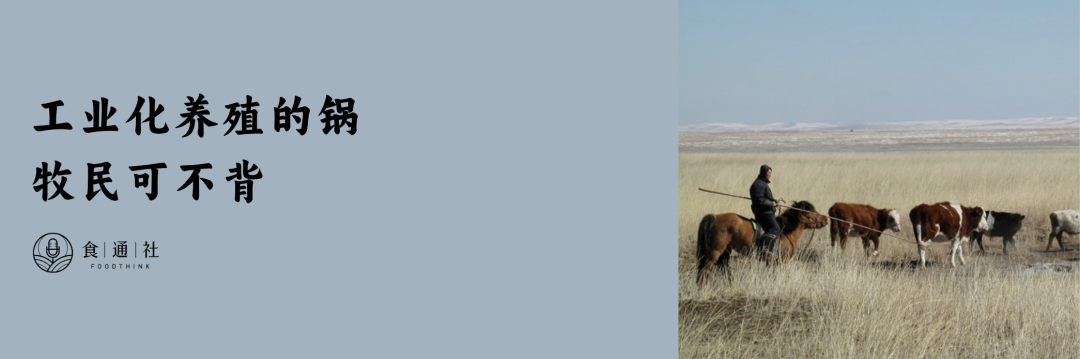
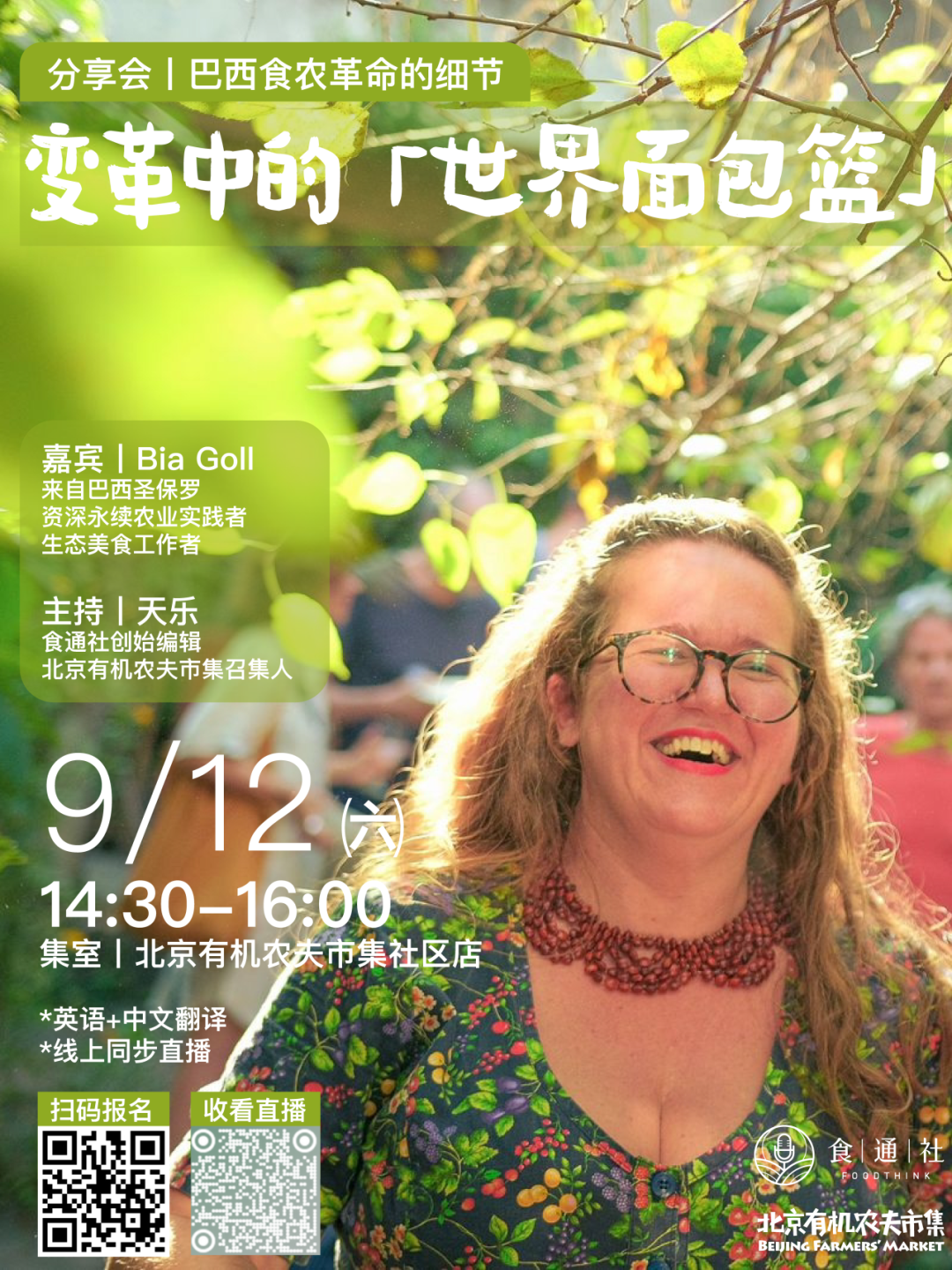
This Saturday afternoon, we have also invited a guest from Brazil to share food and agriculture stories from this major livestock country.
Coordinated by: Tianle
Poster: Z X
Layout: Xiaoshu
Scan to tip and support original food knowledge
▼

▼
Click a keyword to explore more articles
Seeds|Ag Tech|Policy|Fermentation|Nutrition|Fruit|Fisheries|Events|Careers|Food Delivery|Wet Markets|Livestock|Food Talk|Sharing Sessions|Book Club|Harvest Festival|Smallholder Stories|Climate Change|Rural Development|Cooperatives|Urban Farmers|Food Safety|Digital Tech|Biodiversity|Pandemics and Food|False Solutions|Organic Farming Internship Programme
Beijing|Hebei|Shanghai|Guangdong|Guangxi|Henan|Sichuan|Jiangxi|Xinjiang|Shaanxi|Hong Kong|Chongqing|Zhejiang|Jiangsu|Guizhou|Taiwan|Inner Mongolia|Philippines|Canada|Russia|Mexico|Italy|United States|United Kingdom|Germany|Netherlands|Thailand|Sweden|Japan