Are Public-Interest Organisations Becoming Greenwashing Tools for Polluting Companies?

Meituan has funded environmental organisations dedicated to monitoring food-delivery plastic pollution, yet their critical voices have gradually faded. Two veteran environmental advocates compare this to the 2004 Asia Pulp & Paper (APP) case, noting that the balance of power between businesses and public-interest organisations has quietly reversed.

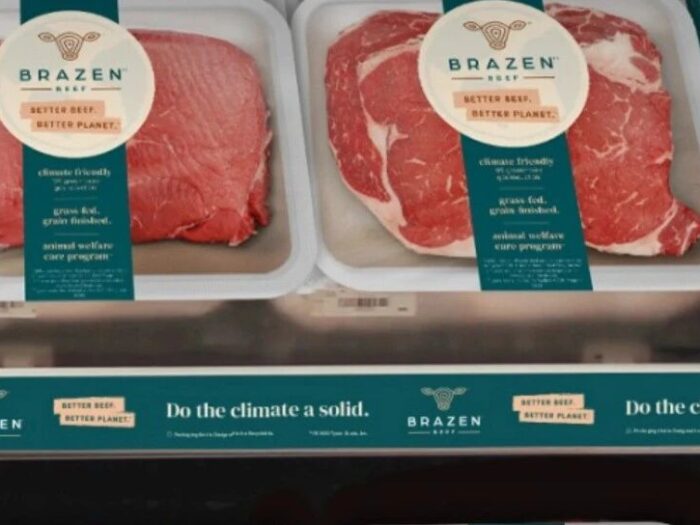
How Nearly Two Decades of Investigations Lifted the Grey Curtain on “Cattle Laundering” at Brazilian Meat Firms

Repórter Brasil built a traceability database combining satellite data and on-the-ground collaboration with indigenous communities, proving JBS was not “unable to trace” but actively used three-legged journeys to launder cattle from deforested ranches into the supply chain, ultimately prompting six major European chain supermarkets to boycott.

Corporate Greenwashing’s Sugar-Coated Bullets: How Should NGOs Hold Their Ground? | Food Talk Vol. 46

Meituan, a major generator of food-delivery plastic waste, has begun funding environmental organisations working on plastic reduction. Spanning fundraising ethics to corporate PR tactics, Shan Shui Conservation Center co-founder Sun Shan and freelance environmental writer Ma Tianjie ask whether public-interest organisations can hold their independence against polluter funding.