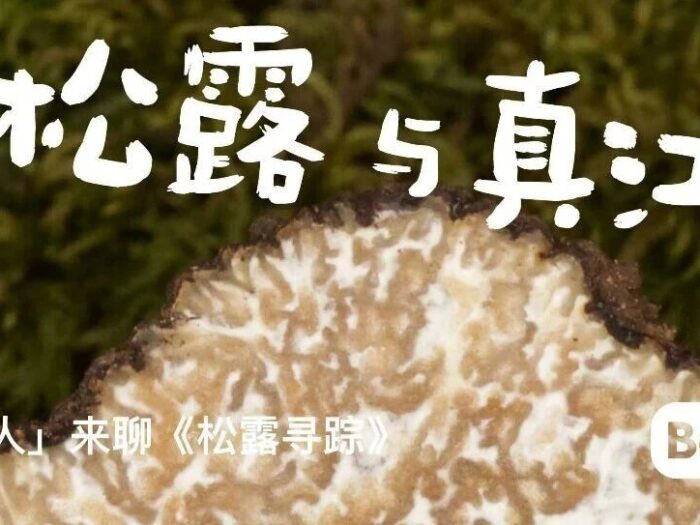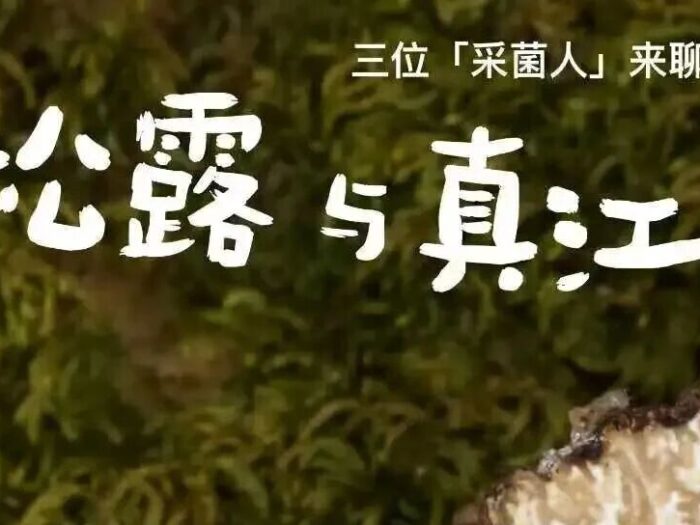
Yunnan villagers once roasted truffles in charcoal alongside potatoes. A Chinese Academy of Sciences mycologist and a young Yi returnee from Chuxiong point out: Chinese truffles are no less flavourful – but predatory harvesting has slashed yields in some producing areas by nearly 90% compared to twenty years ago.

At Gudao Xifeng Manor in Haidian, Beijing, Brother Daotian — not formally trained — has kept a business afloat through pesticide-free ecological farming and over a hundred mu of sublet vegetable plots, while more than half of shared garden projects nationwide remain mired in losses.
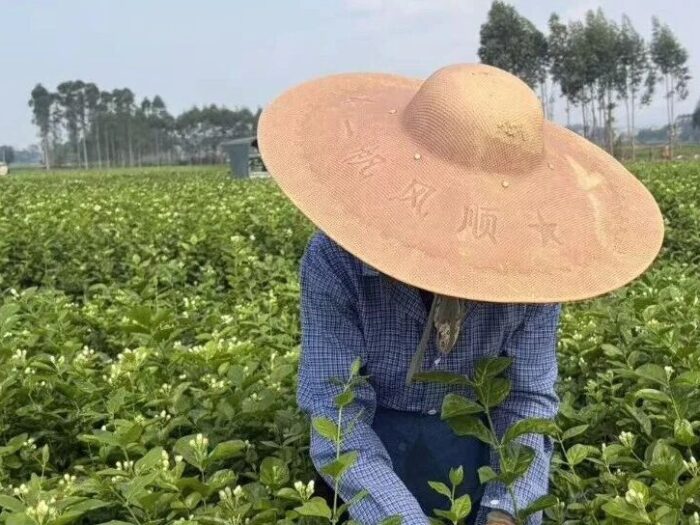
Auntie Huang in Hengzhou’s jasmine flower fields, Auntie Lu in Yingde’s tea gardens—both rely on decades of practised hand-and-eye judgement to know which flower to pick, which leaf to pluck. This experience cannot be written into machine instructions, yet is always classed as “requiring little technical skill.”
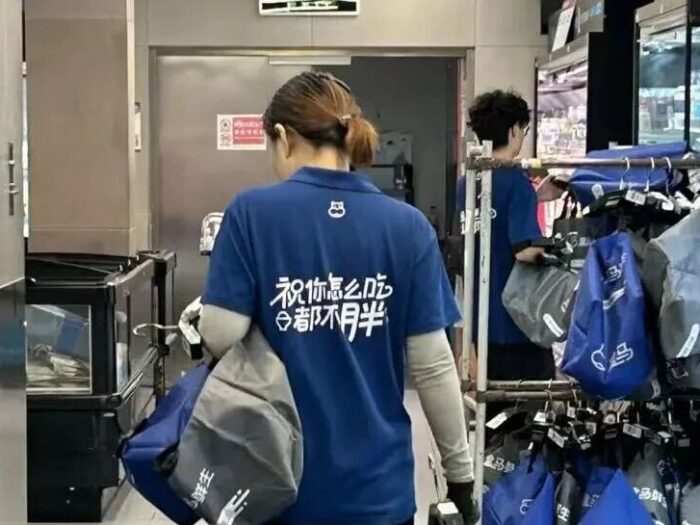
Two order pickers at Freshippo and Xiaoxiang say that under the pressure of algorithms, injuries must be borne alone; the contract casts both sides into a “pure business cooperation relationship”, denying any employment relationship — yet between dashes, colleagues still willingly lend a hand.
In 1998, Italian truffle giant Urbani Tartufi had 47 tonnes of Chinese truffles seized, having long blended them into black winter truffles for profit. On 29 September, Kunming Institute of Botany mycologist Yu Fuqiang and Yi returnee farmer Kang Li discuss online Chinese foragers’ plight under climate change.
Order pickers who have run orders at Hema (Freshippo) and Xiaoxiang, in dialogue: seven hours with no meal break scheduled, twenty thousand steps a day, pay tiers never disclosed, and PDA efficiency rankings that hook you like a game.
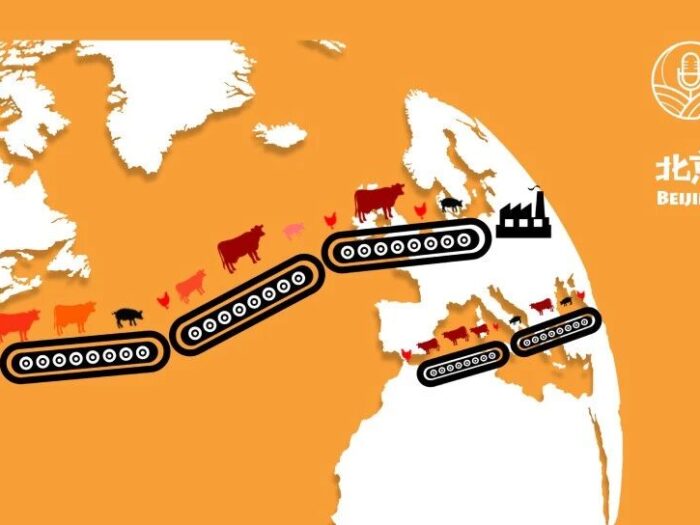
Marius Korsnes (Ma Li) and his NTNU team investigate the salmon, dairy and live-pig industry chains across borders, arguing that China’s animal protein consumption follows a logic of construction distinct from the West—plant protein has not been displaced, while farming’s resource costs have been “outsourced” overseas.
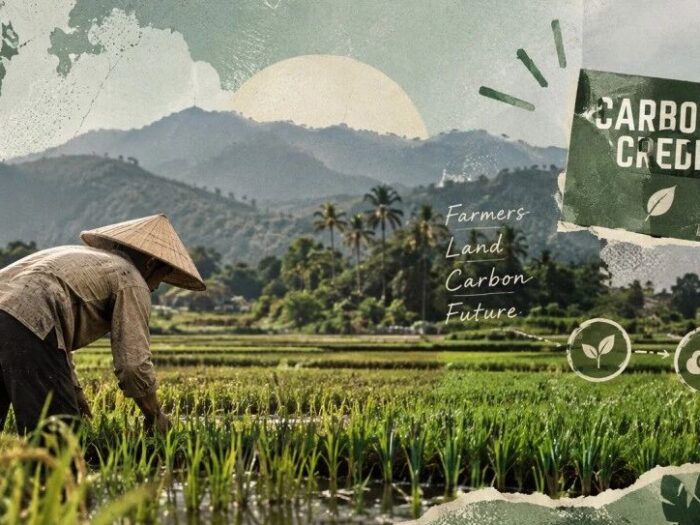
GRAIN’s report tracks the carbon credit projects Bayer, Cargill and other agrichemical companies are pushing on Asia’s farmland: farmers locked into decades-long contracts dictating their practices, getting just about 10% of the revenue, and bundled into buying seeds and pesticides.
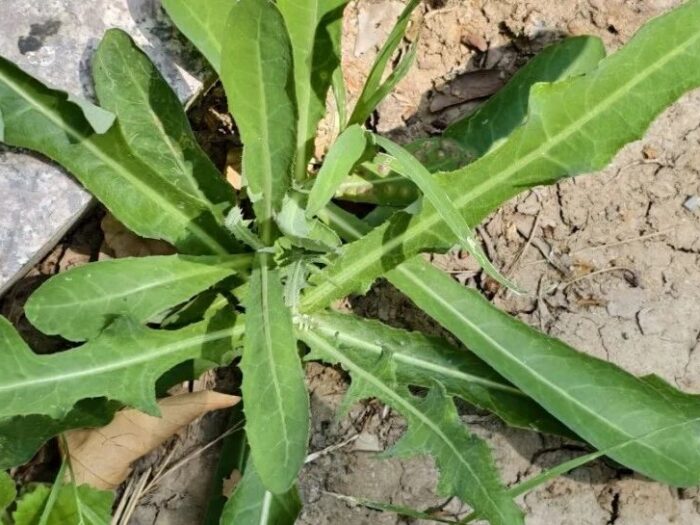
In 1970s Langhao Gou, most sow-thistle we dug fed the pigs; a handful made the family’s summer meal. Now it is wellness tea at several hundred yuan a jin, a stress-relief pastime for city youth. Who still remembers where that clean bitterness, its sweet aftertaste, came from?
Foodthink invites Leila Yow, Climate Programme Officer at the Institute for Agriculture and Trade Policy (IATP), to discuss the monopoly landscape of global meat and dairy companies, their climate impact, and policy paths to rein in corporate power – this Friday, 11 September, in Beijing and online.