
How a pig is raised, why riders race against the clock – once you know, some people genuinely can’t bring themselves to buy it any more. We’d love to hear the inner conflict behind those “I don’t want to keep buying this” moments, and that little sense of “morality”.

Professor Zhang Dandan of Peking University called flexibility itself a benefit. Zheng Yuyang, who trekked with odd-job workers harvesting Korean pine cones in the northeast and delivered food in Beijing for four months, found this grating: workers want a stable job with social insurance and dignity, not flexibility.
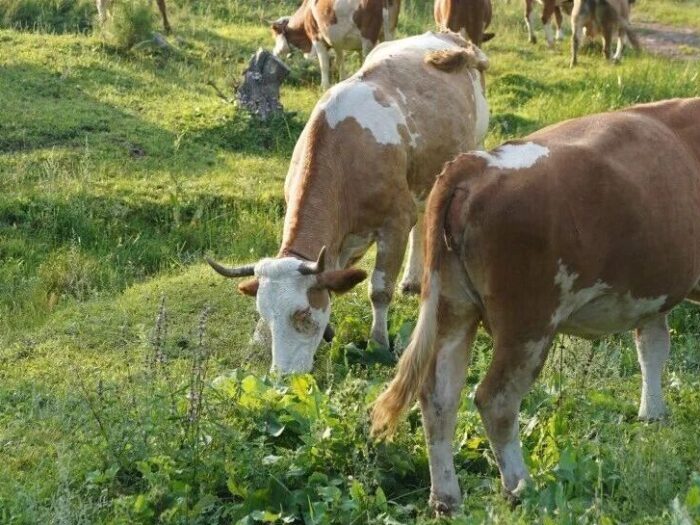
Cattle prices have fallen from thirty thousand to six or seven thousand yuan; cattle-keeping households in Leyi Village, Heshun County, have shrunk from over twenty to three. Gone with the empty cowsheds: hillside dǎo xiē dǎo xiē chatter, walkie-talkie calls, and a newborn calf’s promise.
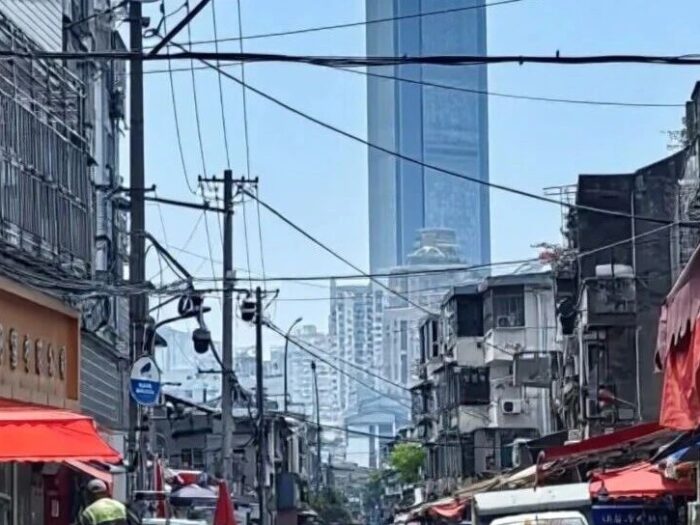
From the decline of Huanglong Wholesale Market to holding her ground at Shuangjingtou Wet Market, fifty-year-old Xu Yunyan supports her family through a ginseng and antler dried goods shop. Refusing e-commerce and livestreaming, she relies on word of mouth and serves only retirees.
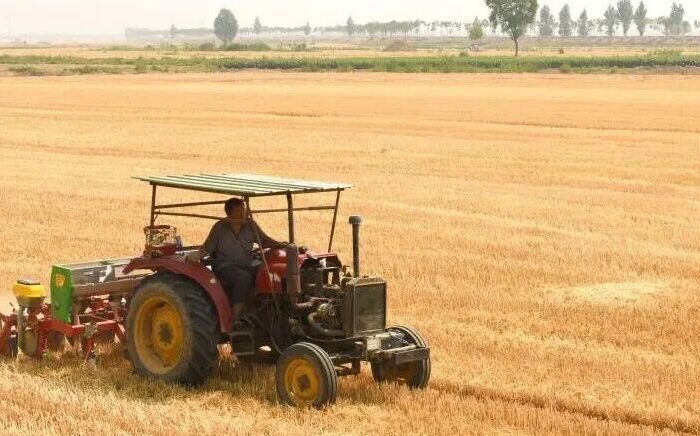
Heilongjiang permits orderly burning, yet Hebei farmers remain unaware: ‘Start a fire and they’ll detain you.’ After over a decade of straw return in Quzhou and Fengfeng Mining District, poor emergence, more pests, rising spray costs draw one shrug: “Not a big deal” — yet they’d far rather burn.
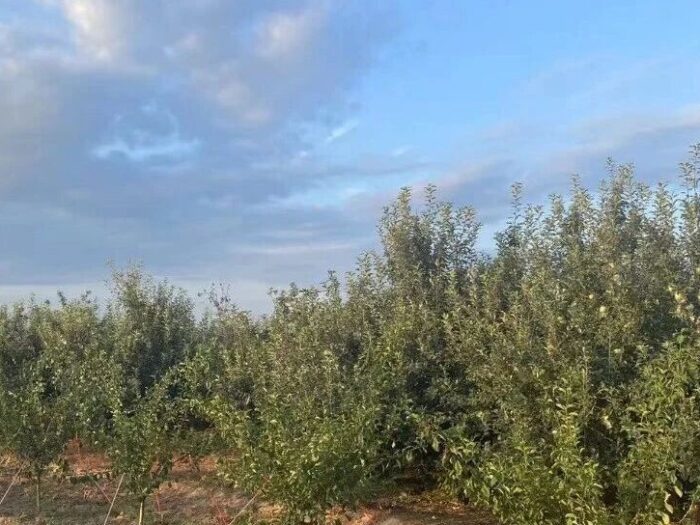
Qinguang gave way to Fuji, Fuji was uprooted for grain, grain brought in no money—peaches and plums went in. Dad, close to seventy, tallies next year’s accounts between the wheat rows, and whether they will still sell in a few years, no one can say.
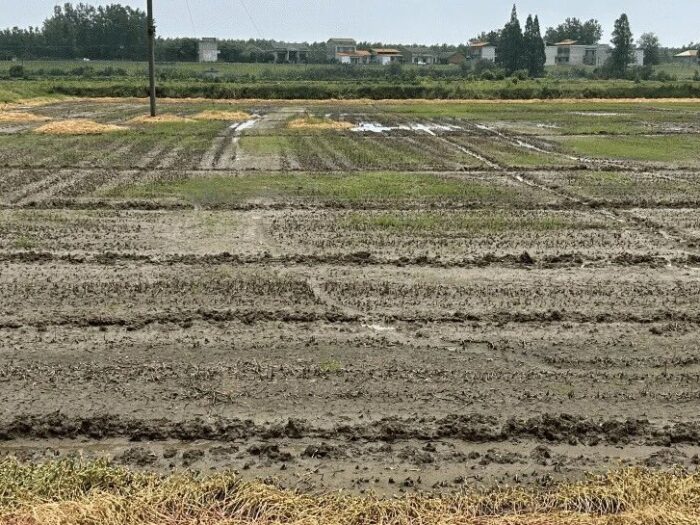
After the straw-burning ban, rice farmers in the Dongting Lake area of Hunan paid an extra 60–80 yuan per mu for straw shredding, rotary tillage and pesticide spraying — yet the rice stem borers overwintering in rice stubble have grown more numerous year on year.

Musang King and Black Thorn oversupply triggered this year’s Malaysian “durian tsunami”. Balik Pulau’s Kampung old-tree smallholders are caught in it: tree-ripened fruit has an extremely short shelf life, sold cheap or discarded first – and many farmers have already felled their old trees, switching to grafted premium cultivars.

The New York State Attorney General’s Office and the Environmental Working Group sued Brazil’s JBS and the US-based Tyson Foods over allegedly misleading “climate-friendly” beef labels. Both cases settled in 2025, yet “natural”, “recyclable” and “zero additives” claims still flood the shelves.

Since suburbanisation in the 1930s, motorways, fertiliser agriculture and plastics have welded American life to oil — a dependence that feeds, and is fed by, successive military operations. After the bicycle, is there another road?