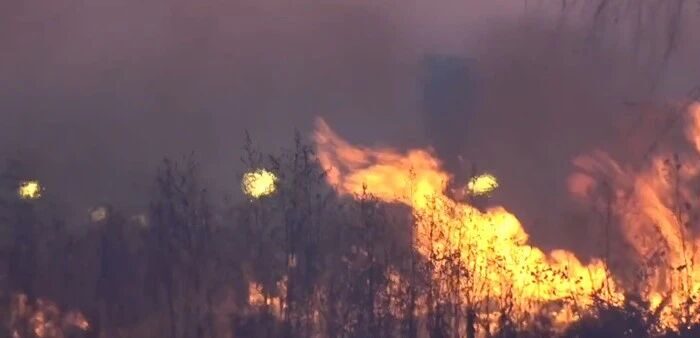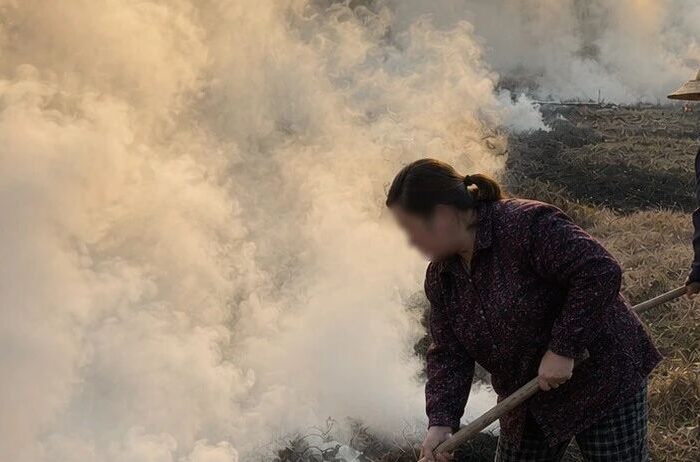
Autumn 2025: a village in Hunan’s Dongting Lake area enforced the strictest burn ban in history. Village cadres patrolled day and night for three months and spent 400,000 yuan — yet villagers still burned away nearly a thousand mu of straw in the blind spots of tower cameras.
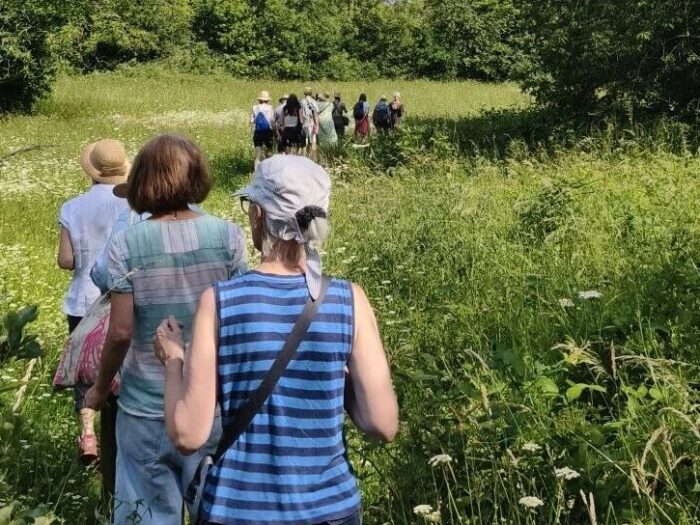
Dutchman Metske began with a vegetarian restaurant in the squatting movement. He farms roughly 6.5 acres of heavy clay in Kent, using wildflower strips to support ecological balance and grow seasonal vegetables – selling at north London’s organic farmers’ market every Saturday.
In recent years, Foodthink has tracked e-commerce platforms’ impact on food and labour: “ghost-kitchen delivery” made by platform subsidies, order pickers at 30,000 steps for 3 fen, Guangzhou wet markets squeezed by fresh-food e-commerce, 100 million daily orders in layers of plastic, and worldwide practices exploring another possibility.
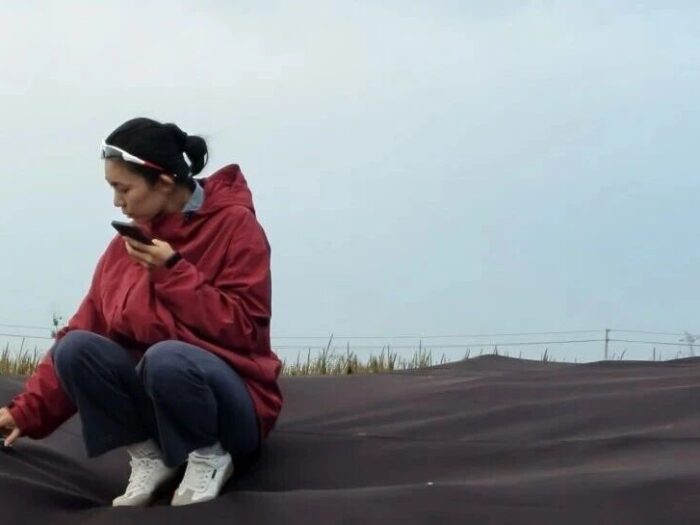
Xian Zi, a post-2000 graduate student at China Agricultural University’s Science and Technology Backyard in Quzhou, built an organic fertiliser plant with villagers to turn chicken manure that livestock keepers pay to clear back into field fertiliser – but found the barrier not technology, only reality’s “input and output” ledger.
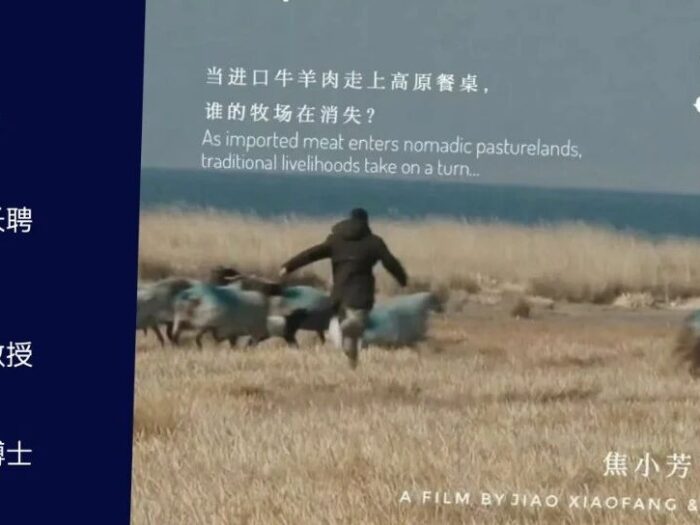
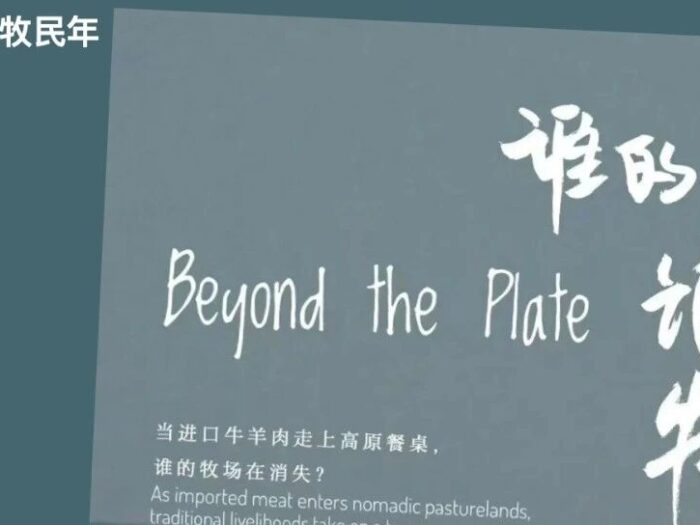
The award-winning documentary Whose Table, Whose Pasture documents the reality of plummeting cattle and sheep purchase prices and damaged livelihoods among herders after imported frozen meat flooded Qinghai’s markets. It will be screened at Zhejiang University on 12 June, followed by a discussion between food systems scholars and the audience.
Over a decade since the 2016 straw burning ban became a political priority in the three northeastern provinces, Heilongjiang’s Hulan, Bayan and Bin County farmers and cadres proved: ridges wrecked by outsiders, stubble after baling, rice stalks never fully cleared — all for one burning window before spring planting.
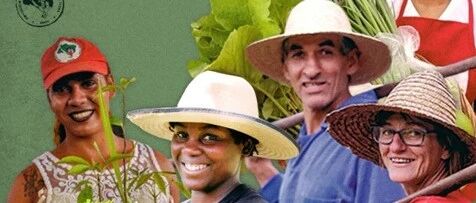
Brazil’s Landless Workers’ Movement (MST) built Concentra in Belo Horizonte, pooling market support work — compliance certification, warehousing, logistics — so dispersed smallholder produce can reach market at scale. Not easily transplanted, the experience points to a key path: turning what no individual can shoulder alone into collective capacity.
Foodthink will screen the documentary Whose Table, Whose Pasture in Ürümqi, documenting the livelihood impact on herders around Qinghai Lake after imported frozen meat flooded the market. After the screening, local Xinjiang organisations and guest speakers will discuss pastoral and herder issues.
Experiments by Harvard professor Chensheng Lu, beekeeper Kenneth Walhol and entomological toxicologist Richard Callahan confirmed that low doses of neonicotinoid insecticides enter soil, water and the food chain through seed coating, causing entire bee colonies to vanish and ultimately reaching human dinner tables.
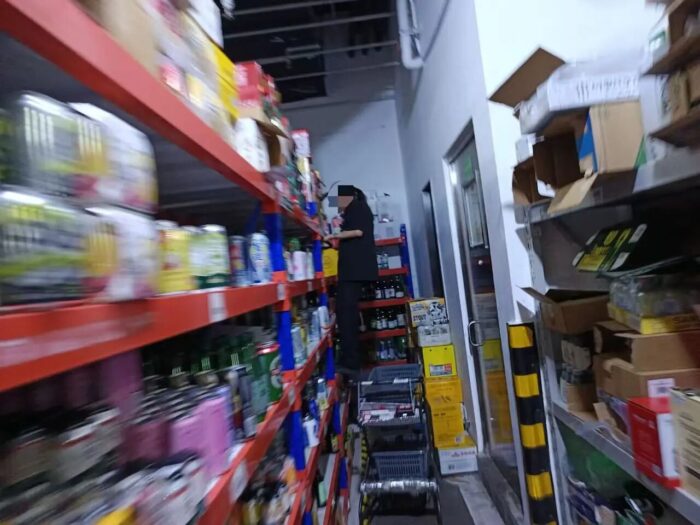
Working part-time as a Picker at Xiaoxiang Supermarket: three minutes per order, pay based on “effective working hours”, and continuous sprinting between the sub-zero freezer and tall shelving units. Mis-picks and omitted items are inevitable structural problems under this speed regime.