After four years “infiltrating” e-commerce livestream teams and nine months merchandising, Duan Shichang found rural livestream rooms hiding a tug-of-war between ‘new-generation farmers’ and the algorithm: the grandmother selling salted duck eggs might be an actor, suffering is commodified, and “algorithm lore” is their path to breaking through.
New harvesters with large grain tanks have left Fourth Uncle, the village’s last “bag catcher”, completely out of work. Small-scale farmers have done the sums: one smart machine costs as much as two or three conventional ones, so they still opt for second-hand Dongfanghong diesel tractors.
The year grandmother opened the shop, customers still brought empty drink bottles to fill with loose soy sauce; now mother hands regulars their usual brand from memory, while the daughter far off in Wuxi returns each Chinese New Year for a few days as the stall’s “second-in-command”.
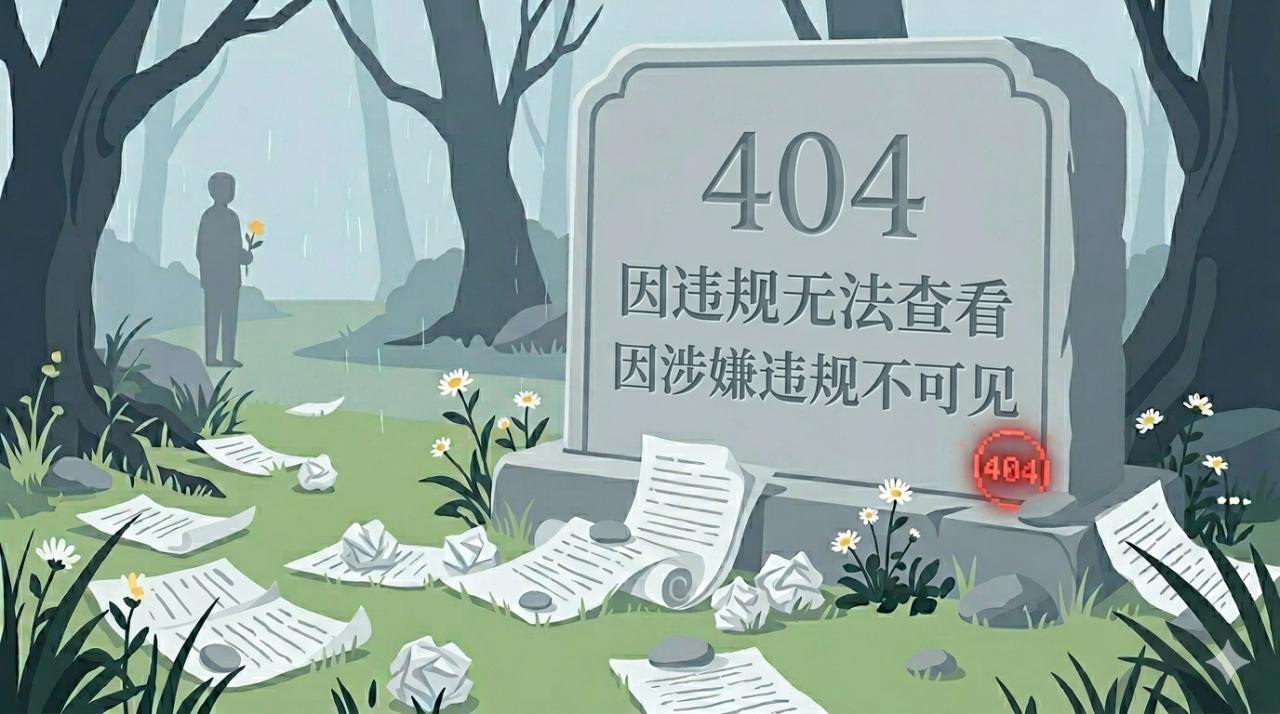
In 2025, Foodthink’s removed articles covered food-delivery rider labour, mouldy grain during North China’s autumn harvest, rural heating in Hebei and high-standard farmland — most were not “sensitive topics”, merely widely known facts. Reader comments are deleted faster and faster; the space for public discussion is narrowing.
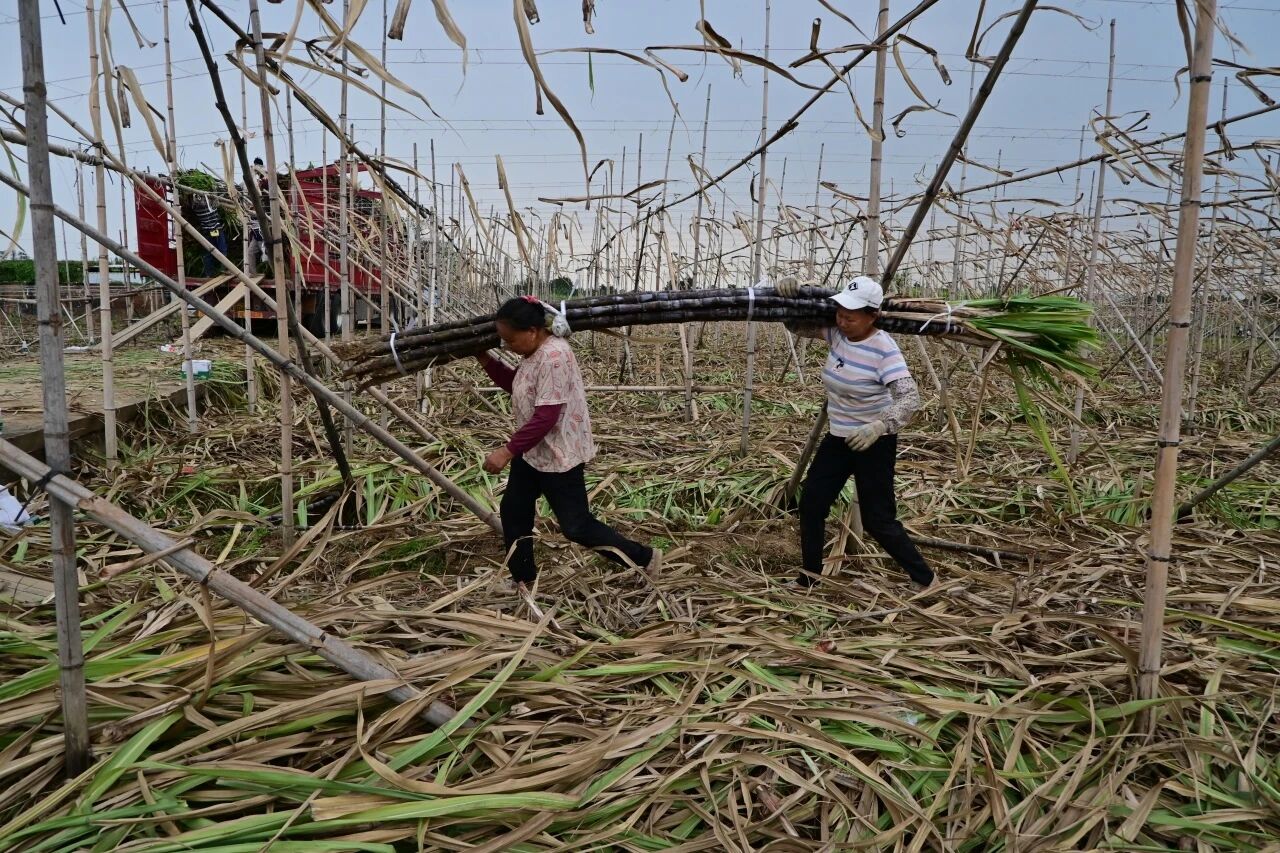
In Lanhe Town, Nansha, Guangzhou, the buying price of black-skinned sugarcane has plunged from nearly 100 yuan to 5 yuan. Farmers over 50 give their cane away for free to clear land before the spring ploughing window, yet farmland policy means they can only keep planting sugarcane.
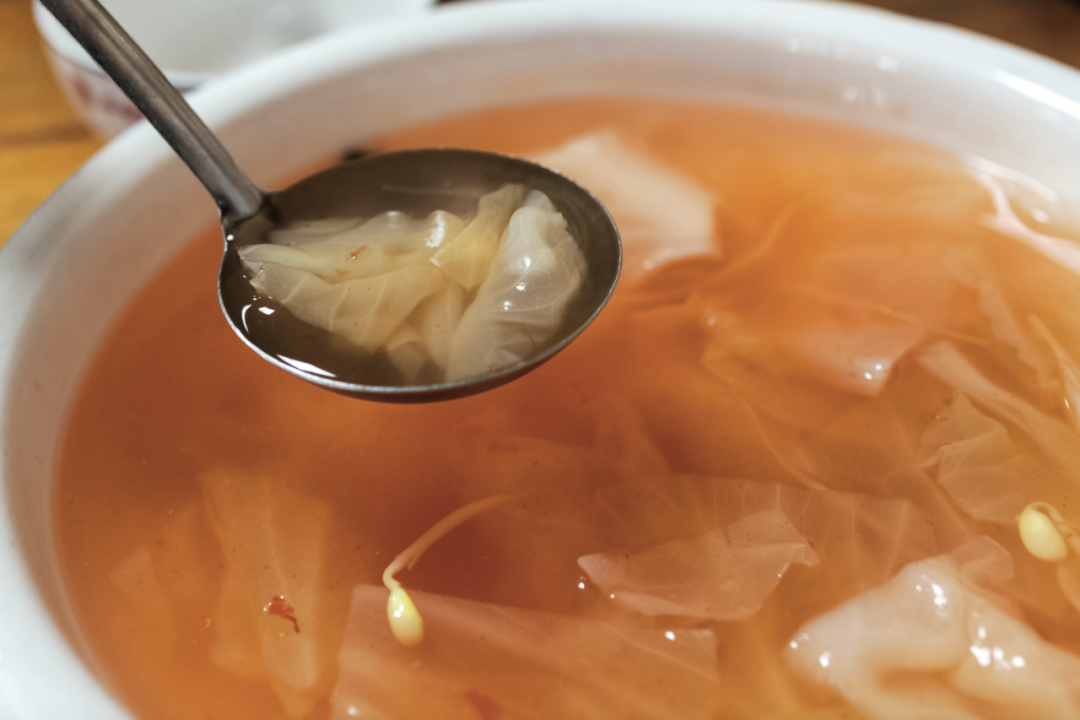
Mother wept before the sauerkraut crock in the abandoned courtyard of the family home in Heilongjiang. Back in Beijing, this generation dug out Fermented Food and pickled their first-ever crock of sauerkraut.
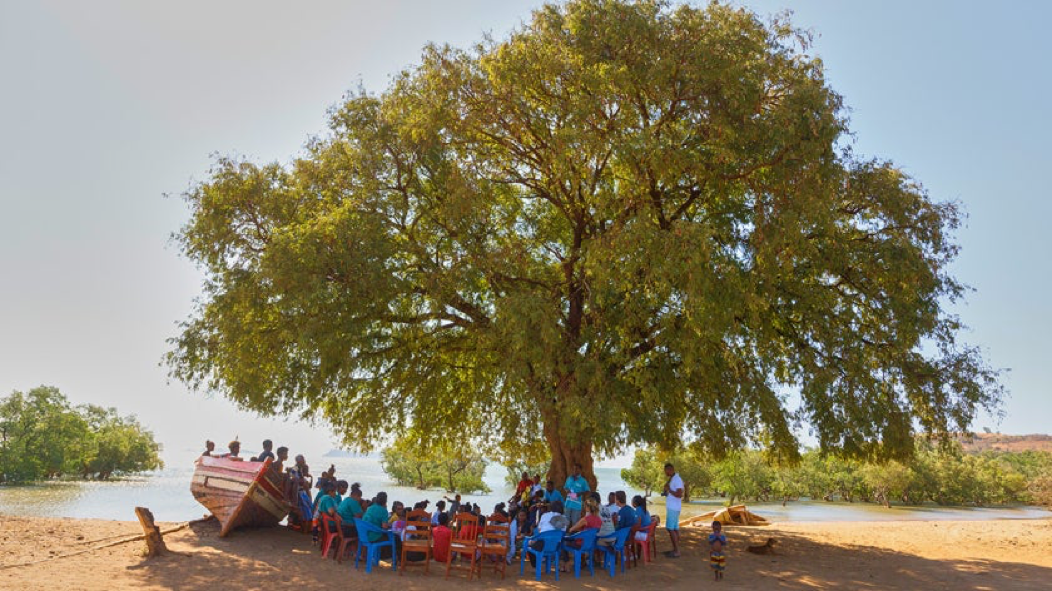
Fishermen in Satun and Trang provinces treat the mangroves as a “larder”, running their own restaurant, processing seafood and offering eco-tourism – turning the community marine-management rights they fought for into a livelihood that feeds their families.
A northern girl grows sugarcane in buckets; a PhD student dissects brown planthoppers in the lab. Four agronomy students leave school brimming with passion for the land – only to face career hesitation and the industry–academia–research disconnect.
After storms razed homes, national parks barred fishers from rebuilding elsewhere; dredging killed seagrass beds, starving scores of Dugongs; carbon sink projects eye the mangroves. Fishers in Trang and Satun use bamboo to reclaim land, run Crab banks, co-manage with government – defending their own sea, bit by bit.
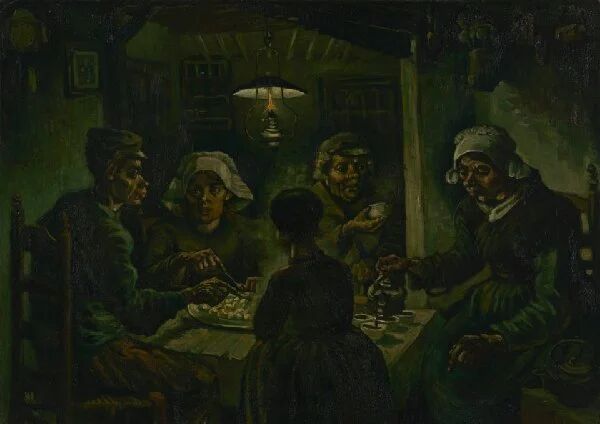
Mercosur and the EU formally signed their free trade agreement after nearly ten thousand farmers hurled potatoes at EU headquarters in Brussels. Grain-price trauma, double environmental standards and transition costs stack up—fairly, who bears the cost of green transition? China’s low-carbon agriculture faces the same question.