
The Potato Throwers
Foodthink Says
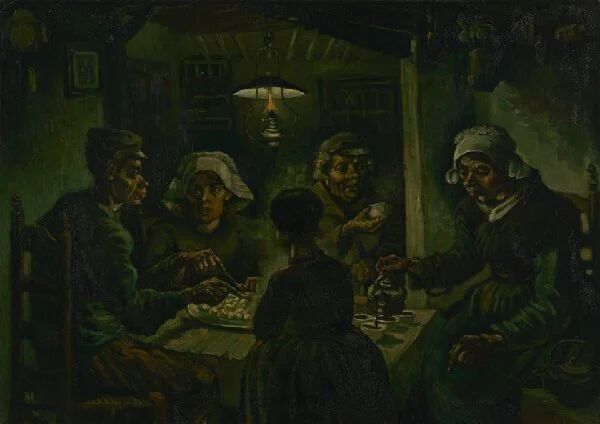
Last winter, at the Van Gogh Museum in Amsterdam, I came face to face with Van Gogh’s celebrated masterpiece The Potato Eaters (1885). In the painting, under the dim glow of lamplight, a family sits around a table at supper; on the board there is nothing but a single plate of steaming boiled potato chunks and a few cups of coffee.
The potato was once the emblematic food of rural European subsistence, a symbol of the dignity of Europe’s humblest workers. To this day, it remains one of Europe’s most important agricultural products. What Van Gogh wished to say through this painting is precisely this: “These people eating potatoes by the light of an oil lamp have tilled the earth with the very same hands they now dip into the dish; and so it tells of manual labour, of how they have honestly earned their food.”
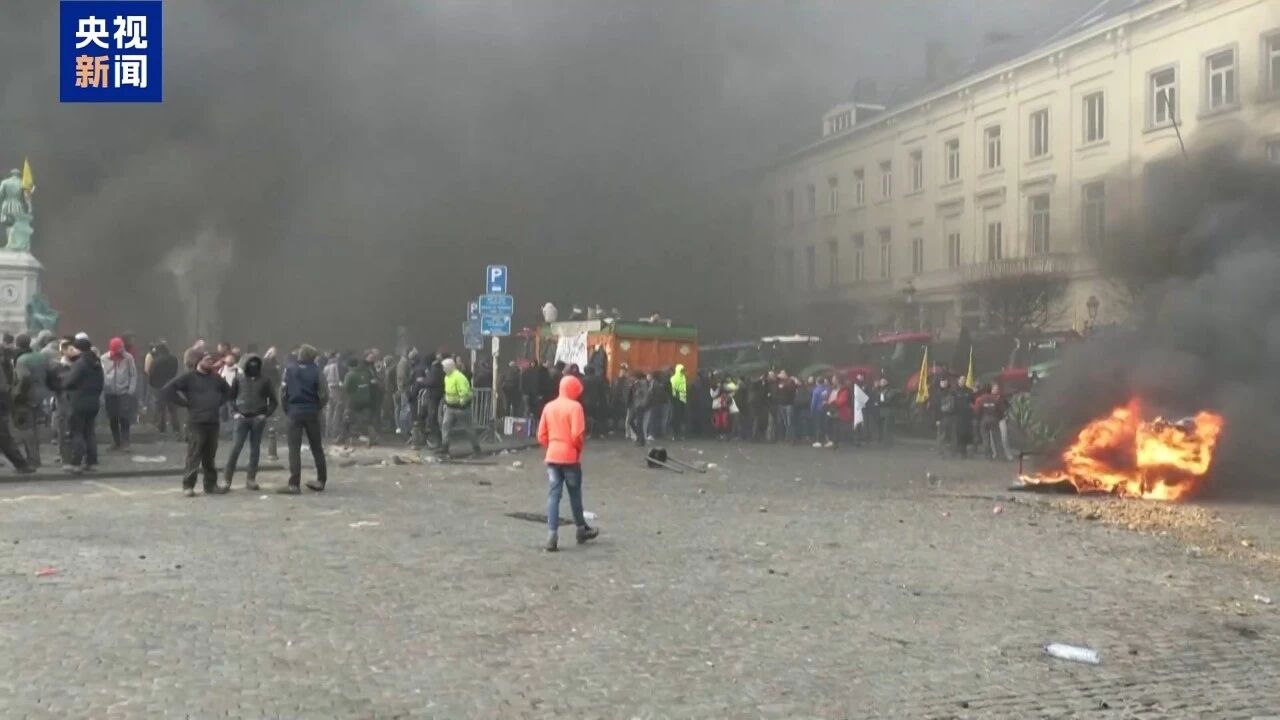
As I left the museum, still savouring the painting, a breaking-news alert suddenly popped up on my phone. Some 200 kilometres from where I stood, on the streets of Brussels, nearly ten thousand farmers from across the EU were staging a protest. And the “weapons” in their hands? Potatoes, freshly dug from their own fields.
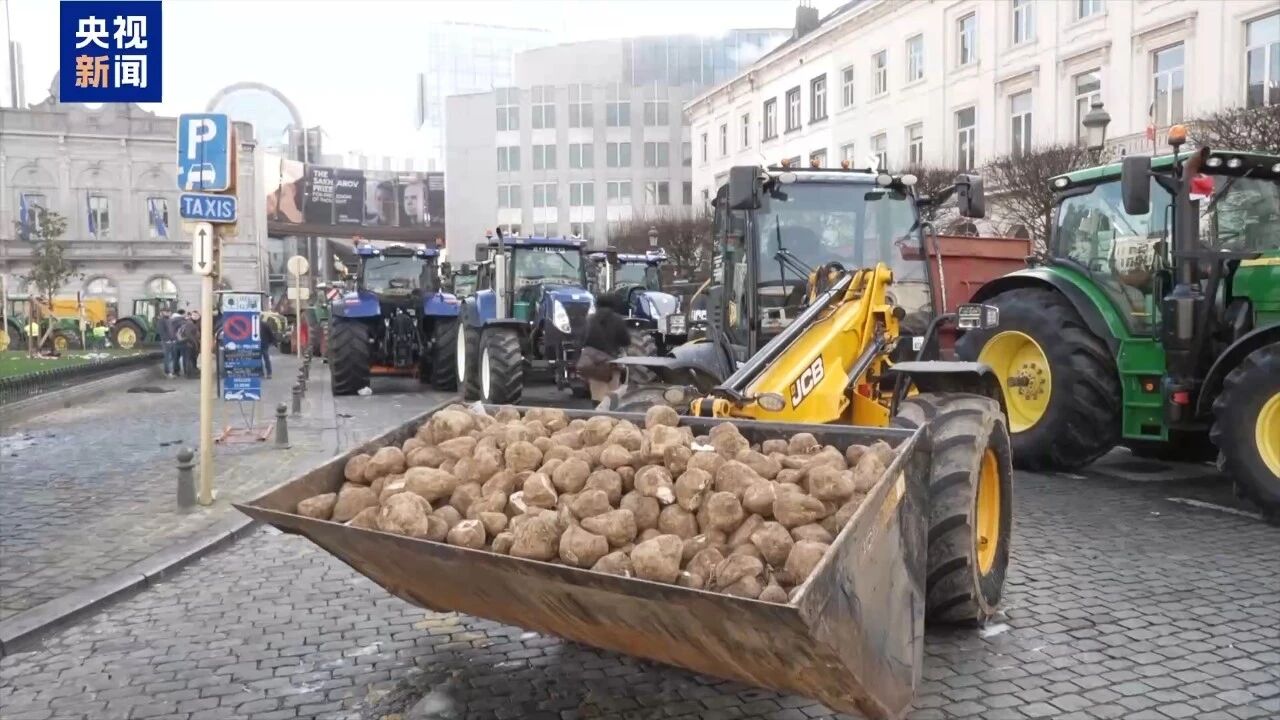
What stirred EU farmers to take to the streets was the EU–Mercosur Trade Agreement, then being negotiated inside EU headquarters and on the verge of being signed. Since negotiations for the agreement began in 1999, opposition and protests from EU farmers have never let up.
Why are EU farmers so fiercely and persistently opposed to this agreement?
I. Memories of the Grain-Price Trauma
The roots of this wound lie in the guns of the Black Sea. After the outbreak of the Russia–Ukraine conflict, Ukraine’s maritime grain-export routes via the Black Sea were cut off, and shipments were instead channelled overland into landlocked European countries. In response, the EU introduced “Autonomous Trade Measures” (ATMs) in June 2022, temporarily suspending import tariffs and quota restrictions on Ukrainian agricultural products. Although this measure was formally terminated in June 2025, the earlier goodwill gesture of removing tariffs had produced unforeseen consequences.
Because overland transport costs are higher, large quantities of Ukrainian grain, poultry and other agricultural products did not make it to more distant markets but instead lingered for sale in the lower-cost neighbouring Eastern European markets of Poland, Hungary and elsewhere. The flood of cheap produce inevitably crushed local market prices in Eastern Europe, yet the EU failed to provide any effective market protection or compensation.
During the farmer protests in Brussels, a Polish demonstrator told interviewers that “wheat prices in Poland have fallen by half—dropping from over 1,000 zlotys per tonne to 600 zlotys (Note: roughly equivalent to RMB 1,300 at the time), and it is not just wheat. Poultry, honey and many other farm products are affected too.”
This EU market-opening policy, triggered by the Russia–Ukraine conflict, brought farmers more than an economic shock; it was a crisis of trust. Beyond the volatility of market prices, what angered and disappointed farmers even more was the sluggishness and inefficiency of the EU’s belated rescue mechanism.
All the more reason, then, for EU farmers to see no opportunity in the EU–Mercosur Trade Agreement, but rather the spectre of history repeating itself—a foreseeable “market invasion”, larger in scale, cheaper in cost and looser in regulation than the flood of Ukrainian grain.
II. Double Environmental Standards
Since negotiations were launched in 1999, the agreement has been more than twenty-five years in the making. In the early stages, the two sides were deeply divided—over the EU’s high environmental thresholds on one hand and Mercosur’s protection of domestic industries on the other. Although efforts were made repeatedly over the years to push things forward, talks remained deadlocked on the “environment” and “agriculture” issues.
In the past two years, the global geopolitical uncertainty created by the United States has, paradoxically, heightened the urgency of signing the agreement. While multiple rounds of farmers’ protests had previously delayed its conclusion, this time the resistance failed. The agreement was formally signed on 17 January 2026 in Asunción, the capital of Paraguay, yet it still requires approval by the European Parliament and ratification by each Mercosur member state’s parliament before it can officially enter into force.
For EU farmers, this is far more than an ordinary trade document. On agricultural products, the agreement stipulates that the EU will open tariff lines covering 82% of all imported agricultural goods, in exchange for Mercosur implementing tariff reductions on 91% of EU high-value-added products (such as automobiles, machinery and others). At the heart of these negotiations, the EU has used access to its agricultural market as a bargaining chip to pry open growth opportunities for its dominant industrial sectors.
Once the agreement enters into force, the main arteries of the EU agricultural economy—cereals, livestock and beyond—will bear the brunt first, and European agriculture will take a severe blow. This has been the primary spark behind EU farmers’ repeated protests in recent years.
Argentina, Brazil, Paraguay and Uruguay are all major livestock powers. What worries EU farmers most of all are beef products from these core Mercosur member states. The agreement has even been vividly dubbed “cars for beef.”
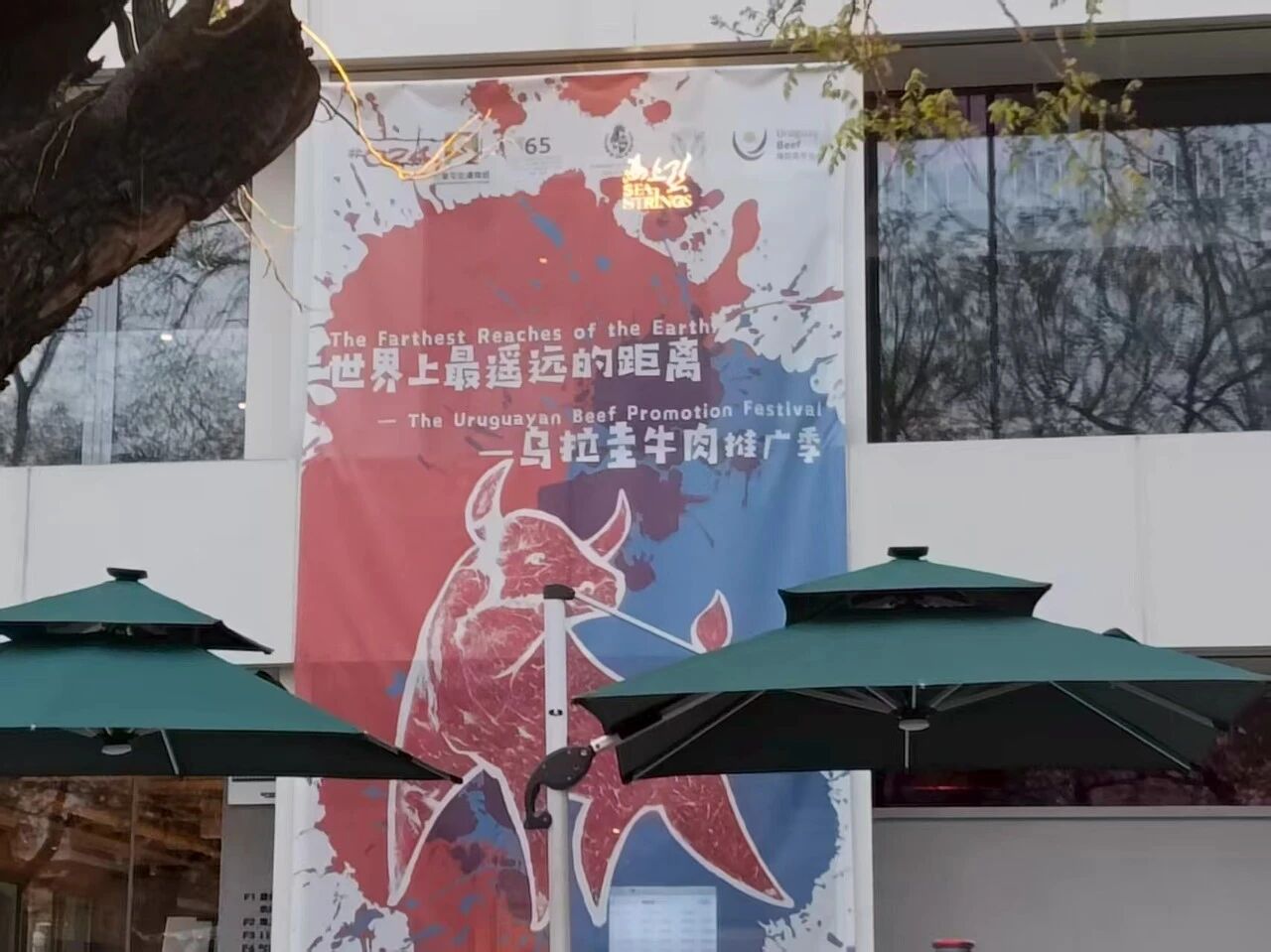
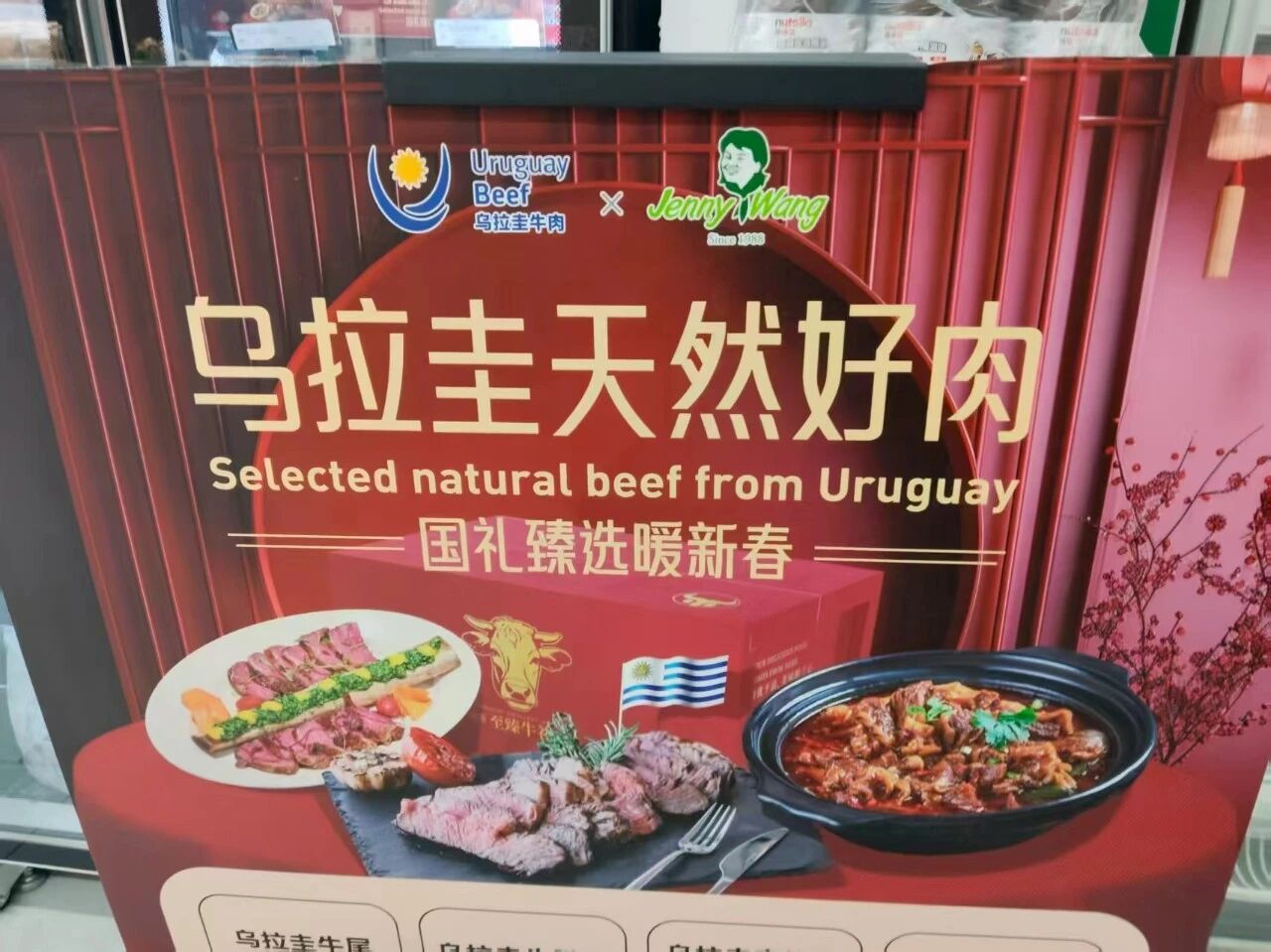
To quell opposition from farmers in EU member states such as France and Poland, the agreement requires strict quota management for the most sensitive agricultural products. Beef, for instance, is subject to an annual quota of just 99,000 tonnes: a preferential tariff rate of 7.5% applies within the quota, while high tariffs are maintained outside it. That volume is equivalent to roughly 1.5% of the EU’s own beef output and less than half the quantity currently imported from Mercosur. Poultry, pork and other products carry similar quota restrictions.
Yet this ostensibly free and fair trade agreement, because of the disparities in production resources and standards between the two sides, has left EU farmers without the means to compete against Mercosur’s livestock industry from the very start.
Behind Mercosur’s formidable livestock capacity and export competitiveness lie environmental and regulatory costs that are routinely overlooked.
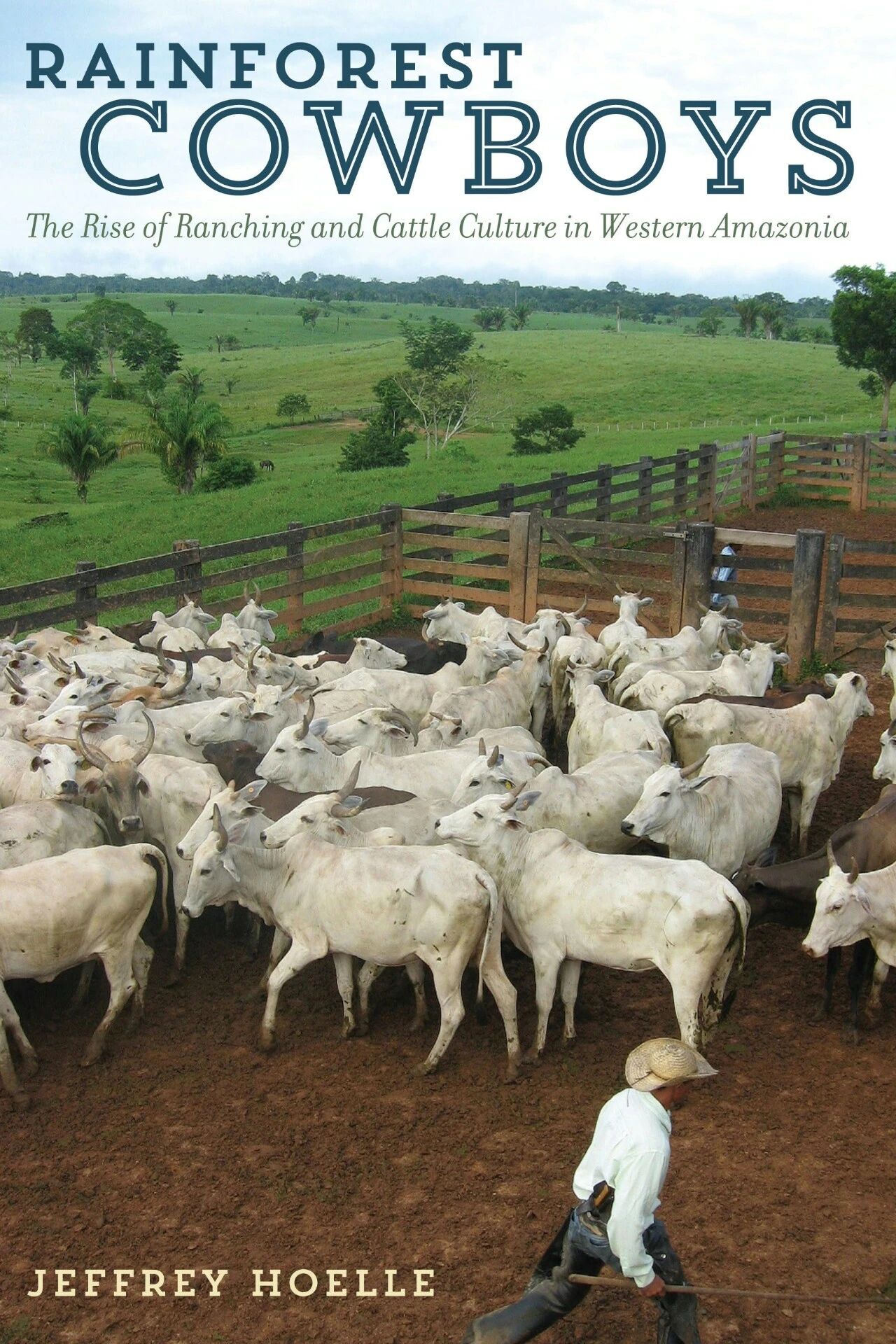
South America’s price advantage in beef rests on the region’s vast grasslands and enormous herd sizes, yet this natural bounty is being drawn down without limit. In Brazil, roughly seventy per cent of deforested Amazon land has been converted to cattle pasture. Beyond the expansion of grazing land, large-scale monocropping of soybeans and other legumes to produce animal feed is also sacrificing the biodiversity of the Cerrado. At the same time, relentless deforestation and livestock operations generate enormous carbon emissions, further accelerating global climate change. In 2025, Brazil overtook the United States for the first time to become the world’s largest beef producer.
III. The Noose of Green Agricultural Transition
Yet it is the farmers who will shoulder these exorbitant transition costs. They must invest in new equipment, switch to costlier organic inputs, and leave part of their land fallow in exchange for eco-subsidies.
Although the EU’s Common Agricultural Policy channels subsidies back into supporting the transition, practical problems such as disputes and lengthy timelines persist. The critical issue is that the subsidies the EU can offer are mostly geared towards ongoing support during the transition rather than seed capital for upfront investment. The World Business Council for Sustainable Development (WBCSD) estimates upfront costs at roughly €2,000 to €5,000 per hectare, with payback periods stretching to nine years; even with subsidy support, farmers still face a funding gap. Moreover, on the goal of halving chemical pesticide use, research simulations suggest that transitioning cereal and oilseed production to greener methods would carry a degree of yield-loss risk. Farmers are caught between environmental imperatives and the need to make a living.
More troubling still, the distribution of subsidies itself is structurally skewed. Data show that 80% of agricultural subsidies flow to just 20% of agricultural operators. This policy tilt towards large, technologically advanced enterprises means the small and medium farmers who most need help are left out. Meanwhile, energy-price volatility and the market uncertainty brought on by trade competition have further eroded farmers’ confidence in undertaking a green agricultural transition—after all, it is a long-term, high-risk investment.
IV. Green Transition Cannot Be “Carried” by Farmers Alone
At the heart of EU farmers’ protests lies not a rejection of agricultural transition, but a demand: who should bear the cost? When market liberalisation and high environmental standards proceed simultaneously, the costs tend to land first on producers.
And this is no predicament unique to the EU. “Green agriculture” first appeared in the Central No. 1 Document in 2016; the 2026 edition introduced the term “low-carbon agriculture” for the very first time. Chinese agriculture, too, has set out on its path of transition.
A report titled Green Agricultural Transition in the Context of Chinese-Style Modernisation, published in February this year and written by state-affiliated experts and scholars with the participation of multiple civil-society organisations, puts forward the following: China has pursued rapid agricultural modernisation and green agricultural transition in parallel over a short timeframe, producing a “parallel-track” effect—with traditional petroleum-based agriculture and green agriculture coexisting side by side, and a gap persisting between the formulation and the implementation of green agriculture policy. Across different farming entities, regions and modes of operation, the pace and direction of green transition vary considerably, displaying marked diversity. Tensions also persist between standardised large-scale agriculture and the diverse smallholder sector in the course of transition. Moreover, China contends with a vast population, escalating consumption expectations and scarce resources per capita.
When policy ideals descend into the fields and across the furrows, can “green” truly become a choice that farmers can afford, understand, trust and sustain? Or will it become yet another task imposed from above?
In practice, green agricultural inputs command a steep premium over conventional products. Fully biodegradable mulch film, for instance, often costs more than twice as much as ordinary mulch film, while procurement and transport costs for organic fertiliser have been rising year on year. For the smallholders who farm on scattered plots, this means a sharp escalation in per-farm input costs.
Yet against the backdrop of low grain prices and dwindling arable land, farmers have grown accustomed to a “high input, high output” model built solely on volume growth. On one side, chemical fertilisers and pesticides deliver results the very same season; on the other, green transition demands a long wait, with returns visible only after three to five years at the earliest. Faced with putting food on the table, farmers have almost no room to hesitate.
At the same time, the green agricultural transition faces a barrier in technology extension. Breaking free from dependence on chemicals, boosting yields and quality through soil improvement, and mastering complementary agronomic techniques all require systematic, experience-based guidance. The capacity to absorb new practices varies widely among farming households; the current backbone of grain cultivation—farmers who, nudged by agri-input dealers and policy alike, have relied on chemical fertilisers and pesticides their entire lives—have, in a sense, even been “deskilled”. Retraining them to farm in ecologically green ways is no easy feat.
Along the path of green agricultural transition, farmers in China face not only the challenges of day-to-day production but also certain “invisible” hidden costs. When stubble burning is banned across the board with a blanket prohibition, environmental pressure appears to ease, but the labour and machinery costs of stubble disposal are shifted onto individual households, with no adequate compensation mechanism in place. On the thorny question of stubble management, many regions have begun exploring different approaches, working towards collaborative mechanisms guided by government and driven by market participation.
Yet even so, a deeper problem remains: green transition is far more than a matter of technology and subsidies—it is about the structure of returns.
In the current agricultural product market system, a stable premium mechanism for green products has yet to fully take shape. The signal that consumers are willing to pay more for “green” is often diluted layer by layer through the supply chain, making it difficult to reach producers directly and precisely. Farmers bear upfront investment and risk with their own hands, yet may not receive stable market returns, leaving green agriculture in practice still mired in a state where “policy drives more than the market”.
Beyond this, the generational structure of producers is shifting. New-generation farmers, representing the newer agricultural operators, identify more strongly with the long-term value of ecological agriculture, are willing to embrace and proactively learn new technologies, and find it easier to access information on policy subsidies. Yet they, too, face practical difficulties: high land transfer costs, financing constraints and unstable farm sizes. By contrast, the older generation of farmers brings a wealth of experience but tends towards caution and conservatism.
And so, the key to green agricultural transition may lie not in how advanced the ideals are, but in whether a mechanism can be built in which government, producers, businesses and consumers jointly share risk and share reward. If costs surface only on the production side while returns remain trapped in the distribution chain or on the pages of policy documents, transition will inevitably be accompanied by fracture.
The “potato cannonballs” in the streets of Brussels remind us that every structural transformation must answer the same question:
How, in the end, can institutions distribute the cost of the ideal with true fairness?
https://www.vangoghmuseum.nl/en/collection/s0005V1962
[2] CCTV Live Report | Tens of thousands of farmers from across Europe gather in Brussels to protest
https://news.yunnan.cn/system/2025/12/19/033788429.shtml
[3] EU Potato Sector: Production and Trade in 2023
https://www.patafest.eu/news/eu-potato-sector-production-and-trade-2023
[4] German farmers harvest 2,000 tonnes of potatoes but discard 400? Germany faces a “potato surplus crisis”; experts say it is no accident
[5] Mercosur and the EU formally sign free trade agreement
https://www.news.cn/20260118/f31218c5b1c244fb84b7938ac343bc59/c.html
[6] After 25 years of talks, the “Trump Doctrine” accelerates signing of EU–Mercosur free trade agreement
https://www.thepaper.cn/newsDetail_forward_32399943
[7] Polish farmers: EU support for Ukraine should not harm Polish interests
http://news.cnhubei.com/content/2023-12/14/content_17104820.html
[8] EU removes tariff exemption on Ukrainian agricultural products
https://m.gmw.cn/2025-06/06/content_1304052885.htm
[9] We will not take on Ukrainian grain! Black Sea corridor barely cut off, five countries including Poland issue “self-protection statement”
https://m.cls.cn/detail/1410106
[10] Brazil overtakes the United States as the world’s largest beef producer
https://swt.fujian.gov.cn/xxgk/jgzn/jgcs/mzdyzc/gbxx_553/202601/t20260119_7081982.htm
[11] Halting the expansion of pasture in the Brazilian Amazon
https://www.sciencedirect.com/science/article/pii/S2590332224005360#bib1
[12] Long-term relationships of beef and dairy cattle and greenhouse gas emissions: Application of co-integrated panel models for Latin America
https://agris.fao.org/search/en/records/6748c35c7625988a3720a48b
[13] What the European Green Deal means when exporting to the EU
[14] Italy secures protection for 58 food products in Mercosur deal as the Geneva Act expands Geographical Indication safeguards
[15] The European Green Deal
https://commission.europa.eu/strategy-and-policy/priorities-2019-2024/european-green-deal_en
[16] Pesticide reduction targets – Progress
[17] Trends in the use and risk of chemical pesticides and in the use of more hazardous pesticides
[18] European Green Deal: Commission prepares new initiatives to boost the organic farming sector
[19] Closing the Gap: An analysis of the costs and incentives for regenerative agriculture in Europe
[20] The impact of the EU’s farm-to-fork strategy on member states’ economies: which countries will suffer the most?
https://link.springer.com/article/10.1186/s40100-025-00354-w
[21] Country Watch – EU | Reporter’s Notebook: Agricultural Policies “Out of Touch,” European Politics May “Swing Right over Farming”
https://www.news.cn/world/20240411/ee5f8c36b27f4a0b8a3427cf63941f84/c.html
[22] How Can Agricultural Development Get Back on the “Green Track”?
https://caas.cn/xwzx/mtxw/0ad3c984ed494885994c7431969f437a.htm
[23] A Review of Four Years of the Central No. 1 Document: How Have Ecological Requirements Changed?
https://sthjj.km.gov.cn/c/2023-02-21/4677027.shtml
[24] Bridging the “Last Mile” in Green Agricultural Technology Extension
https://xczx.fjsen.com/2025-05/19/content_31906595.htm
[25] Growing Fruit: Why Are Orchard Farmers Reluctant to Use Organic Fertiliser?
[26] Why Are Organic Fertilisers and Biopesticides So Hard to Adopt? The Truth Behind Green Agriculture’s “All Praise, No Sales”—and the Solutions
https://mp.weixin.qq.com/s/kKBxxQmmXCpPV6sHj-sA-w
[27] The Sower – Van Gogh Museum official website
https://www.vangoghmuseum.nl/en/collection/s0029V1962

Editor: Xiaodan