GRAIN’s report tracks the carbon credit projects Bayer, Cargill and other agrichemical companies are pushing on Asia’s farmland: farmers locked into decades-long contracts dictating their practices, getting just about 10% of the revenue, and bundled into buying seeds and pesticides.
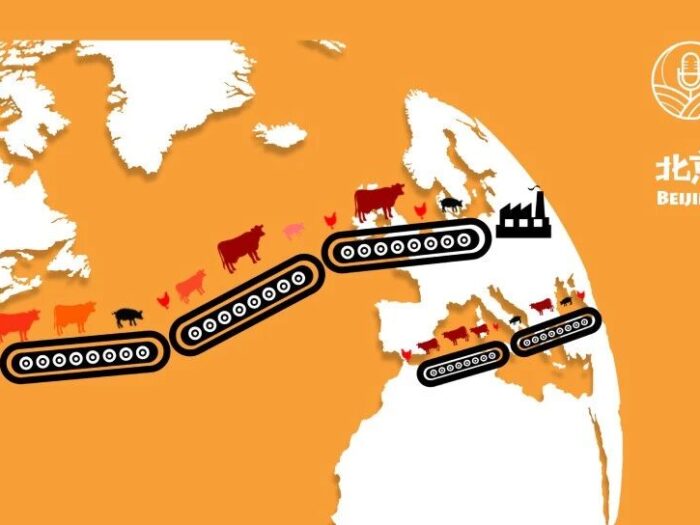
Foodthink invites Leila Yow, Climate Programme Officer at the Institute for Agriculture and Trade Policy (IATP), to discuss the monopoly landscape of global meat and dairy companies, their climate impact, and policy paths to rein in corporate power – this Friday, 11 September, in Beijing and online.
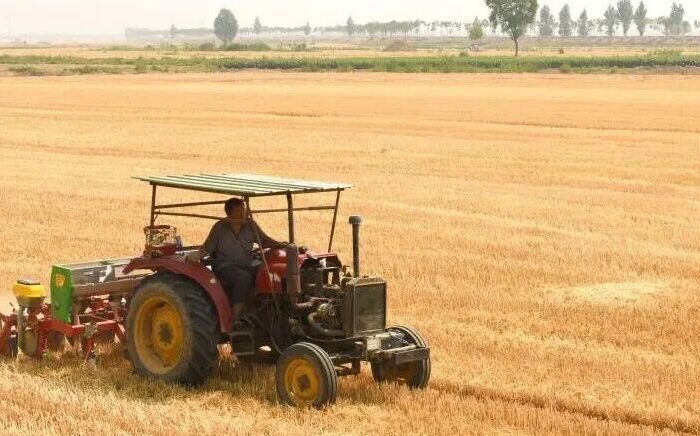
Heilongjiang permits orderly burning, yet Hebei farmers remain unaware: ‘Start a fire and they’ll detain you.’ After over a decade of straw return in Quzhou and Fengfeng Mining District, poor emergence, more pests, rising spray costs draw one shrug: “Not a big deal” — yet they’d far rather burn.
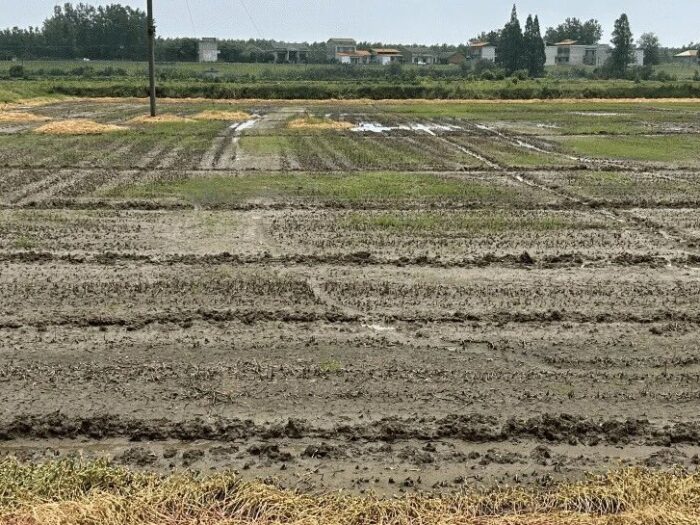
After the straw-burning ban, rice farmers in the Dongting Lake area of Hunan paid an extra 60–80 yuan per mu for straw shredding, rotary tillage and pesticide spraying — yet the rice stem borers overwintering in rice stubble have grown more numerous year on year.
The New York State Attorney General’s Office and the Environmental Working Group sued Brazil’s JBS and the US-based Tyson Foods over allegedly misleading “climate-friendly” beef labels. Both cases settled in 2025, yet “natural”, “recyclable” and “zero additives” claims still flood the shelves.
Autumn 2025: a village in Hunan’s Dongting Lake area enforced the strictest burn ban in history. Village cadres patrolled day and night for three months and spent 400,000 yuan — yet villagers still burned away nearly a thousand mu of straw in the blind spots of tower cameras.
Dutchman Metske began with a vegetarian restaurant in the squatting movement. He farms roughly 6.5 acres of heavy clay in Kent, using wildflower strips to support ecological balance and grow seasonal vegetables – selling at north London’s organic farmers’ market every Saturday.
Over a decade since the 2016 straw burning ban became a political priority in the three northeastern provinces, Heilongjiang’s Hulan, Bayan and Bin County farmers and cadres proved: ridges wrecked by outsiders, stubble after baling, rice stalks never fully cleared — all for one burning window before spring planting.
Experiments by Harvard professor Chensheng Lu, beekeeper Kenneth Walhol and entomological toxicologist Richard Callahan confirmed that low doses of neonicotinoid insecticides enter soil, water and the food chain through seed coating, causing entire bee colonies to vanish and ultimately reaching human dinner tables.
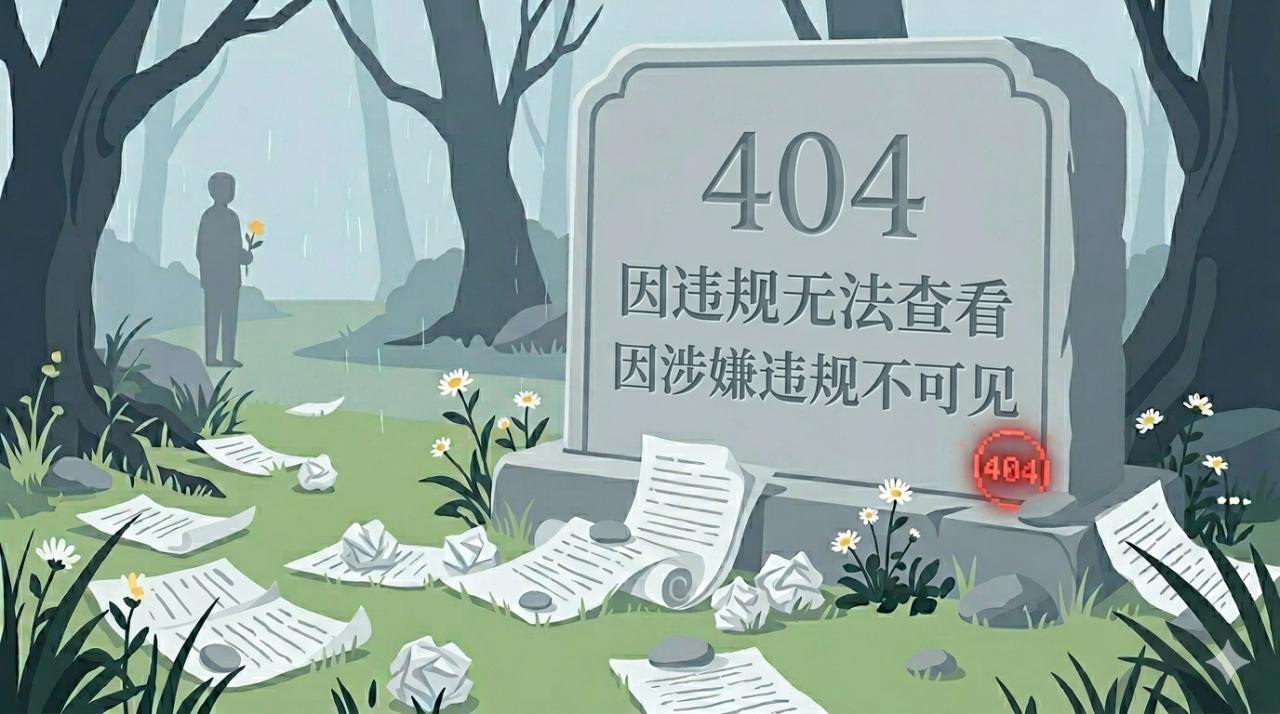
In 2025, Foodthink’s removed articles covered food-delivery rider labour, mouldy grain during North China’s autumn harvest, rural heating in Hebei and high-standard farmland — most were not “sensitive topics”, merely widely known facts. Reader comments are deleted faster and faster; the space for public discussion is narrowing.