In the End, They Still Burn! What Detours Has Northeast Straw Return Taken?

In late April, farmers across Heilongjiang are busy with spring planting. In keeping with local farming practice, they first burn the fallow — that is, set fire to the straw — then till the soil and sow. Driving along the roads, one catches glimpses now and then of small wisps of white smoke rising from the fields. And the aftermath of a burn is equally ubiquitous — charred corn roots and rice stubble, everywhere one looks.
By this point, the burning season is drawing to a close. Over the past month or so, straw has been burned off in field after field across northeastern farmland, becoming a significant contributor to local air pollution this spring. On 1 April, a multi-vehicle collision and fire broke out on the Suihua section of the Heihe–Harbin Expressway, caused by straw burning in the surrounding areas.
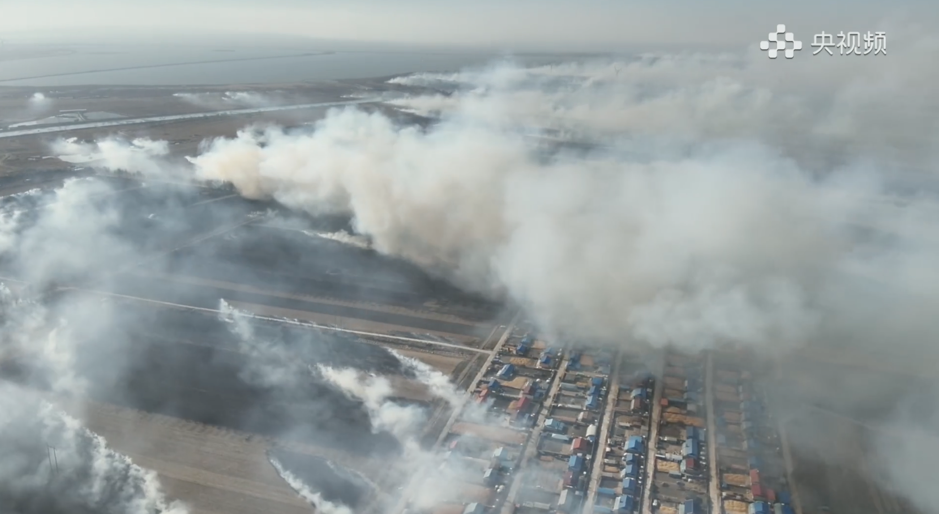
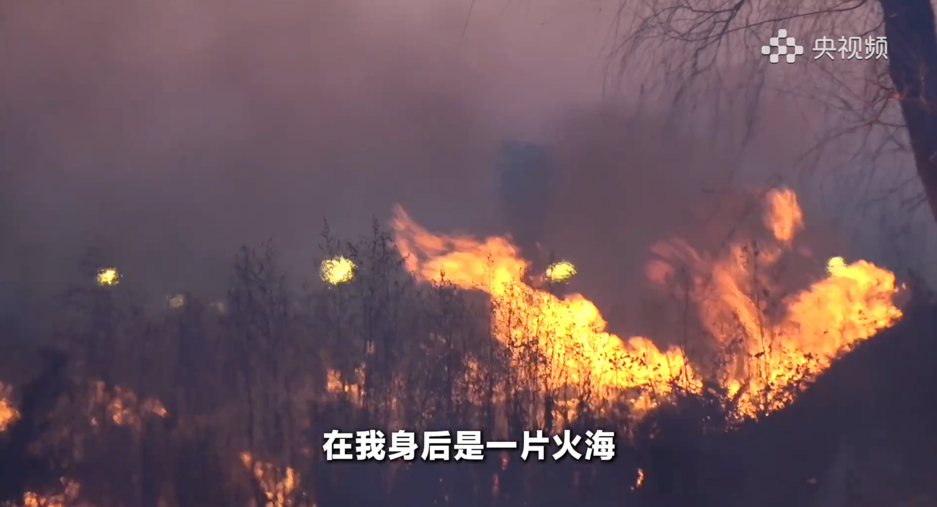
◉ In March this year, CCTV reported on thick smoke from straw burning near Harbin Taiping International Airport. Image source: CCTV Video
The other side of the story is the farmers’ relief: since last year, the restrictions have finally been lifted, and they no longer have to burn in secret, living in constant dread. The village Party secretary lets out a long sigh too: ‘Who would dare stop ordinary people from tending their land?’
In autumn and winter 2015, severe smog descended on the three northeastern provinces. Straw burning was identified as a major source of pollution. And so, from the autumn of 2016, the straw burning ban became a key political priority in the northeast. Jilin’s Provincial Party Committee and Provincial Government, for instance, personally oversaw the effort, establishing a grid-based system for the ban spanning three levels — county, township and village — and introducing an assessment method requiring that ‘pressure be transmitted down every tier, forming an implementation mechanism in which responsibility rests squarely on every shoulder.’ Heilongjiang and Liaoning likewise issued special plans to set up grid-based accountability systems, marking a new phase in the northeastern straw burning ban — a shift from earlier propaganda and mobilisation to rigid accountability.
Stringent policy translates into financial and labour costs. In a town in Hulan District, Harbin, a village Party secretary recalls: after every autumn harvest, to guard against straw burning, the village has to spend around ten thousand yuan and hire four or five people to keep watch in the fields for days on end. The village also maintains a collective account: once satellite imagery detects a fire, a fine is deducted from it, and the village cadres concerned face warnings or disciplinary action.
Beyond the ban itself, the government has also actively sought alternative outlets for straw. After attempts at returning it to the field, removing it from the field, and various other measures — all yielding poor results and considerable public grievance — the policy ultimately fell back on the old route of burning. Yet there has been progress: what once was disorderly burning has evolved into what policy documents describe as “precise”, “scientific” and “orderly” burning. The Ecological Environment Code, passed by the National People’s Congress this March, also carries the top-level guidance that local people’s governments at all levels shall, in a scientific and precise manner, strengthen the organisation, guidance and management of the burning of straw, fallen leaves and the like.
The change ordinary people have felt is this: the government, guided by weather forecasts, identifies days with good atmospheric dispersion conditions and issues advance notice of a burning window. The notice is passed down through the levels until the village Party secretary informs the villagers, and then everyone sets fire to their straw.
From a political task spearheaded by the Provincial Party Committee in 2016 to the de facto relaxation of this year, what have northeastern farmers endured through a decade of detours in the straw burning ban? Why have they consistently resisted straw utilisation — or do they simply prefer to burn it and be done with it?
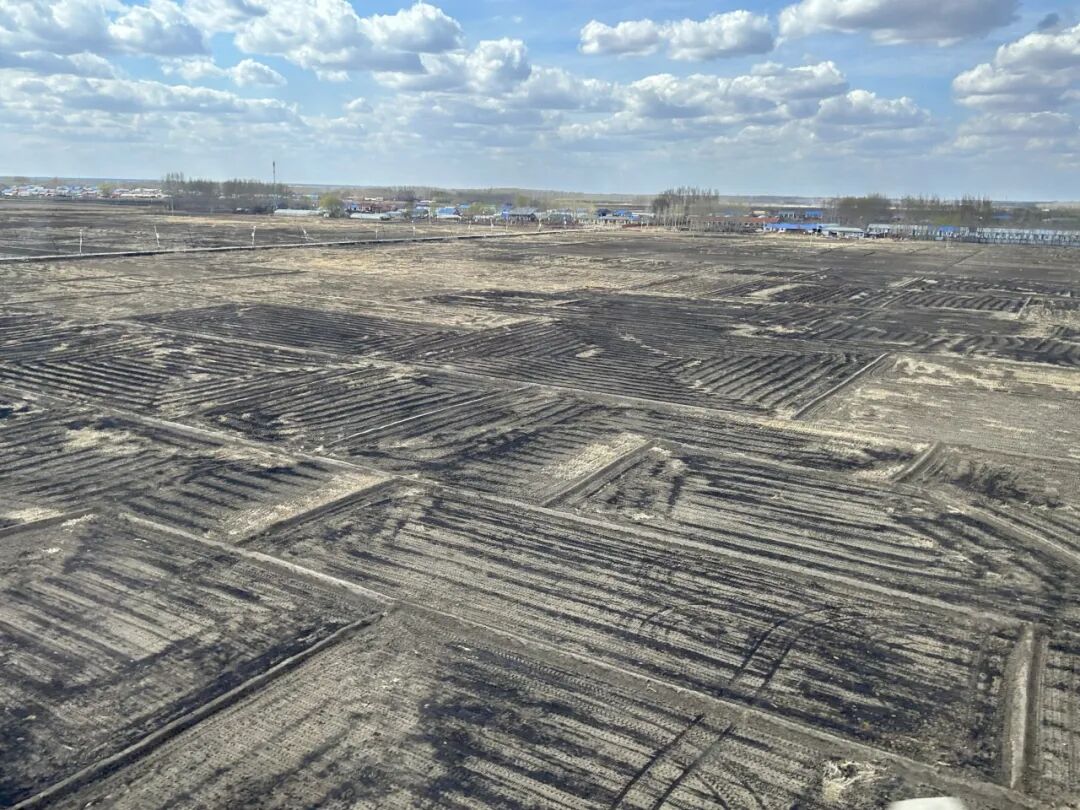
◉ The bullet train speeds into Harbin from the south; beyond the window lies a field, cleared by fire, awaiting sowing.
I. Defeated by the Ridges
Most of the farmers we visited this time grow corn. By local custom, once the ground thaws in spring and the winds turn dry and blustery, farmers set fire to the fallow land, then till a layer of wood ash and crop stubble into the soil and sow. Being forced to return straw to the field first means taking on an additional farming operation: shredding the straw and deep-ploughing it into the ground. A second operation follows: making ridges.
This is a key reason why corn-straw return ultimately failed. Nearly every farmer we interviewed put it the same way: the ridges have been messed up — and no one can accept that.
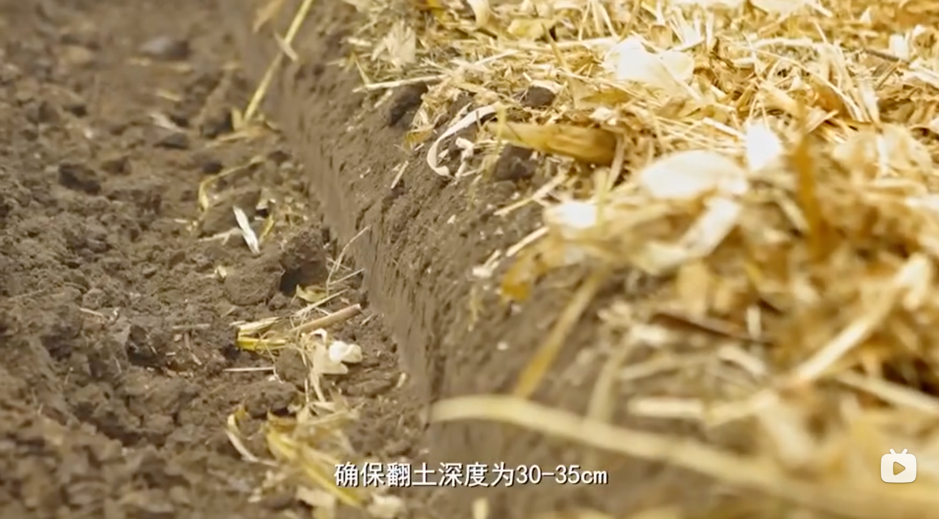
“Deep ploughing” means turning the shredded corn stalks and residual stubble under the soil, typically to a depth of thirty to forty centimetres, so that the straw is fully buried in the soil layer; otherwise it will hinder seedling root growth. The sheer volume of corn straw makes thorough shredding and deep ploughing especially critical. Some agricultural extension videos go so far as to advise a second pass with the shredder if the corn straw has not been broken up sufficiently the first time.
After deep ploughing, the soil surface is uneven and strewn with soil clods of varying sizes, and cannot be worked directly. So clod-breaking and soil-rolling operations are needed to level the ground. The biggest problem with deep ploughing, however, is that it destroys the ridges already in place. Both deep ploughing and ridge-making require specialised machinery — something a farmer simply cannot do by hand.
An ordinary rotary tiller’s blades reach only about twenty centimetres deep, which means that for deep ploughing, a separate machine fitted with a “big plough” must be purchased — for example, a large mouldboard plough (reversible plough), with prices easily running over 100,000 yuan. On top of that, an operator charges 400 yuan per 垧 (fifteen mu) of land. In one village we visited, there are close to 10,000 mu of farmland, and the annual cost of deep ploughing alone comes to 260,000 yuan.
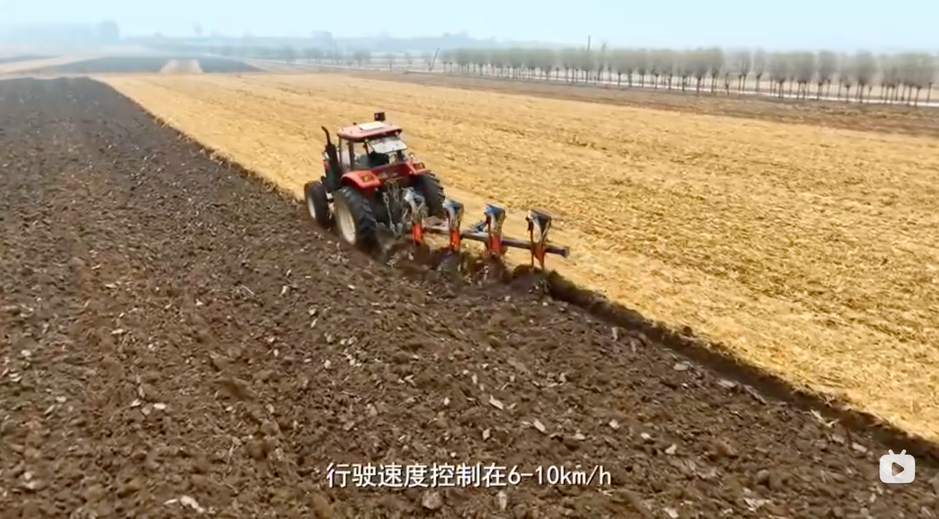
◉ A semi-mounted large mouldboard plough (also known as a reversible plough), used for deep ploughing. Image source: Bilibili uploader Lüjie Xingnong Jiegan 100
So, to push straw return forward, this whole set of services is carried out by government-subsidised operators. On the subject of deep ploughing, the farmers we met were split right down the middle. In Hulan District, Harbin, farmers were broadly opposed, saying that deep ploughing widens the soil’s pore spaces. If winter snowfall is light and the spring winds blow through, topsoil moisture drops, moisture retention suffers, seedling emergence is affected, and once the crops are up they become prone to lodging. If too much stubble is left unshredded and unburied, the problem only worsens.
But further east, some farmers in Bayan County and Bin County are receptive to deep ploughing. “So much fertiliser — the soil’s gone all compact,” one elderly farmer told us. At least deep ploughing loosens the ground a bit. As for the problems caused by the soil going too fluffy, he reckoned they could be sorted out by just going over it again with a land roller.
But when it came to the final step — making ridges — the farmers spoke with one voice in opposition. Indeed, poorly made ridges could be said to be the single most important reason they reject straw return.
Standing at the roadside and gazing out at the vast stretches of bare earth reaching to the horizon during spring planting, one truly grasps the meaning of “vast land and sparse population.” But the land as farmers see it is quite different from what an outsider perceives. The patch of a few hundred mu stretching out before you may well be made up of several — or even a dozen or more — separate family plots. They divide the land by ridges, not by area. Not only must the number of ridges stay the same; ideally the width and spacing of each ridge must stay the same too, since those affect how the crops grow.
In years past, after burning the straw, farmers would drive their rotary tillers along the old ridges, tucking the corn stubble — the corn roots left after the fire — back into the soil, and then sow. Only once every few years, or even longer, when the village organised everyone to deep-plough their fields, was re-ridging necessary; and even then, farmers generally chose a trusted operator from their own village or the nearby area. Straw return, however, means ridges must be remade every year, and the ones who actually get the subsidy to do the job are often operators brought in from outside. The ridges they produce come out “some big, some small.” In one village in Hulan District, the moment the subject of ridge-making came up, complaints poured out.
The village Party secretary is just as exasperated: “There are huge disputes — this family’s ridges are too wide, that family’s too narrow — and then they come looking for faults with you (the village committee). Nobody can take it. If we can’t sort it out for them and it sparks a petition to the higher-ups, what do we do?”
The War of the Ridges
On the afternoon of 30 April, beside a road outside Hulan, a group of elderly people were gathered around a field bund in a heated argument. They were quarrelling over how to lay out the ridges. It turned out that the modest patch of land in front of them belonged to two families whose plots bordered one another, and the utility pole serving as the boundary marker had become the focal point of the dispute. A middle-aged man on an electric scooter, Hu Shunyi, told us helplessly that he was the village Party secretary, called over at nine in the morning to mediate. But the group had been arguing ever since with no resolution in sight.
In the middle of the crowd stood a tall man in a cap, looking to be in his fifties or sixties, who chipped in from time to time. ‘Auntie, is this utility pole yours?’ ‘Once you’ve sorted this out, I’m starting to till!’
He was the village’s long-standing agricultural machinery operator. Hu Shunyi described him as having a good feel for the work — he does a particularly neat job, and the villagers all trust him. But the operator was stuck spectating, unable to get on with the job, and growing increasingly anxious.
In the end, one elderly woman could no longer bear it. In her leather shoes, she stepped into the field, each footfall landing squarely on a ridge, counting as she walked. Thirty-two ridges to the utility pole — she had provided the solid data the dispute needed, and the two sides quickly reached agreement. The operator said to one of them: ‘Put aside ten thousand yuan at my place tonight.’ Then he hopped onto the rotary tiller and, with a rumble, began working back and forth along the field bund. The crowd dispersed.
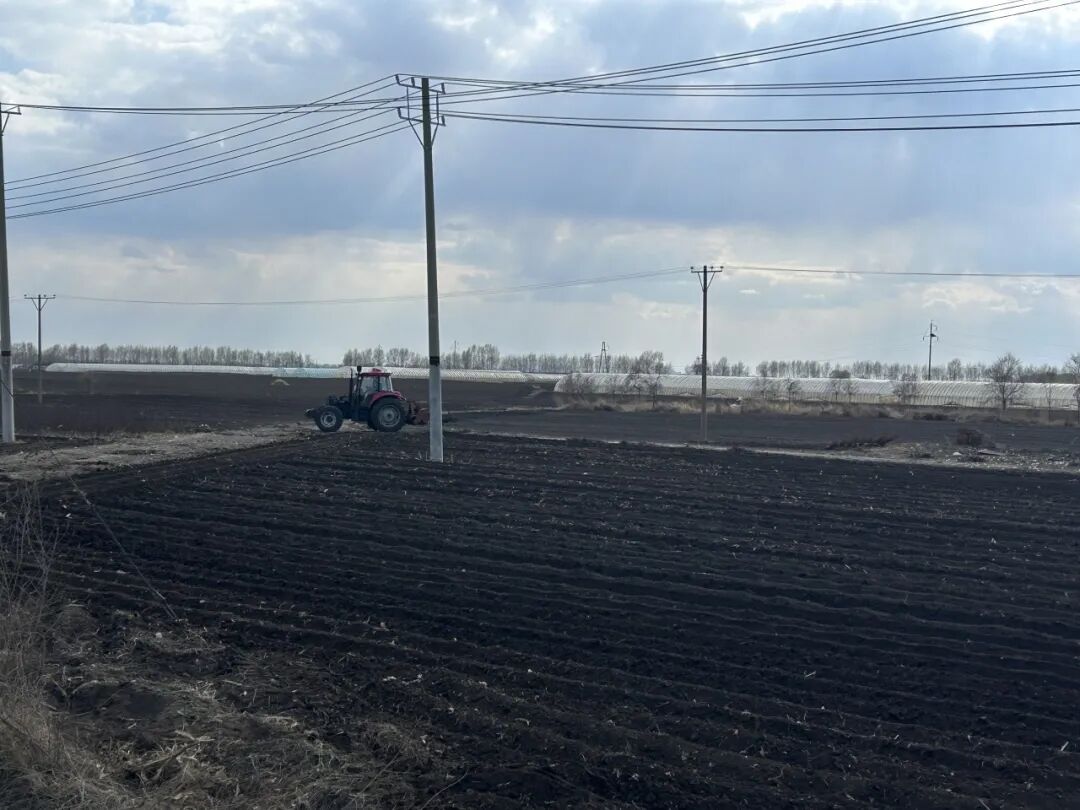
◉ The operator at work.
Such a scene made us, as outsiders, grasp instantly the importance of the ridges. A ridge determines whether one more row of crops can be planted; it marks boundaries and settles rent. Often, once the operator has finished making the ridges, they are divided among the neighbouring households according to the ledger, and only when everyone agrees is the matter closed.
The sheer complexity of affairs in the fields, the farmers’ insistence on claiming and defending every last inch of land, and the backlash that any single top-down, one-size-fits-all mobilisation provokes at the grassroots — all of this may far exceed what distant, urban policy-makers can imagine: if even an operator the farmers hired from their own village can spark disputes while making ridges, what chance is there with an outsider’s operator whom the farming families have neither authority over nor trust in?
Hu Shunyi also acknowledged that many operators are simply “half-baked”: even with satellite positioning, they cannot get a ridge straight. One pass across the field and back, and the ridge width can vary by seven or eight centimetres, making proper ridges impossible. Sometimes, partway through the job, one family’s share would be a ridge or two short.
The Worries of Rice Farmers
Rice paddies don’t need ridges. Sister Chen, a rice farmer we met, told us that during the years when the burning ban was strictest, they could only use boats to rake the straw away.
The combine harvester only snaps off the rice heads, leaving the slender, soft stalks still in the ground. Sister Chen has never heard of any machine that shreds rice straw and returns it to the paddy, and no one comes to collect bales either — the straw all stays in the field and must be fished out by hand.
The work can often only get done once spring arrives. As autumn deepens and the cold sets in, hired workers all head off to tend the corn fields — no one is willing to wade in with boots on.
They use vehicles to haul the straw out. But if snow is heavy in winter and the straw gets waterlogged, it can only be scooped out by boat. “It’s terribly hard work, truly backbreaking.” Workers are paid no less than 200 yuan a day, and up to 280 yuan. Five or six workers, a few boats, a whole week of work — all extra expense borne by the farmers themselves.
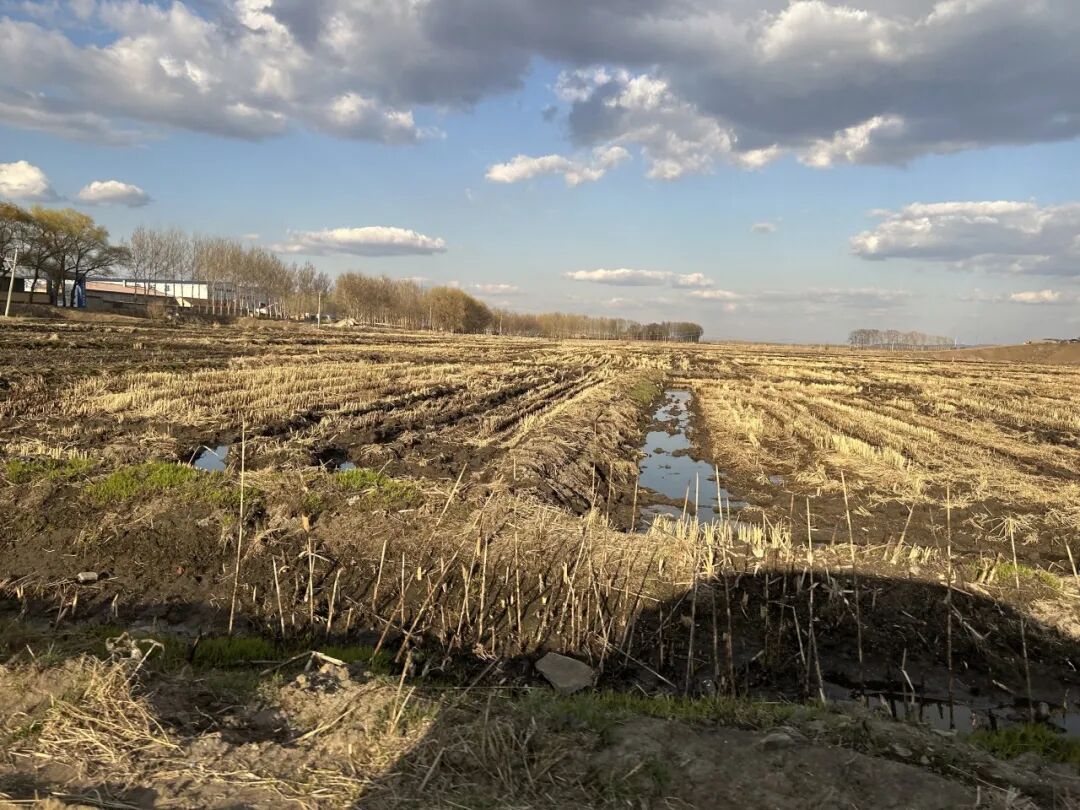
◉ A paddy after burning.
Even so, the straw can’t be fully cleared. Sister Chen says they can only force-till the rice stalks and the lowest rice stubble together into the soil when ploughing in spring. Even then, “every step goes squelch-squelch — it’s all straw.” Once the weather warms, straw soaked in the soft, sodden mud begins to rot and bubble up. More than one rice farmer has told us that hydrogen sulphide gas released by the anaerobic decomposition of straw “poisons” the rice, blackening the roots and causing seedling death.
In soil like this, Sister Chen says, transplanted rice seedlings can’t take root, and pest problems multiply — when straw burning was still permitted, they needed at most one or two pesticide sprays per season; now it’s six or seven.
The stricter the burning ban, the more fertiliser they use. In the previous two years, Sister Chen applied ten to eleven bags of fertiliser per 垧 (fifteen mu) of land. Last year, as the burning policy began to ease, she burned the land and then applied only eight bags. “The wood ash counts for something,” she said.
Removing Straw Is Hard Too
Beyond straw return, there were other outlets: baling straw to haul away for use as fuel, compost, or growing substrate. Straw resource utilisation should have had a thriving market in the Northeast — the heating season runs for nearly half a year. Several village cadres and residents said that power plants and district heating plants were happy to take straw for burning.
But in the several counties and districts east of Harbin that we visited, just as the mere mention of ridges sets off a torrent of complaints, so too does the mention of baling bring farmers pouring out their grievances.
The reason, it turned out, was as simple — bordering on absurd — as “the ridges weren’t made properly”: baling never gets it clean. In principle, operators receive a subsidy based on the area they bale. In reality, the baler (a straw pickup baler) drives into a corn field and always leaves stubble bits behind. These fragments are too scattered to form continuous strips. Farmers can’t even burn them off in a single sweep — the pieces are too sparse to sustain a fire — and have no choice but to hire workers to go and pick them up. Workers are paid 100 yuan a day. Because the straw is compressed into the soil, they can’t even finish clearing one mu in a day.
The village Party secretary, Hu Shunyi, recalled that roughly six years ago, the village began organising unified baling and removal of straw. To deal with the root stubble left in the fields, farmers harrowed the land again and again. “The seedlings had grown this tall” — he held his thumb and forefinger apart to show the distance — “and they were still clearing bit by bit of straw from the field. The farmers weren’t having it. ‘You gave me this tilled field, and I have to pick up straw seven times!'”
Not a single penny reached their pockets, and they lost money on labour costs on top of it. No farmer was willing to have their straw baled and carted away any longer. Sometimes, before the baler even arrived, villagers would quietly set a match. In Bin County, some operators from outside the area came hoping to earn the straw-removal subsidy, but the locals kept watch through the day. “We can only sneak into people’s fields after midnight to bale.”
Another reason farmers opposed baling was that the balers and trucks driving in compacted the arable soil, making it rock hard. They then had to till the land loose again themselves before they could sow.
An elderly man in Bayan recalled that in the early years, before straw return was introduced, straw removal came first. But once baling began, farmers were bitterly opposed. Some were so afraid the operators would come back to bale that they rushed to burn their straw before the machines arrived. “The money went to them; all that’s left for us old farmers is trouble.” he said.
He endured one disastrous year of removal. The following year, the government, having learned its lesson, switched to deep ploughing. But whether it was operators cutting corners on fuel or some other technical problem, the deep ploughing was never done properly. Corn seeds dropped onto the straw underneath, couldn’t put down roots, and seedlings couldn’t break through. That year, yields came in at barely 900 jin per mu (a normal year sees 2,100 to 2,200 jin). They lost money on a catastrophic scale.
After that, the old man flatly refused to let the government touch his land. He went straight back to burning straw.
Data published by the Ministry of Agriculture and Rural Affairs in 2018 gives a sense of the difficulties in implementing straw removal: nationwide, straw return covered 743 million mu, while pickup and baling covered only 88 million mu — the share of return vastly exceeds that of removal.
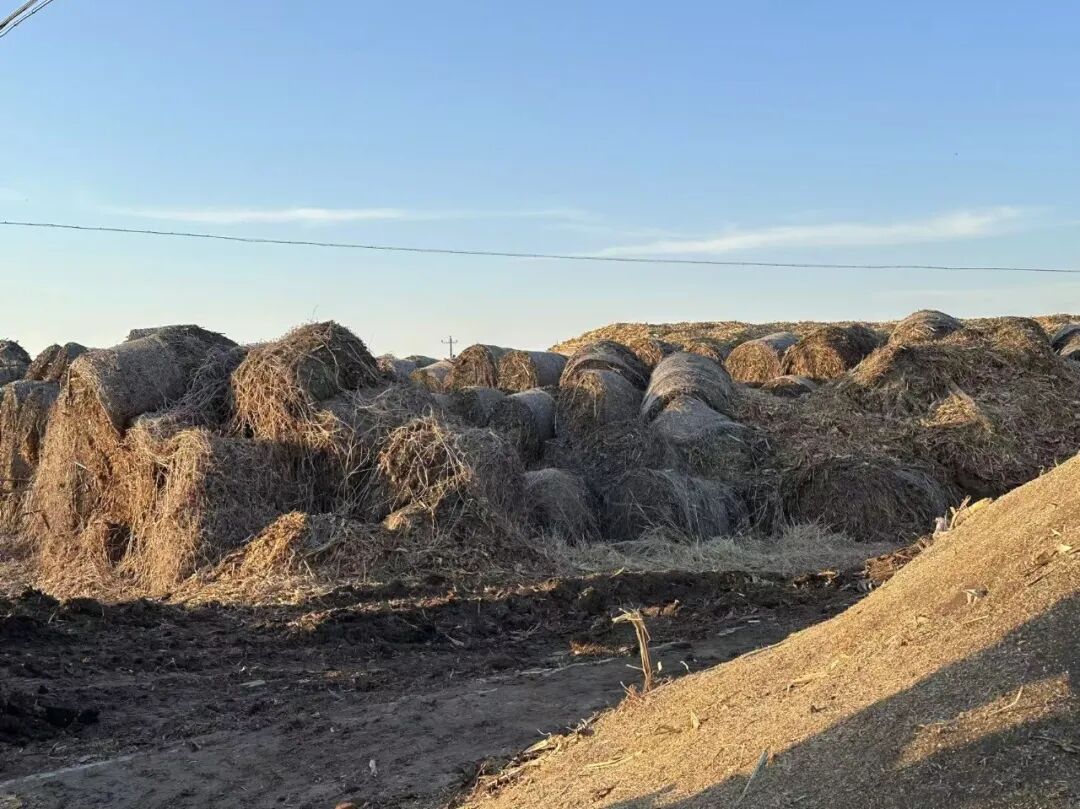
◉ Straw baled for use as fodder. But for a range of reasons, the conversion of straw into fodder has struggled to scale.
Who Still Persists With Straw Return?
Given all these factors, although the targets for straw removal and straw return were passed down to every village, they proved hard to push forward. “The farmers don’t have to pay a penny, but they still don’t want to,” Hu Shunyi summed up.
Enforcement of the straw burning ban varied in strictness from place to place. Of the farmers we met on this trip, most — after weathering the headaches that came with either straw return or straw removal — had gone back to burning their straw. A small number had simply burned from the start; even during the strictest years of the ban, they had been secretly lighting fires behind closed doors.
Local authorities gradually adjusted their strategy in step. In the end, every year before spring ploughing, there would still be a two-day window — announced in advance — when farmers were permitted to burn off their stubble. For those two days, the environmental committee (the township-level environmental protection office) didn’t interfere. “Who would dare stop ordinary folk from working their land?”
State farms were said to still be sticking with straw return, but among individual farmers, every single one chose to burn. We had hoped to find farmers who recognised the benefits of straw return and still carried it out on their own initiative, but we didn’t meet a single one on this trip.
This was something that left us genuinely puzzled. Straw return was promoted as a great good for both the country and the people — improving soil fertility, sequestering carbon, cutting emissions, boosting yields and income — and yet the farmers simply weren’t buying it. In their view, even if the deep ploughing were done properly, returning straw still wouldn’t increase yields. They would have to apply just as much fertiliser and spray just as much pesticide (if not more). And if the ploughing wasn’t done right, the seedlings wouldn’t even emerge.
The bottom line was that straw return had brought them no agricultural benefit whatsoever, the subsidies never reached their pockets, and all it left behind was a mountain of headaches.
On top of that, the volume and character of straw varied from crop to crop. “Soybeans don’t produce much straw, so returning it isn’t a problem. But corn is different — the straw’s too thick, you have to burn it. Otherwise the corn borers overwinter in the stalks, and the next year there are just mountains of them,” a farmer in Fuyuan explained.
Research shows that the rapid expansion of corn acreage in the Northeast over the past two decades is linked to the flood of soybean imports that followed China’s accession to the WTO. Domestic soybeans struggled to compete, so farmers switched to growing the more lucrative corn — which in turn made straw return all the more difficult.
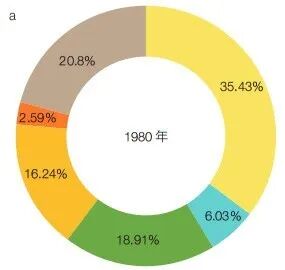
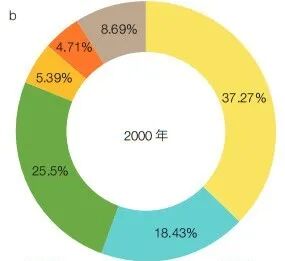
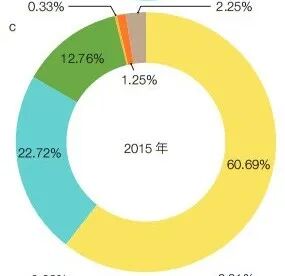
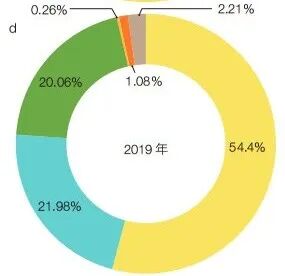
◉ Changes in grain cropping structure in the Northeast, 1980–2019. Yellow represents the share of corn area; green represents soybean. Source: Li Baoguo et al. (2021).
The people still practising straw return existed only in villagers’ fragmentary recollections — they were either farmers whose land lay alongside major roads or on the edges of towns, who couldn’t burn because enforcement there was tight, or those with connections that let them pocket a subsidy. Of course, since subsidies go to machine operators rather than to growers, these people tend to be large leaseholders who own their own farm machinery and have contracted many acres of land.
West of Bin County, we overheard several villagers discussing the business acumen of one such big leaseholder. He had set up a grain professional cooperative and contracted large plots of land from multiple households to grow corn, soybeans, and other crops. He had been doing deep ploughing and straw return consistently for two or three years and had even been featured in the local press.
In the villagers’ eyes, this big leaseholder persisted with deep ploughing purely to collect subsidies. And for someone of his scale, the subsidies on offer didn’t stop at one — it was practically winner takes all. The villagers ticked through them one by one: straw return, there’s a subsidy; corn-soybean rotation, there’s a subsidy; wide-ridge planting, there’s a subsidy; large farm machinery, “it’s all covered by the state” — rice transplanters, combine harvesters… “He’s got ‘people’ on the inside; he knows exactly where to go to claim his subsidies.”
But not every subsidy actually lands in the pocket. In a village in Hulan District that we passed through, the agricultural machinery cooperative had shut down entirely. During the processes of ploughing and ridge-making, the cooperative was responsible for hiring operators, supplying equipment, and fronting the cost of fuel and wages. The village Party secretary, Guo Quanshan, said the district’s deep-ploughing subsidy was perpetually late. After the cooperative had been fronting costs for five or six years, it was already owed several million yuan. Even if a farmer now wanted straw return, there was no one left to provide the service.
We Just Want to Burn
“Just write this down: the ordinary folk of the Northeast say we just want to burn!” After our conversations, it wasn’t just one farmer or village secretary who declared so boldly.
Sister Chen recalled the spectacle of the whole village turning out to burn straw: the village would issue a unified notice of the time based on the weather forecast. If there was only one day allowed, every family would round up a few extra relatives to help — grab torches, set them alight with the wind in your favour. If you wanted it done quickly, just splash oil and burn.
But Guo Quanshan remembered something else. One year the wind was fierce, the straw fire in a nearby village blazed out of control, swept through the settlement and killed three people.
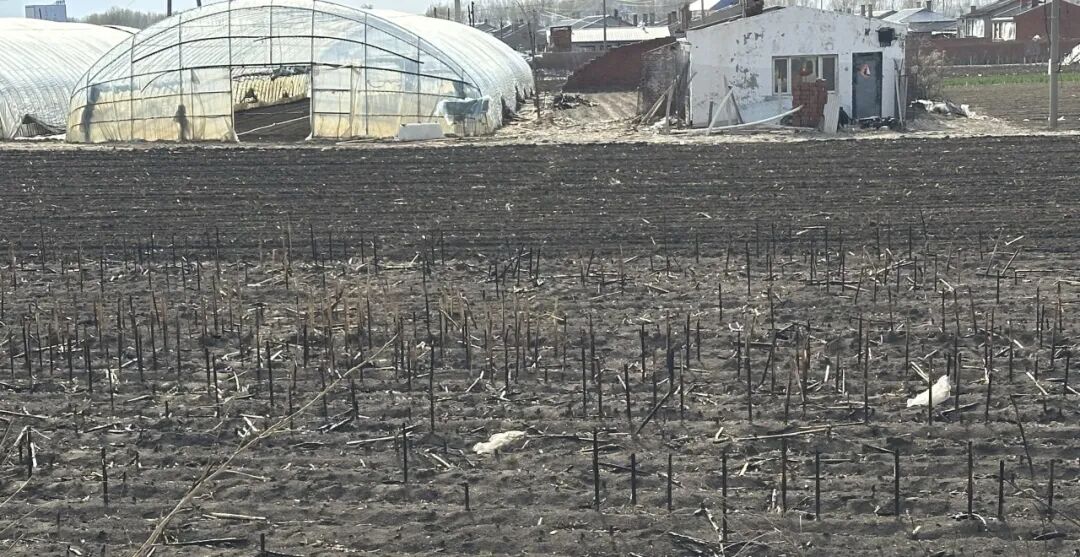
◉ Although the farmers all insisted that straw was meant to be burned, we heard more than once of fires that swallowed a village and took lives. In this image, the scorched land sits right up against plastic greenhouses and houses — a particularly dangerous situation.
At the end of April this year, straw burning near Harbin airport disrupted aircraft takeoffs and landings, causing widespread delays. On another occasion, a straw fire in Jilin burned “bright red”; train services were suspended and the villagers involved were detained. Real-time air pollution data and satellite remote-sensing monitoring also showed that several cities in the Northeast experienced heavily polluted weather this spring as a result of straw burning.
Several village secretaries who had been driven to distraction by straw burning felt the same — this was a problem best met with guidance rather than prohibition. “The more they ban burning, the more tense it gets — people light fires in secret.” The result was that farmers, terrified of missing spring planting, would burn helter-skelter, with no rhyme or reason; and when gale-force winds struck, it was a recipe for disaster. Now burning is permitted, but everyone must follow the unified schedule set by the authorities. Once farmers know it won’t delay their own planting, they are far more at ease.
And yet — do all the benefits touted in policy briefings about straw return, loosening the soil, replenishing organic matter, breathing life back into the black soil … do they all vanish in a single blaze? Ten years of lessons from straw return — and we have summarised far too little of them.
After the trip through the Northeast, Foodthink headed south, finding an entirely different story of straw return on the North China Plain. The regional disparities in how straw is used offered a stark reminder of how complex agricultural realities can be, how profound the impact of policy, and how difficult it is for farmers to find room to manoeuvre within such limited choices. We welcome your comments — please share the realities of straw use as you see them.
– This is Foodthink’s 808th original article –

Foodthink
By
Pei Dan
Foodthink editor and writer, focused on real people in the wake of climate change and environmental transformation

Foodthink
By
Kong Lingyu
Foodthink project director; former media professional and public-interest worker, focused on climate, environmental and food-and-agriculture issues.
Hu Shunyi, Sister Chen and Guo Quanshan are pseudonyms.
Unless otherwise noted, all photographs were taken by the authors.
Editor: Lingyu
Layout: Minglin
▼
Click the image to read related articles.