
The Satun Province fishers’ association began by driving out illegal trawlers and eradicated local overfishing within a decade; yet the 2025 Fisheries Act amendment, approved by Parliament, will allow fine-mesh nets for night fishing, putting thirty years of community conservation to a new test.
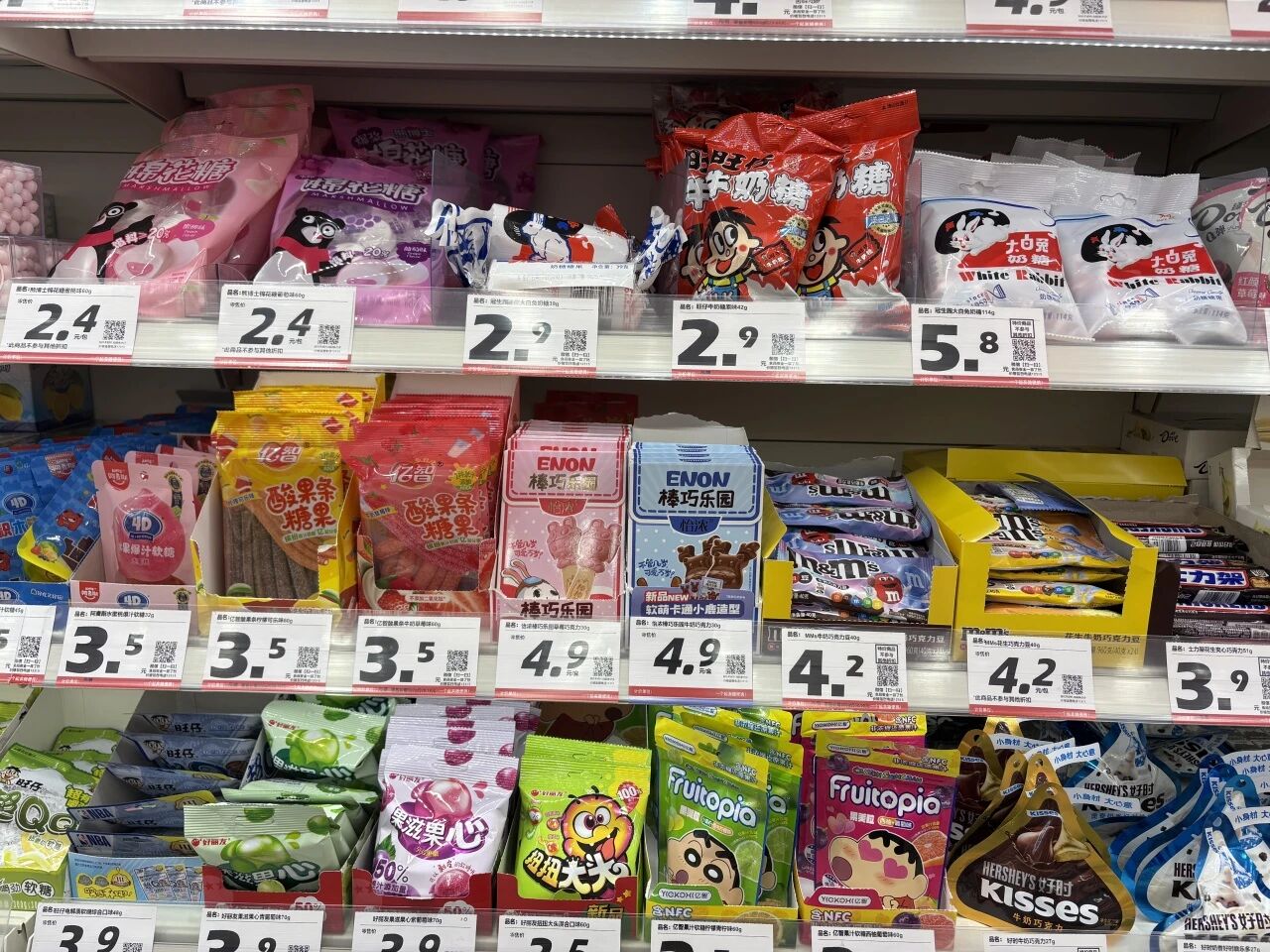
Oyster sauce, crisps and salad dressings all hide sugar – eighty per cent of supermarket shelves can’t do without it. Excess fructose converts to fat in the liver, driving the fatty liver → diabetes → heart disease chain; children are steeped in sugar from an early age.
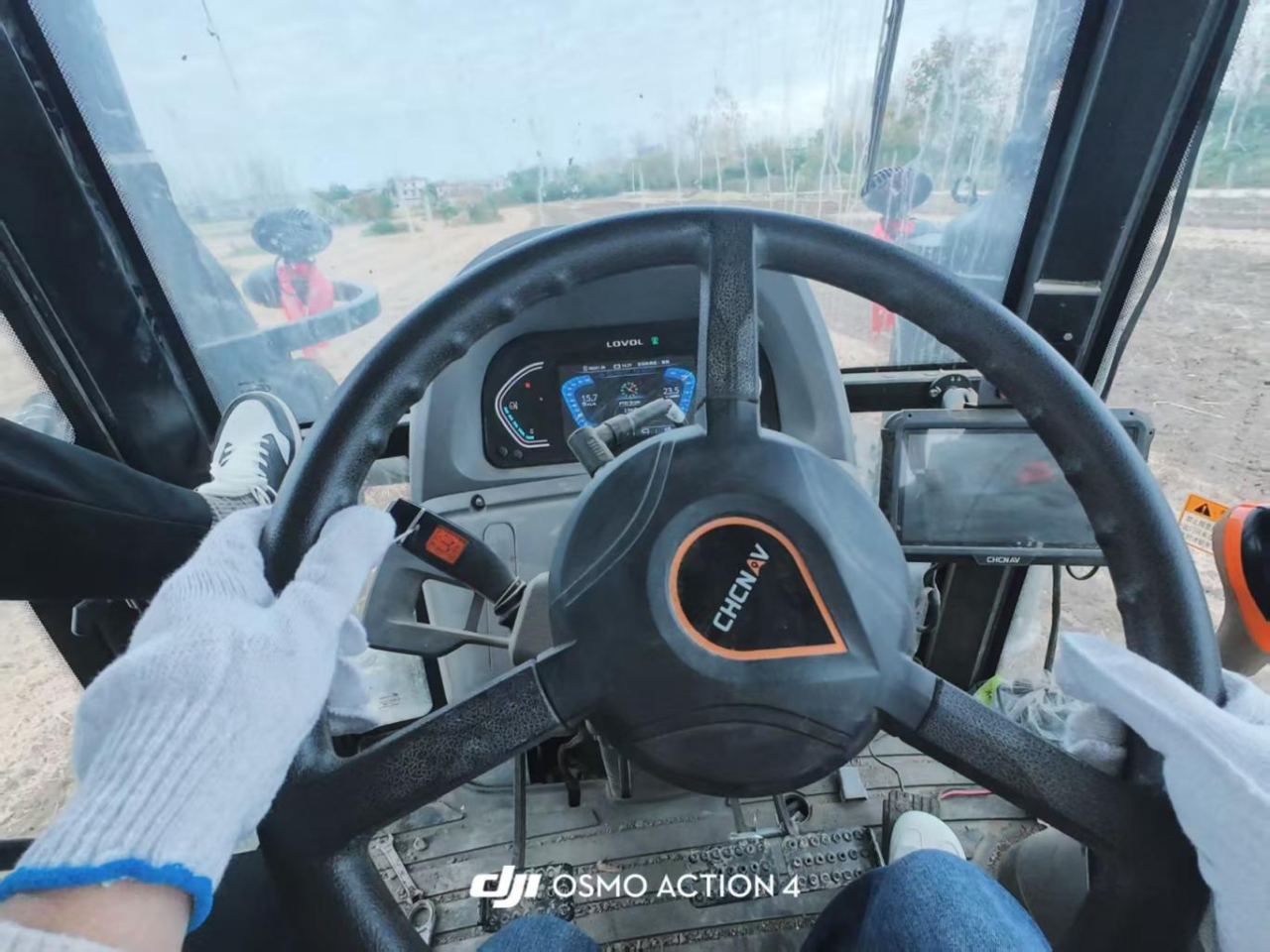
Fuyang’s free farm-machinery course had 50 trainees, just 7 of them women. Wu Ting and her peers hesitated again and again before the combine harvester—until one sister claimed the cab and started off steady, loosening the assumption that “women can’t drive.”

The 2026 Document No. 1 includes “low-carbon agriculture” for the first time. Tracing sixteen years of climate change in Document No. 1, the real challenge lies beneath resource surveys and climate zoning: how to design policies that allow ordinary farmers to participate and benefit.

Jiang Ke, who served seven months as a Shift Manager at McDonald’s, discovered that the precise order-fulfilment system is both advanced and fragile—behind the beeps and countdowns lies the staff’s real experience of “human-machine unity” in a cramped kitchen.
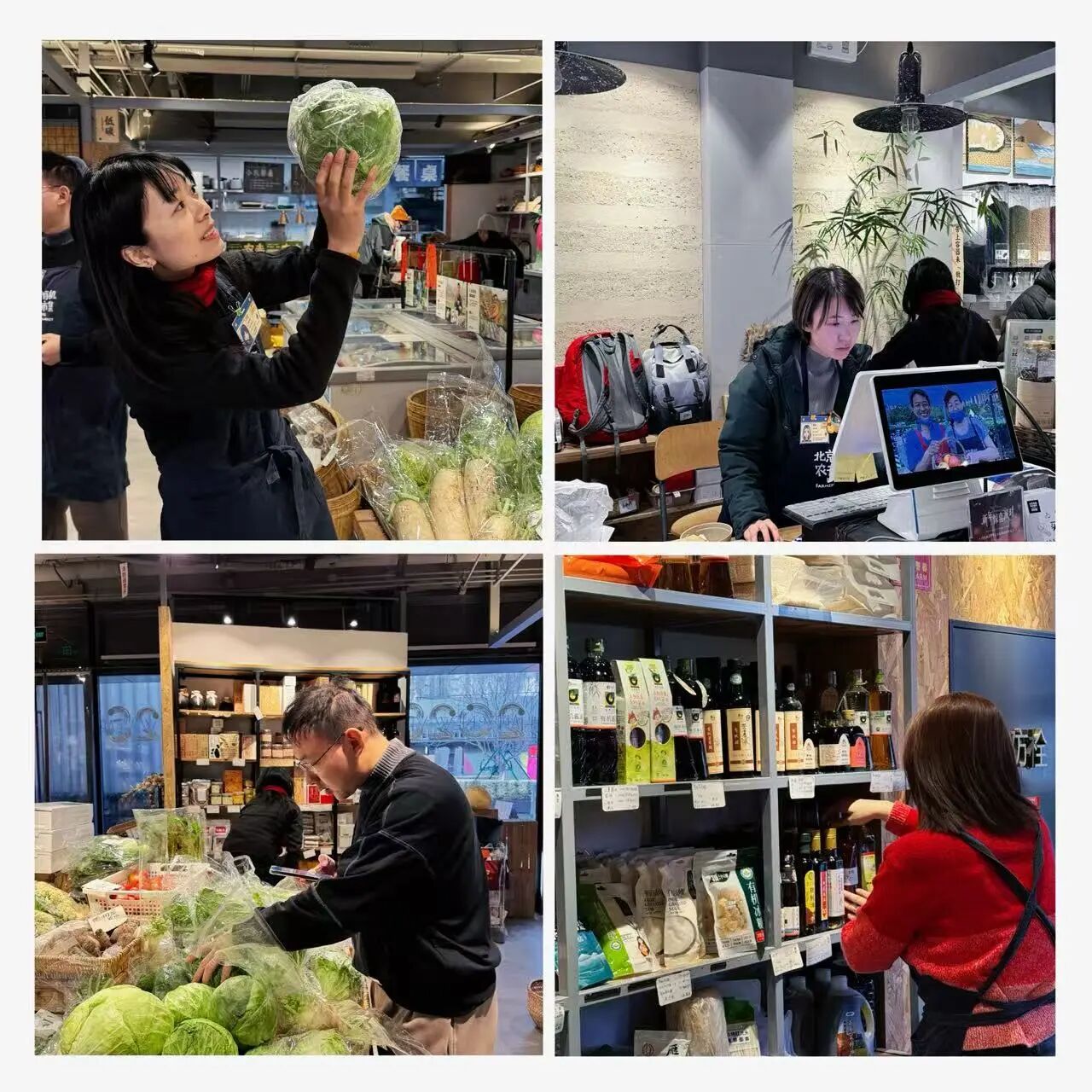
Eight Foodthink colleagues worked a 12-hour non-stop shift at Jishi—from veg identification and stock intake to live-stream shopping to communal dish-washing after the lamb soup screening—and encountered the unseen labour and carbon behind cold-chain energy consumption and an annual lease.

The large-scale monoculture of the Plantationocene has dismantled ecosystems and rural communities, yet the traditions of care in the Qimin Yaoshu and Xu Guangqi’s Nongzheng Quanshu suggest that “non-plantation” farming can still become imaginable once more.

Three Foodthink colleagues left their screens for Jishi, the ecological greengrocer in Sanyuanqiao — stacking stock, sorting produce, negotiating with customers over switching to another farm’s tomatoes — and in concrete physical labour rediscovered a tangible feel for life.

Forty years after dual contracting of grassland and livestock, J village in Qinghe County still has only 92 grassland certificates while pastoral households exceed 200. They sow lucerne on their hay meadows, pay irrigation charges, and buy fodder from farming areas at twice their own harvest before winter.

Ÿnsect, the European insect-protein unicorn that raised USD 625 million, has been wound up by a French court. A UK Government-commissioned life cycle assessment also shows insect meal’s carbon emissions far exceed soybean meal’s — the capital narrative of “eating bugs equals eco-friendliness” is being punctured by full-chain data.