
Sweetly Deadly: Beware Our Precious Little Liver | Grandma Kouzi
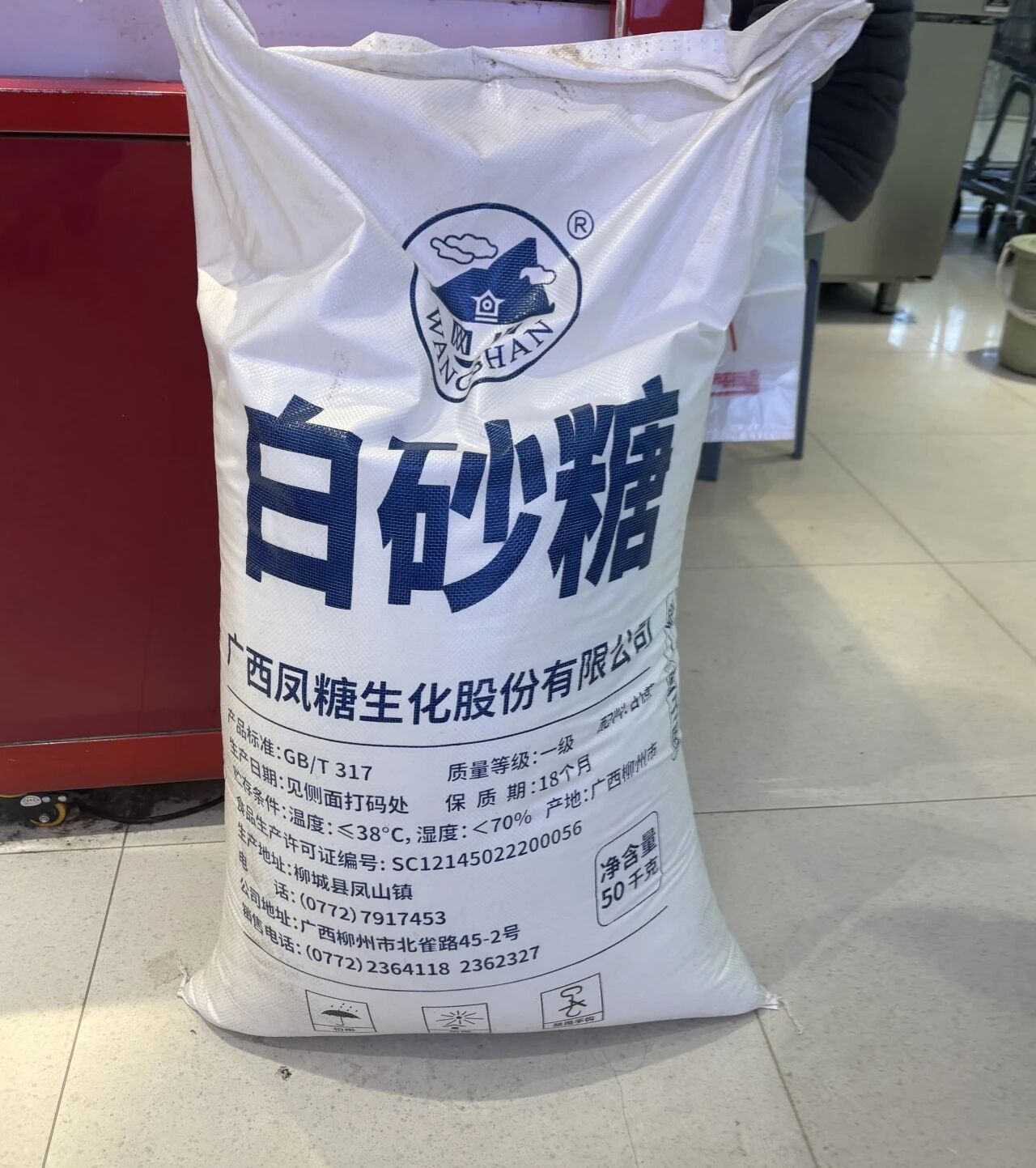
In 1972, the British scientist John Yudkin published a book called Pure, White and Deadly. The protagonist of that book is sugar – pure, white sugar. The protagonist of my little essay here is also sugar – sweet sugar.
The “sugar” referred to here means sugar, confectionery and added sugars in food. The disguises it wears on food ingredient lists may be sucrose or granulated sugar, or perhaps high-fructose corn syrup, honey, maltose or glucose syrup, among others.
The new US Dietary Guidelines, released in January 2026, stress that “sugar is not considered part of a healthy or nutritious diet”. I agree, of course, but I question whether this is achievable.
I. Why We Need Sugar and Yet Don’t
Glucose in the blood is the body’s most fundamental source of energy, like petrol in an engine. An engine runs on fuel; a life runs on sugar. I have taken part in the Hong Kong 100 km charity walk and the 66 km Mount Tai loop marathon, where sports drinks containing sugar and electrolytes are a staple at every aid station. Yet this can easily lead to a misconception – the idea that because sugar is vital to life, eating sugar must be vital too – when in fact it is not.
A common greeting among Chinese people when they meet is “Have you eaten yet?” Staple food is our most everyday source of energy, mainly in the form of starch-based foods. Starch, however, is a macromolecular carbohydrate made of many monosaccharide molecules linked by glycosidic bonds – a sugar that is not sweet to the taste. Starch is a polymer of hundreds or thousands of glucose units; its molecules are too large to bind effectively to the sweet-taste receptors on the tongue, and so our taste buds cannot directly perceive it as “sweet”.
So rice and steamed buns are sugar; potatoes and taro are sugar too. This kind of sugar, however, is a polysaccharide (such as starch or cellulose), while monosaccharides (such as glucose and fructose) and disaccharides (such as sucrose and maltose) all belong to the same sugar family.
The process of eating and digesting is one in which a series of chemical reactions inside the body hydrolyse polysaccharides into the monosaccharides the body requires. The body wields enzymes like scissors to snip starch – that “chain of sugar”. The scissors are salivary amylase before the food reaches the stomach, and pancreatic amylase once the stomach passes it on into the small intestine. Eventually the polysaccharides are snipped down to their smallest indivisible units – monosaccharides that can no longer be hydrolysed – which then enter the bloodstream. Sugar, then, is a vital substance the body makes for itself, without needing to be eaten.
Though blood sugar is essential to life, we need not eat the kind of sugar that is sweet.
II. Sugar Is Everywhere
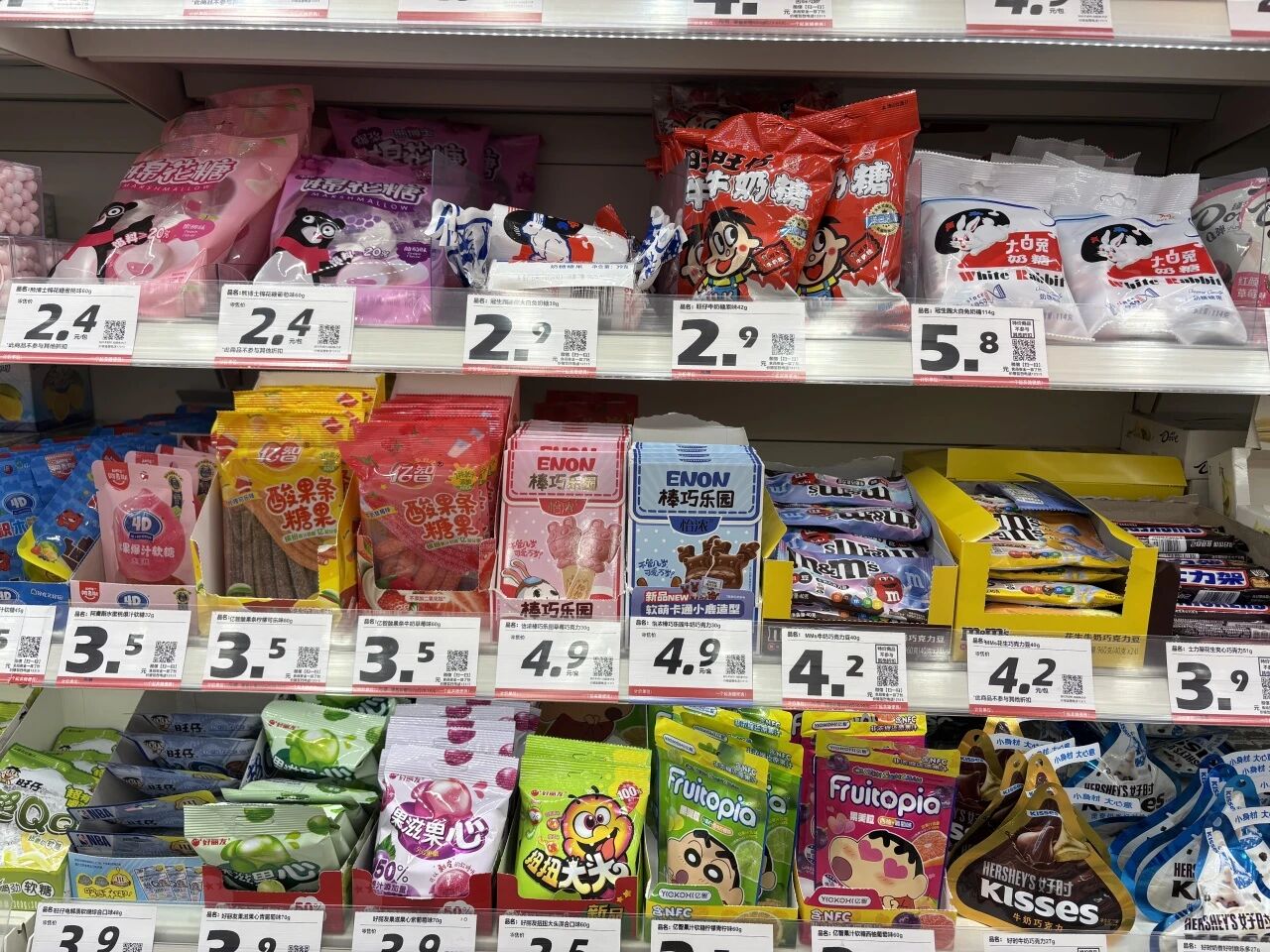
A few years ago when I was in Taiwan, someone tallied the food shelves in a supermarket: if all products containing added sugar were pulled, fewer than 20 per cent would remain.
Sugar is now deeply embedded in modern life.
All sweetened drinks, filled sweets, chocolate and pastries are high in sugar. Ice lollies, ice creams – these are the very definition of “sugar-and-fat bombs”. Ready-to-eat puddings, sweetened tofu pudding and instant milk tea are equally staggering in sugar content. Ready-to-eat cereals such as instant oatmeal and cereal bars may look healthy, but they too are high in sugar. Then there are the hidden-sugar heavyweights: puffed snacks like crisps, prawn crackers and rice cakes often contain added sugar, and so do flavoured nuts and most ready-to-eat meat products, with sugar added for flavour.
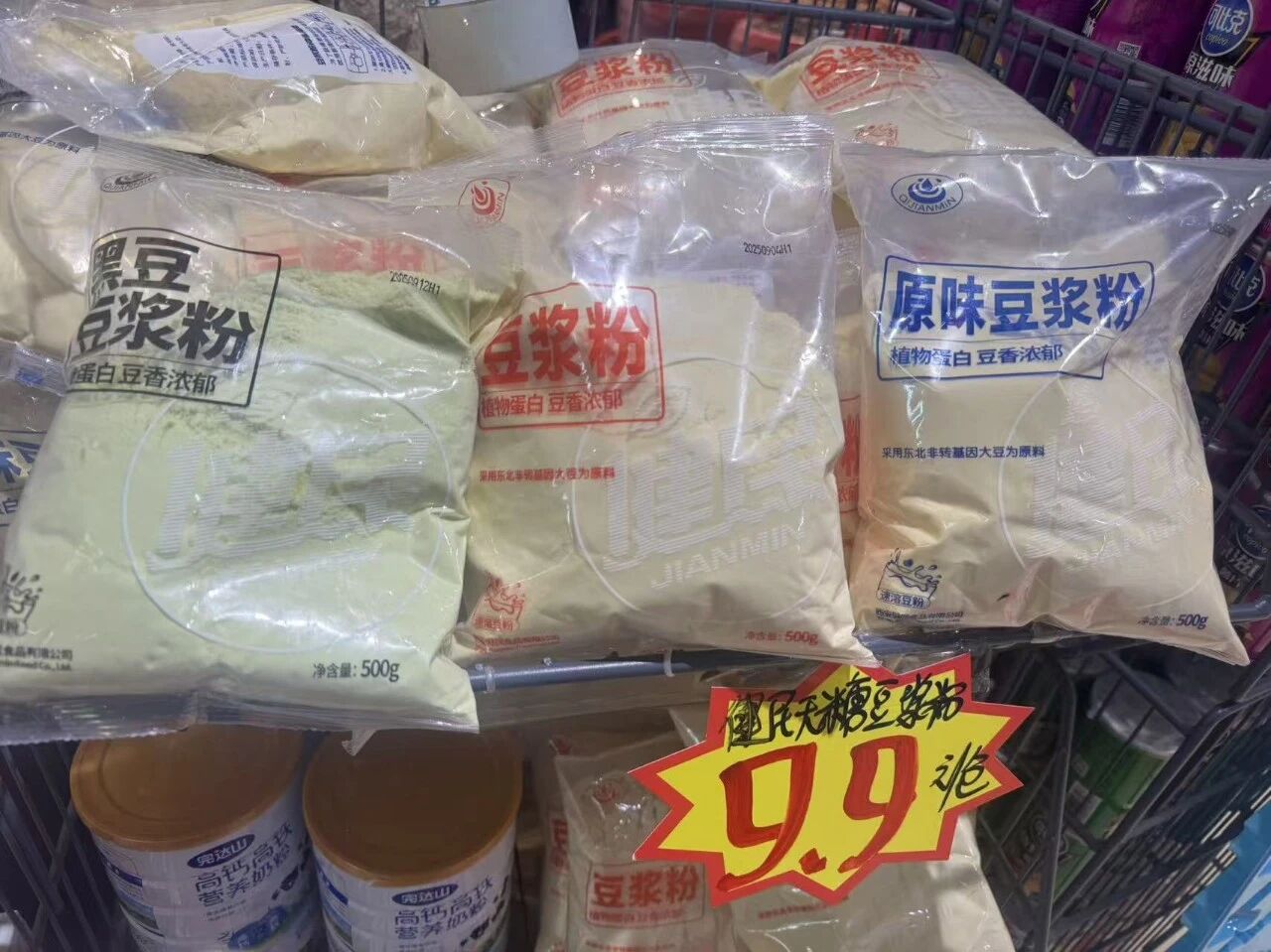
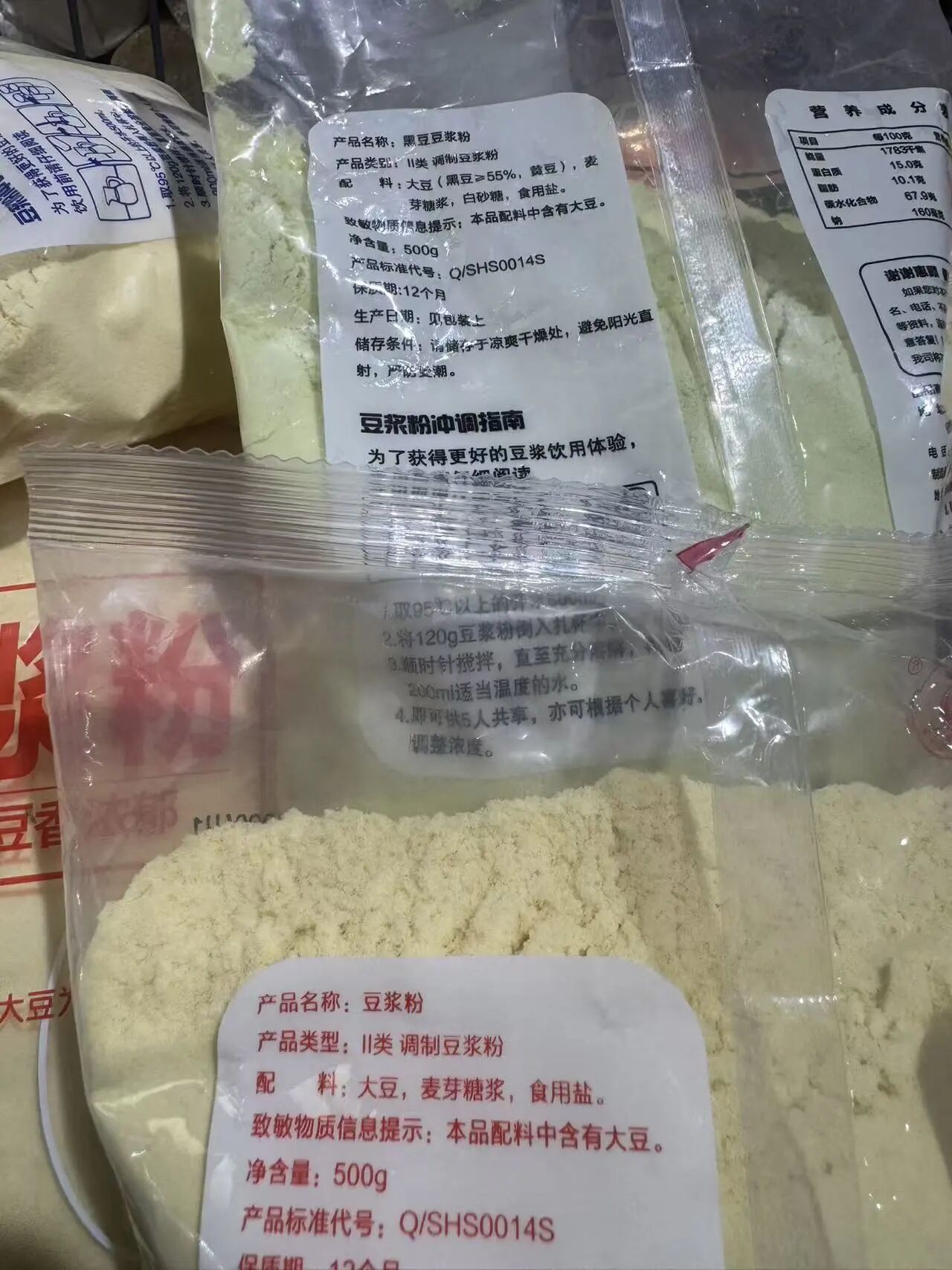
Some products even shout “Sugar-free ××” or “No added sugar ××” in bold letters, yet a close look at the ingredient list reveals the catch: the product simply has “no added sucrose”, but uses high-fructose corn syrup, honey, maltose or glucose syrup – all sugars in disguise – as substitutes.
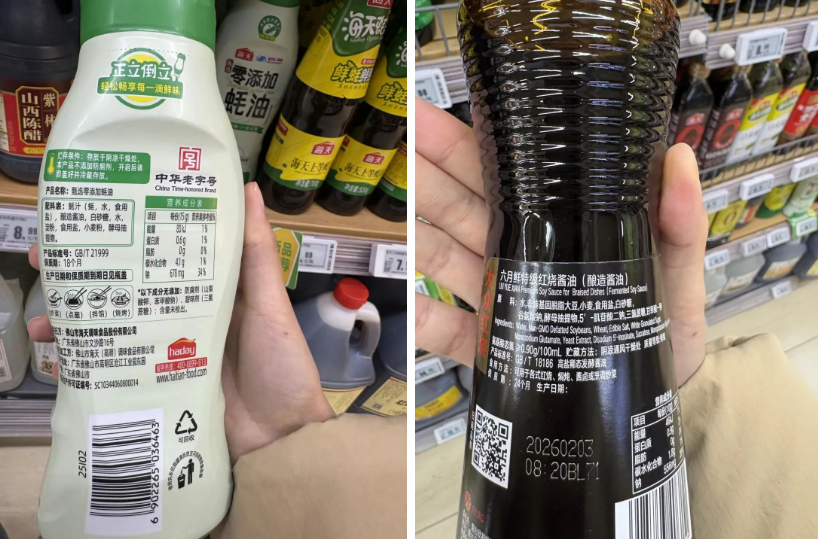
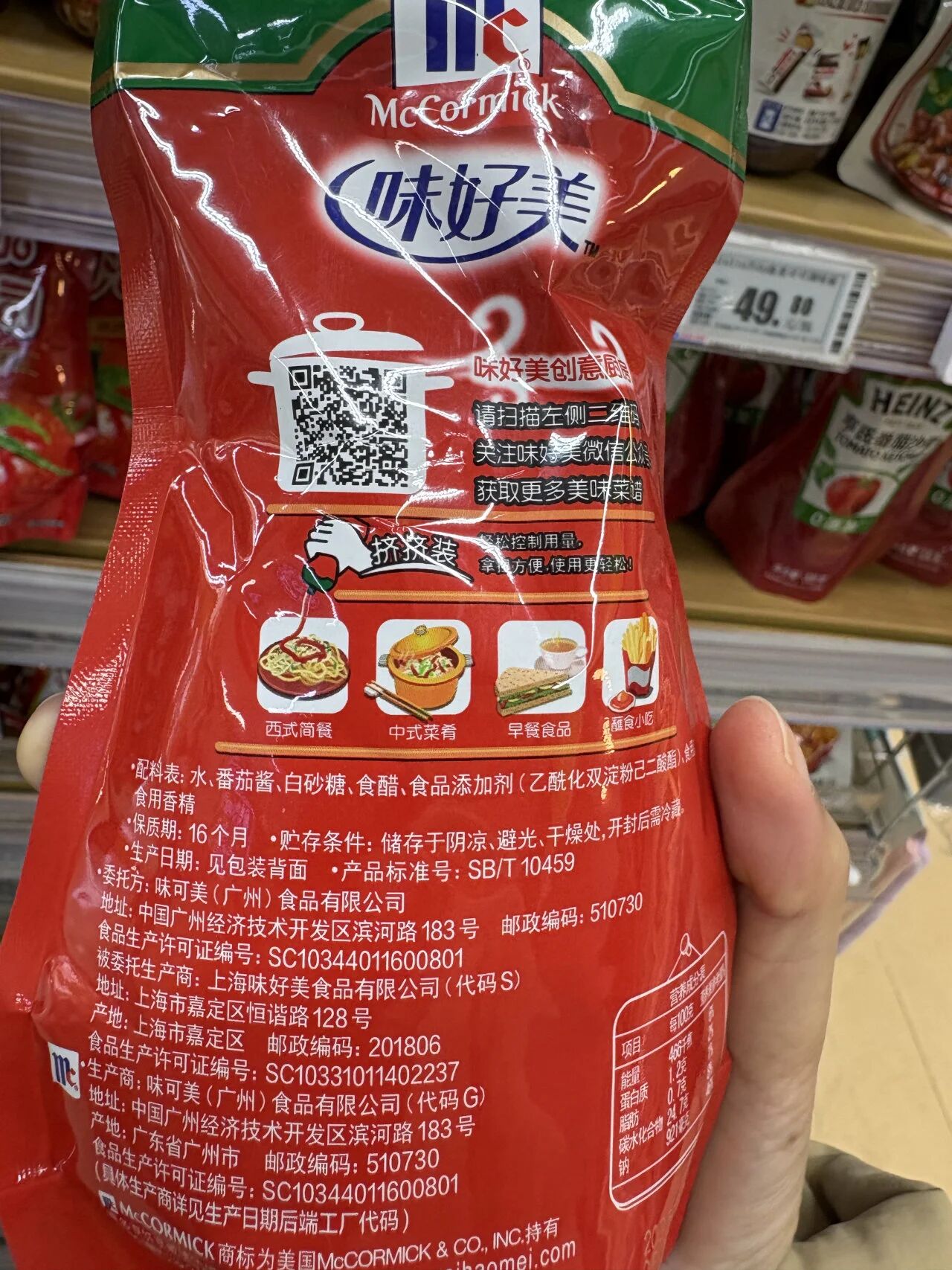
Various condiments are also a “hot zone”. Salad dressings are often both high in sugar and high in fat – undeniably hidden-sugar bombs; tomato ketchup, sweet chilli sauce, barbecue sauce, instant noodle seasoning sachets and instant soup mixes all commonly contain sugar. Oyster sauce may not contain oyster, but it will certainly not be without sugar. Even flavoured vinegars and dark soy sauce contain sugar – the darker the colour, the more sugar added……
III. A Lifestyle That Breaks Your Liver
The most common monosaccharides are glucose and fructose, the two components of sucrose. They often appear hand in hand, yet they are almost entirely different monosaccharides in both structure and metabolism.
Glucose comes from starchy foods such as grains and potatoes. It is an aldose, directly usable by cells throughout the body. What is usually meant by “blood sugar” is glucose in the blood. It is insulin-dependent, has a high glycaemic index, and overconsumption leads to diabetes.
Fructose, on the other hand, is a ketose, commonly found in fruit, honey and corn syrup, roughly 1.2 to 1.7 times sweeter than sucrose. Fructose is metabolised primarily in the liver and does not require insulin. Excessive intake is converted directly into fat, which accumulates in the liver and forms non-alcoholic fatty liver disease.
Although the human liver can metabolise up to 100 grams of sugar a day, the World Health Organization recommends that adults limit their daily intake of free sugars to less than 5 per cent of total energy intake (about 25 grams). Free sugars are monosaccharides (such as glucose and fructose) and disaccharides (such as sucrose or table sugar) added to foods and drinks by manufacturers, cooks or consumers, as well as sugars naturally present in honey, syrups, fruit juices and fruit juice concentrates.
The liver is one of the most vital organs in the human body, responsible for life-sustaining functions – metabolism, detoxification, bile secretion and excretion, synthesis, immune defence, storage and blood regulation – none of which exist solely to process sugar. Each function has numerous sub-functions; metabolism alone encompasses sugar metabolism, fat metabolism and protein metabolism. We are born with only one precious little liver. We must use it sparingly and not reduce it to a sugar-metabolism one-way street.
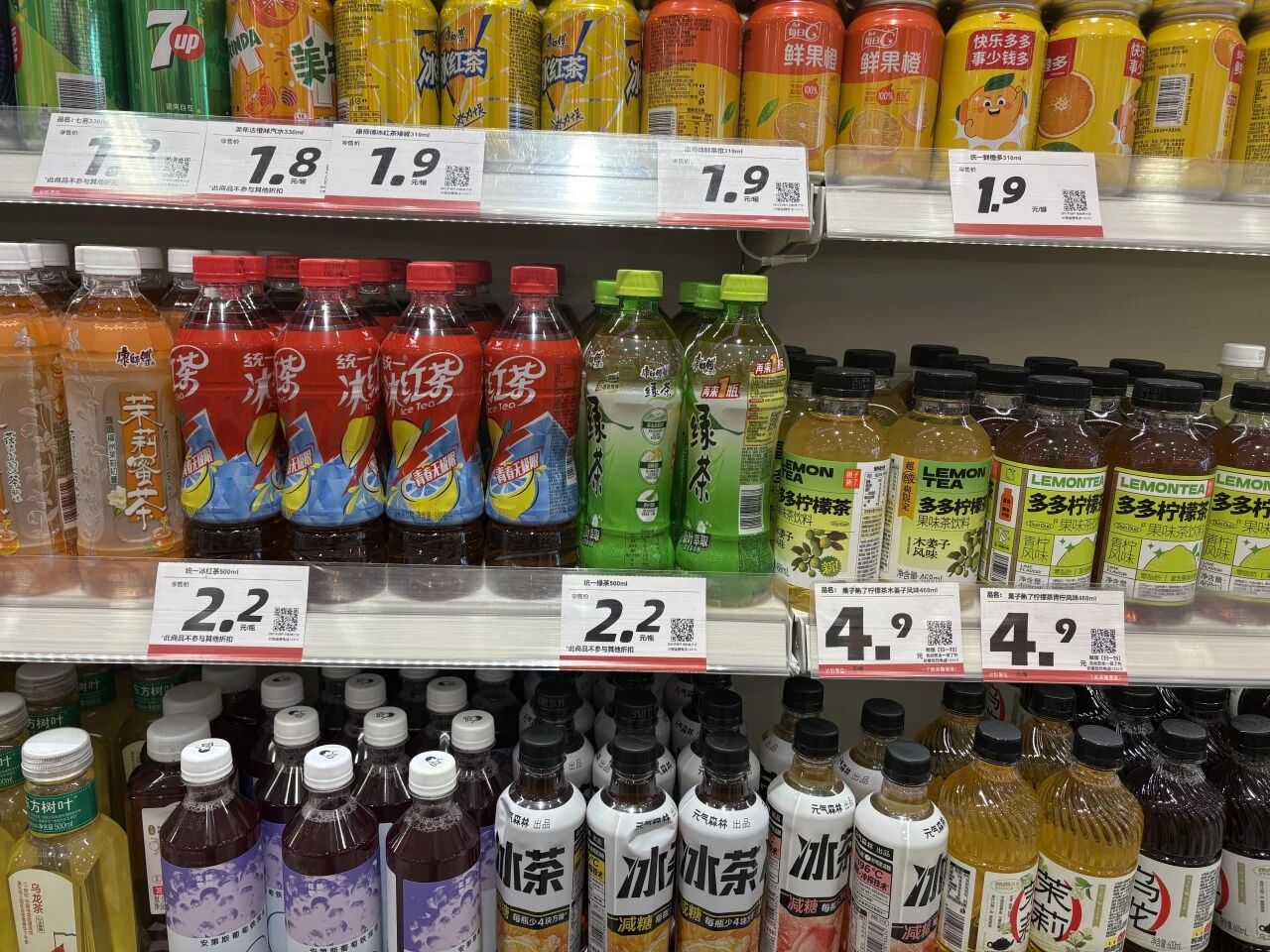
Yet many people today push their liver to its limits every single day. A 500 ml bottle of cola or a similar sweetened drink contains around 50 grams of sugar. Add in sweet milk tea, the countless “hidden sugars” in ready-to-eat packets on supermarket shelves, the sugar added during takeaway cooking, and a little tipple on the side…… every day is a battle to keep the liver from giving out.
Sugar’s damage does not stop at the liver. A diet consistently high in sugar causes frequent blood sugar spikes, which drive the pancreas to secrete large amounts of insulin on a continuous basis, eventually leading to type 2 diabetes.
Sugar causes dyslipidaemia, raises blood pressure, triggers vascular inflammation and promotes atherosclerosis, significantly increasing the risk of coronary heart disease, myocardial infarction and stroke. Sugar is a key factor driving the “fatty liver → diabetes → heart disease” chain.
IV. Why Sugar Is So Hard to Shake Off
Because children in modern society sip a “drink that never gets you drunk” almost every single day – fructose.
Non-alcoholic fatty liver disease is growing ever more common and striking younger and younger patients, because the sweets, cakes and drinks found everywhere have soaked children’s precious little livers in sugar from the very start.
The 2026 US Dietary Guidelines stress that sugar is not considered part of a healthy or nutritious diet, stating: “Intake of any amount of added sugars or non-nutritive sweeteners is not recommended; neither is part of a healthy or nutritious diet.” They also recommend avoiding added sugars entirely during infancy and toddlerhood, and zero added-sugar intake for children aged five to ten.
I agree, of course, but I question whether this is achievable. Beyond what I mentioned earlier – that added sugar features in roughly four-fifths of the products on supermarket shelves – today’s children have been so steeped in sugar-laden foods since infancy that the Bliss Point has written its dependence on sugar into their very being.
“People are not choosing nutrition; they are choosing a sensory experience. Sweetness is the fastest path to pleasure.”
These are the words of the renowned Howard Moskowitz. Holding a PhD in experimental psychology from Harvard University, he specialises in the precise application of mathematical models and statistical methods to measure and analyse human sensory responses. His most celebrated achievement was the discovery, in the 1970s, of the “Bliss Point” – the perfect equilibrium between sweetness, saltiness and fat content (or crunchiness) in a food. When the gustatory stimulation hits just the right note, it triggers a surge of pleasure in the brain’s reward centre, leaving people feeling that the more they eat, the more they want – and they simply cannot stop.
Moskowitz once explained: “The Bliss Point is essentially that sensory experience of food you love the most, and it is primarily linked to sweetness.” Sugar and sweet things trigger the brain to release a substance in the endorphin family, bringing pleasure and satisfaction. Once the sugar content crosses a certain threshold, it hits the Bliss Point. Put bluntly, it is addiction.
In the 1970s, the sweetness increasingly touching humanity’s Bliss Point was no longer sucrose in the ordinary sense, but fructose.
The fructose used in processed foods comes from industrially processed corn syrup. First, amylase hydrolyses starch to yield glucose syrup; then glucose isomerase converts some of the glucose into fructose. The largest and cheapest bulk starch in the world is GM maize starch from the United States. Corn syrup made this way is staggeringly cheap.
Fructose follows a metabolic pathway similar to alcohol: it is processed primarily in the liver, and excessive intake leads to fat accumulation, insulin resistance and metabolic syndrome. Some therefore define it as a chronic, dose-dependent hepatotoxin.
Moskowitz also said: “Sugar is not the enemy; it is a tool. The problem lies not with sugar itself, but with the system that abuses it.” Marlboro, Coca-Cola, Pepsi, Nestlé, Kraft and others have raced to launch ever sweeter products, targeting children as their primary market – carving a dependence on sweetness into generation after generation of children’s lives.
V. How to Escape Sugar?
More and more voices now call for a complete ban on sugar. It is clearly not an essential nutrient for the human body, yet it is as harmful and addictive as a drug – and the fructose used in abundance in sweetened drinks is particularly damaging to children. Sugar, carved into the lives of generation after generation from earliest childhood – how could one ever hope to tear it out?
To break free of sugar, first, refuse sugary drinks. Second, do not buy sweets or pastries yourself, and do not give them as gifts. Third, choose your snacks wisely. Choose genuinely sugar-free options: plain sunflower seeds, peanuts, walnuts, cashews and pistachios are all good picks. If you can eat the whole fruit, there is no need for any processed fruit product.
The ingredient list is riddled with traps, too. Beyond what I have already covered, watch out for trehalose, invert sugar, maple syrup, agave syrup and fruit juice concentrate – all of them disguises for sugar – and for maltodextrin, dextrin and other hidden sugars with a glycaemic index even higher than granulated sugar.
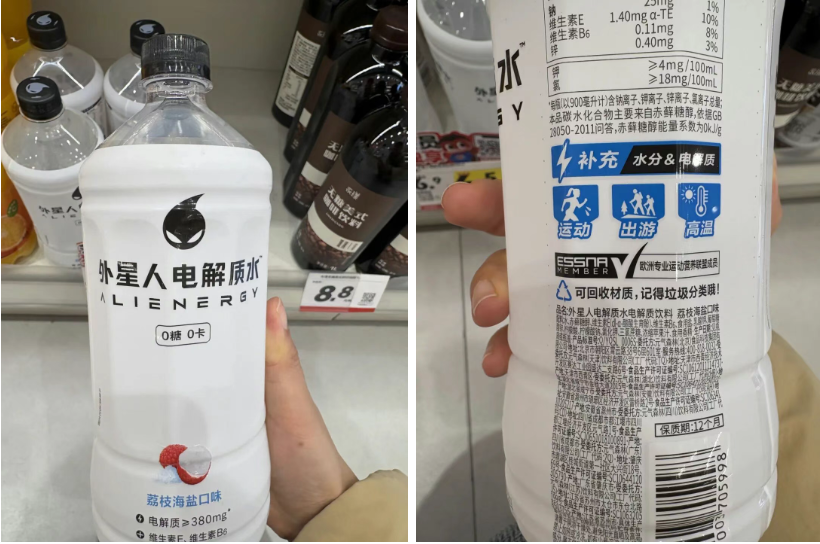
Sugar substitutes such as aspartame, sucralose, acesulfame potassium, erythritol, steviol glycosides and mogroside are indeed sugar-free, but I steer clear of them. Since I cannot be certain whether they are harmful, I reject them all. Sugar substitutes may also stimulate appetite, leading indirectly to greater calorie intake. One more reminder: “0 sugar” ≠ sugar-free. The national standard permits products containing ≤0.5 g of sugar per 100 ml to be labelled “0 sugar”.
In my next piece, I will share several recipes for sugar-free and low-sugar snacks, using ordinary ingredients available at the supermarket. Roll up your sleeves with your children at home and make healthy, sweet treats together. Take matters into your own hands, and stand apart from the siege of sugar that surrounds us.

Unless otherwise stated, all photographs are supplied by the author.
Editor: Xiaodan