

Four interns from Foodthink’s first ecological agriculture internship cohort recall at the Open Day how six months working the land — from Yinlin Farm to Yuefeng Island Organic Farm — changed their views on food, labour intensity, and life choices.
Policy, institutional, economic, and technology trends shaping food systems.
Four interns from Foodthink’s first ecological agriculture internship cohort recall at the Open Day how six months working the land — from Yinlin Farm to Yuefeng Island Organic Farm — changed their views on food, labour intensity, and life choices.
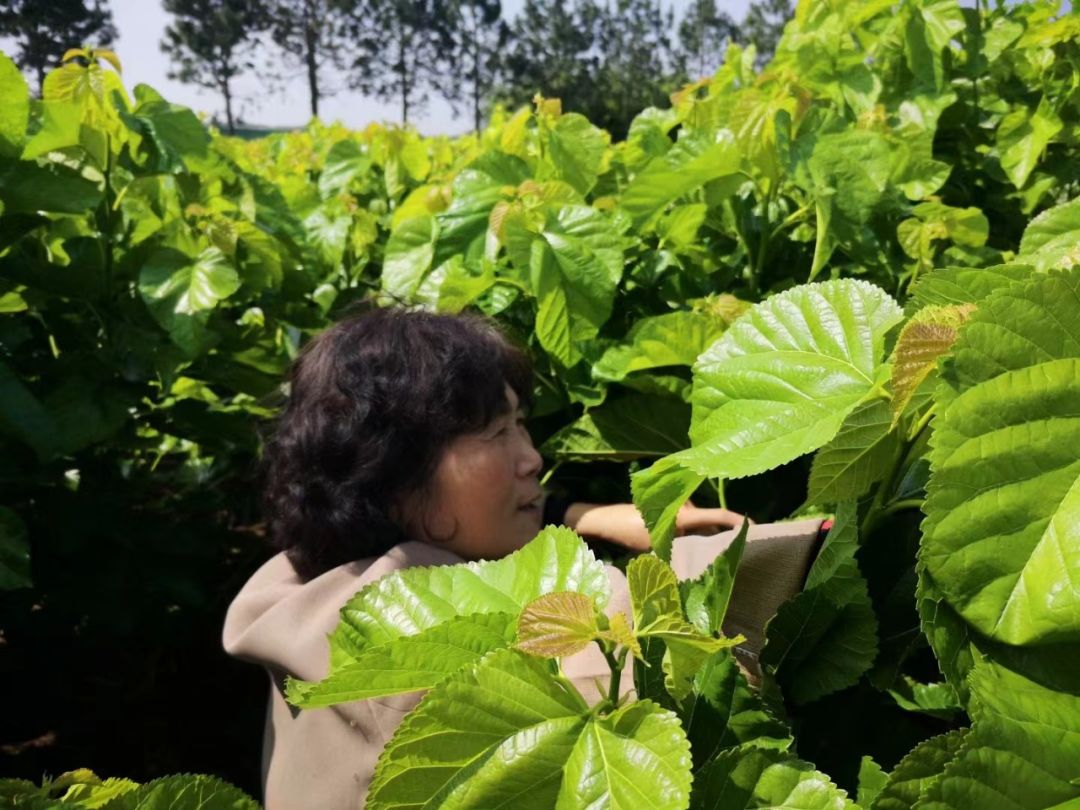
Yu Jiangang resigned in Beijing, returned to the village to raise silkworms and make silk comforters. Over twelve years, he watched two generations of young returnees drift further apart between ecological ideals and commercialisation, and ultimately concluded that true labour on the land is itself home.
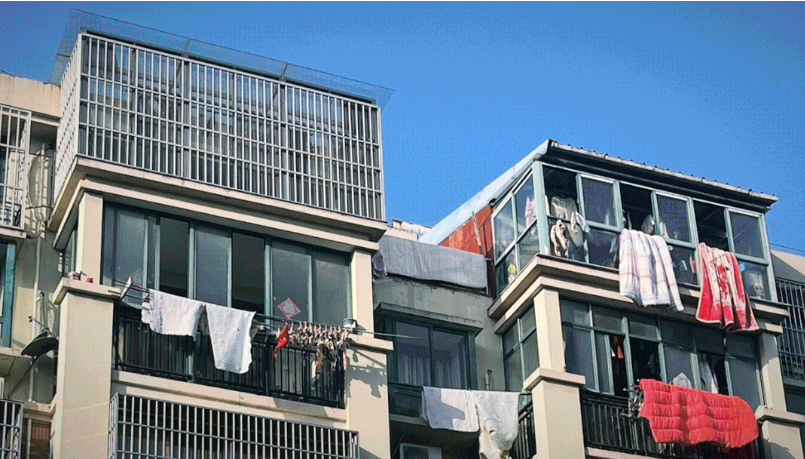
After the lockdown lifted, quilts, cured provisions and pickled vegetables lined every street in this small town in the Anhui region north of the Yangtze; the family followed Mother’s seasonal rhythm — frying meat balls, curing pork — drying out all fear and darkness, and met Grandfather’s passing too.
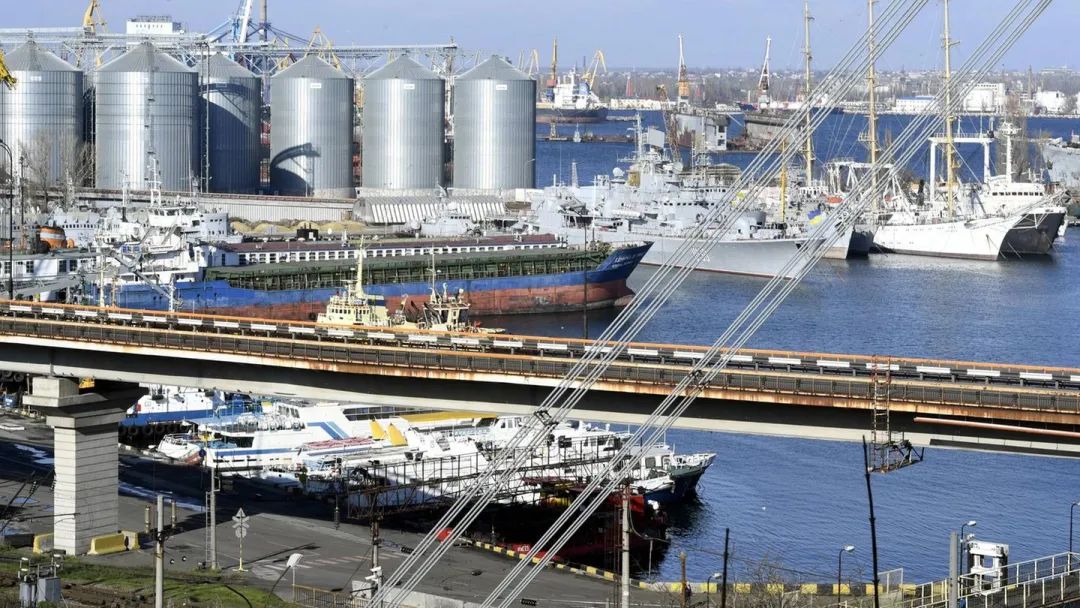
Once the grain corridor was disrupted, Ukrainian grain surged by rail, road and the Danube into southeastern Europe, sparking farmer protests in Poland, Bulgaria and beyond – yet Somalia and other nations most reliant on Ukrainian grain gained little. Around Odesa, farmers are forced to rebuild the entire sales chain.
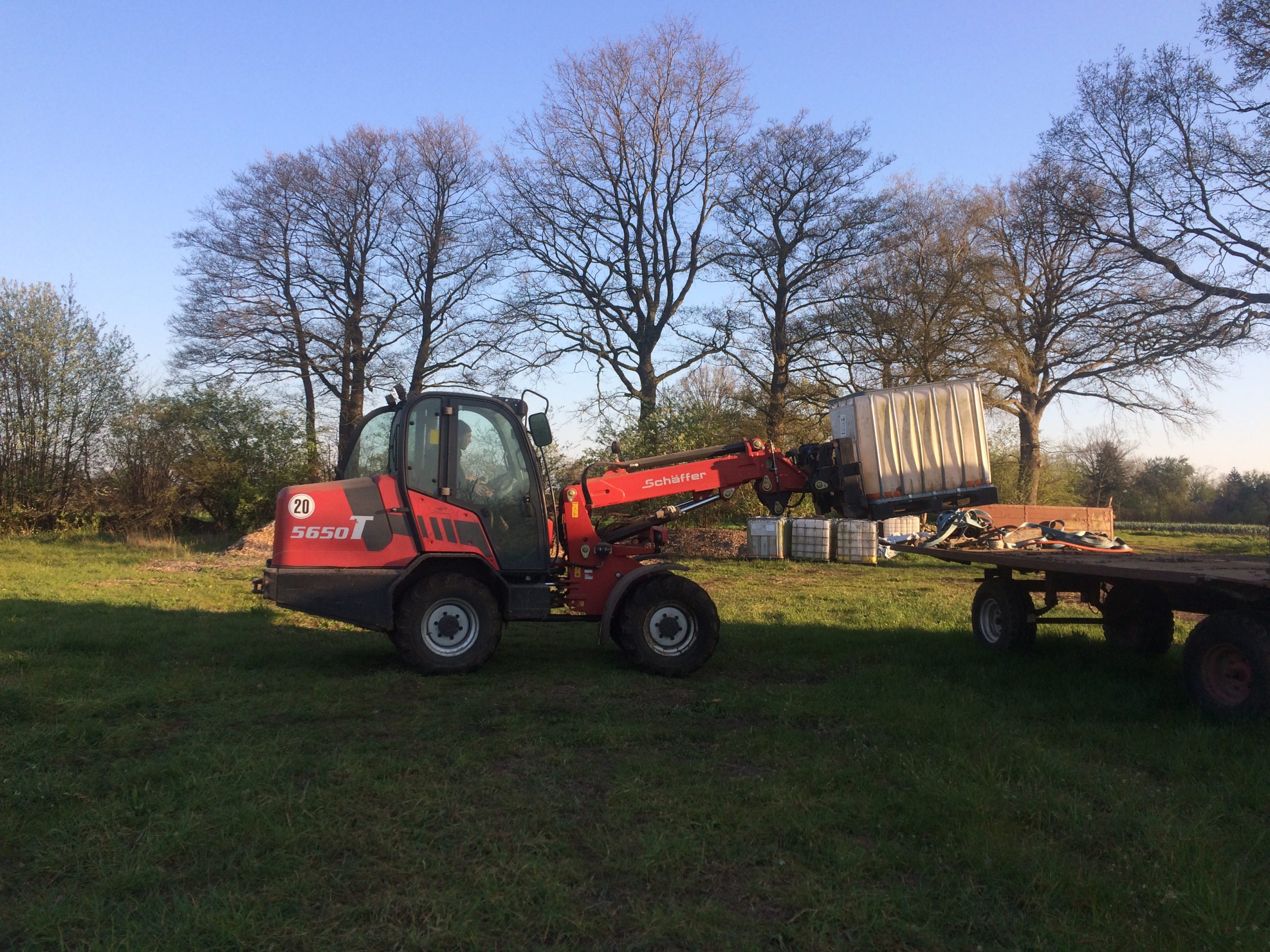
Hard farm labour need not stem from a lack of strength — keeping your back straight, using a broadfork instead of a hoe, and alternating tasks, drawn from German organic farm training and the US Farmworkers’ Ergonomics handbook, make the work easier and kinder to the body.