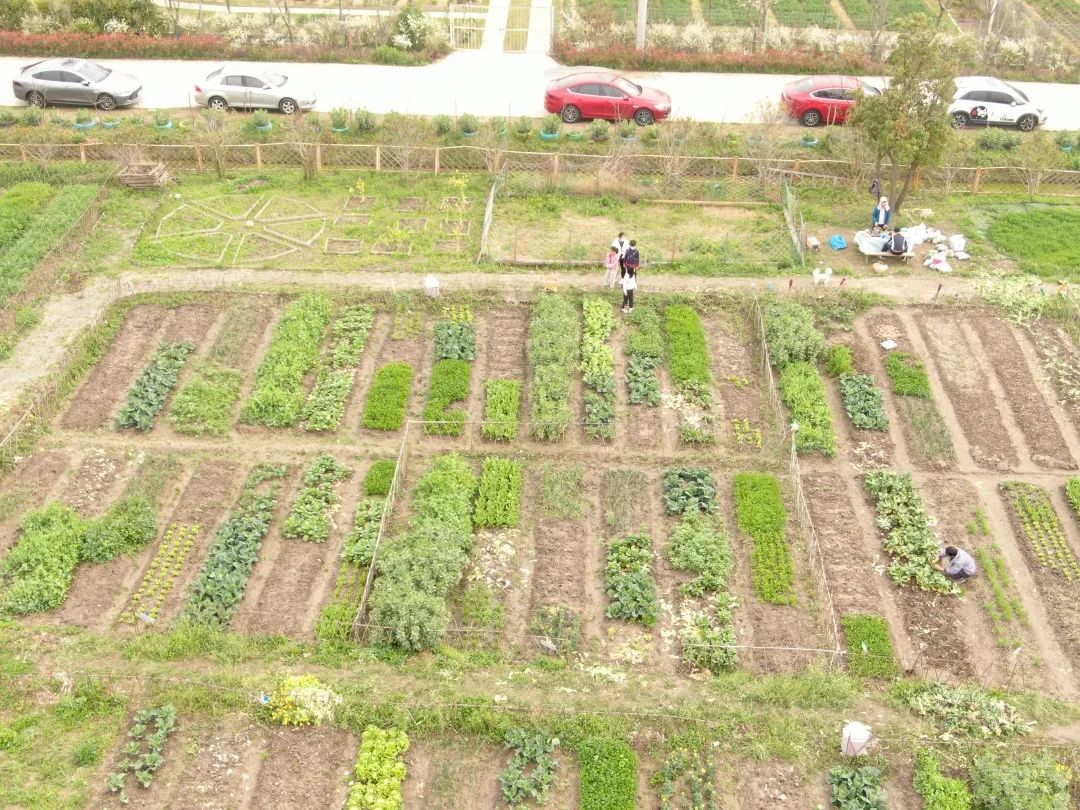
Mr Yuan Qinghua, director of Letian Haiwan Farm in Fengxian, Shanghai, is handy at everything from repairing vehicles and sawing timber to growing vegetables and answering questions. After months interning there, Xiao Mi saw that an ecological farm needs polymaths, not city-style specialists.
At the Jokkmokk market, John and some thirty cousins hawk reindeer meat and silver jewellery, the four-hundred-year-old fair as bustling as ever; yet boarding schools, racial research and Kiruna’s newly discovered rare-earth deposit have never exited Sámi life.
The Dutch nitrogen-reduction policy has put farmers in the dock, yet Rabobank and agribusiness giants like Cargill truly drive—and profit from—high-density intensive farming. With over 40% of farmers below the poverty line, cow dung is merely the most conspicuous scapegoat in the nitrogen crisis.
Tomato shortages and purchase limits gripped British supermarkets in early 2023. Decades of fixed low-price contracts had forced growers to cut production and offloaded costs onto migrant labour — while corner shops squeezed out by supermarkets became the only place left to buy vegetables in a crisis.
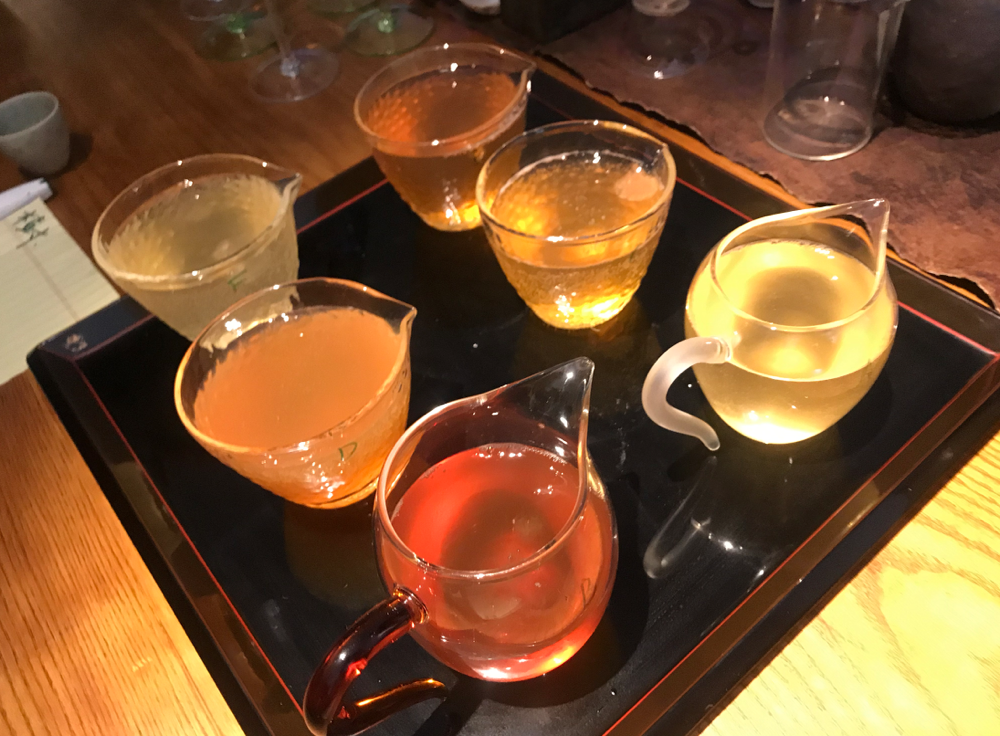
In early summer 2020, Zhang Xiaoshu first tasted kombucha fermented with Chinese tea at a friend’s by the Drum Tower. Three years on, she, tea friends Shuyu and Kiwon, and a growing circle passed cultures, blind-tasted, and guarded connection through a jar of fermentation amid lockdowns and scattering.
Environmental advocates Li Jiacheng and Mao Da, drawing on the book Where Does the Garbage Go?, point out that Japan’s incineration-dominated system is not the best model: in at least 10 Chinese provinces and regions, incineration capacity has already exceeded waste collection volume.
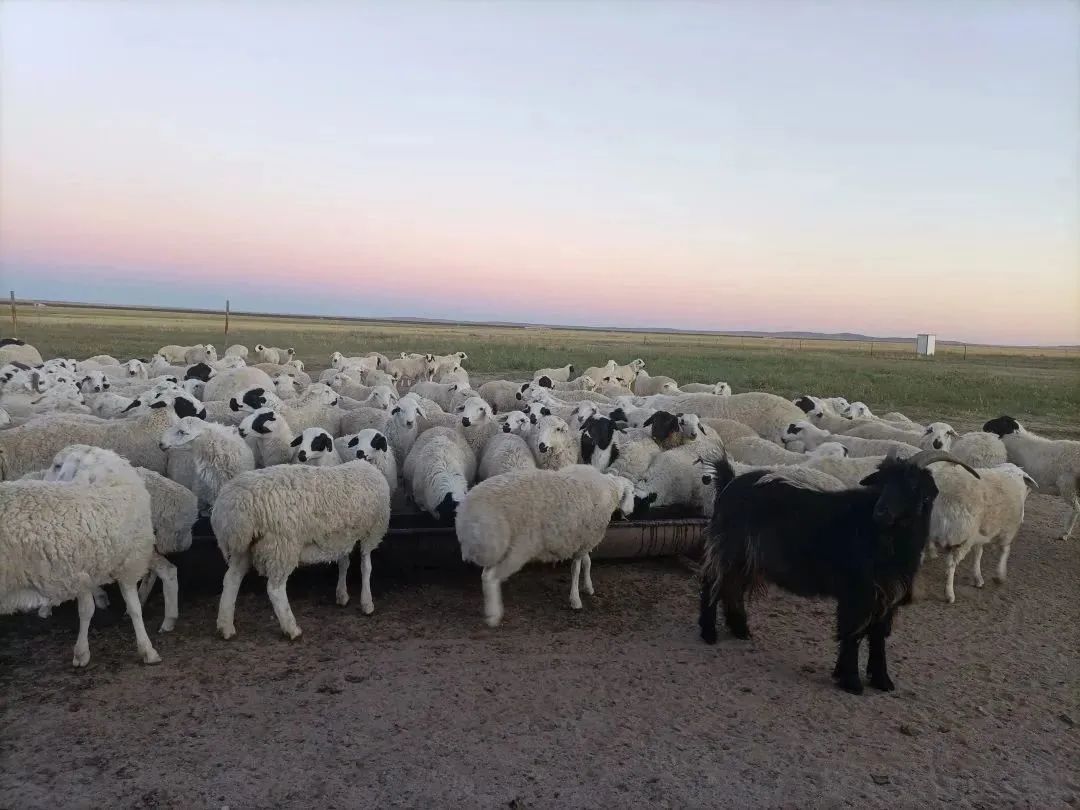
Introduced stud rams like Suffolks and Dorpers are vastly larger in frame than Ordos Fine-wool ewes, so difficult births from uterine torsion are frequent. Vet Dayang in S Banner averages forty to fifty Caesarean sections a day, yet herders often delay calling him while trying traditional remedies.
On a hundred-acre farm beside a creek in the Ohio River valley, Xiaotang and Xiaowen grow shiitake using the sawdust cultivation method to supply about ten local restaurants, while underground, mycelium quietly intertwines tree roots, wildflowers, and everyday life.
Xiaowen clones mycelium on agar plates in a little cabin by the stream; husband Xiaotang hoists ninety-pound oyster mushroom columns bare-handed. While button mushrooms in North American supermarkets haven’t changed their genes in forty years, the couple guards a hand-powered workshop, outside the assembly line.
Two of herder Dalai’s sheep refused food or water; Station Chief De made two days of calls, but the metal detector found nothing. A necropsy finally confirmed the cause: the sick ewes had swallowed wire broken from the fencing — the flock’s pregnant ewes fell ill in turn.