
Flowing Cultures, Intertwined Lives: If Our Language Were Kombucha
“People never enjoy a fermented drink alone.”
——Neither Raw Nor Cooked: A Civilisation History of Fermented Food
I. I. First Encounters
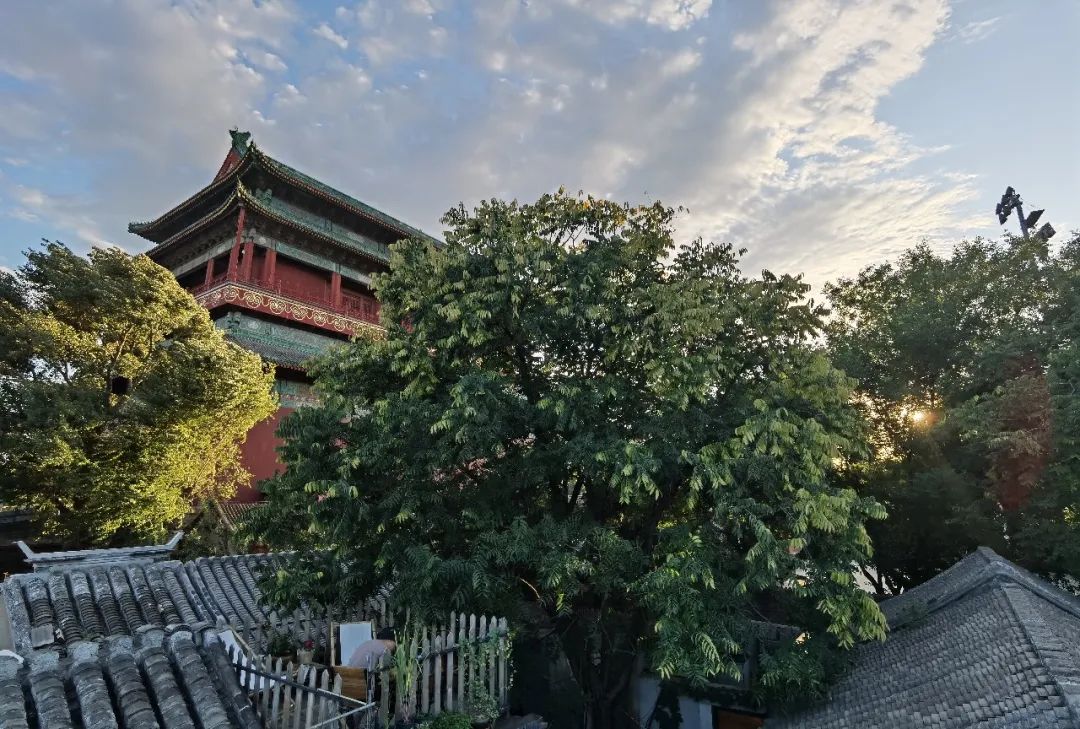
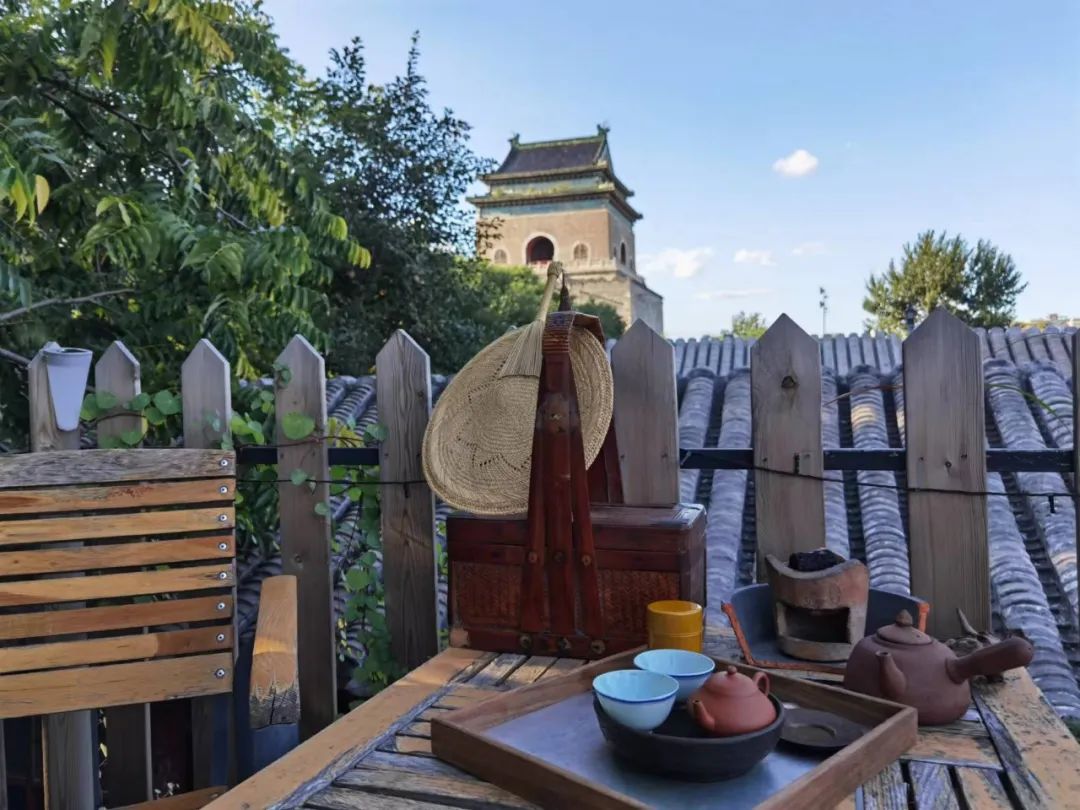
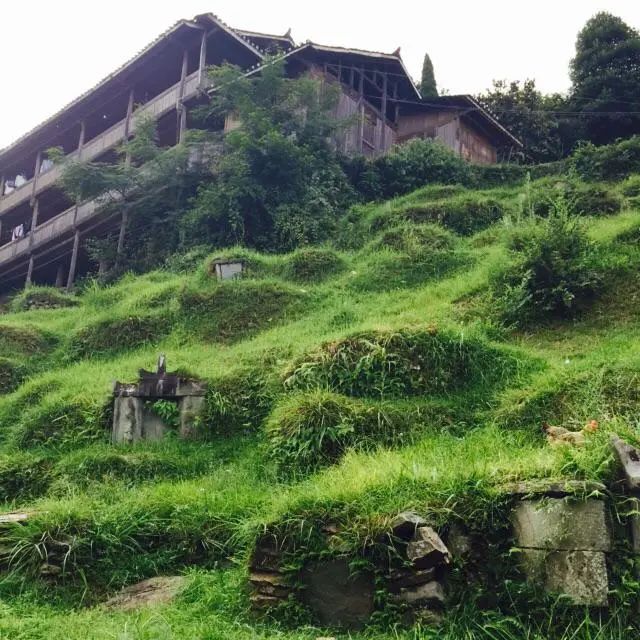
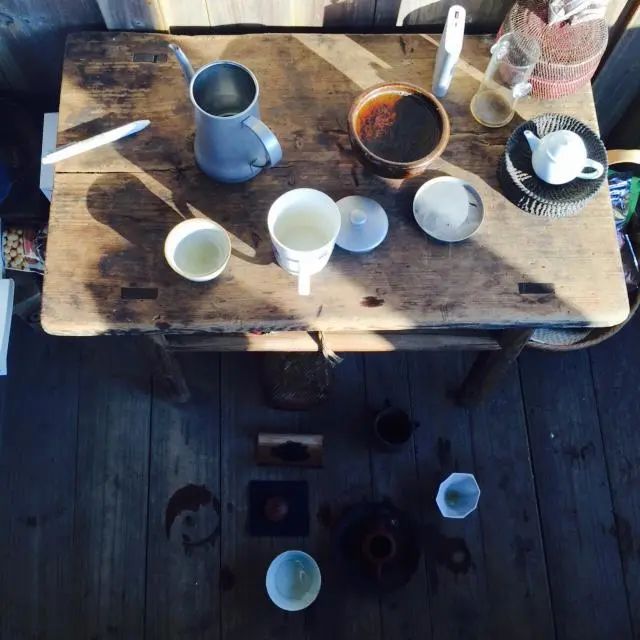
I first met Shuyu in Qiandongnan (Southeast Guizhou), where we had briefly worked together in a Dong village called Tang’an. At the time, she was the executive director of the local ecomuseum, and we shared a resident workstation perched above an ancient burial ground. It was a stilted earthen building, sparsely furnished and rarely lived in. She found delight in simplicity: on a timber corridor mottled by rain and darkened by years, she carved out a small tea space. Between visits to village after village, we would haul a thermos up the hill to seek out a spring, and amid the morning mist and evening rain on the corridor, we boiled water and brewed tea, talking freely and drinking at leisure. The tea’s aromatic warmth rose in curling vapour, dispelling the damp cold of the Guizhou hills. She was the one who first inspired me to drink tea.
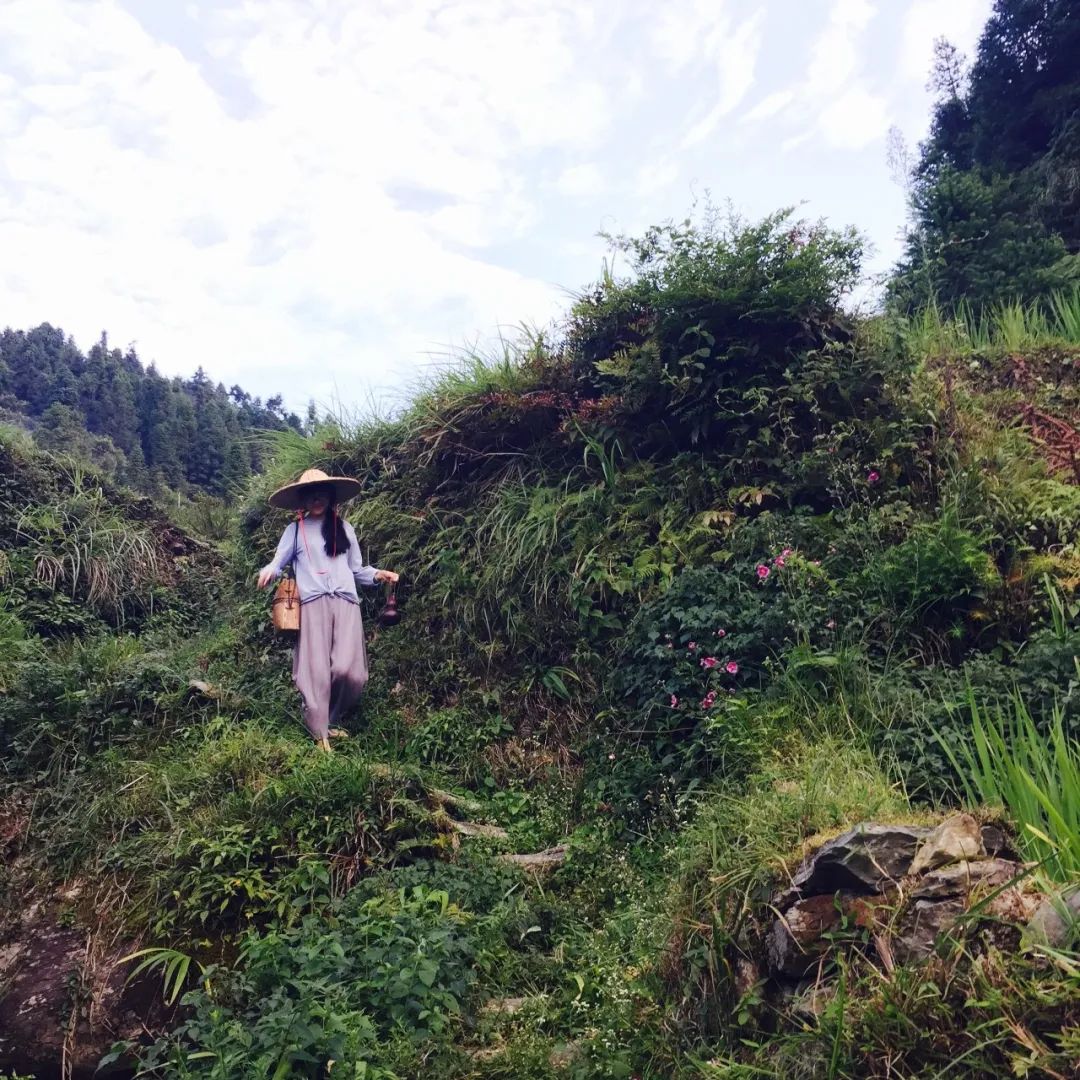
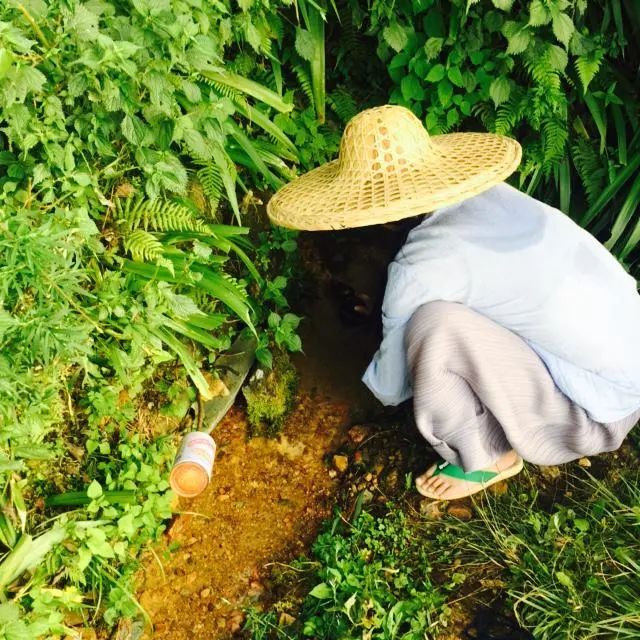
Once we left the mountains, tea became the thread that sustained our friendship and, in time, led her to meet Kiwon. It was an encounter that crossed national borders, languages, cultures – even the cosmos itself.
Kiwon is a Korean-American astrophysicist from the United States who loves Chinese tea. Through his frequent travels between China and the US, he has built a cross-Pacific exchange of tea. The connection began with tea and was ultimately settled by tea: Kiwon stayed in China, exploring the universe in a cup alongside Shuyu.
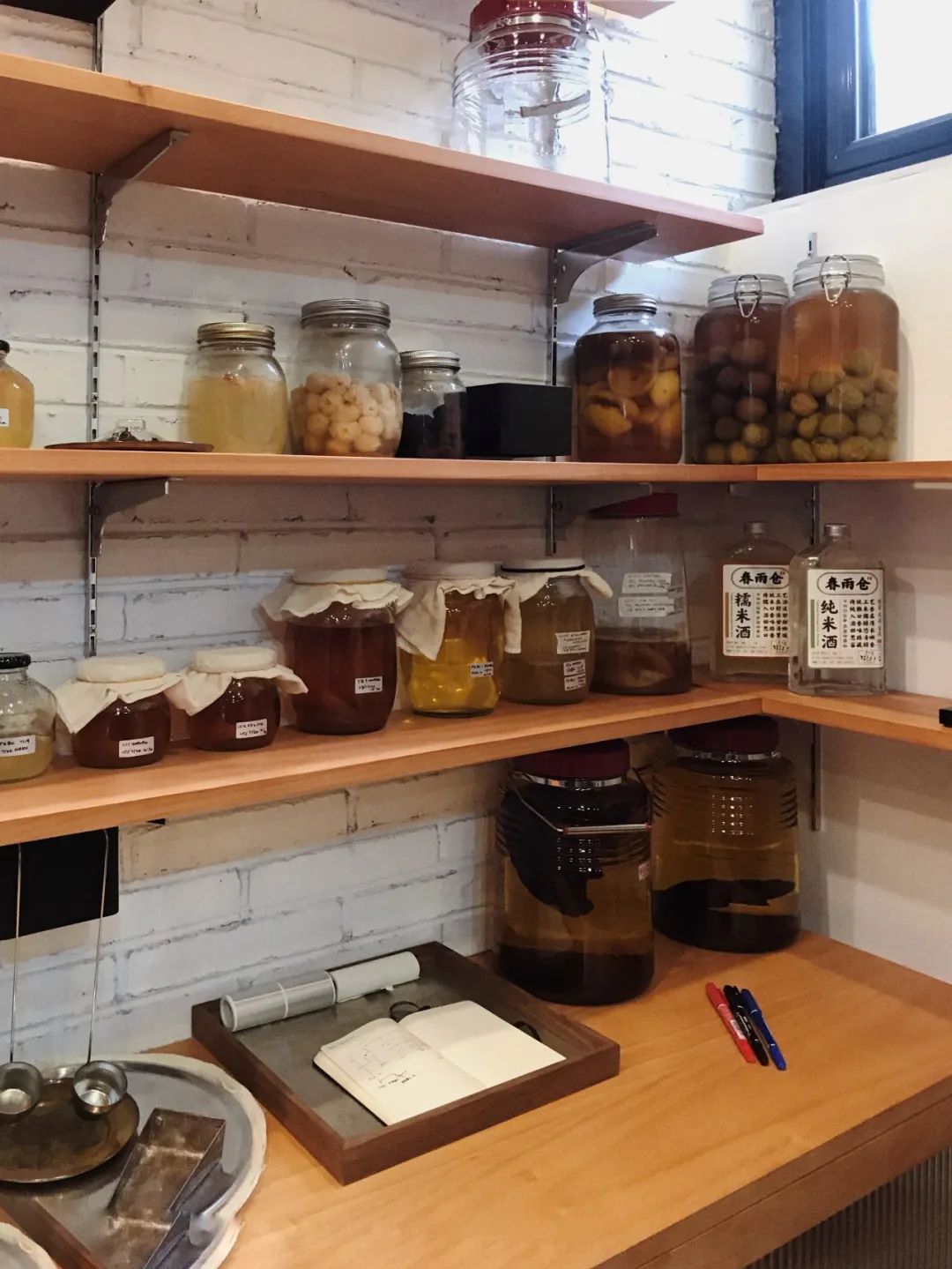
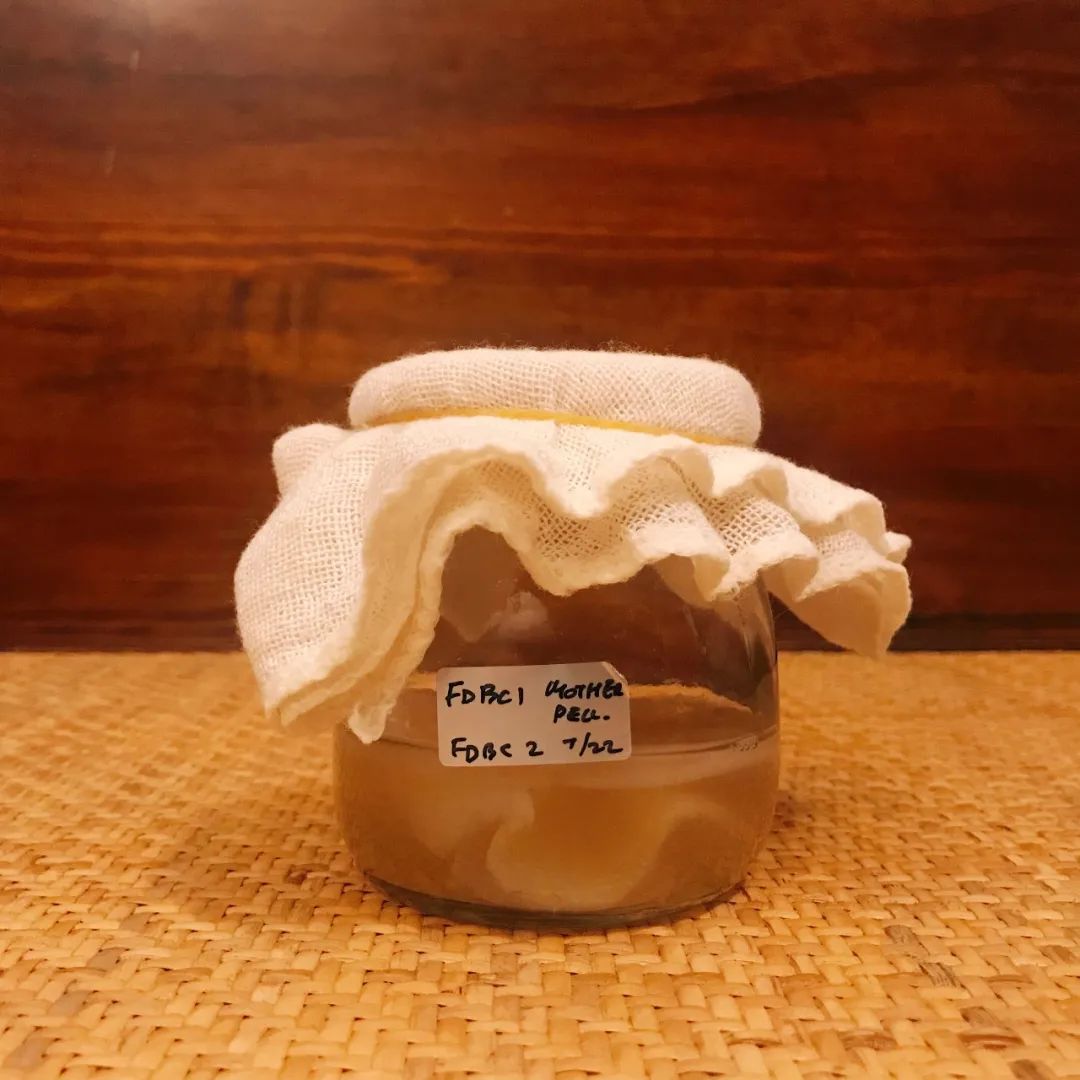
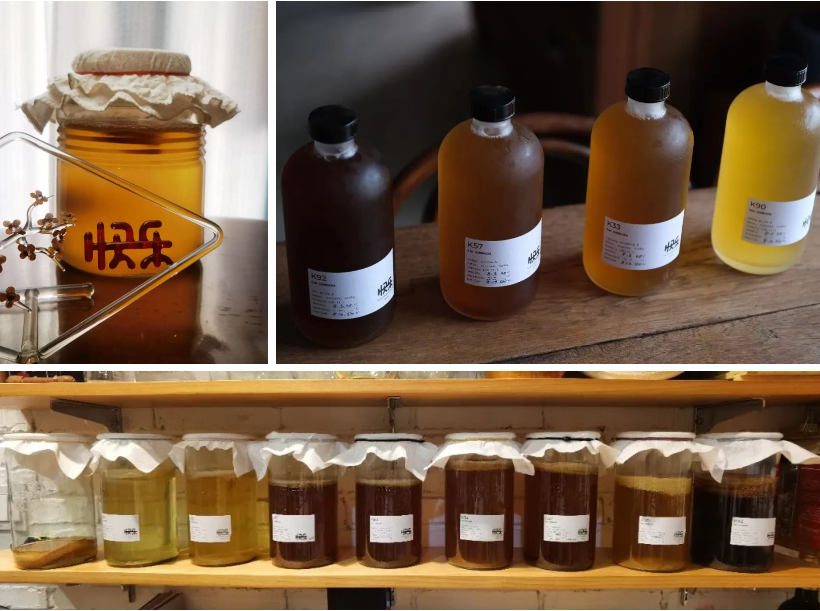
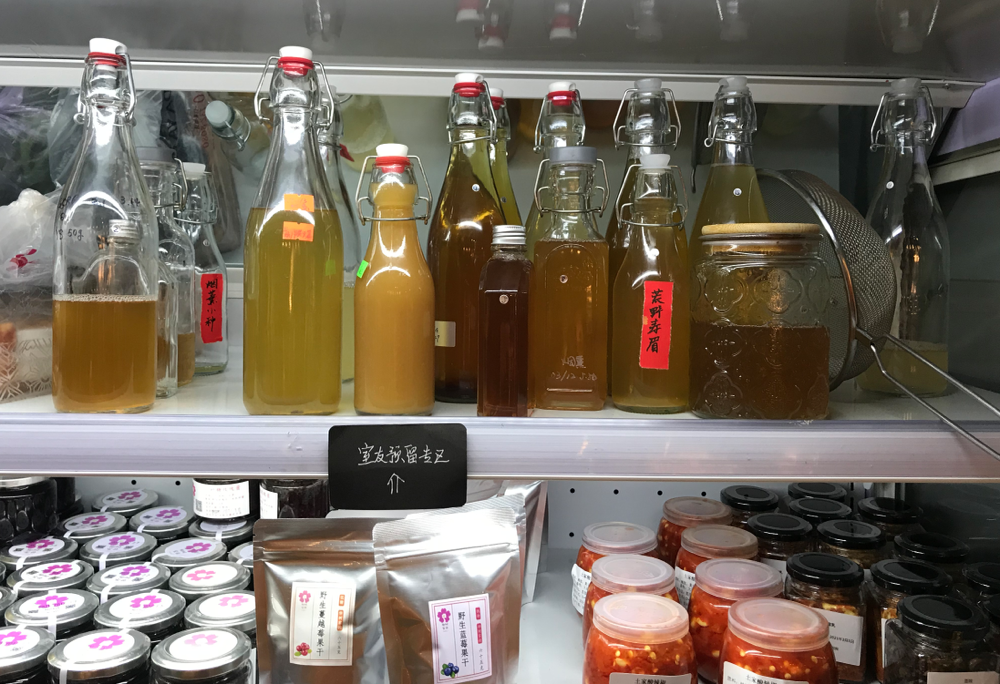
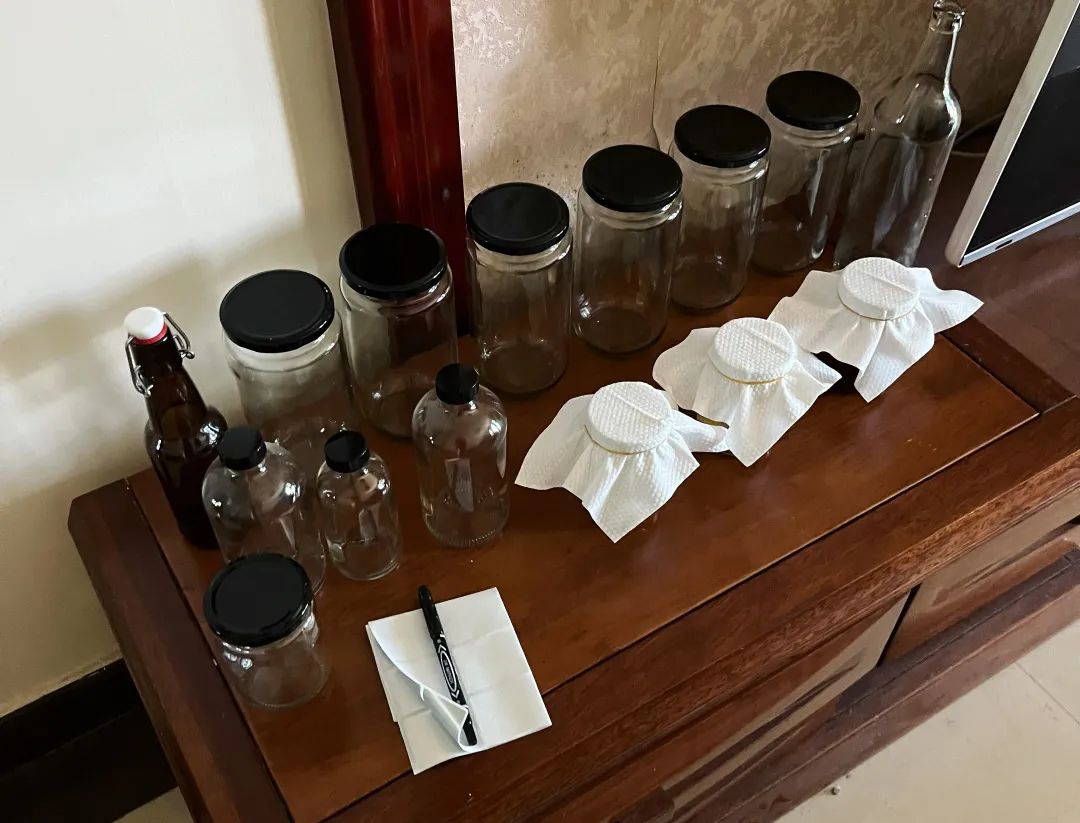
As in our usual gatherings, we shared good food, fine tea, and updates on each other’s lives. After the meal and over tea, Shuyu and Kiwon produced two glass bottles from the fridge, introducing their “new friends” with a hint of mystery and excitement. I had already noticed the glass jars lined up at varying heights on the shelf; the dates and capital-letter abbreviations on their labels seemed like some kind of code. One read “FDBC2 7/22”.
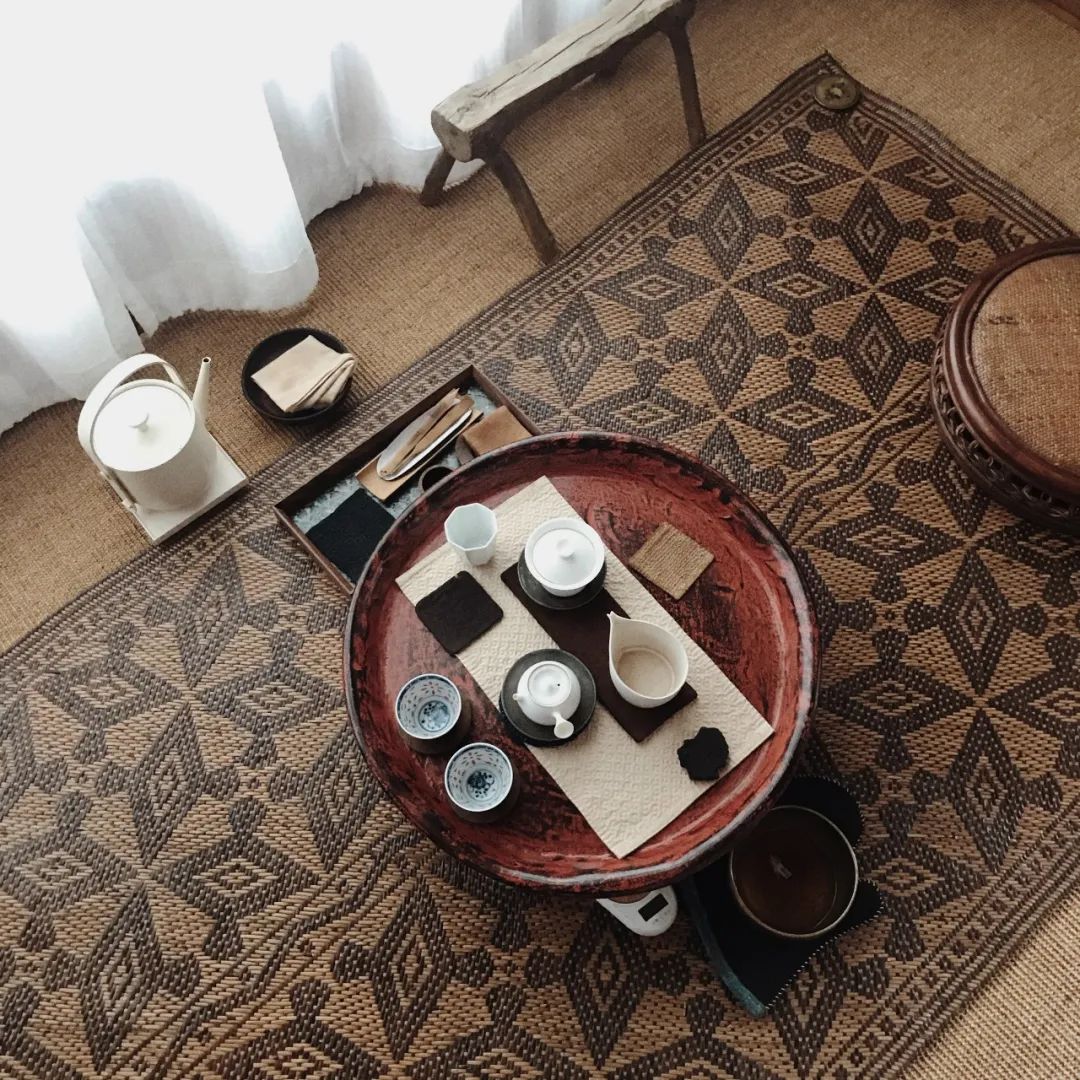
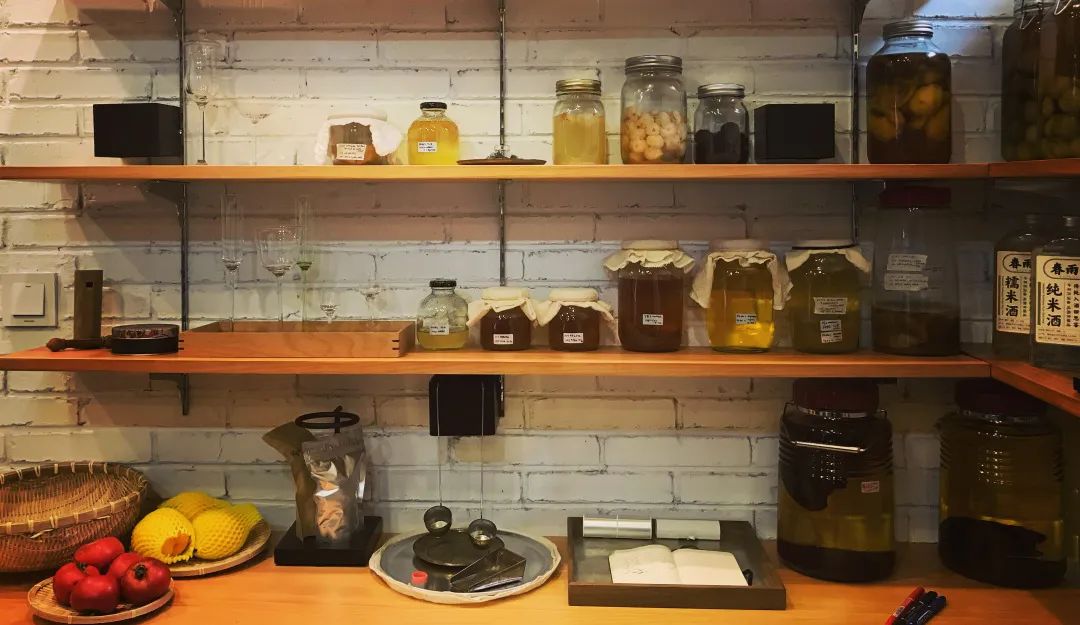
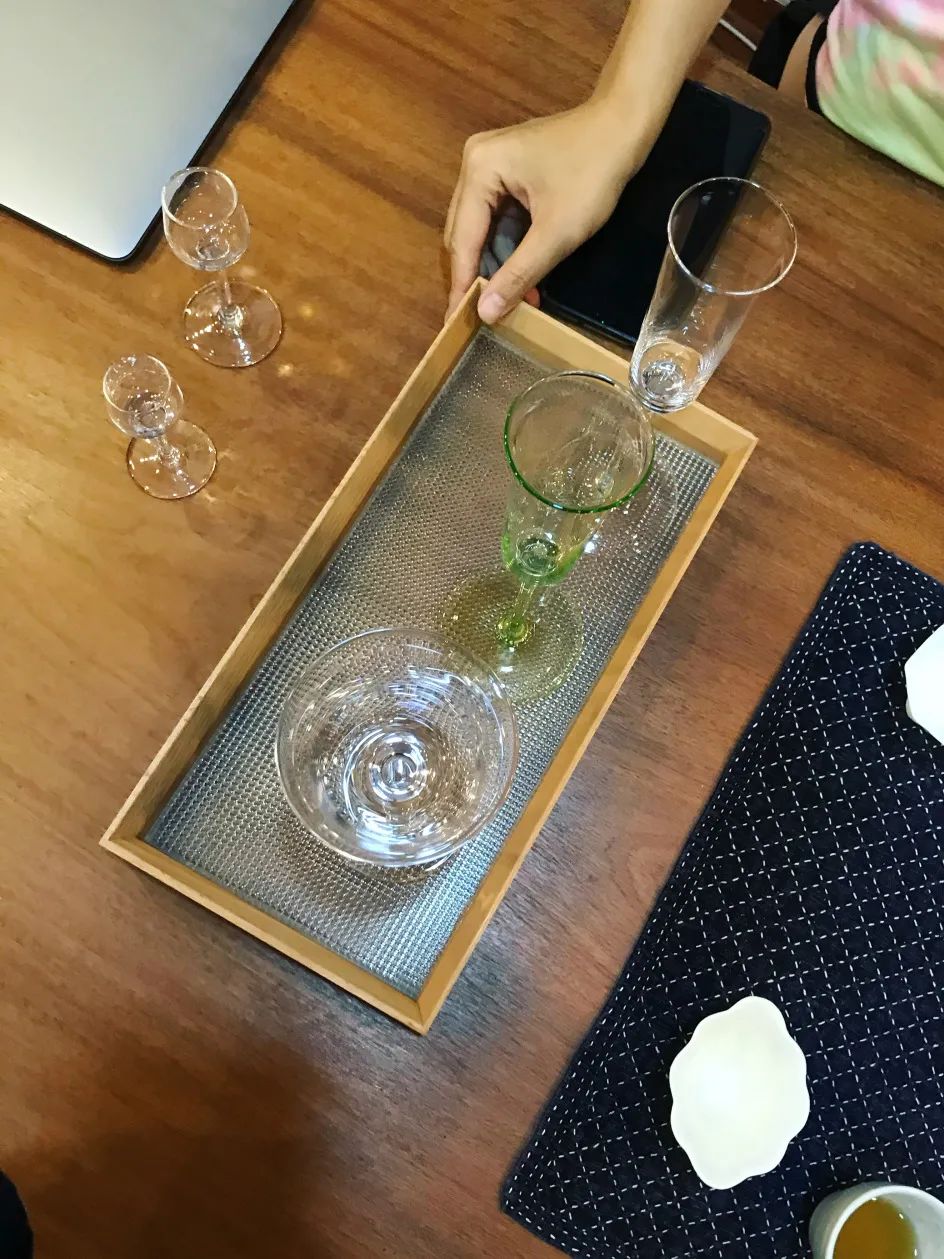
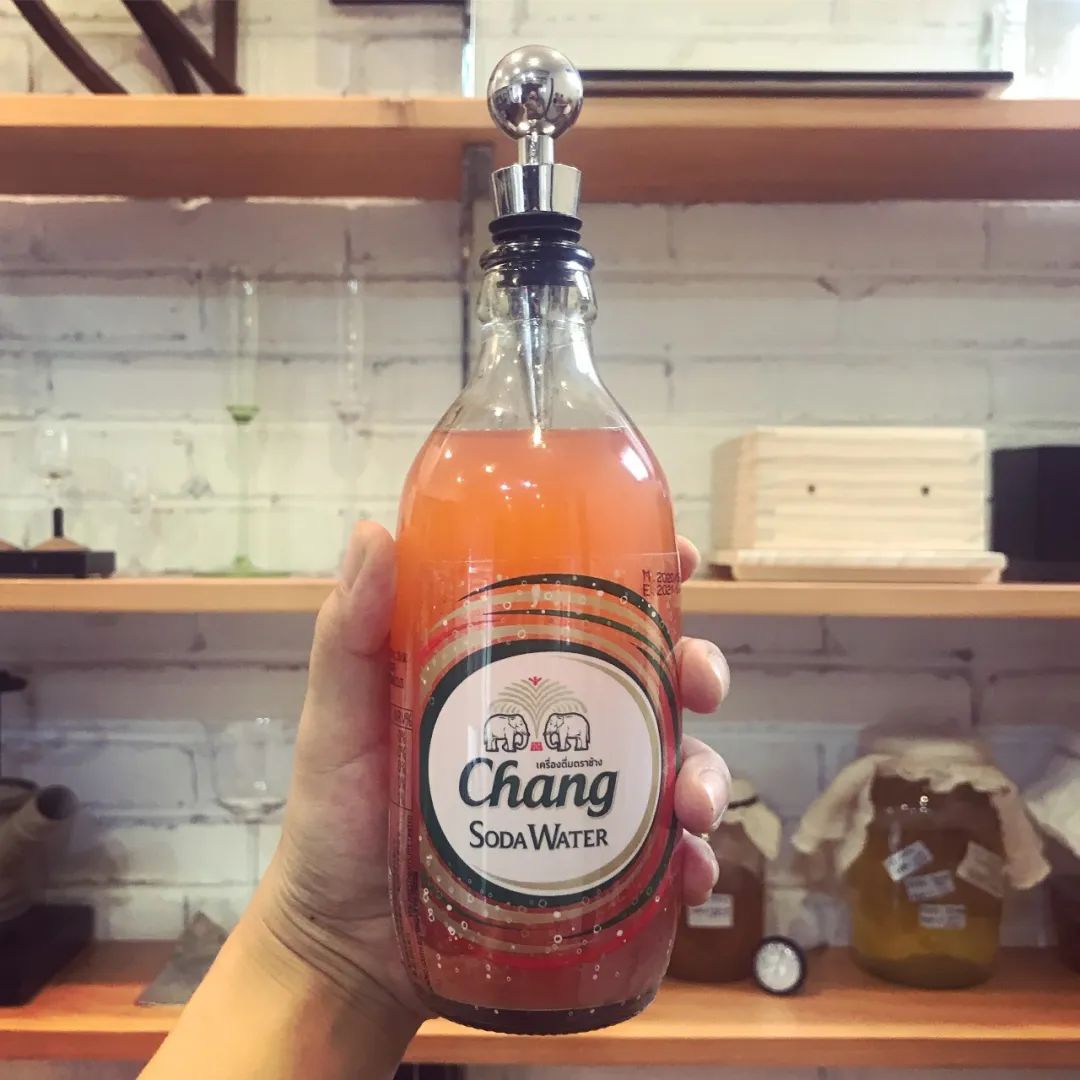
I can never forget that first sip – a long-overdue surprise for the palate. The pale apricot liquid, chilled and gleaming, hit the tongue sweet and sour; fine bubbles surged one after another to burst sizzingly across the tip of my tongue – tea, flower, fruit, the tang of fermentation – aromas too many to take in. The tartness brought a brief tightening, and then the clear, airy lightness and downy fragrance unique to White Peony (Fuding white tea) unfurled and lingered through my mouth. So “FDBC” stood for “Fuding White Tea.”
They were clearly delighted by my reaction and only then revealed the answer: this was kombucha, fermented on a base of tea-sugar water, and the tea they had chosen was indeed White Peony. The second cup that followed was built on a base of smoky Lapsang Souchong (Tongmu Pass black tea), its bright, refreshing character a world apart.
II. Re-Fermentation of Chinese Tea
I was tinkering with my pickle jars at the time, and though the oxygen environment differed, I understood it instinctively in the moment. I could not help but marvel again and again: those ethereal, fleeting aromas that rise and evaporate with the steam from a hot drink – through microbial metabolism and transformation – are amplified and preserved, generating yet more fragrance and layers of flavour.
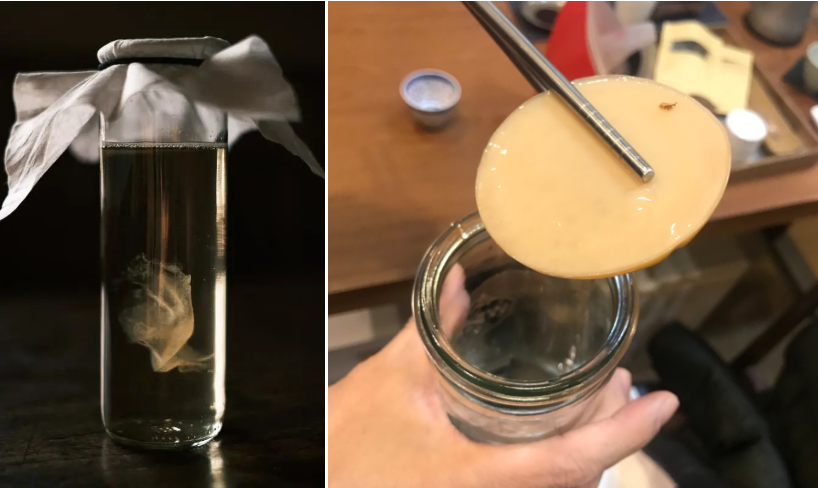
Shuyu first tasted kombucha at a vegan restaurant in the US. At the time she found it simply sweet and tangy, pleasant on the body, beneficial to gut health, and available in a variety of flavours. When she learned that kombucha’s original fermentation base was tea leaves, as a devoted lover of Chinese tea, her instinct was immediate: Chinese tea’s flavours are already so rich – why add further flavours with fruit and spices?
“Tea” in the sense of modern tea science is classified by degree of oxidation into six major categories: green, yellow, white, oolong, black, and dark. A tea’s flavour is the organic fusion of cultivar, tree age, altitude, terroir, garden management, processing technique, and brewing skill – so many elements and variables, paths crisscrossing in intricate profusion, that tea alone already holds an infinite world. Kombucha reintroduces fermentation into the drinking of tea, enabling a further extension and expansion of its flavours.
So, guided by their own palate and rooted in a love of China, Shuyu and Kiwon’s kombucha experiments use only high-quality tea leaves, sampling across categories and varieties, with no intention of introducing other flavouring agents. They are devoted to exploring tea’s essential flavour, with a fervour and severity that border on the fundamentalist.
Today, kombucha has been absorbed into the food industry – once again, North America leads the way, with food giants entering one after another. It is no longer merely a freshly made house drink in artisan restaurants; in all manner of packaging, its image is increasingly appearing on supermarket shelves and in chiller cabinets.
Industrialised, standardised production has made the synthesis and processing of “flavour” ever simpler and faster. The range of products appears abundant, yet in truth is impoverished. Some “kombucha” has been pasteurised to extend shelf life and stabilise flavour, forcibly halting the fermentation. The fizz of fermentation is then simulated by injecting carbon dioxide. And deactivated “kombucha” cannot be self-brewed at home by perpetuating a starter culture – just as genetically modified seed cannot be saved for the next sowing; it must simply be bought again. For Shuyu and Kiwon, if they do not make it themselves, they will never again taste the flavours they love. This is a choice and an act of reclaiming “fermentation sovereignty”.
Shuyu said, with a hint of excitement, that kombucha was their new “project”. She described how Kiwon tirelessly records the quantities, timing and temperature of every batch, and how a single failed fermentation leaves him deeply disheartened. Her easy spontaneity meets Kiwon’s drive to get to the root of things: Shuyu embraces intuition and mystery, staying open and candid towards the unknown; Kiwon trusts records and analysis, endlessly probing and seeking answers. The re-fermentation of tea is also the re-fermentation of a relationship – truly a new project.
III. Adoption and Domestication
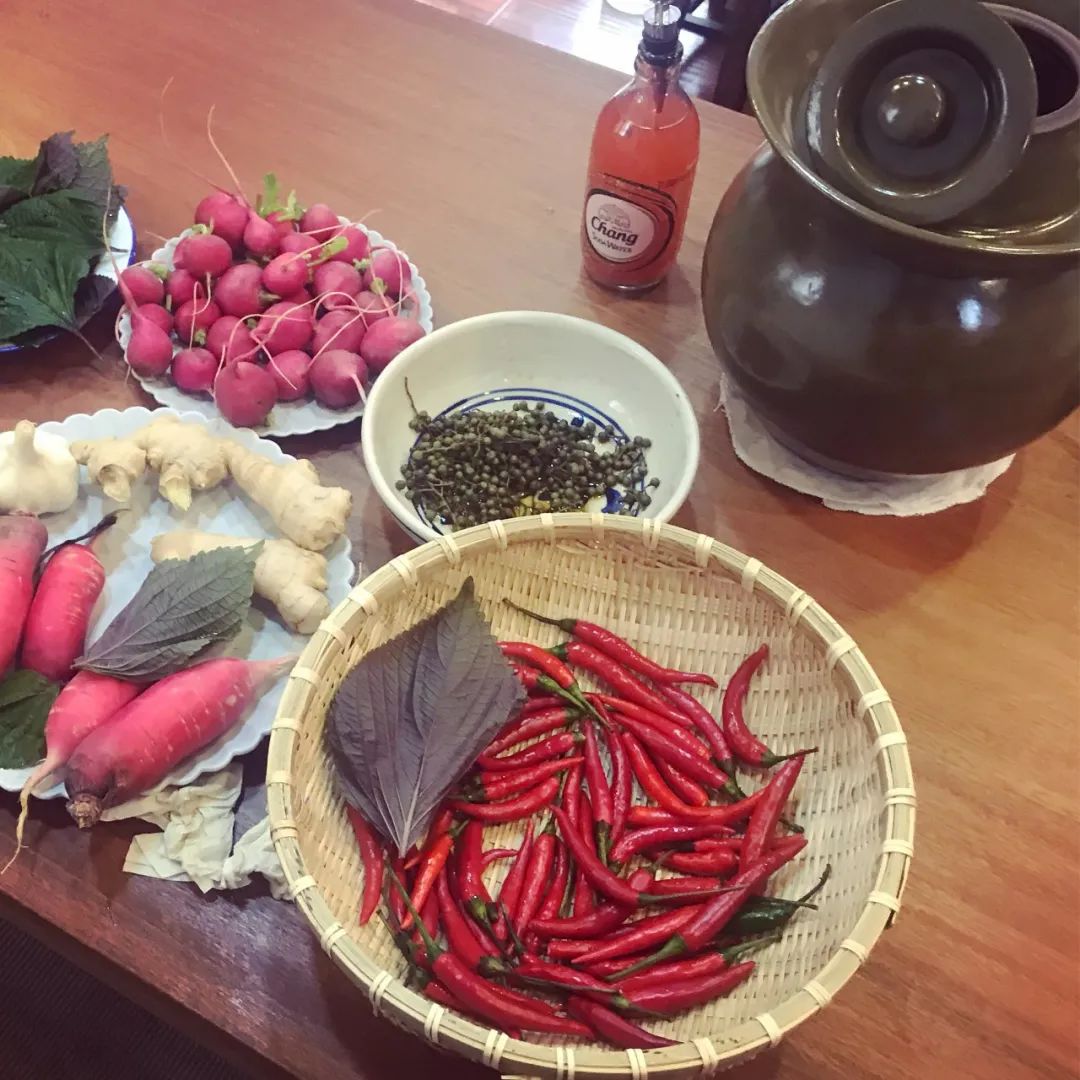
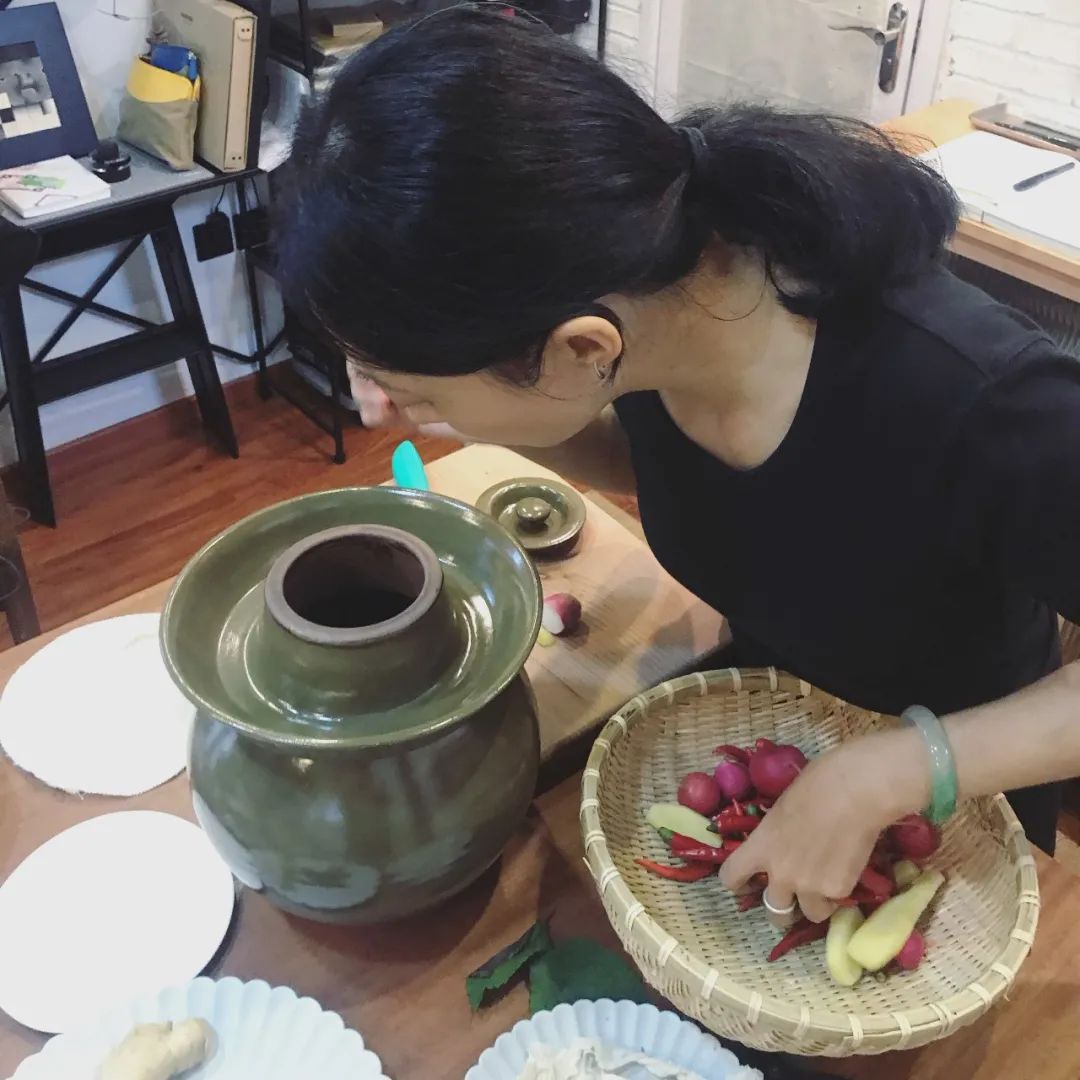
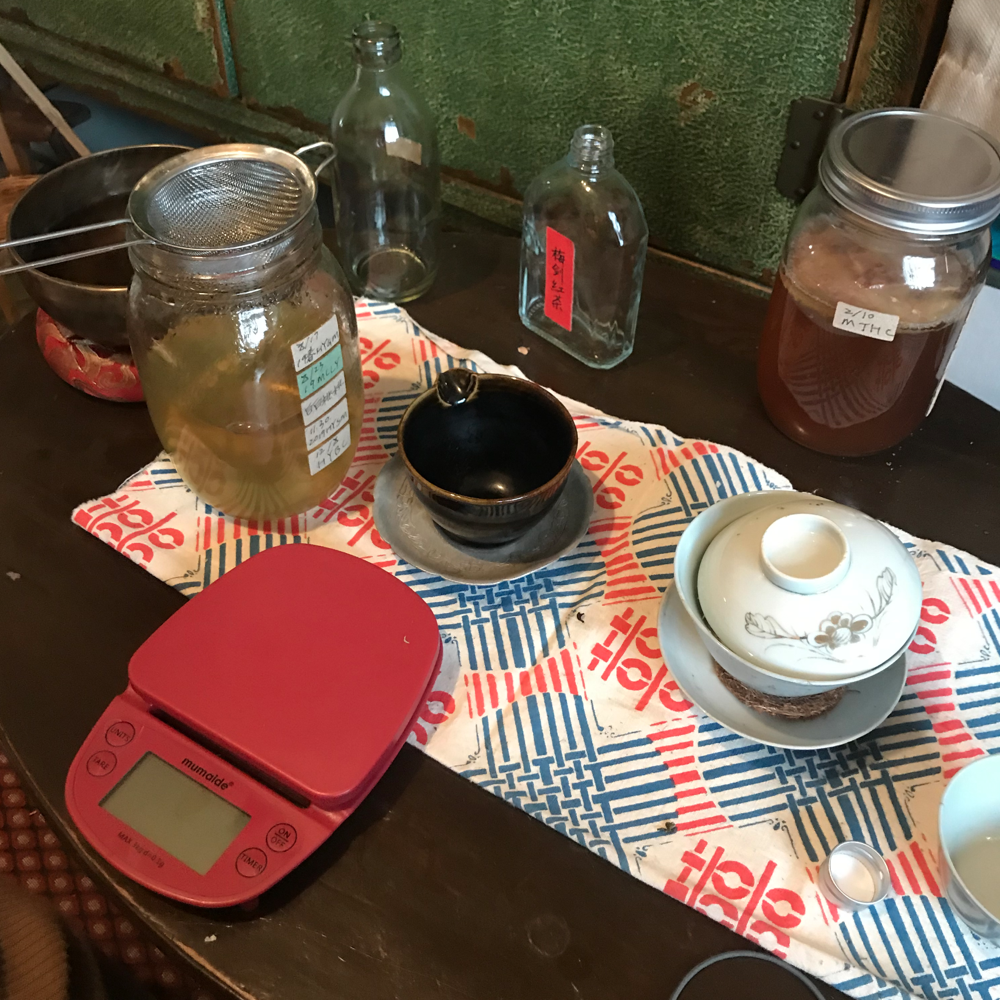
The ratio for tea-sugar water they recommended was “1:10:100”. I had already encountered so many “pinches”, “to taste”, and “a spoonful” across written and oral recipes alike that “1:10:100” felt like a genuinely unambiguous parameter. With so many variables in play – the tea base, water quality, sugar source, temperature, time, humidity, air pressure, the vessel – it served as a benchmark, leaving room for variation and adjustment. It was no dogmatic law, yet it became a golden ratio I came to trust with something close to blind faith, like a restaurant a dear friend raves about that, over the years, becomes your own undisputed everyday haunt.
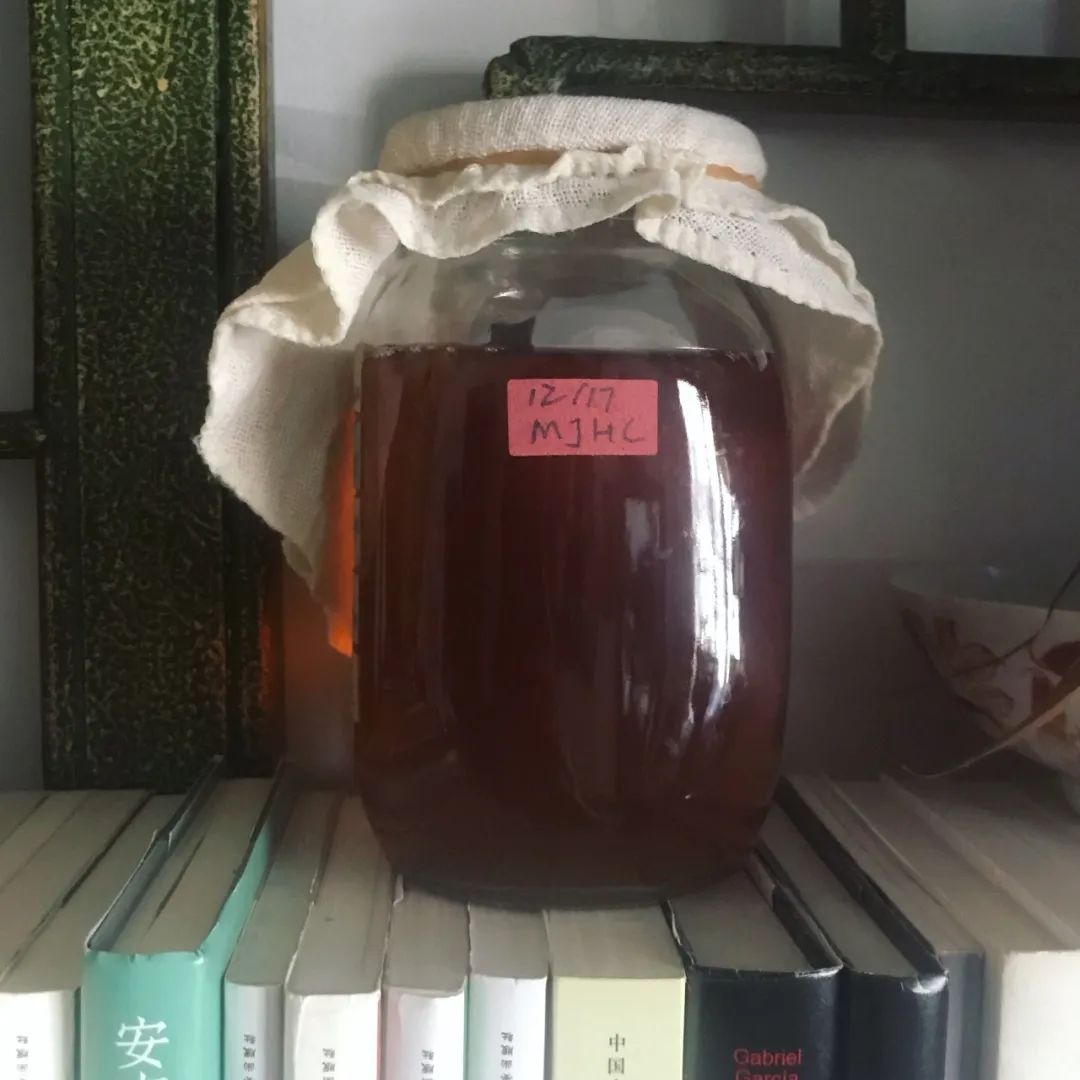
I was eager to start brewing kombucha, but fermentation demands waiting – humans are merely assistants to time and microorganisms. The adopted starter culture, once introduced to the small environment of the home, encountered its “indigenous” microorganisms and gradually formed a new ecology. Between us and the microbes, sharing the same time and place, we adapted to each other, domesticating one another in return.
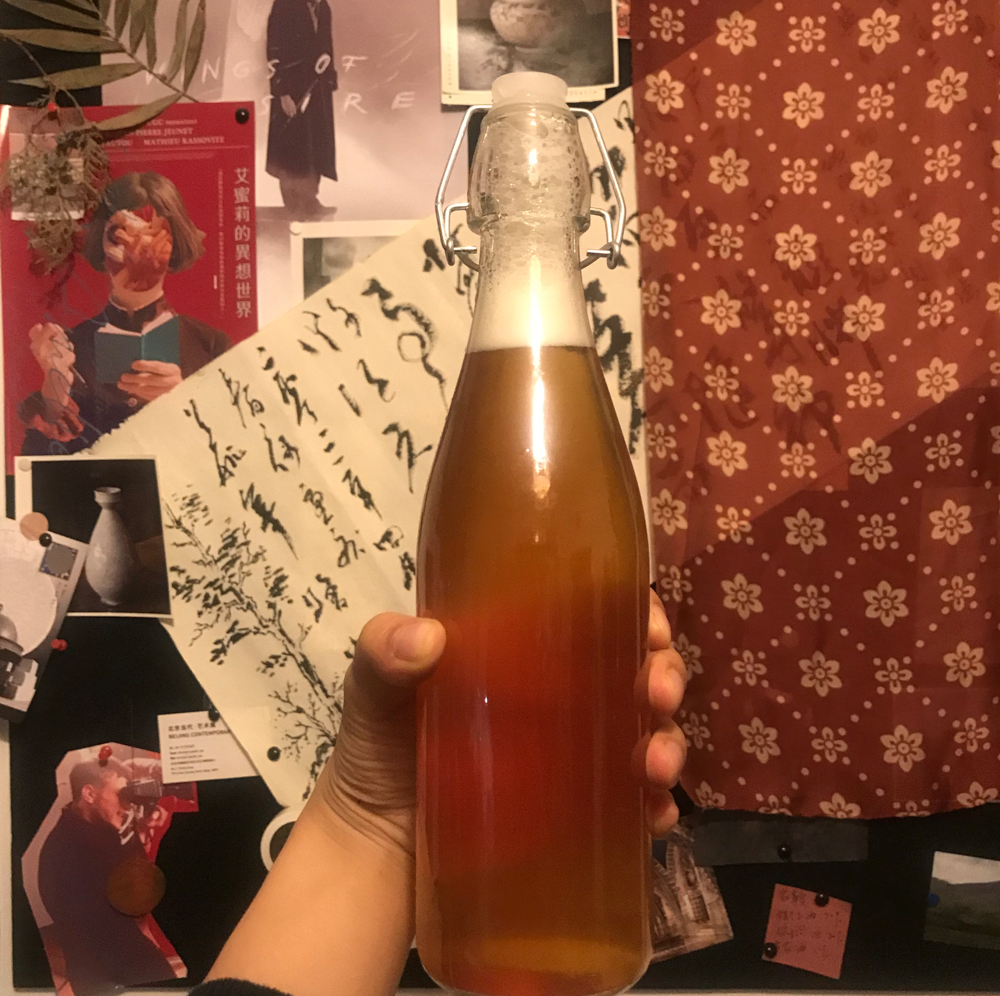
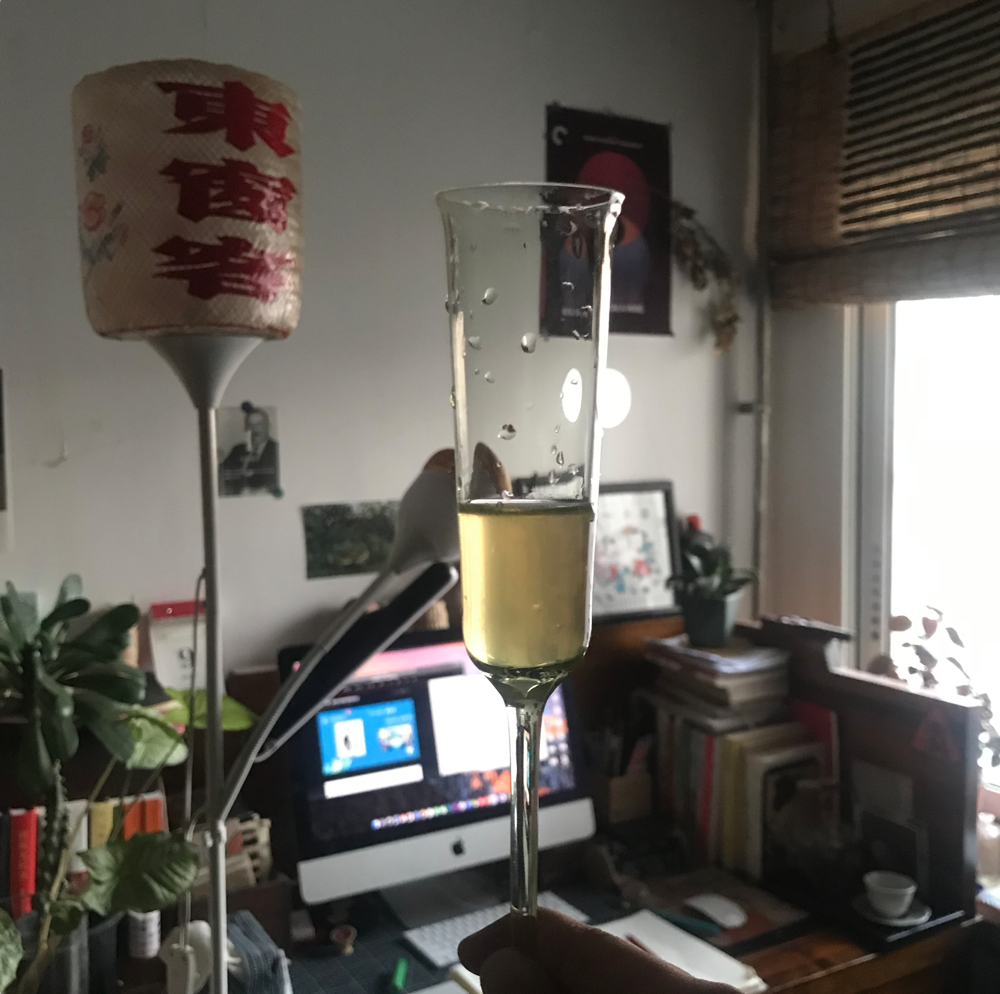
IV. Propagation and Sharing
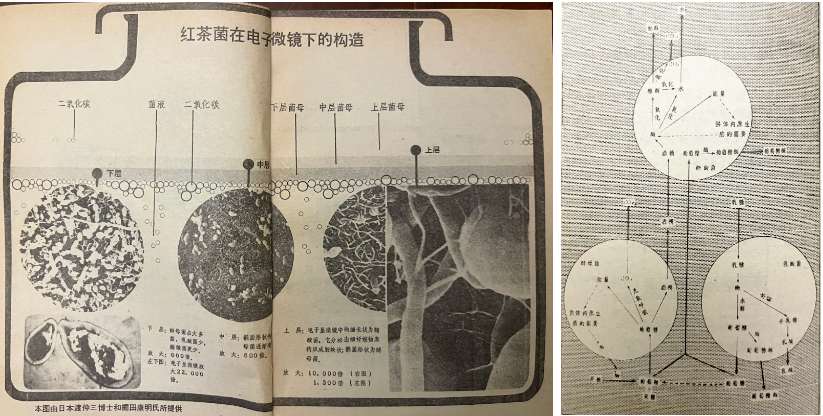
Kombucha is open. Because it is an aerobic fermentation, one can see it, smell it, witness it. It is less that the container holds the microbes than that the microbes enfold the container. I am reminded of what Neale Donald Walsch wrote in Conversations with God: “The soul is the container of the body.” The aroma overflows; joy overflows; and then the starter cultures overflow.
Just as I had received my own starter, I began to share. Production after production, sharing after sharing.
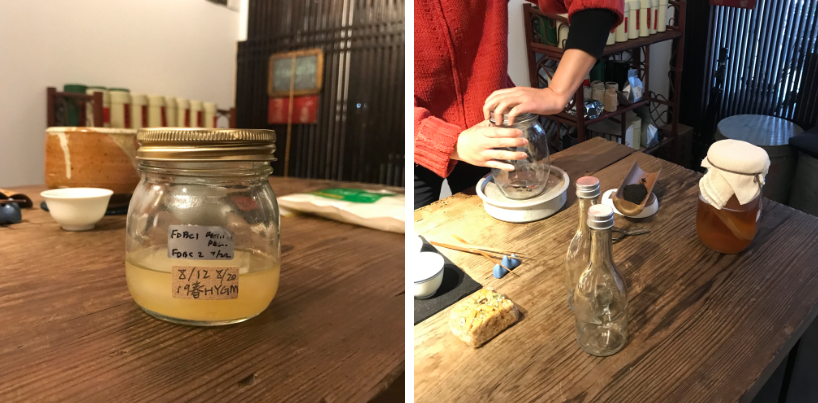
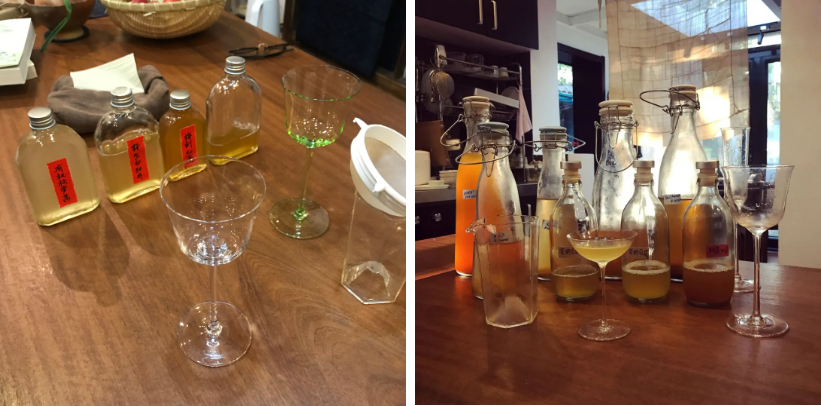
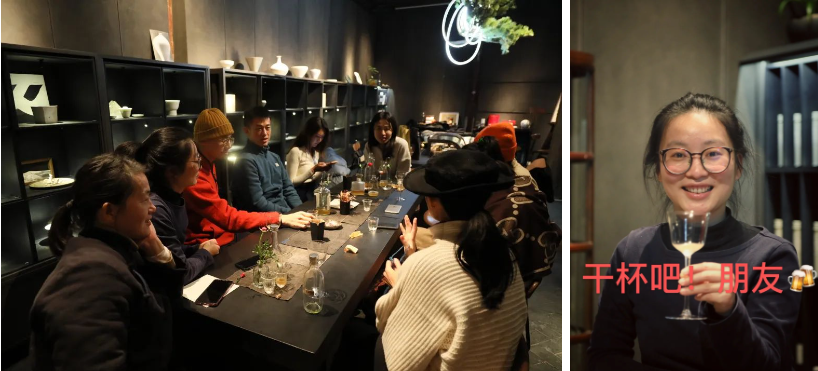
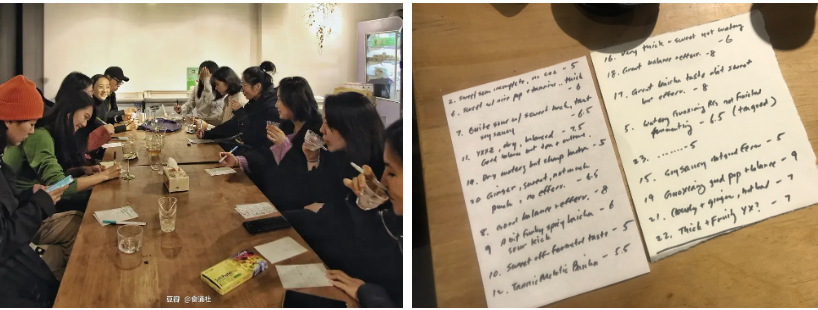
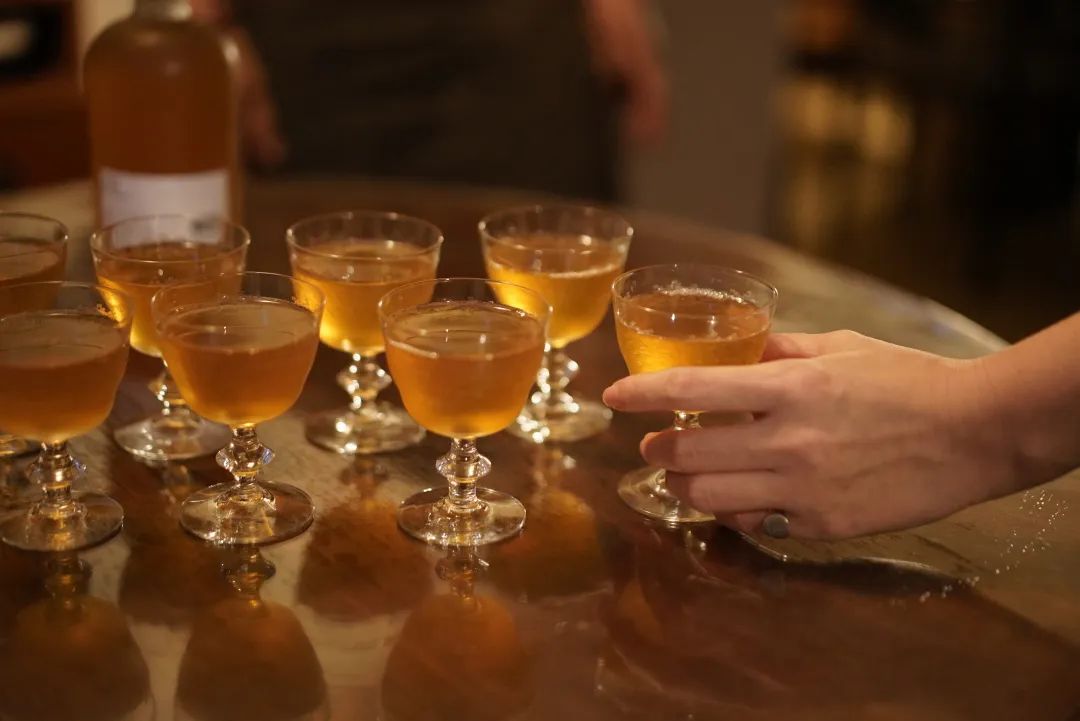
At each blind tasting, we numbered every bottle of kombucha brought along, concealing the maker’s information; poured from a fairness pitcher and divided it cup by cup; recorded our impressions and scores on paper, then tallied to select the top ten. And the host who provided the venue would present the “champion” with a small mystery-box gift.
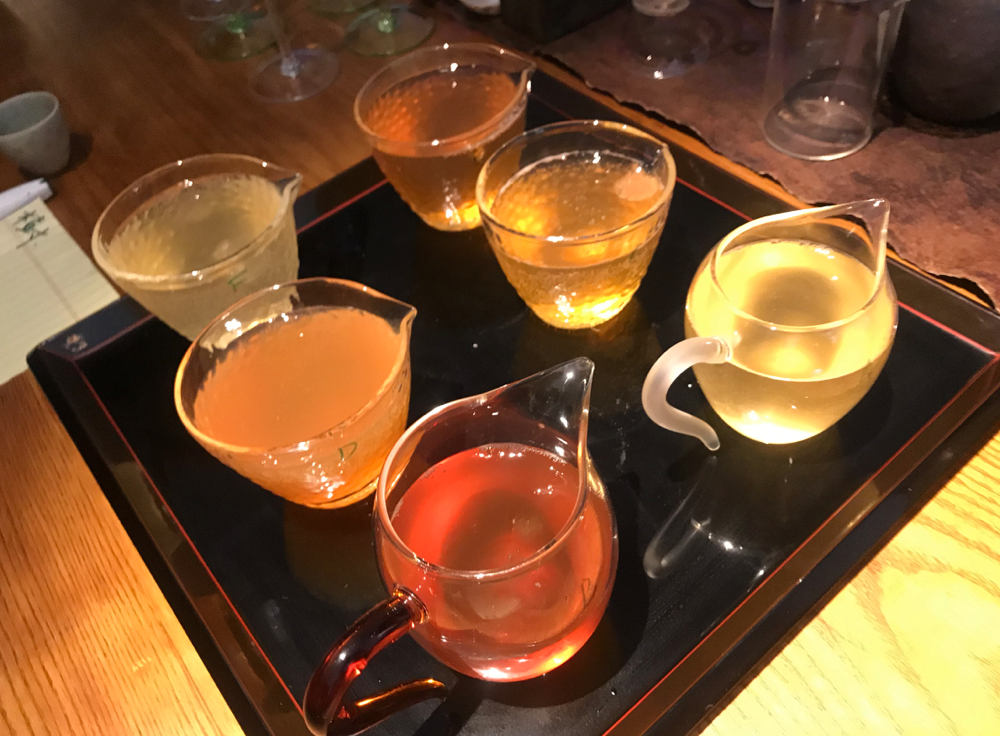
And that selected “champion” is our final, wordless accord – yes, we still believe in the phrase “seek common ground while preserving differences.” In a world ever more polarised and combative, we gather round a single table and, through kombucha, carry out a practical experiment in finding common ground amid difference. In sharing, exchanging, and talking, this microbial “blockchain” grows and multiplies, enacting the ideal of “decentralisation.”
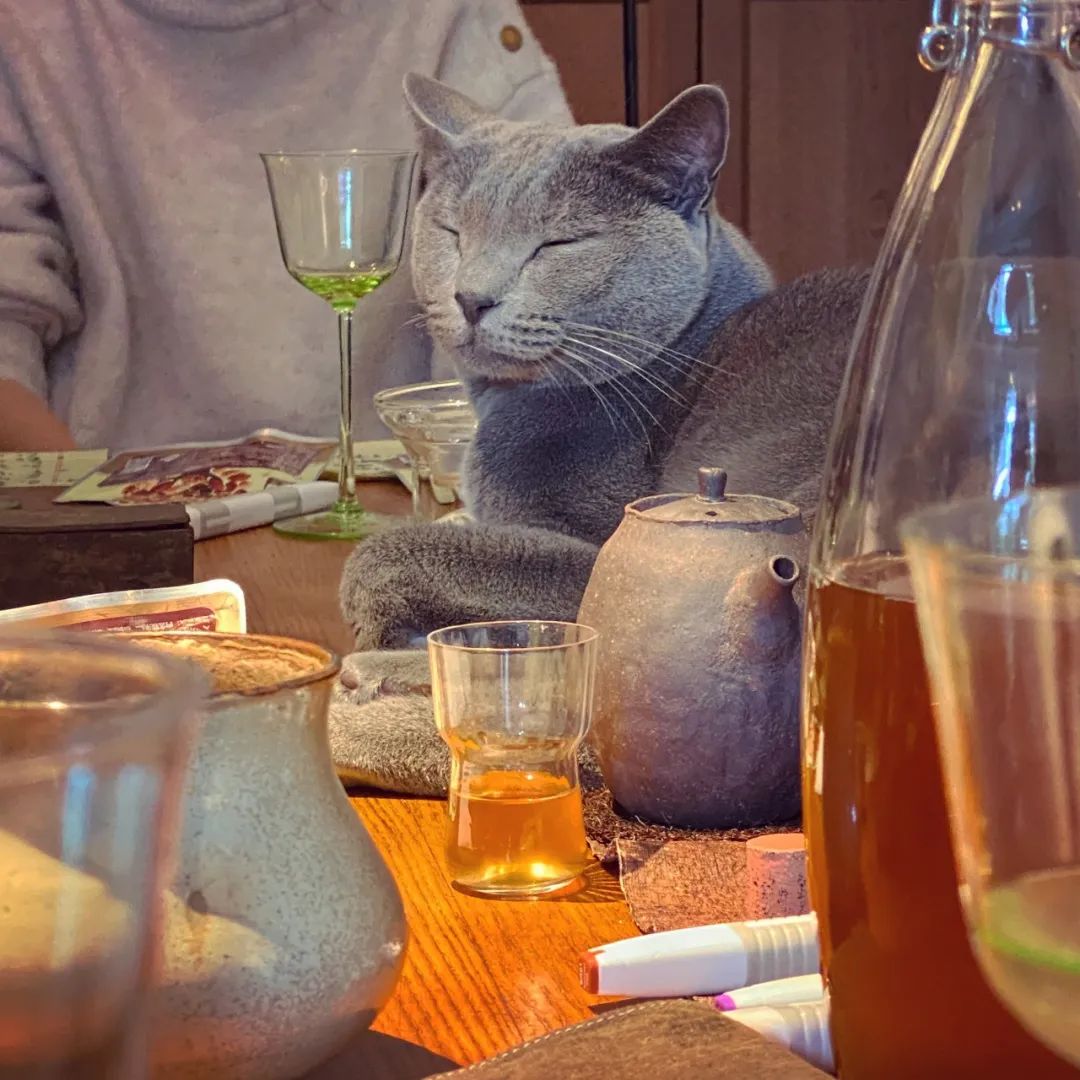
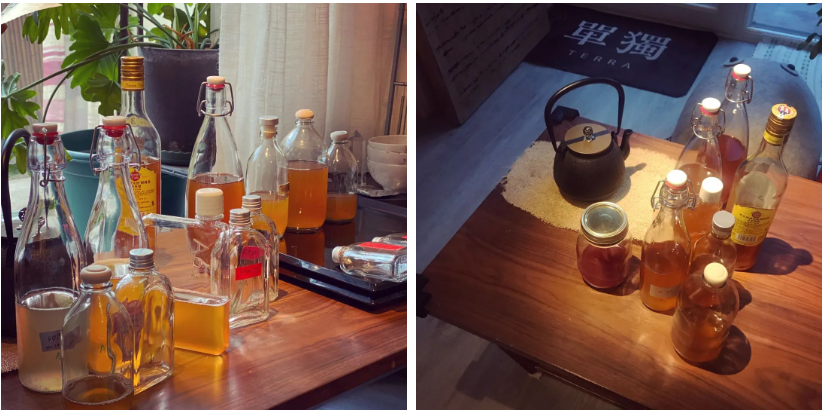
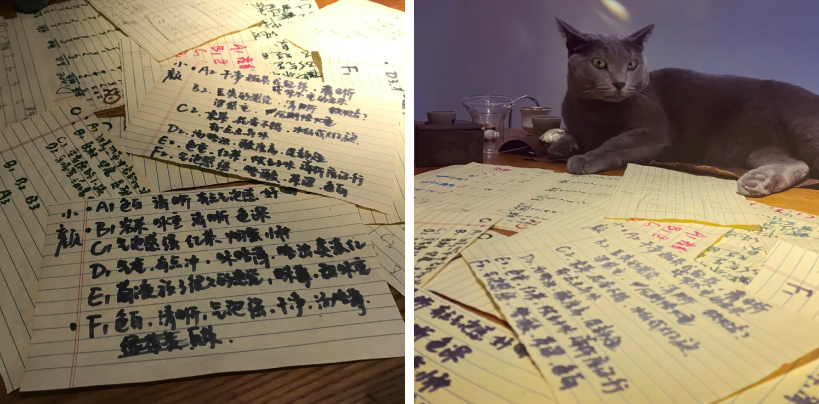
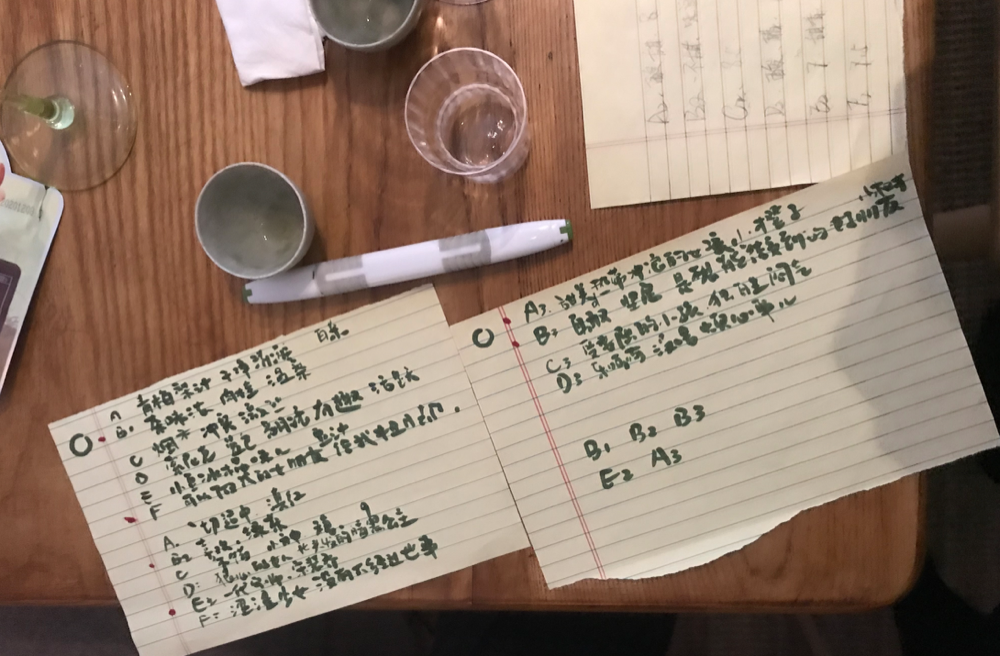
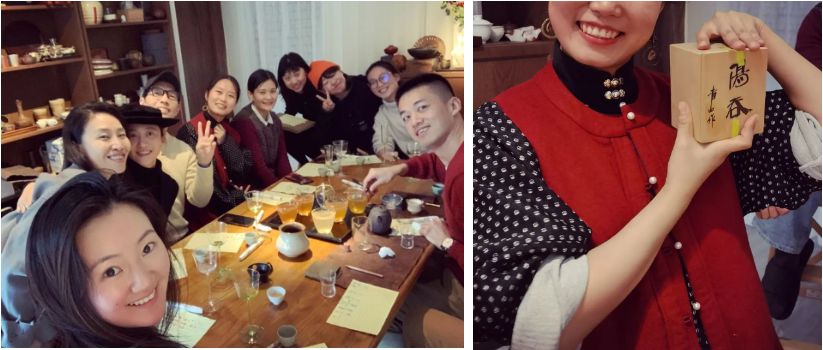
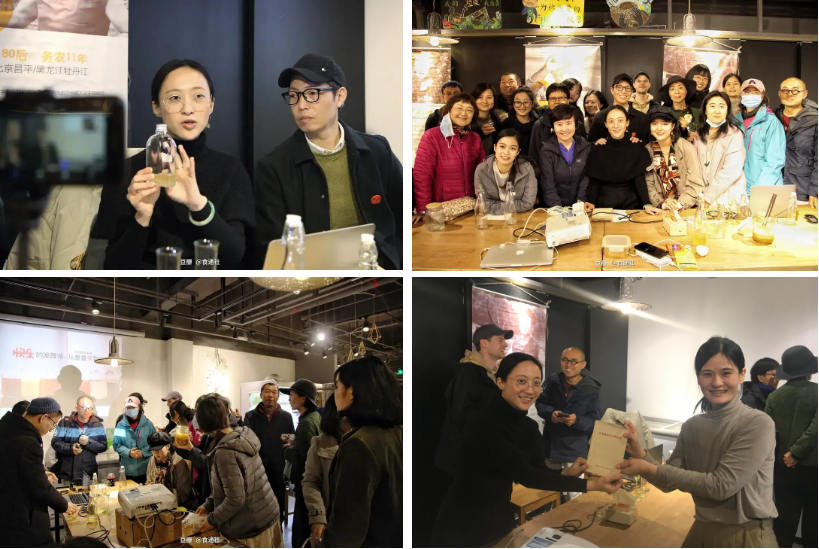
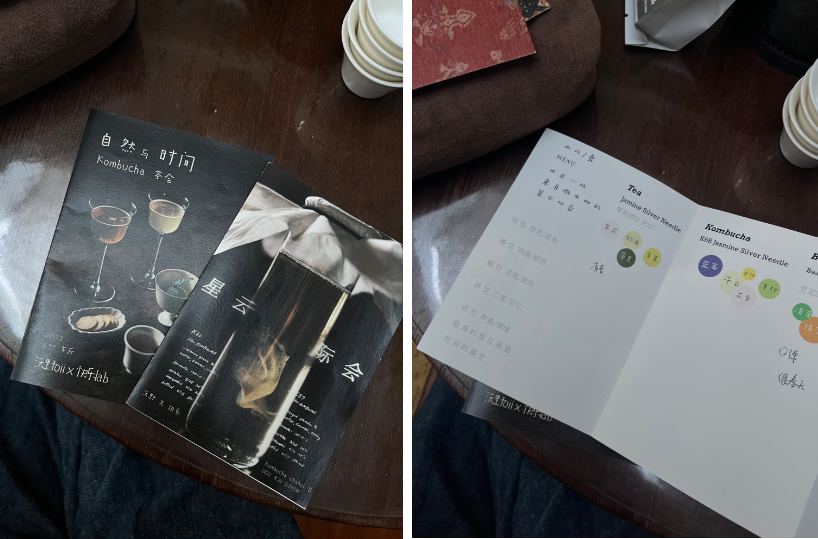
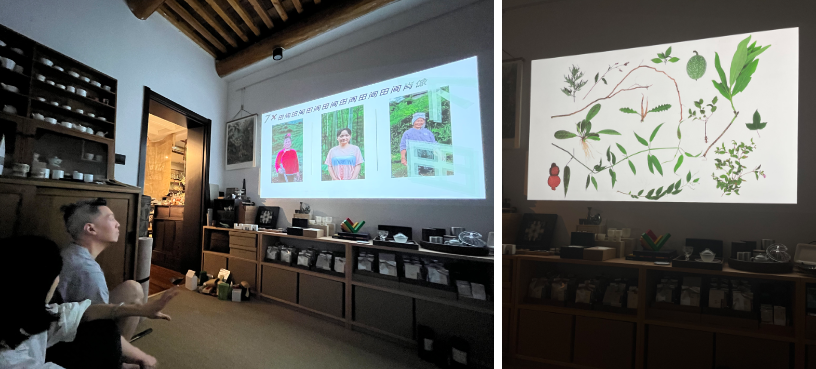
I brought kombucha to the Foodthink office, where it became a regular post-lunch drink. There, among colleagues, we hatched the idea of a kombucha-themed sharing event, formally inviting Shuyu and Kiwon to share their fermentation story with the public.
While designing the event poster, Shuyu casually pointed at a small glass ornament on the desk engraved with the characters for “happy”: “Let’s call it ‘Happy Microbes’.” So simple, and yet so apt – a microbial community truly did bring us joy in our senses, our emotions, our social lives. In time, that logo was carried forward and kept, becoming the official name of their fermentation studio.
That day, before the sharing event officially began, the friends from “Happy Microbes” brought along an armful of recent ferments in jars and bottles, and held an informal tasting among ourselves first. This time, Xiaochao from Foodthink – a complete novice – walked away with the final prize. In the unpredictable story of fermentation, there is always the surprise of a “wild ferment” stealing the show. As for the leftover culture, once the sharing event ended, audience members who had brought their own glass containers adopted it and carried it home.

V. Diaspora and Reinvigoration
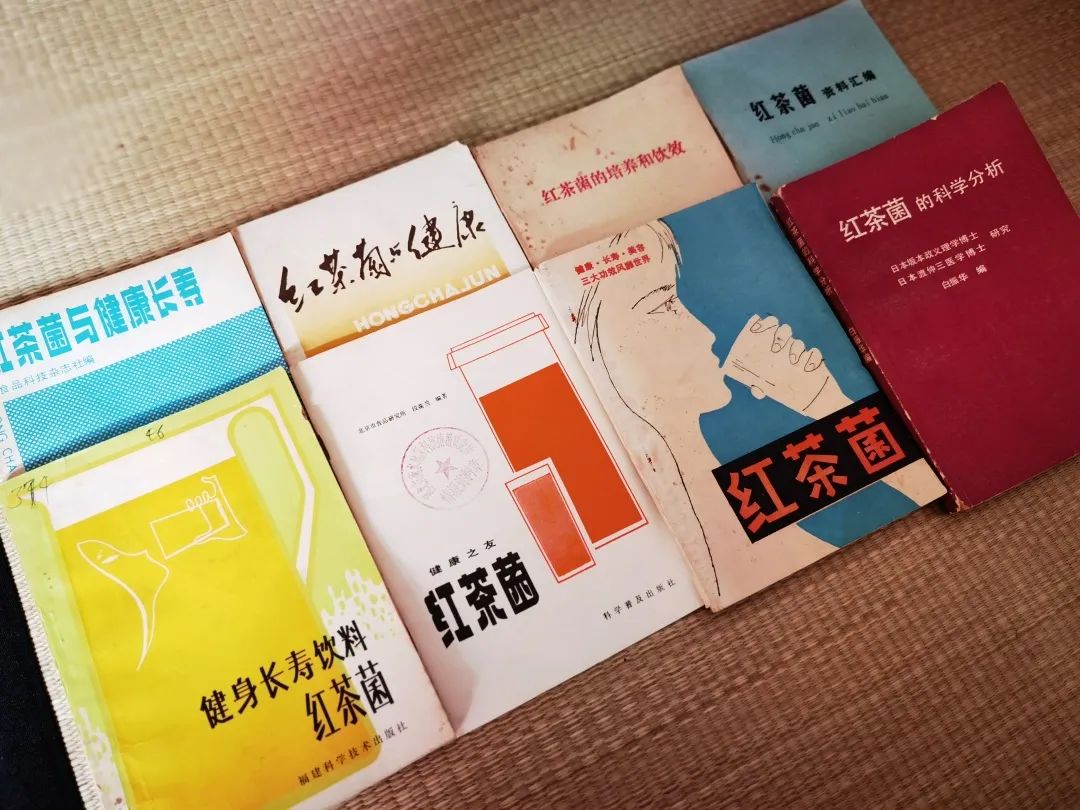
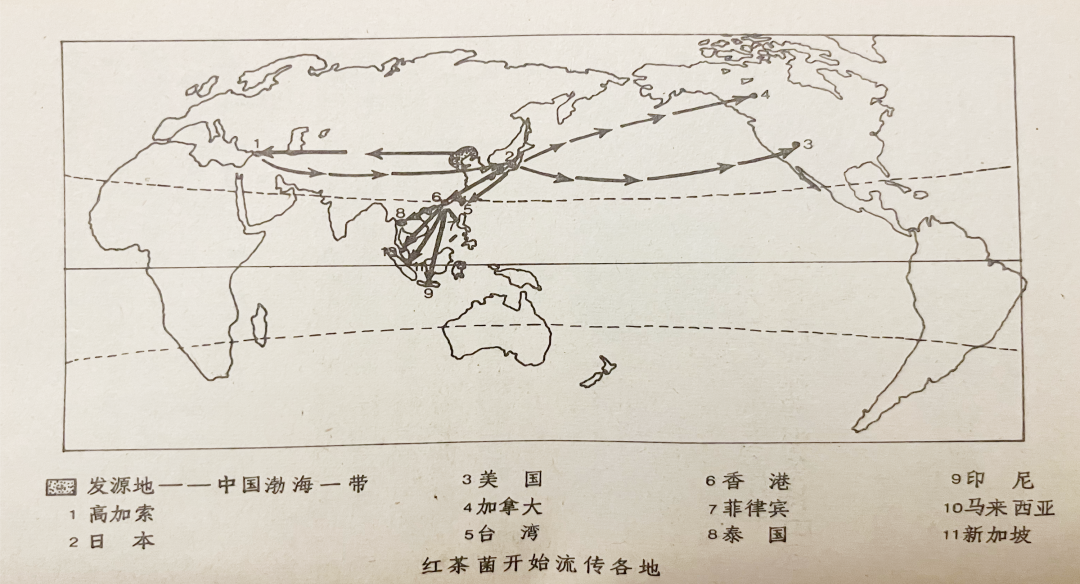
Along the way, kombucha made several returns to the mainland. During the culture-keeping boom of the 1980s, a series of related books was published: demystifying the principles of fermentation, cataloguing its benefits, listing folk cases… In passing remarks, they even glimpsed hazy traces of its presence in the early Republic era and after the War of Resistance.
What became, then, of those once-popular “Sea Treasures” of the 1980s? Perhaps the accelerating spring breeze of Reform and Opening brought the multiplication of wealth and the fermentation of consumerism, and we entered a new myth. Kombucha in China has gone through cycles of vogue, forgetting, return, and vogue again – its losses and triumphs riding the climate of the times, rising and falling with them.
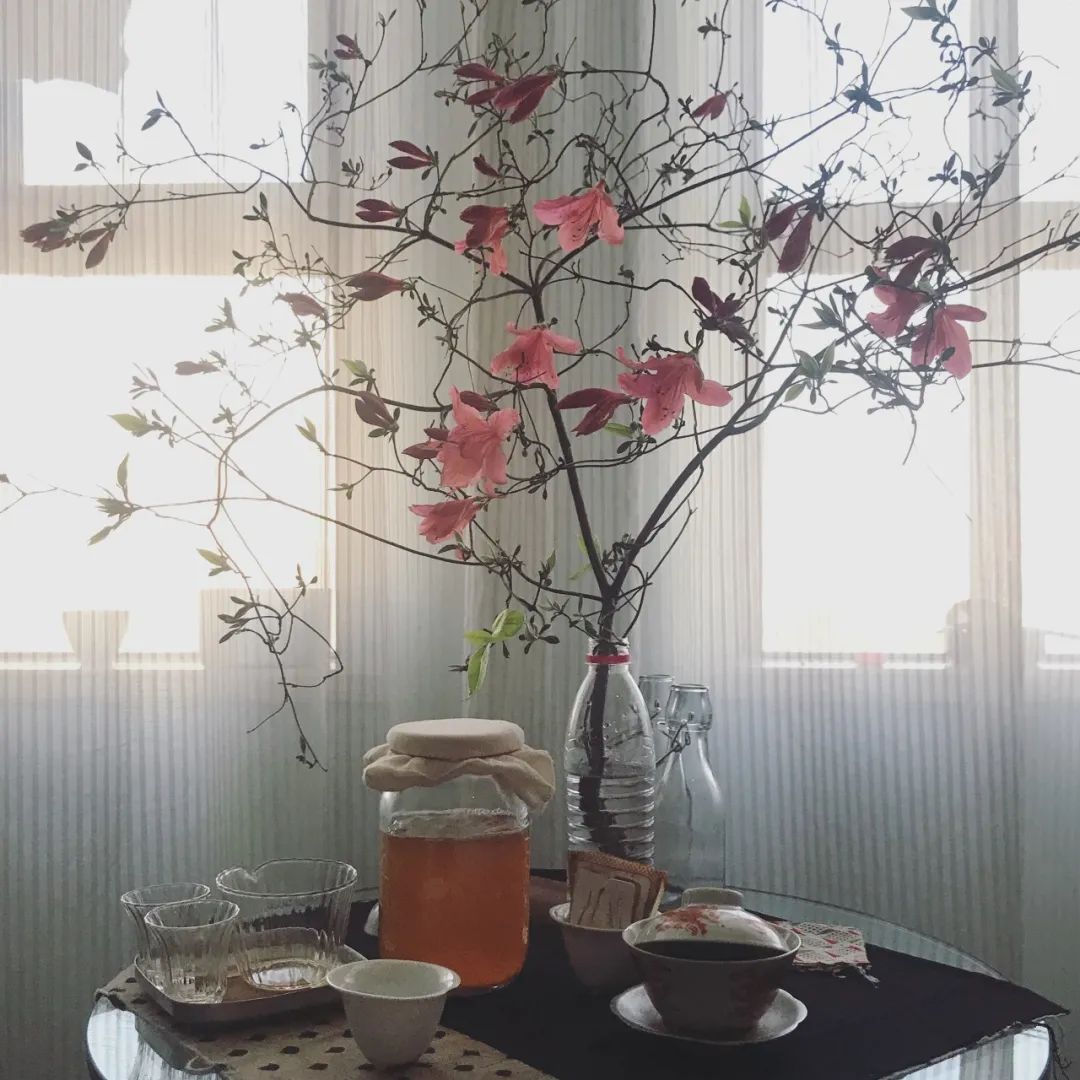
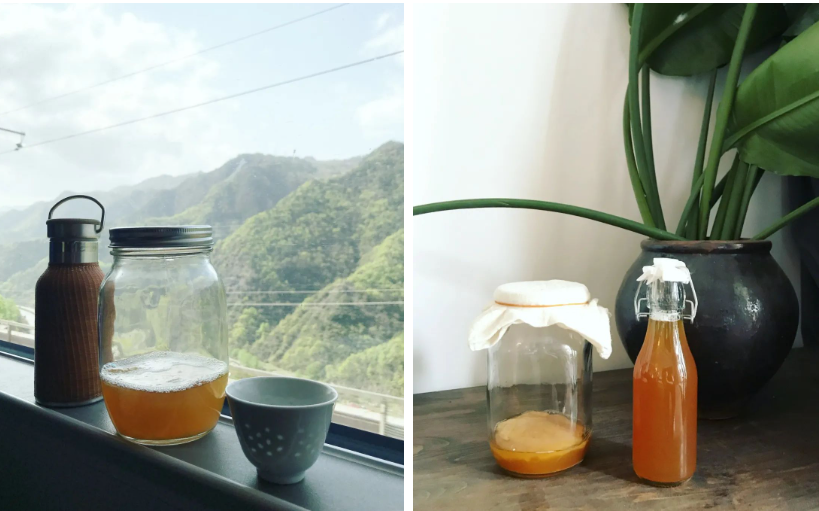
In the spring of 2022, having settled into small-town life, I took the starter culture from the fridge – the one I had brought back from Beijing. After months of cold storage, they had grown terribly weak: the liquid clear and still, the pellicle sunk silent to the bottom of the jar.
We began a difficult re-adaptation together – I, confronting my native environment; they, meeting an entirely new place with barely perceptible vitality. Fermentation turned hesitant and sealed; the liquid seemed to stall, time nearly congealed, and my senses lost all connection with it. Two weeks later, at last, a wispy bloom surfaced in the liquid; bubbles rose, slow and tentative; the familiar sweet-and-sour fragrance overflowed the air once more. Through round after round of tea-sugar water refreshment and care, the colony reinvigorated, drew itself back together, and knit into a fresh pellicle.
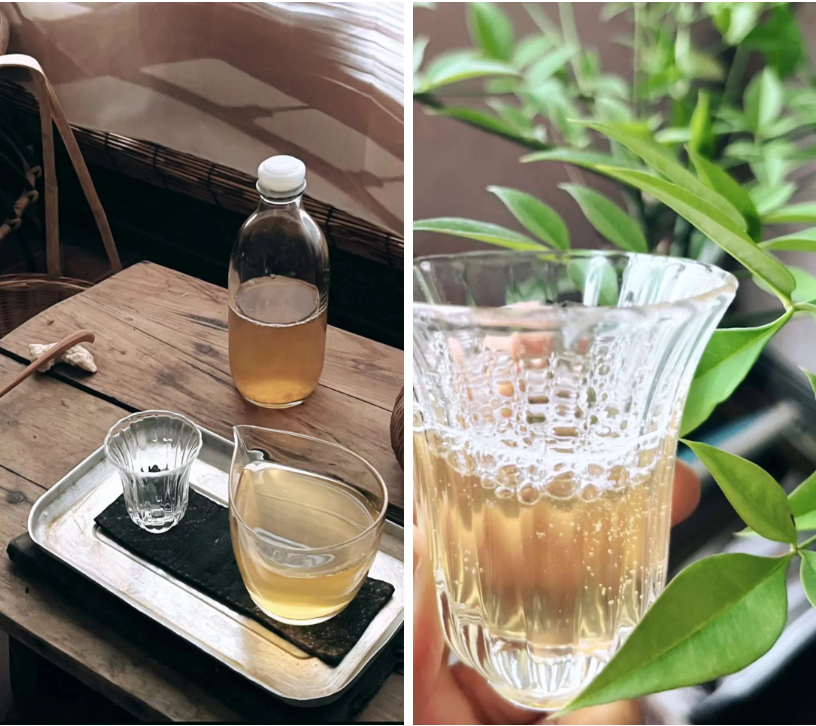
The first jar fit to drink matured during the sudden April “silence”. This time, I shared the cup with my mother. From the residential compound, she had gathered bitter greens and pokeweed. With foraging and fermenting, we weathered the chaos and alarm of that spring day together.
VI. Reunion
But there is no quiet desk in this world, nor any fermentation that stands alone. One lockdown after another brought a loss of microbial control – at one point, because the bottling materials were delayed, kombucha that could not be harvested in time was finally poured into a sink.
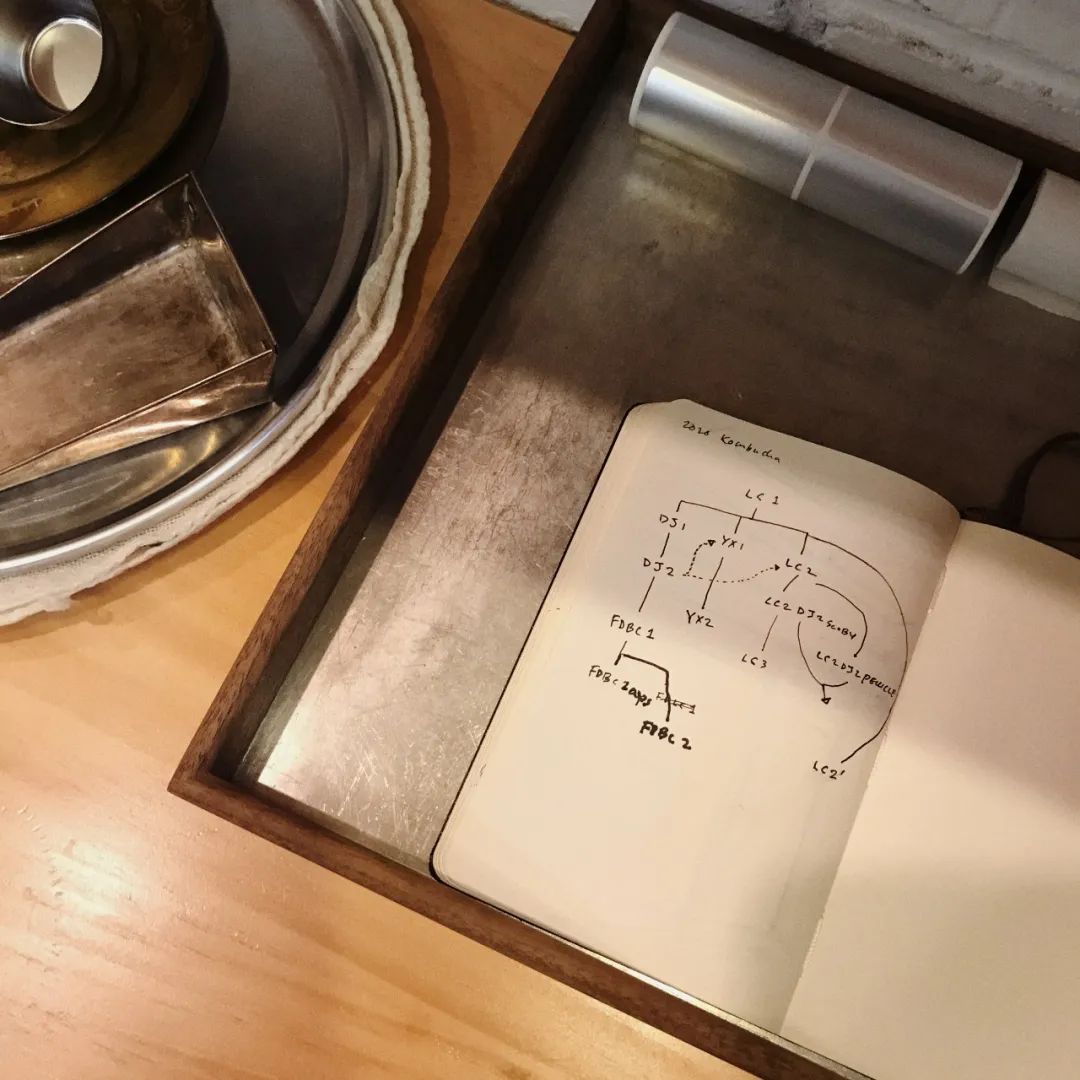
This post-meal kombucha was their recently opened ancient-tree ripe Pu’er; its mellow richness and velvety depth offered yet another wholly new experience and height. Kiwon once likened “tea” to a musical score – whether one steeps it or ferments it, the act is “performance”, and each person has their own way of playing. They are plainly ever more accomplished performers. Their patient, meticulous textual records serve as each jar’s identity code and taste-memory, offering space for calibration and reflection in future ferments. As they had always believed, the vast expanse of Chinese tea holds infinite possibility; they had carved out their own style and path, pressing ever deeper.
They are my genius friends – amid all the uncertainties in and around the jar, in the macro and the micro, they hold a self-assured, unwavering anchor, pressing steadily forward.
I often wish life could be like a perfectly fermented jar of kombucha – sweet-and-sour in balance, full of flavour, dense with bubbles, long in aftertaste. But what makes a fermentation “perfect”? Life cannot be wholly controlled. I cannot give these microorganisms a stable environment any more than I can give myself one. I have endured fermentations gone awry: their bitterness, their cloying sweetness, their sharpness, or the meddling of stray microbes. Tracing them back to root, they all stem from a rupture in the colony, an imbalance in the ecology – a single organism growing over-large while the commonwealth collapses. In the end, though, one simply lifts the lid and starts again: so long as you keep a starter culture, you keep a possibility.
Amid decay, turning points and new life brew. In the loss of control and confusion of living, we ferment out our own quality and thread; amid rot and entanglement, we renew and layer new selves upon ourselves, endlessly. Growth, too, is a state of fermentation – and time is its vessel. Complexity and multiplicity make flavour; the ideal of seeking truth can become nourishment.
The mentors, true friends, and dear family I have met in this life are those who keep a starter culture for me. They have taught me: keep practising, keep recording, keep reflecting. Only practice sustains vitality. Only recording guards against forgetting. Only reflection enables repair and forward motion.
So, I have rambled long enough. This piece is, for the past three years, the record and reflection I have fermented about kombucha. As for the story of these microorganisms: keep it updated, keep it fermenting, keep it open to share.
Scientific Analysis of Black Tea Fungus, research by Masayoshi Sakamoto (DSc, Japan) and Watanabe Zhongsan (MD, Japan); edited by Bai Zhenhua
When a Stanford Astronomer and a Normal University Designer Made Kombucha Together – Heimi Chat Room https://www.xiaoyuzhoufm.com/episode/63b8273cda83c49d996a5dcd?s=eyJ1IjogIjYwZDVjMDk5ZTBmNWU3MjNiYmM1ODIyMSJ9
“Research Progress on the Sensory Quality and Related Chemical Components of Kombucha”, Tian Wenxin, Shen Jingjing, Dang Hui, Bu Xianpan, Tang Dejian, Zhang Baoshan, Zhao Yu, Science and Technology of Food Industry, Vol. 43, No. 24, December 2022
Acknowledgements
Shuyu, Kiwon
and all the friends who have been part of this open colony
Unless otherwise noted
all images in this article are provided by the author
Editor: Wang Hao